
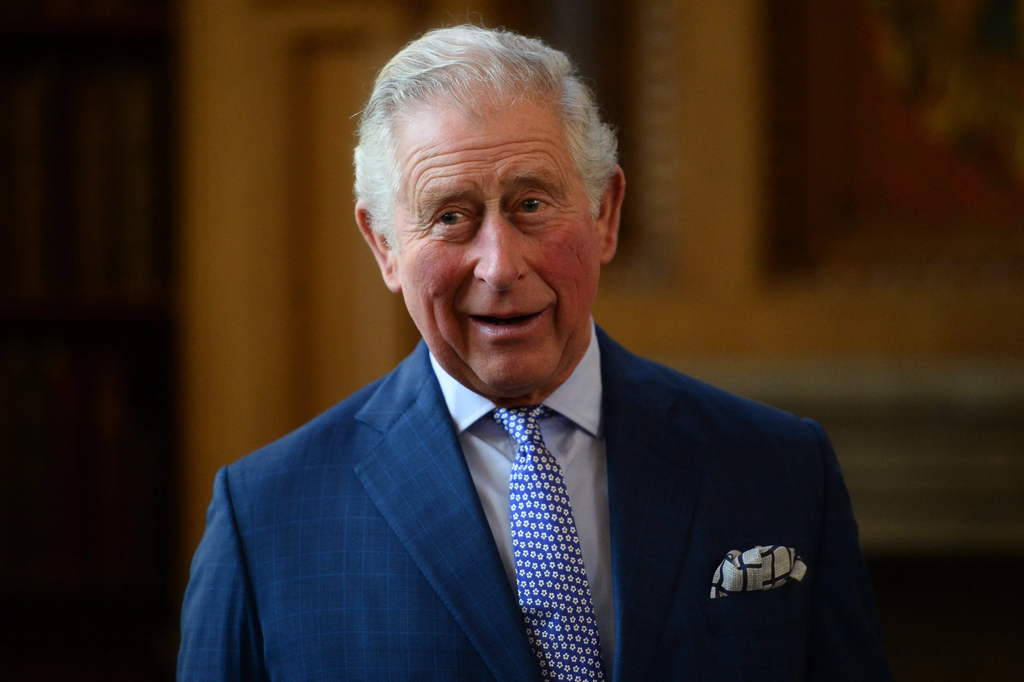
July 29, 1981, was supposed to be the ultimate royal fairy tale. Millions of people lined the streets of London, and over 750 million viewers tuned in from around the world to watch Prince Charles marry Lady Diana Spencer at St. Paul’s Cathedral. The massive lace dress, the golden carriage, and the cheering crowds made it look like the happiest day imaginable. Behind closed doors, the reality was entirely different.
Hours before the world watched Diana walk down the aisle, a massive bombshell hit the young bride. Reports and close personal confidants revealed that Charles sat Diana down and dropped a devastating truth on her: he was not actually in love with her.
This blunt confession shattered the young royal and almost stopped the grand wedding from happening at all. Understanding what went down that night sheds light on one of the most talked-about relationships in modern history.
The Night Before the Wedding: A Shocking Confession
The truth about that fateful night came to light through Penny Thornton, a close astrologer and personal friend who advised Princess Diana during some of her most difficult moments. Speaking in the documentary The Diana Interview: Revenge of a Princess, Thornton shared a chilling detail that Diana had confided in her years after the ceremony.
According to Thornton, Charles told Diana directly that he did not love her on the night right before their wedding. It was not said out of pure cruelty, but rather out of a misguided desire to be completely transparent. Charles reportedly felt that entering a lifelong royal marriage on a lie would be wrong, so he wanted to clear his mind and set expectations straight.
The $0 Secret To Launching Your Entire Online Empire
Why pay hundreds every month for separate software? Build funnels, send emails, and make sales with Systeme.io completely free.
Get Started For $0Free Forever • No Credit Card Needed • Beginner-Friendly
For a 20-year-old bride sitting in her quarters on the eve of the biggest day of her life, the admission was crushing. Diana was deeply in love with Charles and hoped that their marriage would grow into a deep romantic bond. Hearing those words from her future husband wiped away whatever magic remained.
Thornton explained that Diana was so shaken by the revelation that she seriously considered backing out. She did not want to walk down that aisle, and she spent hours wrestling with the thought of calling the entire event off.
Why Diana Didn’t Walk Away
If someone tells you they do not love you hours before you marry them, walking away seems like the only logical choice. For Diana, however, the situation was far more complicated than a normal breakup.
The wedding had already grown into a global mega-event. Souvenirs featuring their faces were already being sold across the globe, street parties were set up across Britain, and world leaders had arrived in London. The pressure on Diana from the Royal Family and the public was immense.
When Diana expressed her panic to her sisters, Lady Sarah and Lady Jane, their response was simple and blunt. They reminded her that her face was already printed on all the official tea towels and plates. It was simply too late to pull out.
Trapped between personal heartache and global expectations, Diana decided to go through with the wedding. She put on her dress, stepped into the glass coach, and walked down the aisle to marry a man who had just admitted his heart belonged elsewhere.
Fresh Claims from Earl Spencer’s Memoir
The pain surrounding that marriage never truly faded, and decades later, new details continue to surface. Princess Diana’s brother, Earl Charles Spencer, released a memoir containing shocking claims about how Charles treated Diana both before and after their marriage.
In his writings, Earl Spencer claimed that Charles voiced a disturbing level of coldness toward Diana, even describing moments where Charles allegedly spoke with contempt about her insecurities. Spencer also detailed heated phone calls with the Palace after Diana’s tragic passing in 1997, revealing deep-seated tensions between the Spencer family and the royal establishment.
Buckingham Palace responded quickly to these allegations, cautioning that grief and personal memories can cloud past events. Former royal aides also stepped forward to dispute Spencer’s version of history. The drama showed that the emotional fallout of the 1981 wedding continues to provoke intense debate today. For more on how the Palace handles explosive family claims, check out this update on King Charles firing back at claims from Princess Diana’s brother.
Famous Clues: “Whatever ‘In Love’ Means”
Looking back at early video footage of the couple, the warning signs were visible long before the night before the wedding. One famous moment during their engagement interview in early 1981 proved just how mismatched they really were.
A journalist asked the couple if they were in love. Diana smiled brightly and answered immediately, saying, “Of course.” Charles, however, gave a cautious and awkward response that shocked viewers across the world: “Whatever ‘in love’ means.”
At the time, many people brushed off the comment as typical upper-class British awkwardness or high-society humor. In reality, it was a clear warning sign. Charles was struggling with his feelings and feeling forced into a commitment he was not emotionally ready to make.
Diana later admitted in private recordings that the interviewer’s question and Charles’s strange response traumatized her. It confirmed her underlying fears that Charles was still deeply attached to Camilla Parker Bowles, the woman he had loved for years before meeting Diana.
A Marriage Built on Duty and Pressure
To understand why Charles made such a shocking comment before the wedding, it helps to look at the massive pressure he was under as the heir to the British throne.
By the late 1970s, Charles was in his early 30s, and the royal household was anxious for him to find a suitable bride. His father, Prince Philip, actively encouraged him to make a decision quickly to protect the reputation of Lady Diana and the monarchy.
Send, Spend & Hold Money Worldwide Without Hidden Fees
Transfer money internationally at the real exchange rate and hold 40+ currencies in one account.
Open a Wise AccountMid-market rate • Fast transfers • 40+ currencies
Charles was caught between duty and his personal desires. He was deeply attached to Camilla, but back then, the royal establishment viewed her as an unsuitable candidate for a future Queen. Diana, young, titled, and untainted by previous public relationships, seemed like the perfect royal bride on paper.
The age gap between them was significant. Charles was 32 and accustomed to a quiet, traditional royal routine, while Diana was just 19 when they got engaged. They had only met around 13 times before Charles proposed. There was almost no time for them to build genuine emotional intimacy or figure out if they were truly compatible.
The Unraveling of the Royal Illusion
It did not take long after the royal wedding for the cracks in the relationship to turn into deep fractures. Within weeks of their honeymoon aboard the royal yacht Britannia, Diana began feeling isolated and misunderstood.
Diana struggled with severe bulimia, anxiety, and depression. She felt overwhelmed by the relentless attention from global media and felt completely unsupported by palace staff who were used to rigid royal protocol.
Meanwhile, the public fell in love with Diana in a way the Royal Family had never seen before. Everywhere the couple went, crowds screamed for Diana, often ignoring Charles completely. This imbalance created resentment and distance between the two.
By 1986, both Charles and Diana were leading separate personal lives. Charles rekindled his relationship with Camilla, while Diana sought affection elsewhere. The grand fairy tale had officially collapsed, leading to their formal separation in 1992 and a final divorce in 1996.
The Human Cost of Royal Expectations
The story of Charles and Diana is a stark reminder of what happens when personal happiness is sacrificed for tradition and duty.
Diana’s candid discussions about mental health, eating disorders, and emotional distress opened up global conversations that continue today. She showed the world that behind palace walls and expensive crown jewels, real human beings were hurting.
Her legacy influenced how her children approached mental health awareness. Today, Prince William continues to champion psychological well-being initiatives across the UK, including launching a major suicide prevention toolkit for sports teams.
What Everyday Relationships Can Learn
While few people will ever experience the intense spotlight of the British monarchy, the painful story of Charles and Diana carries relatable lessons for everyday relationships.
The $0 Secret To Launching Your Entire Online Empire
Why pay hundreds every month for separate software? Build funnels, send emails, and make sales with Systeme.io completely free.
Get Started For $0Free Forever • No Credit Card Needed • Beginner-Friendly
1. Outside Pressure Never Sustains a Marriage
Getting married simply to satisfy family expectations, societal timelines, or public image almost always leads to resentment. A strong marriage requires genuine personal commitment from both partners, free from outside pressure.
2. Never Ignore Early Red Flags
When someone shows or tells you who they are, believe them. Diana noticed multiple signs that Charles was emotionally distant during their brief courtship, but she hoped things would change after marriage. Marriage rarely fixes fundamental underlying problems.
3. Know Your Own Worth
Entering a relationship where your partner cannot give you full affection takes a heavy emotional toll. Knowing your value and insisting on mutual love is essential for long-term happiness. In fact, modern advice often echoes this sentiment—like when veteran actress Bukky Wright urged women never to settle for less than gold in their personal lives.
Echoes of the Past in Modern Royal Drama
The fallout from Charles and Diana’s turbulent marriage did not end with their divorce or Diana’s tragic passing in 1997. It redefined how the Royal Family operates and influenced how the next generation handles their own personal lives.
Prince Harry has spoken openly about the trauma of losing his mother at a young age and the impact royal life had on his mental health. His decision to step back from royal duties with his wife, Meghan Markle, was largely driven by a desire to avoid repeating the tragic patterns of the past.
The royal household continues to navigate tensions surrounding family roles and public duties. For example, recent developments show King Charles reaffirming non-working royal status, highlighting the ongoing divide between the core monarchy and exiled family members.
At the same time, public interest in Harry and Meghan remains high as they navigate life outside official duties. Reports frequently detail the couple’s choices, including why things seemed to go sideways when they moved back to Britain or why Harry and Meghan switched their children’s school after security assessments.
Every headline about royal drama today traces its roots back to the decisions made in 1981, showing how one wedding changed the British monarchy forever.
Frequently Asked Questions (FAQs)
Did Prince Charles really tell Princess Diana he didn’t love her?
Yes, according to Diana’s close friend and astrologer Penny Thornton, Charles sat Diana down the night before their 1981 wedding and confessed that he was not in love with her. He reportedly wanted to be honest with her rather than begin their marriage on a false foundation.
Why didn’t Princess Diana cancel the wedding?
Diana was only 20 years old and faced overwhelming global pressure. The wedding was already planned to the smallest detail, souvenirs were printed, and millions of people were waiting. Her sisters famously reminded her that her face was already on the commemorative tea towels, making it feel impossible to cancel.
How many times did Charles and Diana meet before marrying?
Charles and Diana met only about 13 times before they got engaged. Their courtship was short, heavily supervised, and spent under constant media scrutiny, leaving them little opportunity to build real emotional intimacy.
What did Charles mean by “Whatever ‘in love’ means”?
During their official engagement interview in 1981, when asked if they were in love, Diana said “Of course,” while Charles famously added, “Whatever ‘in love’ means.” The comment reflected his internal doubts and emotional detachment regarding the marriage.
How did the public react when the truth came out?
When details of their troubled marriage and Charles’s affair with Camilla Parker Bowles were publicly revealed in the 1990s through books and interviews, public sympathy swung heavily toward Princess Diana. It took decades for the Royal Family’s public image to recover.
The story of King Charles and Princess Diana remains a powerful reminder that royal titles and massive celebrations cannot compensate for a lack of genuine affection. The honest confession shared on the eve of their 1981 wedding foreshadowed a troubled marriage that reshaped the British monarchy and continues to fascinate people worldwide.
To learn more about news, entertainment, and trending stories from around the globe, visit our About Us page or get in touch through our Contact Page.
Stay connected with us on social media for the latest updates:
- Follow us on Instagram
- Like us on Facebook
- Join the conversation on X (Twitter)
