
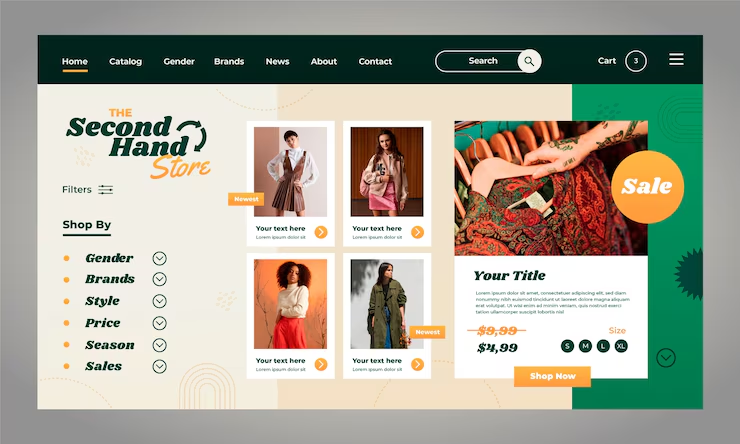
You are scrolling through short videos on your phone. You see someone wearing a jacket that grabs your attention. Instead of opening a search engine, visiting a separate website, typing in your credit card numbers, and filling out shipping details, you tap a button on the screen. Two taps later, the jacket is ordered. You never even left the app.
That simple, frictionless experience is social commerce. It is changing how people buy and sell goods online, turning social feeds into digital storefronts.
If you want to build a real online business or add a new sales channel to an existing store, understanding this model is essential.
What Is Social Commerce?
Social commerce is the process of selling products directly inside social media platforms.
Unlike traditional e-commerce, where a post links to an external store like Shopify or Amazon, social commerce lets the entire buying journey happen within the social app itself. Discovery, product evaluation, and payment all occur inside Instagram, TikTok, Facebook, or Pinterest.
The $0 Secret To Launching Your Entire Online Empire
Why pay hundreds every month for separate software? Build funnels, send emails, and make sales with Systeme.io completely free.
Get Started For $0Free Forever • No Credit Card Needed • Beginner-Friendly
According to retail data from Statista, global sales from social commerce are reaching hundreds of billions of dollars annually. Buyers love it because it eliminates friction. Business owners love it because fewer steps between seeing a product and buying it leads to higher sales numbers.
Social Commerce vs. Traditional E-Commerce
To make money in this space, it helps to understand how social commerce differs from traditional online shopping.
Traditional e-commerce relies heavily on search engine traffic, email marketing, and standalone websites. A customer sees an ad, clicks a link, waits for a web page to load, adds an item to a cart, creates an account, and enters payment information. Every extra step gives the buyer time to change their mind and abandon the purchase.
Social commerce removes those extra steps. The product appears directly where users spend their daily screen time. Payment details are often already saved inside the app. A buyer can go from discovering an item to placing an order in under thirty seconds.
Traditional web stores rely on customers searching for what they need. Social commerce relies on discovery, video content, and impulse buys.
Why Social Commerce Is Growing So Fast
Social media has shifted from a place where people merely share photos with friends into a primary shopping destination. Several key factors are driving this change.
Mobile-First Shopping Habits
Most internet traffic now happens on smartphones. Traditional web stores can sometimes load slowly or feel clunky on small screens. Social media apps are designed specifically for mobile devices, making browsing and buying fast and smooth.
Built-in Trust and Social Proof
People buy things recommended by people they trust. When a user sees a creator they follow demonstrating a product, it feels like a personal recommendation rather than a pushy commercial.
Instant Impulse Buying
When the buying process takes seconds instead of minutes, impulse purchases skyrocket. Users do not have to leave their feed to finish an order, so impulse buys feel seamless and effortless.
Top Platforms for Social Commerce and How They Work
Different platforms appeal to different audiences and require distinct selling methods.
TikTok Shop
TikTok Shop is a dominant force in modern social retail. It allows creators and sellers to tag physical products in short videos, live streams, and a dedicated shop tab.
The main advantage of TikTok Shop is its recommendation algorithm. A short video highlighting a useful tool or trendy outfit can go viral without a massive follower count, driving thousands of orders in hours. You can review official setup requirements on the TikTok Shop Seller Center.
Instagram Shopping
Instagram is ideal for visual product categories like fashion, beauty, home decor, and fitness.
Sellers can set up an Instagram Shop, tag products in posts, stories, and reels, and build an appealing catalog. Users tap tagged items to view prices, detailed descriptions, and instant checkout options.
Facebook Shops and Marketplace
Facebook provides two distinct avenues for sellers: Facebook Shops for businesses and Facebook Marketplace for local or peer-to-peer sales.
Send, Spend & Hold Money Worldwide Without Hidden Fees
Transfer money internationally at the real exchange rate and hold 40+ currencies in one account.
Open a Wise AccountMid-market rate • Fast transfers • 40+ currencies
A Facebook Shop syncs directly with your Instagram store and allows you to create a storefront accessible from your Facebook business page. It remains popular among older demographics and established local businesses looking for a steady customer base. You can learn more about storefront options through Meta for Business.
Pinterest Product Pins
Pinterest functions as a visual discovery engine. People visit Pinterest specifically looking for ideas, home inspiration, fashion tips, and products to purchase.
Product Pins feature real-time pricing, availability details, and direct checkout links. Because Pinterest users frequently search with purchase intent, it is an effective network for selling home goods, art, and lifestyle products.
YouTube Shopping
YouTube allows creators to tag items directly beneath their videos and live streams. Viewers can click a product card during a video review or tutorial and complete a purchase without pausing the video.
If you want to create video content without spending hours in front of a camera, explore our guide on YouTube automation tools and guides to see how automated video strategies operate.
How to Make Money Selling on Social Media (Step-by-Step)
Launching a successful social commerce operation does not require a massive enterprise budget, but it does require a structured plan.
Step 1: Choose the Right Niche and Products
Focus on products that solve clear problems or have strong visual appeal.
Physical goods like unique kitchen gadgets, skincare items, pet supplies, and custom apparel perform exceptionally well because they are easy to demonstrate on video.
Digital products like ebooks, design templates, and online training courses can also be sold by sharing quick tutorials and linking to instant download offers.
Step 2: Pick Your Main Platform
Avoid launching on every platform at once. Select the network where your ideal customers spend most of their time.
The $0 Secret To Launching Your Entire Online Empire
Why pay hundreds every month for separate software? Build funnels, send emails, and make sales with Systeme.io completely free.
Get Started For $0Free Forever • No Credit Card Needed • Beginner-Friendly
Focus on TikTok if your products cater to Gen Z and younger millennials. Pick Instagram or Pinterest if your items rely heavily on high-quality visuals and aesthetic branding. Focus on Facebook if your target audience includes older demographics.
Step 3: Use Modern Technology and Automation
Managing inventory, answering messages, writing video scripts, and keeping up with trends can quickly become overwhelming. Modern sellers rely on automated software to simplify store management and content production.
To stay current on software that speeds up product research and social marketing, read up on the latest technology and AI trends.
Step 4: Create Short, Problem-Solving Videos
Traditional commercials do not work well on social feeds. Users open these apps for entertainment or useful information, not sales pitches.
Focus on demonstrating your product in action. Show the immediate solution it provides. Share simple unboxing clips, before-and-after comparisons, or behind-the-scenes videos showing how you package orders. Authentic video clips almost always convert better than slick corporate advertisements.
Step 5: Partner with Micro-Influencers
You do not need to pay huge fees to celebrity influencers to get results. Micro-influencers—creators with between 5,000 and 50,000 engaged followers—often generate better return on investment.
Send free product samples to micro-influencers in your niche. Ask them to share an honest review and tag your shop. Their followers value their recommendations, giving your store quick credibility and steady sales.
Step 6: Offer Instant Customer Service
Social shoppers expect quick responses. If a potential buyer asks about sizing, materials, or delivery times in your comment section or inbox, answer as quickly as possible.
A delay of a few hours often means losing the sale to a competitor. Set up automated response tools to handle basic questions like shipping times and return policies immediately.
Proven Strategies to Increase Your Social Sales
Once your store is running, implement these tactics to boost daily orders.
Use User-Generated Content
When customers share videos or photos using your products, ask for permission to repost that content on your official page. User-generated content provides immediate social proof. Prospective buyers trust feedback from real shoppers far more than claims made by the business owner.
Host Live Shopping Streams
Live shopping is a powerful tool for driving real-time sales volume. Stream on platforms like TikTok, Instagram, or YouTube to show your items live, answer viewer questions, and offer limited-time discounts. The immediate interaction builds trust and triggers impulse buys.
Offer Bundles and Limited Drops
Increase your average order value by grouping complementary items together at a slight discount. Run limited-time flash sales or drop exclusive items in small batches to create urgency and prompt hesitant buyers to complete checkout.
Common Mistakes to Avoid
Steer clear of these frequent errors when launching your social store:
- Prioritizing follower count over engagement: A smaller, active audience that trusts your recommendations will buy far more than a large, passive follower count.
- Ignoring negative comments: Address customer complaints politely and publicly to prove to prospective buyers that you support your products.
- Ignoring performance metrics: Track which specific video styles and product tags generate actual sales, then focus your effort on replicating those formats.
- Neglecting fulfillment speed: Slow shipping or poor packaging damages your store rating quickly, leading to account penalties on platforms like TikTok Shop.
Frequently Asked Questions (FAQs)
Do I need an external website to start social commerce?
No. Platforms like TikTok Shop and Facebook Shops allow you to list inventory and process payments entirely within the app. However, running a standalone website alongside social channels gives you long-term brand independence.
How much startup capital do I need to begin?
You can start with minimal capital. Using dropshipping or print-on-demand models eliminates the need to buy inventory upfront. Your main investment will be time spent creating video content and managing customer service.
What products sell best on social media?
Visual items that solve daily problems or tap into trending hobbies perform best. Popular categories include beauty tools, fashion accessories, home organization gadgets, fitness gear, and pet products.
Can I sell digital products using social commerce?
Yes. You can market digital downloads, printables, software, and courses by sharing quick informational videos and placing direct checkout links in your bio or chat automation.
How fast can I make my first sale?
Some sellers land sales within days of a short video going viral, while others require a few weeks of consistent posting to build traction. Consistent posting schedules and quick customer communication are key factors in speeding up results.
Getting Started with Social Commerce
Social commerce has significantly lowered the cost and effort required to start an online store. You no longer need thousands of dollars for complex web development or massive ad budgets. By pairing engaging short-form video with built-in app checkout features, anyone can launch and scale a profitable business directly from a smartphone.
Select a targeted product line, create seller profiles on your primary platform, and begin posting straightforward product videos. Long-term success relies on testing different video styles, tracking performance, and remaining consistent.
To discover more about our publication, visit our about page or contact our team through our contact page for inquiries.
Connect with our community across social media to stay updated on emerging trends: Follow our updates on our Instagram page, join our conversations on our Facebook page, and follow our X account.
