
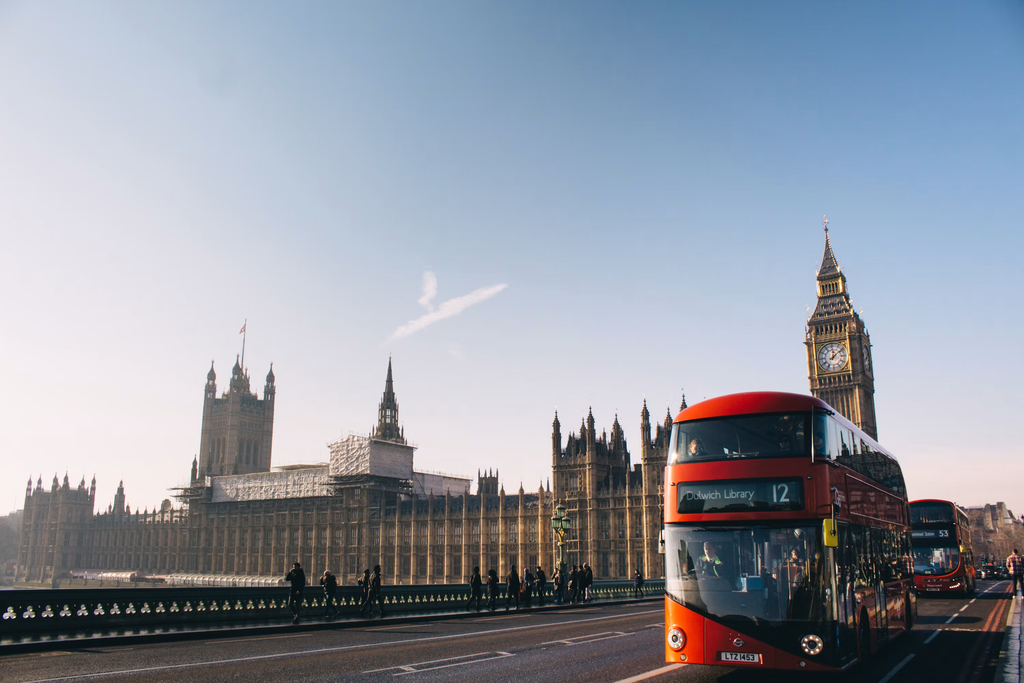
A landmark study from the King’s College London Policy Institute has uncovered a massive divide between public perception and actual statistics regarding life in London. Over recent months, viral videos, heated online debates, and sensational headlines have pushed a dramatic narrative that the UK capital is falling into lawlessness, urban decay, and non-stop crime.
However, brand new data from extensive national surveys conducted by YouGov alongside official figures from the Crime Survey for England and Wales tell a completely different story. While the capital certainly faces specific challenges like e-bike phone snatching and high street shoplifting, the popular claim that London has fallen is wildly exaggerated.
The comprehensive study shows that the British public holds heavily inflated fears about how dangerous London really is. Most people outside and inside the capital believe crime is spiraling out of control, even though official police records show that total crime in the city has actually been falling.
The Gap Between Public Perception and Real Crime Statistics
The research project, titled Mistaken Britain, reveals just how deeply misperceptions about the capital have taken root across the country. When researchers asked members of the public what percentage of Londoners were victims of personal crime over a 12-month period, the average guess was 30 percent.
That public guess is more than double the actual figure. According to official data gathered by the Office for National Statistics, the real personal crime victimisation rate in London stands at just 12.2 percent.
Build Funnels, Email Lists & Sell Online With One Free Tool
Create funnels, send emails, and sell online using Systeme.io without paying for multiple tools.
Create Free AccountFree forever • No credit card • Beginner-friendly
Surprisingly, even Londoners themselves overestimate their own risk of becoming crime victims. Local residents estimated that 25 percent of people in the capital experienced a crime in the past year, showing that public fear travels fast even among people living in the city every single day.
The gap between belief and reality extends to how safe people feel when walking outside. The national public assumes that 60 percent of Londoners feel unsafe walking alone in their local neighborhood after dark. In reality, local surveys show that only 37 percent of Londoners report feeling unsafe at night.
Violent Crime and Murders: Separating Fact from Fiction
One of the biggest surprises uncovered by the study involves public beliefs about violent crime. Half of the British public wrongly believes that London has the highest violent crime rate of any region in England and Wales.
The official crime data shows the exact opposite. London actually records the lowest rate of violent crime among all regions across England and Wales. The capital also shares the joint-lowest regional rate for recorded sexual offences.
When it comes to homicides, four out of ten people surveyed believed that murder numbers in London have been climbing steadily. In truth, London’s murder rate has fallen by approximately 15 percent in recent years, reaching historic low points for youth homicides.
Total recorded crime in the capital actually dropped by 1.4 percent between 2019 and 2025. Yet, despite this general drop, 62 percent of respondents remained convinced that total crime in London had increased over that exact timeframe.
Where the Public Gets It Right: Phone Snatching and Shoplifting
While general public fears about violent crime are blown far out of proportion, the public is not wrong about everything. People accurately spot the specific street-level crimes that have visibly grown in busy commercial zones.
Shoplifting and theft from the person have risen significantly across central London. Opportunistic thieves riding lightweight e-bikes or scooters frequently target distracted pedestrians, snatching mobile phones right out of their hands before speeding off into traffic.
The survey shows that 79 percent of the public correctly recognized that shoplifting has increased, while 71 percent accurately noted the rise in phone snatching. Phone snatching in particular has doubled in recent years, creating genuine frustration for shoppers, commuters, and visitors.
High-profile news stories have also heavily influenced public worry. Widely shared statements from business leaders complaining about luxury watch muggings led 70 percent of respondents to agree that wearing a luxury watch in London is unwise.
However, recent police statistics highlighted in the On London report show that targeted undercover police operations have caused luxury watch, designer handbag, and high-end jewellery thefts to drop sharply in areas like Westminster and Kensington. While phone snatching remains a real hassle, organized luxury muggings are coming down.
How Viral Social Media and AI Fuel the “Fallen City” Narrative
Why do so many people hold such an intense belief that London is dangerous? A large part of the explanation comes down to online algorithms, social media video trends, and news reporting.
Research monitoring online narratives shows that platforms like TikTok, X, and Instagram are filled with short clips highlighting street crime or heated public arguments. When these short clips get shared thousands of times, they strip away context and make rare incidents look like non-stop daily events happening everywhere.
Modern media creators working with youtube automation and short video formats know that dramatic, high-tension headlines trigger instant clicks and comment debates. Outrage generates far more engagement than calm statistics.
The rapid growth of technology AI video generators has made it even easier for anonymous accounts to flood the internet with synthetic voices, manipulated footage, and misleading tours claiming that prime neighborhoods are decaying into lawless zones. These AI-narrated videos build a constant sense of drama that simple statistics find hard to overcome.
The King’s College London study noted that heavy TikTok users were slightly more likely to believe London crime was exploding. However, the anti-London story has become so common that even people who rarely use social media end up holding overly negative views about life in the capital.
Demographics, Myths, and Economic Realities
The new study also investigated how public misperceptions go beyond crime statistics to touch on demographic facts and national economics.
Many Britons hold a vastly inflated view of London’s religious breakdown, guessing that the city’s Muslim population is double its true size. Over one-third of survey respondents mistakenly believed that London contains “no-go” areas governed by alternative laws where non-Muslims cannot enter. Independent researchers, local councils, and police forces have repeatedly confirmed that no such areas exist anywhere in the city.
On the economic front, there is a widespread misunderstanding about how London funds public services. Many people assume that London receives more money from the national government than it contributes in tax revenue.
In reality, London generates a massive tax surplus, paying far more into the national Treasury than it receives back in public spending. This tax surplus helps fund healthcare, schools, roads, and public services right across the rest of the country.
Interestingly, the study found that when survey respondents were shown the factual numbers regarding London’s economic contribution, their general feelings toward the city became much more positive. Accurate facts help undo negative online spin.
Practical Safety Tips for Living in and Visiting London
Understanding that London is statistically safer than standard media claims suggest does not mean you should ignore basic precautions. Like any global metropolis with nearly 9 million residents, using everyday street smarts keeps your trip smooth and stress-free.
Protect Your Mobile Phone in Public
Phone theft is the single most common street crime facing pedestrians in central London.
- Avoid holding your phone loosely in front of you while standing right next to road curbs or busy cycle lanes.
- Step back against a shop window or building wall if you need to check map directions or send a text message.
- Keep your phone tucked inside a secure inner pocket or use a wrist strap when walking through crowded tourist spots like Oxford Street or Covent Garden.
Keep Track of Valuables in Crowded Places
- Never leave your smartphone, wallet, or bag sitting on open cafe tables or hanging on the back of chairs while dining outdoors.
- Keep bag zips closed and wear shoulder bags across your chest when traveling on crowded Tube trains during peak commuting hours.
- If you wear high-end jewelry, keep items covered under coat sleeves when walking back from evening events or nightlife venues.
Use Trusted Night Transportation
- London’s public transit network is safe and heavily monitored by CCTV cameras.
- Late at night, stick to major Underground lines, daytime bus connections, or registered Night Bus routes.
- If you prefer private hire, always order an official black cab or use trusted rideshare apps. Never accept rides from unlicensed vehicles approaching you on the street.
Staying Connected and Informed
Getting news rooted in reliable research helps everyone stay grounded. If you want to learn more about our team and background, visit our about page or feel free to send us a message through our contact page.
You can also join our growing online community to discuss trending topics, global news, and culture. Follow our regular updates on Instagram, join our interactive community on Facebook, and share your personal perspective with us on X (formerly Twitter).
Frequently Asked Questions (FAQs)
Is crime in London actually rising?
Overall crime in London is not spiraling upwards. Official figures from the Crime Survey for England and Wales show total recorded crime in London fell by 1.4 percent between 2019 and 2025, and murder rates dropped by 15 percent. However, specific visible offences like shoplifting and phone snatching have increased.
Is London safe for tourists to visit?
Yes, London remains one of the safest major global capitals for visitors. Its violent crime rate is lower than the national average across England and Wales. Visitors simply need to practice basic street awareness regarding phone snatching and pickpocketing in crowded areas.
Build Funnels, Email Lists & Sell Online With One Free Tool
Create funnels, send emails, and sell online using Systeme.io without paying for multiple tools.
Create Free AccountFree forever • No credit card • Beginner-friendly
Why do so many people think London is dangerous?
The gap between fear and reality is mostly driven by social media algorithms, sensational video clips, and media headlines. Videos showing street thefts often go viral without context, making isolated events look like continuous chaos.
What is the most common crime travelers face in London?
The most common issue facing locals and tourists in central London is phone snatching by opportunistic thieves on e-bikes or scooters. Staying alert while holding your phone near roads prevents most incidents.
Are there any “no-go” areas in London?
No, there are no “no-go” areas in London. Claims that certain neighborhoods are closed off to the public or run under alternative laws are complete myths that have been repeatedly disproven by police and independent researchers.
Looking at the Real London Beyond the Headlines
London is neither a lawless wasteland nor a city entirely free of everyday urban challenges. The truth sits right in the middle—backed by real statistical facts rather than internet drama.
While street-level phone thefts need continued police action, London remains a remarkably safe, economically strong, and vibrant global destination. By relying on proven data instead of viral panic, locals and visitors alike can experience everything the UK capital has to offer with total confidence.
