
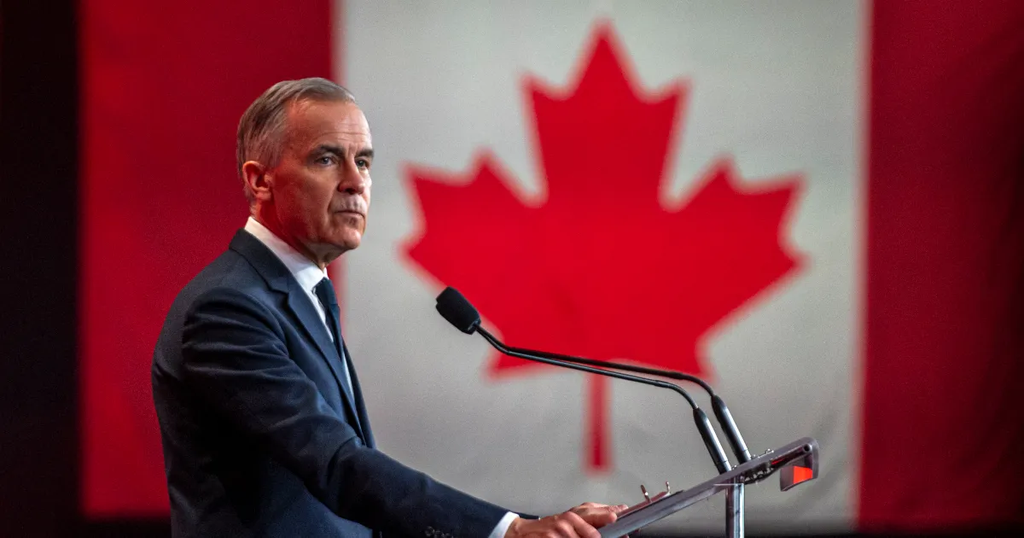
Prime Minister Mark Carney recently made a bold move on the world stage by walking away from a U.S. trade proposal, and Canadians are overwhelmingly standing behind him. A fresh poll from Nanos Research shows that a vast majority of the Canadian public agrees with rejecting the deal, even with major economic challenges looming.
Instead of backing down under the threat of steep tariffs, Canadians are showing remarkable unity. They prefer taking a stand over accepting trade terms that could compromise the nation’s sovereignty, culture, and key industries.
The negotiation collapse has triggered a new wave of trade tension between Ottawa and Washington. However, public opinion data makes one thing crystal clear: the Canadian government has a strong mandate from its citizens to hold the line.
Inside the Nanos Survey: What the Numbers Tell Us
The latest polling data from Nanos Research provides a clear picture of how Canadians feel about the collapsed trade negotiations. When asked about the federal government’s decision to walk away from the American offer, roughly 85% of respondents said they support or somewhat support the choice. About 75% expressed strong support for turning down the proposal.
It is rare to see this level of consensus across Canadian politics. Citizens from different regions, political backgrounds, and walks of life are aligning on this issue.
The $0 Secret To Launching Your Entire Online Empire
Why pay hundreds every month for separate software? Build funnels, send emails, and make sales with Systeme.io completely free.
Get Started For $0Free Forever • No Credit Card Needed • Beginner-Friendly
The support goes beyond just agreeing with the prime minister’s decision. Most Canadians are also ready to take active measures in response to American pressure. According to the survey, 85% of people support imposing retaliatory counter-tariffs on U.S. goods.
Even more striking is the willingness of individual households to absorb financial impact. Over 70% of respondents stated they are willing to pay higher prices for everyday items if it means defending Canadian economic independence.
The poll also highlights a major shift in public perception regarding international relations. More than 70% of Canadians now feel that the United States is not a trusted trade partner. This reflects growing frustration with shifting demands and hostile rhetoric coming from across the southern border.
Why the Trade Negotiations Broke Down
The trade talks between Canada and the United States ended after weeks of intense discussions. Canadian negotiators ultimately determined that the American terms were unacceptable for the country’s long-term interests.
Several key issues caused the breakdown:
Immovable Red Lines
According to Canadian officials, American representatives presented non-negotiable demands late in the process. These included restrictive rules that would limit Canada’s ability to form future independent trade agreements with other global partners. Ottawa viewed these terms as a direct threat to national sovereignty.
Cultural and Language Protections
The U.S. delegation pushed for changes affecting Canadian cultural policies, including rules that protect French-language content and domestic media. Canadian negotiators held firm, treating these cultural protections as non-negotiable.
Unfair Terms for Key Industries
The proposed deal included provisions for manufacturing and the automotive sector that Canadian leaders argued would turn domestic industries into subordinate operations for U.S. companies. Prime Minister Carney stated that accepting such conditions would lock Canada into an uncompetitive future.
Frustration Over Negotiation Tactics
Tensions grew over the tone set by American officials during public discussions. Prime Minister Mark Carney publicly criticized U.S. representatives for resorting to social media attacks, online memes, and aggressive messaging rather than focusing on serious diplomatic work. Carney emphasized that Canada would only return to the negotiating table once the U.S. stopped “throwing shade” and approached the talks with genuine respect.
Retaliatory Counter-Tariffs Take Effect
With formal negotiations halted, both nations are entering an active trade dispute. In response to 50% tariffs imposed by Washington on Canadian products, Ottawa announced a matching, dollar-for-dollar counter-tariff plan set to begin on September 8.
This retaliatory package targets nearly $28 billion worth of American imports coming into Canada. The list includes industrial goods like steel and aluminum, as well as everyday consumer items ranging from electronics and appliances to cosmetics and packaged foods.
By targeting specific goods produced in key U.S. congressional districts, Canadian policymakers hope to create economic pressure that encourages Washington to reconsider its stance.
However, retaliation comes with real economic consequences for both sides. Importing businesses will face higher costs, and many of those expenses will inevitably trickle down to everyday shoppers.
What This Means for Everyday Canadian Consumers
A full-scale trade war directly impacts store shelves and family budgets. Understanding how these political choices play out in daily life is essential for households trying to plan ahead.
Higher Grocery and Retail Costs
When counter-tariffs hit imported goods from the U.S., stores must pay higher wholesale prices. Items like electronics, home appliances, prepared foods, and clothing will likely see price increases over the coming months.
Send, Spend & Hold Money Worldwide Without Hidden Fees
Transfer money internationally at the real exchange rate and hold 40+ currencies in one account.
Open a Wise AccountMid-market rate • Fast transfers • 40+ currencies
Supply Chain Adjustments
Canadian businesses that rely on American components are actively searching for alternative suppliers. While this encourages companies to buy domestic products or import from European and Asian markets, shifting supply chains takes time and can create temporary shortages or delays.
Job Market Concerns in Vulnerable Sectors
Industries heavily tied to cross-border trade—such as auto parts manufacturing, lumber, and agriculture—face uncertainty. While the federal government has promised economic support packages for affected workers, industry leaders are preparing for potential operational shifts.
Strong Citizen Resilience
Despite these risks, the Nanos poll reveals that the public is mentally prepared for the challenge. Rather than panicking over prospective price hikes, a clear majority of Canadians view short-term financial discomfort as a necessary price to pay for maintaining national dignity and fair trade standards.
National Political Alignment and the “New Normal”
In Canadian politics, trade disputes with the United States often lead to intense party battles. However, the current situation has created a surprisingly united front.
Opposition leaders across party lines have tempered their criticisms of the government on this issue. Recognizing that public sentiment overwhelmingly favors standing up to Washington, political figures are choosing national solidarity over partisan debate.
Prime Minister Carney informed lawmakers that relations with the U.S. will not return to previous patterns anytime soon. He described the current environment as a “new normal” where Canada must build stronger economic self-reliance and diversify its global partnerships.
This perspective fits into a broader global trend. Middle-power nations are increasingly protecting their domestic markets and looking beyond traditional borders for trade stability.
How Global News, Tech, and Automation Connect
Keeping up with fast-changing international events like trade wars, economic shifts, and policy updates requires reliable information sources. In today’s digital environment, media production relies heavily on new tools to process news quickly and efficiently.
For readers curious about how automated tools power modern content creation and digital broadcasting, feel free to read our comprehensive guide on YouTube automation to see how creators build streamlined news channels.
At the same time, keeping track of global policy developments and technical innovations goes hand-in-hand. You can dive deeper into modern tech developments by exploring our technology and AI section.
The $0 Secret To Launching Your Entire Online Empire
Why pay hundreds every month for separate software? Build funnels, send emails, and make sales with Systeme.io completely free.
Get Started For $0Free Forever • No Credit Card Needed • Beginner-Friendly
If you want to discover more about our publication, check out our about page or send your feedback directly through our contact page.
Stay connected with us across social platforms to never miss an update on breaking global stories and trend breakdowns:
- Follow our updates on Instagram.
- Join our community discussions on Facebook.
- Get real-time news alerts on X (formerly Twitter).
Frequently Asked Questions (FAQs)
What is the main finding of the Nanos survey regarding the U.S.-Canada trade deal?
The Nanos survey revealed that 85% of Canadians support or somewhat support the Carney government’s decision to reject the U.S. trade deal proposal. Additionally, 85% back retaliatory counter-tariffs, and over 70% are willing to pay higher prices on goods to defend Canadian economic interests.
Why did Canada walk away from trade negotiations with the U.S.?
Canada rejected the deal because the U.S. introduced rigid terms that threatened Canadian economic sovereignty. These included restrictions on future trade deals with other countries, demands to dismantle cultural protections, and auto sector conditions that would leave Canadian industries at a severe disadvantage.
When do Canada’s counter-tariffs go into effect?
Canada’s retaliatory counter-tariffs take effect on September 8. They cover nearly $28 billion worth of American goods, matching the value of tariffs imposed by the United States.
How will the trade dispute affect everyday Canadian shoppers?
Shoppers may see price increases on imported U.S. items, including electronics, appliances, motor vehicles, and select food products. However, the survey shows that most Canadians are willing to accept these higher costs in order to protect national sovereignty.
Will Canada and the United States resume trade talks?
Prime Minister Mark Carney stated that Canada remains open to a fair, mutually beneficial deal. However, he emphasized that serious negotiations will only resume when U.S. officials stop public attacks and focus on constructive diplomatic conversations.
Looking Ahead
The stand taken by Canada marks a defining moment in North American trade history. Rather than accepting an uneven deal under intense tariff pressure, Canada has chosen to chart its own path, backed by strong support from its citizens.
As retaliatory tariffs take effect on September 8, both Canadian businesses and consumers will need to navigate this new economic reality. The coming months will test the country’s economic endurance, but the current national unity sends a powerful signal to international partners and negotiators alike.
