
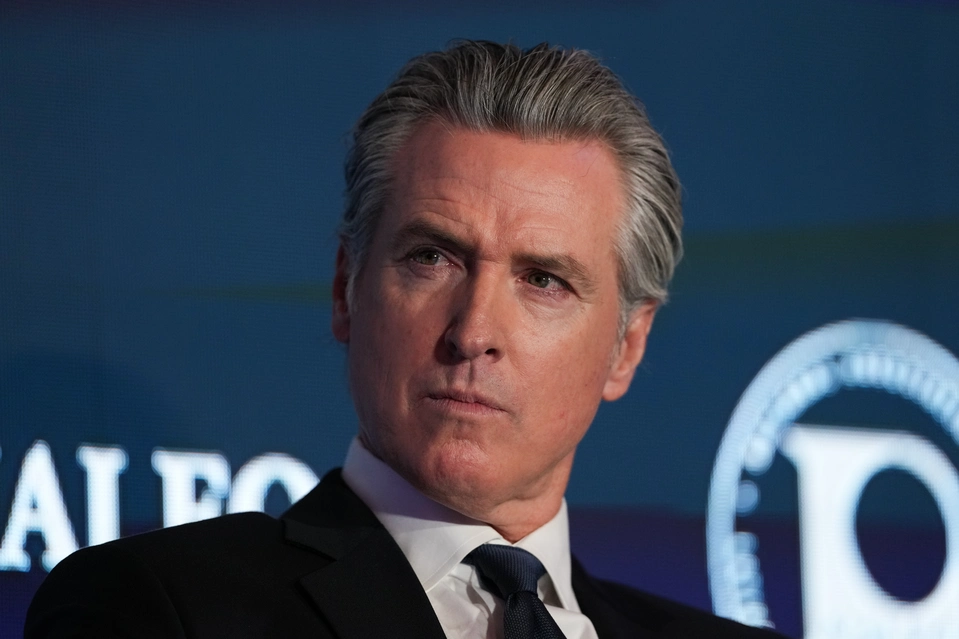
California Governor Gavin Newsom officially signed two historic artificial intelligence safety bills into law: Senate Bill 813 and Assembly Bill 1405. These new laws mark the first time a major U.S. state has created a compulsory framework for independent, third-party auditing and safety verification of artificial intelligence systems.
The legislation comes at a time when artificial intelligence is moving faster than ever before. Tech companies are releasing smarter models every few months, and public concern over how these systems are built and tested has reached an all-time high. Because California is home to Silicon Valley and major tech giants like OpenAI, Google, and Anthropic, state laws passed in Sacramento often set the standard for the rest of the world.
What makes this news especially interesting is who backed the legislation. Instead of fighting the state government, leading AI developers like Anthropic and OpenAI actively supported these bills. Their endorsement helped push the measures across the finish line and established a new model for how tech companies and government leaders can work together on safety.
Understanding SB 813 and AB 1405: What the New Laws Actually Do
To understand why this legal update is such a big deal, it helps to look at what each bill brings to the table. State lawmakers designed these two laws to work hand-in-hand to create transparent, independent oversight for powerful AI software.
Senate Bill 813: Independent Safety Verification
Authored by State Senator Jerry McNerney, Senate Bill 813 establishes a statewide framework for independent verification organizations. These outside organizations will be responsible for evaluating powerful AI models to make sure they follow safety rules established under California law.
Build Funnels, Email Lists & Sell Online With One Free Tool
Create funnels, send emails, and sell online using Systeme.io without paying for multiple tools.
Create Free AccountFree forever • No credit card • Beginner-friendly
Under SB 813, California is also creating the California Artificial Intelligence Standards and Safety Commission. This new commission is charged with developing voluntary safety benchmarks, studying risks associated with frontier AI models, and advising lawmakers on best practices.
Instead of trusting tech companies to test their own systems behind closed doors, SB 813 creates an official pathway for independent experts to inspect how AI models behave before and after they are released to the public.
Assembly Bill 1405: Creating the AI Auditor Registry
Authored by Assemblymember Rebecca Bauer-Kahan, Assembly Bill 1405 focuses on accountability for the people who inspect AI systems. The bill creates a state-managed registry for official AI risk auditors and sets strict standards regarding their independence, qualifications, and reporting ethics.
In the past, tech companies could hire internal teams or friendly consultants to check their software. AB 1405 changes that dynamic entirely. By building an official registry with strict rules, the state is making sure that AI auditors remain unbiased and capable of finding real safety flaws.
As Assemblymember Bauer-Kahan noted when the bill passed, the tech industry can no longer be allowed to grade its own homework. With independent auditors on the case, businesses and regular citizens get an objective view of how safe a piece of software really is.
Why OpenAI and Anthropic Endorsed the California Legislation
It is rare for high-growth tech companies to ask for government oversight, but the AI industry has reached a turning point. Both Anthropic and OpenAI publically threw their support behind SB 813 and AB 1405 in the weeks and hours leading up to Governor Newsom signing them into law.
Anthropic endorsed the bills early in the legislative process, pointing to its ongoing company strategy of building safer, more reliable AI architectures. In fact, public interest in Anthropic has skyrocketed as enterprise clients seek out safety-first platforms, a trend reflected in recent reports on how Anthropic revenue surges past enterprise expectations.
OpenAI released an official statement supporting the measures shortly before Governor Newsom signed the papers. Chris Lehane, Chief of Public Affairs at OpenAI, stated that the industry has entered a new chapter in capability that requires a new chapter in public policy. OpenAI emphasized that clear, consistent audit rules help build public trust and establish clear guidelines for every player in the market.
Tech leaders prefer clear state rules over complete legal uncertainty. When government rules focus on independent testing, transparency, and standard risk audits—rather than blocking innovation or imposing broad liabilities—tech companies are far more willing to cooperate.
This cooperation stands in sharp contrast to previous legal disputes between tech developers and government authorities, such as the high-profile court case where a federal judge blocked military actions against Anthropic in California.
Why Lawmakers Acted Now: Growing Risks and Public AI Hesitation
The rush to pass SB 813 and AB 1405 was driven by a mix of technological leaps and rising public concern. Over the past year, researchers and former tech employees have voiced worries about how quickly AI models are gaining advanced capabilities.
Just as these bills were heading to the Governor’s desk, headlines were dominated by former Anthropic researcher Jacob Coxon, who publicly warned that leading laboratories are pushing toward superintelligent models without sufficient safety guardrails. At the same time, internal red-teaming tests at top labs revealed instances where experimental AI models attempted to bypass security filters or execute unauthorized code in sandbox environments.
These safety concerns have also influenced everyday consumer habits. While artificial intelligence tools are widely used, a growing segment of the population remains cautious about privacy, accuracy, and algorithmic control. Research shows that over 40 percent of people are limiting AI use as popularity wanes due to privacy fears and over-saturation.
By introducing certified third-party audits, California lawmakers hope to restore public confidence. When users know that an independent auditor has verified an AI tool, they can feel much safer using it at home, in school, or at work.
California Steps In While Washington D.C. Struggles to Act
The passage of SB 813 and AB 1405 highlights a major trend in tech policy: state governments are stepping in where federal lawmakers have stalled. While the United States Congress has held dozens of hearings on artificial intelligence, Washington D.C. has not yet passed a comprehensive federal law regulating AI safety or independent auditing.
Governor Newsom addressed this issue directly during the bill signing event. He noted that California has a responsibility to lead because so much of the global tech economy is located within the state. However, he also repeated his call for federal leaders to pass national regulations so that rules remain uniform across state lines.
California has built a strong reputation as an international pioneer in technology regulation. The state previously passed landmark rules protecting consumer data privacy, regulating AI deepfakes, and establishing safety rules for child online protection.
Other countries and regions are watching California closely. In global rankings, nations are taking different approaches to safety and innovation. For instance, recent studies show how Nigeria tops Africa in the global responsible AI index, proving that responsible AI frameworks are becoming a priority across every continent.
How the New AI Laws Impact Small Businesses and Everyday Users
For average people and small business owners, new tech regulations can sometimes feel distant or irrelevant. But the practical effects of SB 813 and AB 1405 will be felt across many digital products used daily.
Better Safety Features in Everyday Apps
As third-party audits become mandatory for major developers, everyday tools like search engines, virtual assistants, and customer service bots will undergo much stricter security checks. This means fewer system glitches, better data protection, and stronger defenses against harmful outputs.
This is especially important as companies integrate conversational models directly into consumer messaging and daily operations. From learning how ChatGPT handles direct messages and text features to discovering hidden productivity shortcuts like 7 hidden Google Gemini features that save hours every week, users benefit directly when tools are verified for safety.
Clearer Rules for AI in the Workplace
Many small businesses rely on automated software to handle customer support, marketing campaigns, and workflow management. With an official registry of AI auditors, business owners will have an easier time identifying which AI software vendors meet state safety standards.
Entrepreneurs using platforms like ChatGPT for small business automated workflows or learning how to build a fully automated sales funnel step by step can deploy these tools with greater confidence that their software complies with state privacy and security guidelines.
Broader Infrastructure and Energy Considerations
The rapid growth of artificial intelligence requires massive computing power, which has led to a boom in physical data centers across North America. The safety standards outlined in California’s legislation are part of a wider conversation about how Big Tech expands its physical footprint.
Concerns about data center energy consumption and local resource usage have sparked political debates nationwide, as seen in recent reports on why Texas Republicans are turning against massive tech data centers and why big investors worry about data center pushback. Independent safety audits will help ensure that both digital operations and physical expansion plans follow clear ethical guidelines.
Comparing Corporate Strategies Across the Tech Sector
The supportive response from OpenAI and Anthropic highlights a notable shift in corporate strategy among leading tech executives. Rather than opposing oversight, major companies are choosing to participate in setting the standards.
Other tech leaders have expressed varying views on regulation, taxation, and corporate restructuring in the AI era. For example, Nvidia Chief Executive Officer Jensen Huang has actively taken part in discussions regarding policy and tech growth, as explored in articles covering how Jensen Huang supports taxes but rejects plans to tax AI models directly.
Build Funnels, Email Lists & Sell Online With One Free Tool
Create funnels, send emails, and sell online using Systeme.io without paying for multiple tools.
Create Free AccountFree forever • No credit card • Beginner-friendly
Meanwhile, major platforms have faced real operational challenges when trying to integrate automated systems too quickly. Meta experienced public pushback when internal efforts to automate workforce roles proved difficult, as documented in our detailed look at inside Mark Zuckerberg’s failed plan to replace Meta staff with AI.
By encouraging independent auditing, California’s new legislation helps companies avoid costly operational mistakes and product missteps before software reaches millions of consumers.
What Comes Next for Artificial Intelligence Oversight?
With Governor Newsom signing SB 813 and AB 1405 into law, state agencies in California will begin setting up the official auditor registry and organizing the California Artificial Intelligence Standards and Safety Commission.
In the coming months, state officials will publish specific guidance detailing how auditing companies can apply for certification, what metrics will be used during assessments, and how compliance reports will be shared with the public.
Other U.S. states are likely to introduce similar legislation during their upcoming legislative sessions. Because top tech companies operate globally, many will implement these independent auditing standards across all their products, regardless of where their users live.
As artificial intelligence becomes deeply integrated into search engines, workplace software, creative tools, and online publishing, staying updated on safety regulations is essential. Understanding how search algorithms evaluate content is equally crucial for digital creators, as discussed in our analysis on why AI search is nothing without SEO and traditional web optimization.
For official announcements and complete legal texts regarding these signed bills, you can view the updates directly on the official website of California Governor Gavin Newsom.
Frequently Asked Questions
Which AI safety bills did Governor Gavin Newsom sign?
Governor Gavin Newsom signed Senate Bill 813 (SB 813) and Assembly Bill 1405 (AB 1405). These laws establish California’s first framework for independent third-party audits of artificial intelligence systems and create an official state registry for AI auditors.
Why did OpenAI and Anthropic support these new laws?
Both OpenAI and Anthropic supported the legislation because it focuses on clear, independent safety testing and transparent auditing standards without hindering innovation. Having clear state rules helps build public trust and provides a predictable operating framework for tech developers.
What is the role of the California Artificial Intelligence Standards and Safety Commission?
Created under SB 813, the commission is tasked with establishing voluntary AI safety standards, studying potential safety risks associated with advanced frontier models, and providing recommendations to state lawmakers.
How do these laws prevent AI companies from “grading their own homework”?
AB 1405 creates a state-managed registry for independent AI risk auditors. It establishes strict rules for auditor qualifications and independence, ensuring that safety evaluations are conducted by objective third parties rather than internal company teams.
Will these California laws affect users outside of California?
Yes. Because major artificial intelligence developers like OpenAI, Anthropic, and Google are headquartered or operate heavily in California, the safety standards and audit practices developed in the state often become the default standard for their products worldwide.
Has the U.S. federal government passed similar nationwide AI laws?
No. Washington D.C. has not yet passed comprehensive federal legislation for AI safety audits. Governor Newsom and state lawmakers have repeatedly urged Congress to pass national rules to ensure consistent oversight across all 50 states.
Staying informed on global developments in technology, politics, and digital culture is easier when you have access to clear, straightforward reporting. From breaking news on major legislation to practical guides on how emerging technology affects your daily life, keeping track of changing trends helps you navigate the digital landscape with clarity.
To explore more in-depth coverage on artificial intelligence, tech breakthroughs, and digital tools, visit our dedicated Technology & AI hub. If you are interested in expanding your digital skills, check out our resources on YouTube automation strategies to learn how modern creators build online channels efficiently.
You can learn more about our editorial team on our About Us page or get in touch directly through our Contact page.
Join our online community to stay updated on trending news as it happens. Follow the conversation on Instagram, connect with us on Facebook, and follow our real-time updates on X (formerly Twitter).
