
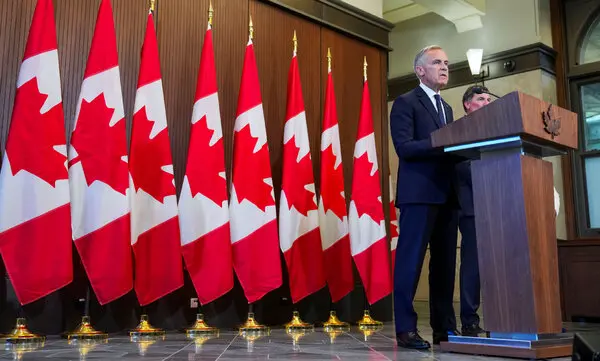
The trade relationship between North America’s two largest neighboring countries just hit a major bump in the road. Canada officially announced a massive package of retaliatory counter-tariffs on American goods, ranging from 15% all the way up to 50%. The bold move comes right on the heels of the United States government imposing its own 50% import duties on Canadian products.
These new Canadian counter-tariffs will officially kick in on September 8. Canadian officials confirmed that the new tax rates are designed to match the US tariffs dollar for dollar, affecting over $20 billion worth of American products entering the country. From household electronics and everyday grocery items to heavy building materials, the new rules will impact a massive variety of industries across both sides of the border.
What Triggered This Major Trade War Between Allies?
For decades, Canada and the United States enjoyed one of the closest economic and trading relationships in the world. Millions of products, raw materials, and components cross the border every single day without major issues. However, recent high-stakes economic negotiations between the two nations broke down at the last minute.
The disagreement started when American negotiators introduced a series of new requirements that Canadian leaders found unacceptable. Canadian Prime Minister Mark Carney explained that the proposed agreement was simply a bad deal for Canadians. According to Carney, the US side was asking for massive concessions while offering very little in return.
Among the contentious points were American demands that Canada place limits on its independent trade negotiations with other global nations. US negotiators also made demands that threatened cultural protections in Canada, particularly regarding the French language and local culture in Quebec. When Canada refused to accept these terms, the US government moved forward with heavy 50% tariffs on Canadian steel, aluminum, and key manufacturing goods.
The $0 Secret To Launching Your Entire Online Empire
Why pay hundreds every month for separate software? Build funnels, send emails, and make sales with Systeme.io completely free.
Get Started For $0Free Forever • No Credit Card Needed • Beginner-Friendly
Canada decided that standing by quietly was not an option. Finance Minister Francois-Philippe Champagne stated clearly that Canada needed to respond in a way that was proportionate, targeted, and strategic. By matching the US tariffs dollar for dollar, Canada aims to defend its economic sovereignty and push back against unfair trade pressure.
Breaking Down the New Tariff Rates: What American Products Are Affected?
Canada’s government released a comprehensive hit list containing over 700 individual American products that will face higher import taxes starting in September. The retaliatory tax rates fall into three main categories depending on the product type and industry.
The heaviest hit falls on American metals. US steel and aluminum products that previously faced a 25% duty in Canada will now see that rate jump straight up to 50%. This massive increase targets key raw materials and industrial goods shipped north from US factories.
The second group faces a 25% tariff rate. This middle category covers a huge variety of common consumer products and grocery items. Home appliances like dishwashers, washing machines, and dryers made in the US will carry this extra charge. Popular grocery items like American cheese, various dairy products, and processed foods are also on the 25% list, along with everyday household paper goods like paper towels and toilet paper.
The third category carries a 15% tariff. This smaller tier focuses mainly on tools, electrical equipment, and specialized machinery components. In addition to these categories, other popular consumer goods made in the US, including smartphones, personal cosmetics, and both fresh and frozen fish, will face significant new taxes when entering Canadian store shelves.
How the Trade War Impacts Everyday Consumers and Businesses
When two major economic powerhouses start slapping tariffs on each other’s goods, ordinary people usually end up paying the price. Tariffs are essentially taxes paid by importing companies when goods cross a border. When an import tax goes up, companies almost always pass those extra costs down to everyday shoppers.
Canadian consumers will likely see noticeable price hikes on American-made items at local retail stores. A new dishwasher manufactured in the US, for example, will cost significantly more to stock, forcing appliance stores to increase retail prices. Similarly, everyday items in the grocery aisle, like imported American cheeses or packaged goods, could quickly become noticeably more expensive.
On the American side, businesses that rely heavily on exporting goods to Canada face a tough road ahead. Canada is the second-largest buyer of American goods in the entire world. As Canadian buyers look for cheaper alternatives from local producers or other international suppliers, many American manufacturers could see their orders drop sharply.
The geographic regions closest to the border will likely feel the hardest hit. Manufacturing hubs in American states that rely on Canadian supply chains are preparing for severe disruptions. Meanwhile, Canadian provinces like Ontario, Quebec, and New Brunswick are working hard to protect their local factory workers and agricultural producers from the fallout.
Canada’s $5.4 Billion Aid Package to Support Local Industries
Recognizing that a trade war carries real financial risks for local workers and business owners, Canada’s federal government announced a major support plan alongside the counter-tariffs. The Canadian government is rolling out a $5.4 billion USD (approximately CA$7.5 billion) relief package designed to cushion the blow.
This massive aid package will go directly toward helping affected companies, factory teams, and local workers navigate the economic disruption. The financial aid aims to keep businesses operational, prevent layoffs in vulnerable manufacturing sectors, and help companies find new markets for their products.
At the same time, Canadian Industry Minister Melanie Joly issued a strong call for citizens to support local businesses whenever possible. By choosing Canadian-made alternatives over imported US items, local shoppers can help keep the domestic economy strong.
Canadian trade officials are also actively looking beyond North America. Government leaders have pledged to strengthen commercial ties with new global allies and trading partners in Europe, Asia, and Latin America. By diversifying trade routes, Canada hopes to reduce its economic dependence on the US market over the long run.
The Fiery Political Responses from Leaders
The political rhetoric surrounding this trade conflict has reached a high level of intensity. Leaders on both sides of the border have traded sharp words in press conferences and public statements.
Canadian Prime Minister Mark Carney held a firm line regarding his government’s decision to walk away from trade negotiations. Carney publicly noted that American negotiators appeared to view Canada as a subsidiary of the United States rather than an equal partner. He emphasized that Canada is an independent country that will not accept bad deals or economic intimidation.
Send, Spend & Hold Money Worldwide Without Hidden Fees
Transfer money internationally at the real exchange rate and hold 40+ currencies in one account.
Open a Wise AccountMid-market rate • Fast transfers • 40+ currencies
The political reaction at the provincial level has been equally intense. Ontario Premier Doug Ford voiced strong outrage over threats from Washington to double import taxes on Canadian automobiles to 50%. Ford publicly criticized the aggressive tactics and suggested Canada could consider imposing surcharges on clean electricity exported to American states if the conflict escalates further.
From the White House, President Donald Trump maintained a tough public stance, defending the decision to tax Canadian goods. Trump argued that previous trade policies were unfair to American business owners, accusing Canada of discriminatory treatment regarding US dairy products, alcohol, and automobiles. The tone between both sides remains tense, with analysts warning that further escalation could happen if negotiations do not resume soon.
How Modern Technology and Digital Tools Help Businesses Survive Economic Shifts
Moments of major economic uncertainty highlight the importance of adaptability. When traditional physical trade pathways face tariffs, rising costs, and geopolitical friction, many forward-thinking entrepreneurs turn to digital opportunities that operate beyond physical borders.
Modern digital tools allow businesses and individuals to reach global audiences without worrying about shipping physical inventory across international checkpoints. Exploring modern shifts in technology and AI shows how companies are using artificial intelligence to streamline operations, reduce overhead costs, and find new international markets online.
For individuals looking to build flexible income streams, digital media and online platforms offer strong alternatives. Strategy models like YouTube automation give creators and entrepreneurs a way to build scalable digital businesses that generate global revenue regardless of physical trade barriers or traditional supply chain problems. Building digital assets provides a valuable buffer when traditional economic sectors experience volatility.
What This Means for the Global Economy Moving Forward
This trade conflict between North American allies carries broader implications for the global economy. For years, free trade agreements like the US-Mexico-Canada Agreement (USMCA) provided stability for international investors and regional supply chains. The current breakdown shows how quickly trade dynamics can shift when political negotiations stall.
If high tariffs remain in place for an extended period, global supply chains will need to adapt. International companies may move production facilities to countries with more predictable trade agreements. Additionally, higher import duties usually contribute to sticky inflation, making it harder for central banks to lower interest rates and boost economic growth.
Economic analysts are keeping a close eye on whether both sides will return to the negotiating table before the September 8 deadline. While both nations have expressed a willingness to talk under the right conditions, both sides remain committed to their current stances for now.
Frequently Asked Questions (FAQs)
When do Canada’s new counter-tariffs take effect?
The retaliatory counter-tariffs announced by the Canadian government officially take effect on September 8. This start date matches the timeline outlined after the new US tariffs were introduced.
Which US products will see the highest price increases?
American steel and aluminum products will face the highest tariff rate at 50%. Everyday consumer items like dishwashers, washing machines, cheese, dairy items, and cosmetics will face 25% tariffs, while power tools and electrical equipment will carry 15% tariffs.
The $0 Secret To Launching Your Entire Online Empire
Why pay hundreds every month for separate software? Build funnels, send emails, and make sales with Systeme.io completely free.
Get Started For $0Free Forever • No Credit Card Needed • Beginner-Friendly
Why did trade negotiations between Canada and the US collapse?
Negotiations collapsed after the US introduced last-minute demands that Canadian leaders found unacceptable. These demands included restrictions on Canada forming trade agreements with other nations and threats to cultural protections in Quebec.
How does this trade war affect everyday Canadian shoppers?
Canadian shoppers will likely see price increases on American-made consumer goods, household appliances, and imported groceries as retail stores adjust to higher import taxes.
What is Canada doing to help impacted workers and companies?
The Canadian government unveiled a $5.4 billion USD (CA$7.5 billion) relief package to support impacted workers, factories, and businesses, while encouraging citizens to buy locally produced Canadian goods.
Looking Ahead in North American Trade
The coming weeks will prove critical for the future of North American commerce. As the September 8 implementation date approaches, both Canadian and American business communities are watching closely to see if political leaders can find a path toward compromise.
If you want to know more about our editorial mission, check out our about us page. For questions, suggestions, or media inquiries, feel free to visit our contact team page to send us a message directly.
Stay connected with our latest updates, breaking news coverage, and trending insights across our official social channels on Instagram, Facebook, and X (Twitter).
