
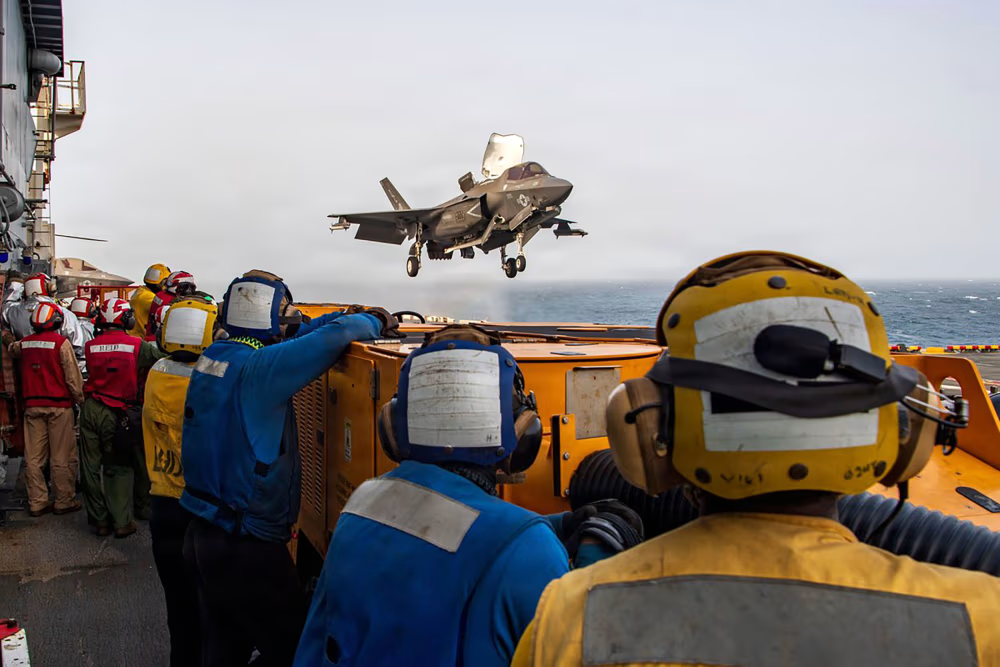
The U.S. Senate has officially voted down a bipartisan resolution demanding an immediate halt to American military operations in Iran. The vote marks another dramatic chapter on Capitol Hill as lawmakers debate executive war powers and foreign military intervention. While a few coalition members attempted to bridge party divides, the overwhelming majority of Senate Republicans voted against the measure, choosing to stand behind Donald Trump and his current foreign policy stance.
This rejection gives the White House continued leverage to direct military action across the region without new legislative restrictions. The debate before the vote was tense, revealing deep divides over how long American troops should remain engaged and who holds the ultimate key to declare war. The decision comes at a critical time, as global energy markets react to instability in key trade corridors and voters closely track how foreign actions affect domestic life.
With Capitol Hill locked in intense debate, understanding how this vote unfolded, why party loyalty remains strong, and what this outcome means for the conflict moving forward is essential.
Inside the Senate Vote: How the War Powers Resolution Fell Short
The Senate vote focused on a War Powers Resolution meant to force a withdrawal of U.S. forces from active conflict against Iranian targets within thirty days unless Congress provided an explicit declaration of war. Sponsors argued that prolonged engagement without direct Congressional approval violates Constitutional principles and risks pulling the country into an endless regional war.
When the final tally came in, the resolution fell well short of the sixty-vote threshold needed to overcome a filibuster. Senate leadership ensured that party discipline held strong among key members. Most Democrats voted in favor of constraining military action, arguing that military engagement has expanded far beyond initial defensive parameters. Meanwhile, nearly all Senate Republicans banded together to defeat the motion.
The $0 Secret To Launching Your Entire Online Empire
Why pay hundreds every month for separate software? Build funnels, send emails, and make sales with Systeme.io completely free.
Get Started For $0Free Forever • No Credit Card Needed • Beginner-Friendly
This outcome follows previous legislative battles in the Capitol. Lawmakers previously watched as the U.S. House voted for a third time to force an end to the Iran war, only for those efforts to stall in the Senate. The rejection in the upper chamber underlines the political divide between the two houses of Congress and highlights how difficult it is for war opponents to build a veto-proof majority.
Why Most Republicans Are Standing Firm Behind Donald Trump
Party unity played a decisive role in stopping the Senate resolution. For most Senate Republicans, breaking rank on a high-profile national security vote carries major political risks. Supporting Donald Trump’s foreign policy approach remains a core expectation within the party, especially as upcoming midterm elections approach.
Party strategists emphasize that presenting a unified front is crucial for retaining voter confidence. Trump has repeatedly voiced strong disapproval of lawmakers who attempt to limit his authority as commander-in-chief, making it clear that dissent on major defense votes could lead to primary challenges back home. While a small minority of conservative figures, such as GOP Representative Thomas Massie moving to impeach Defense Secretary Pete Hegseth, have voiced strong opposition, Senate Republicans have generally avoided breaking ranks.
Instead, Republican senators argue that limiting executive power during an active crisis sends a signal of weakness to foreign adversaries. They maintain that the president must have full flexibility to respond to incoming threats, protect military personnel, and secure strategic locations. This argument successfully kept almost all GOP senators on board, ensuring the resolution was defeated soundly.
Political analysts also point to campaign dynamics. As Donald Trump promises a full campaign blitz for midterms, Republican leaders want to maintain momentum and show voters that the party stands firmly behind its platform. Voting down the war powers resolution reinforces that message of party unity.
The Constitutional Debate: War Powers vs Executive Authority
The clash in the Senate highlights a constitutional disagreement that has spanned decades. Under the U.S. Constitution, Congress holds the sole power to declare war, while the president serves as the commander-in-chief of the armed forces. Balancing these two responsibilities has often led to intense legal and political battles.
Arguments for Congressional Control
Supporters of the resolution argue that the War Powers Resolution of 1973 was explicitly crafted to prevent presidents from conducting prolonged military campaigns without Congressional authorization. They contend that ongoing strikes, naval operations, and military deployments require an official vote from elected representatives.
Advocates assert that checking executive power ensures that the American public, through their elected leaders, has a direct voice in decisions that risk American lives and taxpayer resources.
Arguments for Executive Flexibility
Opponents, including White House legal advisers and conservative lawmakers, argue that Article II of the Constitution gives the president inherent authority to use military force to defend national security interests and protect military personnel from imminent threats.
They claim that requiring Congressional approval for every tactical step would paralyize military leadership and endanger service members. Because neither side is willing to back down, these legal arguments continue to surface whenever military operations expand.
What the Vote Means for Military Strategy in the Middle East
The rejection of the resolution allows military planners to maintain current operational strategies across the region without legislative interruptions. Commanders can proceed with planned deployments, patrol key waterways, and carry out targeted strikes as deemed necessary by defense leadership.
For months, the situation in the region has remained unpredictable. Airstrikes, drone operations, and naval skirmishes have kept military forces on high alert. White House officials have maintained that current actions are necessary to deter aggression and protect international shipping corridors. The defeat of the resolution gives the administration full freedom to continue its current posture.
As seen in recent months, Trump stands firm on the Iran war with no regrets, doubling down on economic sanctions and naval enforcement. The Senate vote ensures that this strategy will not face legislative restrictions in the near future.
However, military experts note that sustained operations bring operational challenges, including resource allocation, troop readiness, and potential escalation risks. Without a clear legislative framework specifying long-term objectives, the administration will need to continue justifying its military decisions directly to the public.
Economic Impact and Global Energy Markets
Military decisions in the Middle East always create immediate ripples across global financial and energy markets. The rejection of the Senate resolution signals to global markets that military operations will continue, which can influence energy pricing and trade dynamics worldwide.
Send, Spend & Hold Money Worldwide Without Hidden Fees
Transfer money internationally at the real exchange rate and hold 40+ currencies in one account.
Open a Wise AccountMid-market rate • Fast transfers • 40+ currencies
Key shipping routes, such as the Strait of Hormuz, remain central to global oil transportation. Whenever conflict flares up in these narrow channels, shipping companies face increased insurance costs, longer travel routes, and potential delays. Reports show that US and Iran trade air attacks in the Strait of Hormuz, directly affecting maritime traffic and global energy delivery.
When conflict escalates, energy markets react quickly. Higher crude oil prices lead directly to increased fuel costs at the pump for everyday drivers, as well as rising transportation costs for goods and services. This creates inflationary pressure across multiple sectors of the economy.
International trade partners are also watching closely. Allied nations that rely on stability in regional shipping lanes are adjusting their own trade and security policies. The continuation of military operations without a fixed timeline keeps market analysts and international traders on high alert.
How Everyday Voters and Public Opinion Are Responding
While politicians debate on Capitol Hill, public opinion across the nation presents a complex picture. Voters are paying close attention to how foreign policy choices impact their daily lives, particularly regarding household expenses and national security.
Polling data indicates that public sentiment is divided. Some citizens believe that strong military action is essential to protect national interests and deter hostile actions against allies. Others express growing concern over the financial cost of sustained military operations and the potential for a prolonged conflict.
Local political dynamics reflect these concerns. In key swing states, voters are evaluating how leadership choices affect both foreign relations and domestic economic conditions. For instance, reports indicate that Arizona voters give record low approval marks over the economy and Iran conflict, demonstrating how foreign policy decisions can shape voter attitudes at home.
As political parties prepare for upcoming elections, both sides will continue trying to shape the narrative around the conflict. Democrats will likely keep pushing for diplomatic solutions and legislative oversight, while Republicans will emphasize strength, defense readiness, and party alignment.
International Alliances and Foreign Government Reactions
The Senate vote has also drawn reactions from foreign capitals across the globe. Regional allies, international coalitions, and global powers are analyzing what the continued U.S. military presence means for their own security strategies.
Allied nations in the Middle East generally welcome the reassurance of American military support, seeing it as a crucial counterweight to regional aggression. They rely on defense partnerships to secure trade routes and maintain regional balance.
On the other hand, non-aligned global alliances are viewing the situation through a different lens. As the Gulf conflict escalates and Tehran responds, foreign leaders are weighing the broader impact on international law, global diplomacy, and trade agreements.
The $0 Secret To Launching Your Entire Online Empire
Why pay hundreds every month for separate software? Build funnels, send emails, and make sales with Systeme.io completely free.
Get Started For $0Free Forever • No Credit Card Needed • Beginner-Friendly
European partners have expressed mixed views, with some calling for renewed diplomatic efforts to prevent further escalation, while others support defensive measures aimed at protecting global supply chains. The Senate decision clarifies that the U.S. administration will retain full operational flexibility, leaving foreign governments to adjust their diplomatic strategies accordingly.
Tech, AI, and Modern Warfare in the Middle East
Modern military conflict looks very different today than it did in decades past. Advanced technology, artificial intelligence, and automated defense systems now play a central role in intelligence gathering, drone operations, and strategic planning.
To understand how modern defense systems operate, many observers look to broader developments in technology and AI. Modern defense forces utilize automated algorithms to analyze satellite imagery, track real-time communications, and monitor shipping corridors. These technologies allow commanders to make rapid decisions in high-stakes environments.
Media coverage and digital commentary have also evolved. Online platforms, automated video content, and digital news channels distribute real-time updates faster than ever. Creators who focus on youtube automation and digital publishing are producing educational content and news breakdowns to help millions of viewers understand complex geopolitical events as they happen.
As artificial intelligence and automated systems become even more integrated into defense protocols, lawmakers will face new questions about how oversight applies to automated decision-making in conflict zones. The debate over legislative control will inevitably expand to cover how high-tech warfare is authorized and monitored.
Looking Ahead: What Comes Next for Congress and the White House?
With the Senate resolution defeated, the immediate legislative path for war power restrictions appears closed. However, Congressional debates over foreign policy and defense budgets are far from over.
Opponents of the war effort are expected to pursue alternative routes to assert influence. Lawmakers may try to attach defense spending limits to upcoming budget bills or require detailed administration reporting on military progress and objectives. These funding battles will likely become the next major battleground for legislative oversight.
Meanwhile, White House officials will continue managing operations while keeping an eye on public opinion and market stability. As the conflict continues, maintaining a balance between military objectives and domestic economic stability will remain a major priority.
The outcome of the Senate vote makes one thing clear: for now, the administration retains full authority to direct military strategy in the region. How that authority is used in the months ahead will shape foreign policy, domestic politics, and global market stability for a long time to come.
Frequently Asked Questions (FAQs)
What was the main purpose of the Senate War Powers Resolution?
The resolution was designed to direct the president to remove U.S. military forces from active operations against Iran within thirty days, unless Congress issued a formal war declaration or specific legislative authorization.
Why did most Senate Republicans vote against the resolution?
Most Republican senators voted against the measure to support Donald Trump’s executive authority, maintain party unity ahead of upcoming midterms, and prevent what they viewed as a restriction on defensive capabilities.
Can Congress still block military funding for the conflict?
Yes. While war powers resolutions are difficult to pass, Congress holds the power of the purse. Lawmakers can attempt to add restrictions or limit funding through upcoming defense appropriations and budget legislation.
How does this vote affect global energy and oil prices?
By allowing military operations to continue without legislative limits, the vote signals ongoing operational presence in key energy corridors like the Strait of Hormuz. This can contribute to market volatility and impact global fuel prices.
How does the War Powers Act of 1973 factor into this vote?
The War Powers Act of 1973 was created to give Congress a mechanism to limit executive military action. However, passing resolutions under the act requires strong majorities that can overcome procedural filibusters and potential presidential vetoes.
The Future Outlook on Capitol Hill and Beyond
The Senate’s decision to reject the War Powers Resolution confirms that current foreign policy strategy will proceed without new legislative conditions. By keeping party lines intact, Republican leadership ensured that Donald Trump maintains full executive flexibility over military operations in the region.
As the situation develops, both lawmakers and everyday citizens will keep close track of how military choices shape economic realities and domestic politics. Staying informed about critical national security decisions helps everyone better understand the broader world around us.
To learn more about our mission and stay up to date with the latest global news, feel free to visit our about page or get in touch through our contact page. You can also follow our official social channels on Instagram, Facebook, and X for real-time updates on stories that matter.
