
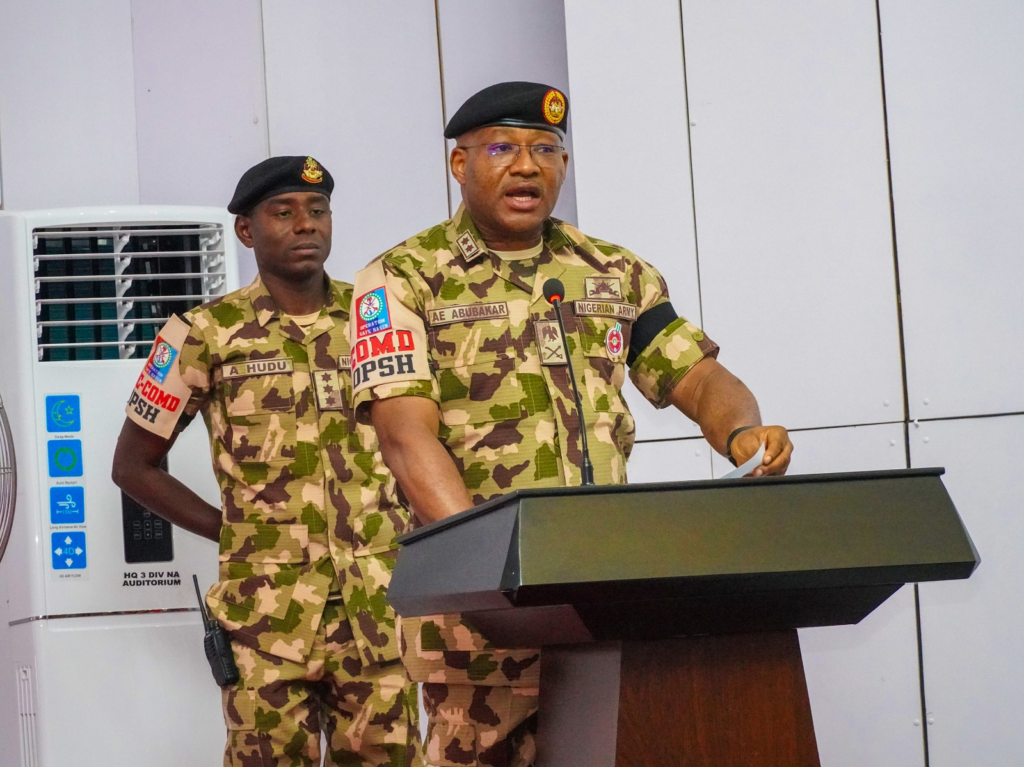
President Bola Ahmed Tinubu has approved a major salary increase for the Nigerian Armed Forces. This decision has pushed the total military wage bill to a massive N924 billion. This significant increase highlights a clear shift in how the government handles military spending and staff welfare.
The decision comes at a time when Nigeria faces serious security challenges across different regions. Frontline soldiers battle insurgents in the northeast, bandits in the northwest, and crude oil thieves in the Niger Delta. Paying troops better has become one of the top talking points in the national budget conversation.
At WhatsBuzzn, our mission is to break down big news stories so everyone can understand what is happening in Nigeria and around the world. Let us take a clear look at what this N924 billion salary package means, why it was approved, and how it affects everyday citizens.
Breaking Down the N924 Billion Military Salary Bill
The N924 billion figure represents the annual personnel cost for the Nigerian Armed Forces. This includes the Nigerian Army, the Nigerian Navy, and the Nigerian Air Force. Personnel cost is the official term for money set aside strictly for salaries, basic allowances, and troop welfare packages.
For many years, military officers and security experts pointed out that army pay was falling behind standard living costs. The government decided to adjust the overall pay scale to match current economic realities.
The $0 Secret To Launching Your Entire Online Empire
Why pay hundreds every month for separate software? Build funnels, send emails, and make sales with Systeme.io completely free.
Get Started For $0Free Forever • No Credit Card Needed • Beginner-Friendly
Where the Money Goes
The total amount covers direct salaries for hundreds of thousands of active serving officers and men. It also supports specialized allowances for troops deployed to dangerous operational zones.
- Basic monthly salaries for all active personnel across the Army, Navy, and Air Force.
- Tactical deployment allowances for soldiers stationed in active combat zones across the country.
- Specialized technical allowances for military engineers, medical personnel, mechanics, and pilots.
- Hazard pay for personnel working in high-risk environments every day.
According to official reporting from major news outlets like Punch Newspaper, defense spending takes up a substantial share of Nigeria’s federal budget. With inflation raising food and housing prices across the nation, increasing military wages became an urgent priority for the federal government.
Why President Tinubu Approved the Salary Boost
President Bola Ahmed Tinubu approved the pay raise as part of a wider plan to strengthen national security. Boosting the pay of defense forces is aimed at achieving several clear goals.
Improving Troop Morale on the Frontlines
Soldiers often spend many months away from their families in tough and dangerous remote areas. When soldiers know their families back home are financially stable, they can focus much better on their duties.
High morale leads to better discipline, higher productivity, and stronger commitment during field operations. Low pay, on the other hand, can cause frustration and lower motivation among young recruits.
Fighting Inflation and High Living Costs
Nigeria has experienced high inflation in recent times. This inflation has reduced the purchasing power of average workers across every state. Armed forces personnel face the exact same market prices as everyone else when buying food, paying rent, or sending their children to school.
By increasing salaries, the government aims to cushion the effect of rising market prices on military families. This step aligns with general wage reviews happening across various sectors of the public service.
Attracting and Keeping Skilled Personnel
Modern defense relies heavily on skilled professionals. The military needs software specialists, mechanics, cybersecurity experts, doctors, and engineers. Private companies often offer higher salaries to these technical experts.
Better pay helps the armed forces retain skilled talent instead of losing them to private businesses. As digital tools become central to security operations, understanding modern topics like technology and AI is becoming essential for modern defense strategies.
How the Pay Hike Affects Everyday Soldiers and Their Families
For a long time, many lower-ranking soldiers complained that their monthly take-home pay was too small to cover basic family needs. This pay hike directly changes how much money enters the bank accounts of service members each month.
Better Financial Security for Military Households
When a soldier earns a steady and reasonable salary, it lowers financial strain on their entire household. Spouses can manage monthly household budgets better, and children can stay in school without interruption.
This stability is essential because military life already carries a lot of emotional stress due to frequent deployments. Reducing financial worry allows military families to live with greater peace of mind.
Reduction in Misconduct and Desertion
Financial pressure can sometimes drive workers toward bad behavior or quitting their service early. When personnel feel valued and paid fairly, cases of desertion and corruption drop significantly.
Better pay creates higher accountability. Soldiers know they have a good job to protect, which encourages better conduct both inside and outside the barracks.
Economic Impact: Balancing Security and the National Budget
Allocating N924 billion solely to military salaries is a huge commitment for the federal government. To understand the full picture, it helps to examine how this spending affects the wider economy.
Send, Spend & Hold Money Worldwide Without Hidden Fees
Transfer money internationally at the real exchange rate and hold 40+ currencies in one account.
Open a Wise AccountMid-market rate • Fast transfers • 40+ currencies
Security as an Investment in Economic Growth
An insecure nation struggles to grow its economy. Farmers cannot work on their land when security is poor in rural areas, and foreign investors avoid regions where safety is uncertain.
By investing N924 billion into military salaries, the government hopes to create a safer environment. When national security improves:
- Farmers can return to their fields safely, which helps bring down food prices nationwide.
- Oil production in the Niger Delta stabilizes, bringing in more government revenue.
- Local businesses and transport networks can operate safely without constant fear of disruption.
In this way, spending money on military welfare can actually help drive overall economic growth across the country over time.
The Challenge of High Government Expenses
On the other hand, economic analysts express concern about the rising cost of running the government. When a massive portion of the national budget goes toward salaries and recurrent expenses, less money remains for capital projects like roads, hospitals, power grids, and schools.
The government must carefully balance recurring payments like salaries with capital investments that build long-term national infrastructure. Reports from independent news organizations like Premium Times highlight the ongoing debate over managing national debt while meeting large payroll commitments.
Public Reactions to the Military Salary Hike
News of the N924 billion military salary allocation has sparked widespread discussion across news platforms and social media. People from various walks of life have shared different views on the government’s action.
Support from Security Experts and Veterans
Retired military officers and security analysts have largely praised the decision. They argue that soldiers risk their lives daily and deserve proper compensation for their hard work and sacrifice.
Many point out that keeping troops well-paid is standard practice in successful nations worldwide. A well-compensated military forms the backbone of a safe and stable society.
Calls for Similar Pay Raises in Other Sectors
While many people support the military pay hike, workers in other public sectors have raised questions. Teachers, civil servants, and healthcare workers argue that inflation affects every worker in the country, not just military personnel.
This response has led to calls for broader salary reviews across all civil service departments so that no group feels left behind during tough economic times.
The $0 Secret To Launching Your Entire Online Empire
Why pay hundreds every month for separate software? Build funnels, send emails, and make sales with Systeme.io completely free.
Get Started For $0Free Forever • No Credit Card Needed • Beginner-Friendly
The Rise of Digital Opportunities for Citizens
As living expenses remain a key focus for many Nigerians, people are constantly searching for ways to boost their personal income. Many young individuals are looking into online platforms and modern digital skills to build extra income streams.
For example, many people are exploring digital content creation and learning about YouTube automation to build side businesses alongside their regular jobs.
Frequently Asked Questions
How much did military salaries increase in Nigeria?
The total annual personnel cost for the armed forces reached N924 billion following the new salary structure approved by President Bola Ahmed Tinubu. The exact percentage increase for individual officers varies depending on rank, years of service, and specialized allowances.
Does the N924 billion cover military equipment and weapons?
No. The N924 billion is strictly allocated for personnel costs, which covers monthly salaries, basic allowances, and troop welfare. Money for military equipment, vehicles, weapons, and barracks construction comes from separate capital expenditure allocations in the federal budget.
Who qualifies for this military salary increase?
The salary review applies to active serving members of the Nigerian Armed Forces, which includes personnel in the Nigerian Army, Nigerian Navy, and Nigerian Air Force across all official ranks.
How will this salary raise help improve security in Nigeria?
Higher salaries boost troop morale, improve operational discipline, and help retain experienced officers. When troops are motivated and financially secure, overall operational efficiency on the frontlines improves.
Where can I get regular updates on federal government policies?
You can follow official announcements through government portals, major news channels, or read our latest policy updates here on WhatsBuzzn.
Looking Ahead: What Happens Next?
The approval of the N924 billion military salary package marks a major step in the administration’s strategy for national security. Paying soldiers better sends a clear message that the government values the men and women protecting the country.
However, money alone cannot fix security issues. For this salary boost to yield maximum results, it must be paired with proper equipment, efficient intelligence sharing, and transparent leadership across all branches of defense.
As the implementation of this new pay structure continues, citizens will watch closely to see how it translates into better safety across the nation. A secure country creates room for businesses to grow, farms to produce food, and communities to thrive without fear.
Stay connected with us for clear updates on trending news, national policy changes, and lifestyle stories. Follow our official social media channels to join the conversation:
- View our latest posts and stories on Instagram.
- Join our community discussions on Facebook.
- Follow our real-time news updates on X (Twitter).
Do you have thoughts on this new military salary increase? Do you have feedback or a story suggestion for our team? Send us a direct message on our Contact page.
