
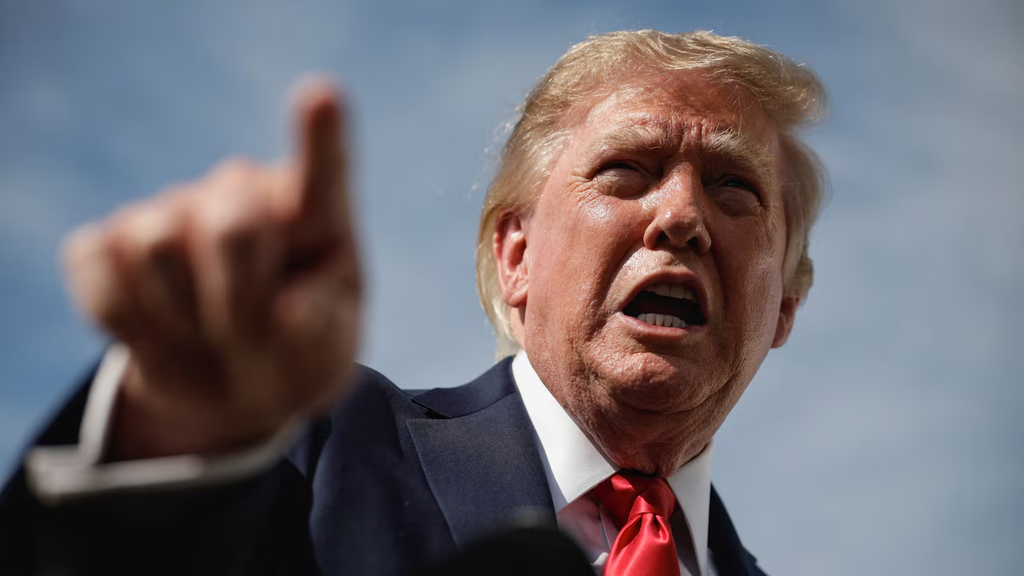
Alarm bells are ringing loudly inside the Republican party as lawmakers look toward the upcoming midterm elections. Deep concerns are spreading through Capitol Hill as members of Congress watch public opinion polls drop and key voter groups pull away. Many political insiders are now warning that the current political climate could spell serious trouble for party candidates across the country.
With majorities in the House of Representatives and the Senate on the line, conservative leaders are struggling to find a clear message that resonates with regular voters. The anxiety is growing daily as economic pressures, foreign conflicts, and campaign distance create a tough environment for anyone running on the party ticket.
The Growing Midterm Panic Inside the GOP
Midterm elections are usually tough for the political party that holds the White House. History shows that voters often use these elections to voice their frustration with how things are going in the country. But right now, the worry among conservative lawmakers goes far beyond normal election year jitters.
Recent national polls show approval ratings falling to historic lows. When a president’s popularity takes a hit, it creates a dangerous ripple effect for every candidate sharing the same party label on the ballot. Members of the House who won their seats by small margins are especially feeling the heat.
Many lawmakers worry that voters are growing tired of political drama and unresolved economic challenges. Instead of heading into the election with strong legislative achievements to brag about, many candidates feel like they are constantly defending controversial decisions coming out of Washington.
The $0 Secret To Launching Your Entire Online Empire
Why pay hundreds every month for separate software? Build funnels, send emails, and make sales with Systeme.io completely free.
Get Started For $0Free Forever • No Credit Card Needed • Beginner-Friendly
The mood behind closed doors in Washington is described by many as tense. Party strategists are quietly running numbers and looking at map layouts that show previously safe political districts suddenly turning into hard battlegrounds.
High Prices and Economic Pressure on Everyday Voters
At the center of voter frustration is the simple daily cost of living. Everyday expenses like grocery bills, electric utility bills, and gas prices continue to strain household budgets across America.
When people go to the grocery store or fill up their gas tanks, they look for relief. When prices remain high, the political party in charge usually gets the blame, regardless of complex global economics. Promises were made to lower everyday costs quickly, but many families report that their paychecks are still not stretching as far as they used to.
Tariffs and trade policies have also sparked debate among business owners and agricultural workers. Farmers and small business owners in key swing states have voiced concerns about rising equipment costs and changing export markets. According to analysis from The Guardian, economic strain combined with international tensions has created a tough backdrop for Republican candidates seeking reelection.
Candidates know that economic issues almost always top the priority list for independent voters. If voters feel that their personal financial situation has gotten worse over the last two years, convincing them to keep the status quo becomes an uphill battle.
Foreign Conflicts and Shifting Campaign Promises
Another major issue causing headache for party leaders is foreign policy. During campaign stops, strong commitments were made to avoid foreign conflicts, keep America out of endless overseas wars, and direct taxpayer money back home.
However, escalating tensions and military engagements abroad have drawn sharp criticism. Millions of dollars are spent daily on military operations, including conflicts involving Iran and global shipping corridors like the Strait of Hormuz.
Many voters who supported a non-interventionist foreign policy are asking tough questions. They want to know why massive resources are being directed toward overseas disputes while domestic issues like infrastructure, healthcare, and inflation remain unresolved.
This disconnect between campaign promises and official action gives political opponents strong talking points. It makes it harder for candidates to argue that they are strictly focused on putting the economic needs of regular citizens first.
The Distance Between the White House and Down-Ballot Races
In politics, “down-ballot” races refer to elections for Congress, state governors, and local offices that appear lower down on the ballot paper. Typically, a president works hard to raise campaign funds, hold massive rallies, and build momentum for these local candidates.
Right now, party officials are expressing worry over a noticeable gap in coordination. Reporting from The New Republic highlights growing frustration on Capitol Hill, where some lawmakers feel left on their own as the White House focuses on personal projects, ballroom renovations, and specific legislative priorities like voter identity laws.
A big part of winning midterm elections involves shared campaign cash and joint public appearances. When high-profile rallies are rare or centered on personal grievances rather than local issues, candidates in tight districts suffer.
Without direct financial support and clear campaign endorsements from the top, vulnerable Republicans must raise their own funds and build independent messages. In competitive swing states, running a lonely campaign without strong national backing makes a hard job even harder.
Fracturing Coalitions and Losing Independent Voters
Winning elections in the United States requires building a wide coalition of supporters. While the core MAGA base remains deeply loyal, winning tight congressional races requires strong support from independent voters, suburban families, and moderate conservatives.
Recent polling shows that independent voters are moving away from Republican candidates in noticeable numbers. Moderate voters in suburban neighborhoods—particularly suburban women—have expressed fatigue over aggressive political messaging and constant headline drama.
Send, Spend & Hold Money Worldwide Without Hidden Fees
Transfer money internationally at the real exchange rate and hold 40+ currencies in one account.
Open a Wise AccountMid-market rate • Fast transfers • 40+ currencies
Additionally, early gains made with Hispanic voters and younger working-class Americans are showing signs of slipping. Concerns over aggressive mass deportation tactics and rising living expenses have caused some swing voters to reconsider their choices.
In close elections, a party does not need voters to switch sides completely to cause a loss. If independent voters simply decide to stay home on election day because they feel uninspired, tight races can easily flip to the opposing party.
How Candidates Are Trying to Shift Their Messaging
With pressure building, candidates across the nation are taking different approaches to save their campaigns. Some lawmakers are choosing to distance themselves from national headlines, focusing entirely on local community projects, roads, and regional jobs.
Other party leaders are leaning heavily into sharp ideological attacks against political opponents. By focusing on opponent missteps or painting rival plans as extreme, they hope to rally traditional voters who might otherwise stay home.
However, political analysts argue that relying purely on negative messaging without presenting strong personal achievements is a risky gamble. Voters often want to hear clear, practical solutions for how their lives will improve over the next two years.
The struggle to agree on a unified national message has created confusion. When candidates in one state say one thing while candidates in another state say the opposite, the party loses its collective momentum.
The Role of Modern Media, AI, and Campaign Technology
Political battles are no longer fought only on television screens and radio shows. Modern campaigns rely heavily on digital content, online video distribution, and smart algorithms to reach voters directly.
Candidates are using advanced data analytics and modern tech tools to map out voter sentiment in real time. To learn more about how cutting-edge tools shape digital communications today, check out our insights on technology and AI insights.
At the same time, political commentators, news channels, and online creators use automated video platforms to break down daily political headlines for millions of viewers. You can explore how digital creators build automated video channels through our detailed YouTube automation guides.
Understanding how digital media spreads political news helps explain how quickly voter sentiment can shift. A single viral clip or trending campaign story can change public perception overnight, forcing candidates to adjust their strategies on the fly.
The $0 Secret To Launching Your Entire Online Empire
Why pay hundreds every month for separate software? Build funnels, send emails, and make sales with Systeme.io completely free.
Get Started For $0Free Forever • No Credit Card Needed • Beginner-Friendly
Frequently Asked Questions (FAQs)
Why are Republicans worried about the upcoming midterm elections?
Republicans are worried because dropping president approval ratings, high living costs, and ongoing foreign conflicts are turning voters away. History shows that the political party controlling the White House usually loses seats during midterms, and current poll numbers suggest those losses could be severe.
What main issues are driving voter frustration right now?
The main issues driving voter frustration are economic challenges like high prices at grocery stores and gas stations, along with concerns over expensive foreign military involvement. Voters feel squeezed by inflation and are looking for quick financial relief.
How do down-ballot races get impacted by national politics?
Down-ballot races for the House of Representatives and state offices are strongly tied to the popularity of the top national leader. If independent voters are unhappy with national policies, they often vote against local candidates of the same party or choose to skip the election entirely.
Can Republicans turn their midterm prospects around before election day?
Yes, political trends can shift quickly. If economic conditions improve, gas prices drop, or campaign messaging becomes more focused on everyday voter needs, candidates could regain ground in competitive swing districts.
Where can I read more about the team behind these political analyses?
You can read all about our background, mission, and writing team on our about page. If you have questions, feedback, or story ideas, feel free to drop us a note through our contact page.
The path to election day is shaping up to be one of the most unpredictable political battles in recent years. As both major political parties prepare for final campaign pushes, every speech, economic update, and policy decision will be watched closely by voters eager for real answers.
Whether the current panic leads to major political shifts in Congress or prompts a last-minute campaign turnaround remains to be seen. Staying informed on these fast-moving stories is key to understanding where the country is headed next.
To stay updated on breaking news, viral stories, and quick political breakdowns, connect with us on social media. Follow our official channels on Instagram, join the conversation on Facebook, and get live updates on X (formerly Twitter).
