
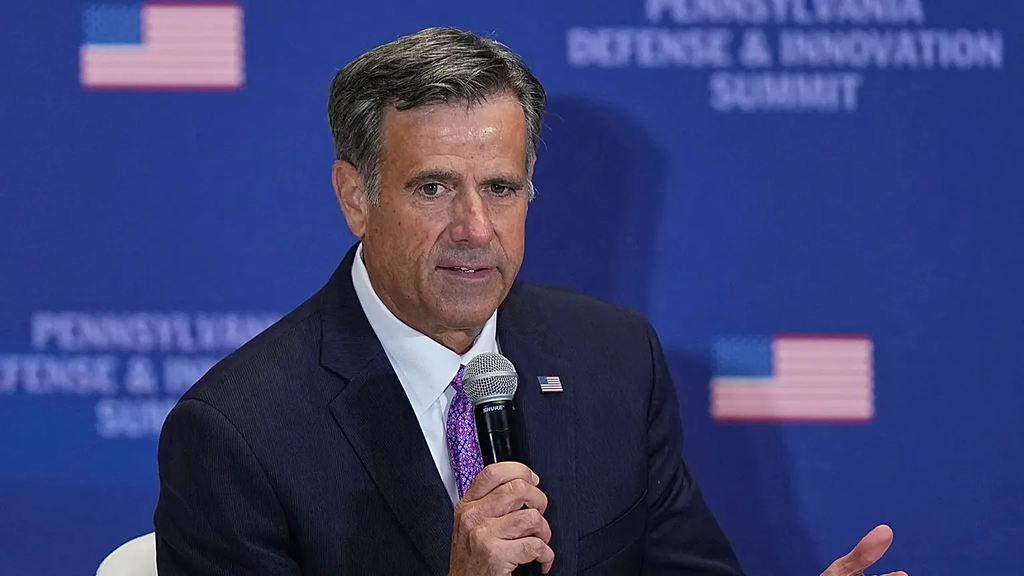
CIA Director John Ratcliffe made an unannounced trip to Moscow to deliver a direct message to Russia’s top spy chief, Sergey Naryshkin. The goal of the meeting was simple: the United States wants Russia to stop sharing sensitive military intelligence, defense technology, and satellite data with Iran.
This high-level meeting took place behind closed doors and caught the attention of global security experts. American officials are deeply worried that information provided by Russian intelligence could put U.S. troops, military bases, and diplomatic assets in the Middle East at risk.
Understanding why this meeting happened requires looking at the growing relationship between Moscow and Tehran. It also highlights how intelligence sharing has become one of the most dangerous weapons in modern conflict.
What Happened Inside the Secret Moscow Meeting?
The secret visit was one of the rare direct meetings between American and Russian intelligence leaders in recent years. CIA Director John Ratcliffe traveled to Russia to speak directly with Sergey Naryshkin, who heads Russia’s Foreign Intelligence Service, known as the SVR.
During the discussion, American representatives urged Russia to cut back its military and economic support for Iran. The main focus was preventing Russia from sharing targeting data or specialized satellite imagery with Tehran.
The $0 Secret To Launching Your Entire Online Empire
Why pay hundreds every month for separate software? Build funnels, send emails, and make sales with Systeme.io completely free.
Get Started For $0Free Forever • No Credit Card Needed • Beginner-Friendly
Reports from major outlets like NBC News and Politico revealed that Washington wanted to draw a clear line. The U.S. made it clear that helping Iran target American facilities or military personnel in the Middle East would cross a dangerous line.
The meeting was not just about warning Russia about Iran. American officials also warned Moscow against escalating tensions with NATO member nations. The conversation showed how worried Washington is about Russia using its intelligence networks to cause trouble in multiple parts of the world at once.
Why Is the United States Worried About Russia and Iran Working Together?
The relationship between Russia and Iran has grown much stronger over the past few years. Both countries face heavy economic sanctions from Western nations, which has pushed them to work closely together in trade, defense, and security.
Iran has supplied Russia with hundreds of attack drones and military hardware used in the ongoing conflict in Ukraine. In return, Russia has provided Iran with advanced military technology, economic support, and potentially real-time intelligence data.
Intelligence sharing is a major concern for U.S. military commanders. Russia operates advanced military satellites that can track movement on the ground with high accuracy. If Russia gives that satellite data to Iran, Iranian forces or affiliated groups could use it to plan attacks against U.S. bases and naval ships in the Middle East.
Beyond satellite imaging, there are concerns that Russia is helping Iran improve its drone technology. Faster and more accurate drones make it harder for air defense systems to protect military positions and commercial shipping lanes.
How Russia Responded to the American Request
The reaction from Moscow was cautious and predictable. Russian foreign intelligence chief Sergey Naryshkin reportedly told the CIA director that Russia was not providing targeting intelligence to Iran.
At the same time, Kremlin spokesman Dmitry Peskov confirmed that talks took place through intelligence channels. However, he declined to give specific details about what was promised or agreed upon during the meeting. Peskov mentioned that it would be premature to say whether the visit would improve relations between Washington and Moscow.
Experts who follow international politics point out that Russia rarely gives up leverage easily. Moscow views its alliance with Iran as a powerful tool to pressure the United States and its allies.
Even if Russian leaders claim they are not sharing intelligence, Western officials remain skeptical. Promises made during secret spy meetings are hard to verify, which is why the U.S. continues to monitor Russian satellite movements and electronic signals very closely.
The Role of Sanctions and Economic Pressure
The conversation in Moscow did not happen in a vacuum. It comes at a time when the U.S. government is increasing economic pressure on countries that continue to trade with Iran.
The U.S. Treasury Department recently warned that sanctions could be expanded against any nation or company that provides economic support to Iran. This places additional pressure on Russia, which relies on trade networks to keep its own economy moving.
During the meeting, the CIA chief advised Moscow not to overreact if new sanctions affect Russian businesses linked to Iran. This shows that Washington is trying to balance tough enforcement with clear communication to prevent accidental military clashes.
Sanctions are designed to make it expensive and difficult for countries to share weapons and military hardware. But when countries build alternative trade routes and banking systems, enforcement becomes much harder.
Technology and the Changing Face of Modern Warfare
Military conflict in the modern era relies heavily on data, software, and real-time information. Intelligence is no longer just about human spies giving secrets in dark hallways; it is about complex computer systems, satellite imagery, and automated data processing.
Send, Spend & Hold Money Worldwide Without Hidden Fees
Transfer money internationally at the real exchange rate and hold 40+ currencies in one account.
Open a Wise AccountMid-market rate • Fast transfers • 40+ currencies
Governments around the world are investing heavily in new tools to gather and analyze battlefield information quickly. To learn more about how technological changes are reshaping our world, check out our updates on technology and AI.
As battlefield data becomes more automated, the speed at which intelligence can be shared between countries increases. A satellite image captured over the Middle East by a Russian spacecraft can be processed and sent to commanders thousands of miles away in a matter of minutes.
This quick flow of information makes intelligence sharing just as dangerous as shipping heavy weapons. Stopping the flow of electronic data is one of the hardest challenges facing modern defense planners.
Content creators and news outlets also use automated tools to cover these fast-moving global events. If you want to see how creators produce automated video content on geopolitical topics, explore our guide on YouTube automation.
What This Means for Future World Security
The meeting in Moscow highlights a delicate balancing act. The United States is trying to keep its troops safe without pushing Russia and Iran into an even tighter alliance.
If Russia ignores the U.S. request and continues to share military information with Iran, tensions in the Middle East could rise quickly. U.S. forces would have to change how they move and position their equipment to stay safe from satellite tracking.
On the other hand, if Russia limits its support for Iran, it could show that Moscow still cares about maintaining open lines of communication with Washington. It could also open doors for future negotiations on other global issues, such as the conflict in Ukraine.
For now, global observers are watching to see if Russia alters its behavior or if the strategic partnership between Moscow and Tehran remains unchanged.
Keeping Up With Global Events
Understanding foreign policy and international news can feel overwhelming with so many updates happening every day. Having clear, straightforward information helps everyone stay aware of global changes that impact security, economics, and everyday life.
Our team focuses on breaking down complex international stories into simple terms. You can read more about our background and mission by visiting our about page.
The $0 Secret To Launching Your Entire Online Empire
Why pay hundreds every month for separate software? Build funnels, send emails, and make sales with Systeme.io completely free.
Get Started For $0Free Forever • No Credit Card Needed • Beginner-Friendly
If you have questions about our reporting or want to send us feedback, reach out directly through our contact page.
You can also join our social media community to get fresh updates, discuss trending stories, and stay connected with other readers:
- Follow us on Instagram for visual updates and stories.
- Join the conversation on Facebook to share your thoughts.
- Catch quick news alerts and posts on X (formerly Twitter).
Frequently Asked Questions (FAQs)
Why did the CIA director travel to Russia in person?
Personal visits by intelligence leaders allow countries to send firm messages directly to key decision-makers. Face-to-face meetings help ensure there is no misunderstanding about how serious the U.S. is regarding troop safety in the Middle East.
Is Russia really sharing military intelligence with Iran?
While Russian officials claim they are not sharing direct targeting intelligence, reports show that Russia and Iran have built close defense ties. Russia has received drones from Iran and may be helping Iran with satellite data and defense technology in return.
What kind of intelligence is the U.S. most worried about?
The primary concern is real-time satellite imaging and electronic radar data. This information can show the exact locations of U.S. military bases, naval ships, and personnel in the Middle East, making them vulnerable to precise missile or drone strikes.
How does Iran benefit from working with Russia?
Iran gains access to advanced military hardware, aviation technology, and space-based intelligence that it cannot produce on its own. Partnering with a global superpower like Russia also gives Iran diplomatic support against Western sanctions.
Could this lead to more U.S. sanctions against Russia?
Yes, the U.S. government has stated that nations supporting Iran economically or militarily could face stronger economic sanctions. If Russia continues to expand its defense collaboration with Tehran, additional financial penalties could follow.
The unannounced meeting between the CIA director and Russia’s intelligence chief shows how connected global politics have become. Events happening in Eastern Europe directly affect security in the Middle East, and decisions made in Moscow can impact American military personnel thousands of miles away.
As international alliances continue to shift, direct communication between major powers remains critical to prevent smaller conflicts from escalating into larger global confrontations. Watching how both Russia and Iran react in the coming weeks will give clear clues about the future of international security.
