
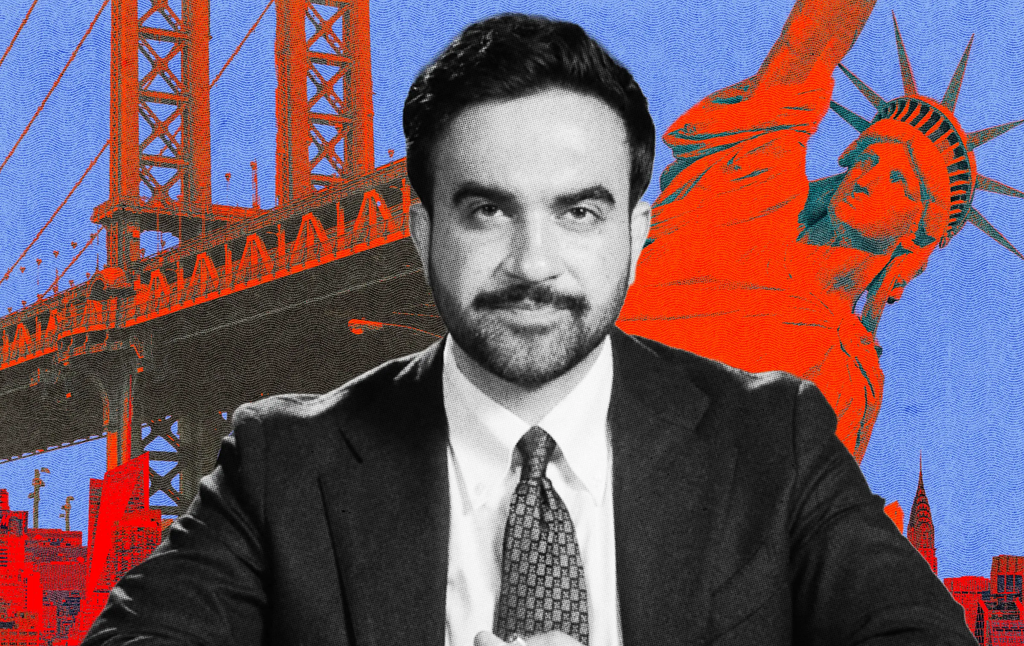
New York City just dropped a massive hammer on food delivery giant DoorDash. In what is officially being called the largest labor settlement for food delivery workers in American history, DoorDash has agreed to pay a whopping $131.5 million after a fierce investigation into how the company paid its delivery workers.
New York City Mayor Zohran Mamdani announced the historic settlement, directly targeting DoorDash leadership and calling out what he described as corporate greed powered by software algorithms. More than 264,000 delivery drivers in New York City were systematically underpaid, shortchanged on tips, and deprived of pay for time spent logged into the app.
Of the $131.5 million total payout, more than $115 million is heading straight into the pockets of the hard-working food delivery drivers who were cheated out of their full earnings. The rest will go toward city fines and strict regulatory oversight. This news is sending shockwaves through the entire gig economy, serving as a massive warning sign to tech companies that rely on complex software to handle worker pay.
How New York City Caught DoorDash Red-Handed
The city investigation revealed a long-running pattern of missed payments, late disbursements, and mathematical tricks built straight into DoorDash’s pay system. When New York City established a minimum hourly wage floor of $22.13 for food delivery workers, DoorDash was required to pay drivers fairly for all the time they spent working.
Instead of counting every minute a delivery worker spent on the job, DoorDash quietly left out significant chunks of working time. City investigators found that the company failed to count time spent on trips that were canceled mid-way through, as well as trips where a driver crossed outside city boundaries.
The $0 Secret To Launching Your Entire Online Empire
Why pay hundreds every month for separate software? Build funnels, send emails, and make sales with Systeme.io completely free.
Get Started For $0Free Forever • No Credit Card Needed • Beginner-Friendly
The On-Call Time Controversy
One of the biggest issues uncovered during the probe was how DoorDash treated on-call pay. Delivery drivers often log into the app, stay active, and wait for new delivery orders to come in. Under city laws, this active wait time must be compensated because the driver is at the beck and call of the platform.
DoorDash created an unfair advantage for itself by ignoring large portions of this logged-in wait time. Drivers were stuck in traffic, standing outside restaurants, or waiting for assignments while the company’s internal formulas simply treated that labor as invisible. Over several years, those missing minutes added up to tens of millions of dollars in unpaid wages stolen from everyday workers.
The “Greedy Algorithm” That Fueled The Crisis
During his press briefing, Mayor Zohran Mamdani did not hold back when describing how DoorDash managed to squeeze profits out of its workforce. He specifically called out comments made by DoorDash Chief Executive Officer Tony Xu.
In computer science, a greedy algorithm is a technical term for a computer program that makes the most profitable or immediate short-term decision at every single step, without worrying about long-term consequences or fair treatment. Xu had previously mentioned using a greedy algorithm model as business advice to optimize app operations.
Mayor Mamdani pointed out that DoorDash took that concept way too far, turning a computer coding term into a real-world strategy for shortchanging human beings.
Why Computer Code Is Not An Excuse
Tech companies often hide behind complex lines of code when mistakes happen. When an automated system underpays thousands of workers, corporate spokespeople often call it a technical glitch or a software bug.
However, city regulators made it clear that using an algorithm to optimize profit while neglecting wage laws is not an innocent coding mistake. It is systematic underpayment. If an algorithm is coded to maximize company profit by cutting corners on worker hours, the company building that code is fully responsible for the damage.
Breaking Down The $131.5 Million Settlement
The financial details of this historic legal settlement show just how massive the problem was. Here is the exact breakdown of where the $131.5 million is going:
Over $83 Million for On-Call Pay Disputes
The largest chunk of the money, totaling over $83 million, goes directly toward resolving disputes regarding on-call pay. Thousands of delivery drivers who spent hours waiting for orders while logged into the app will finally receive the money they earned.
$12.3 Million for Underpaid and Late Payments
Another $12.3 million is reserved specifically for Dashers who experienced missed or late payments for completed deliveries. Investigators found that many workers had to wait weeks or months to receive full compensation for deliveries they had already finished.
$16.7 Million in Civil Fines
The remaining $16.7 million will be paid directly to New York City as civil penalties for violating municipal labor protection laws. These funds help cover the administrative costs of enforcing local labor standards and protecting worker rights.
Three Years of Mandatory Oversight
The agreement is not just about paying money and walking away. DoorDash is now required to submit regular, detailed payment data directly to the city for the next three years. This ensures independent auditors will review how the app calculates pay every single week.
DoorDash Breaks Silence: “We Screwed Up”
Faced with overwhelming evidence and massive public pressure, DoorDash publicly acknowledged the errors in its payment systems. In an official statement, the company admitted fault while maintaining that the underpayments were not intentional.
“Simply put, we screwed up,” DoorDash stated. The company admitted that while these mistakes were not deliberate, that does not make them acceptable. They acknowledged that delivery drivers deserve to be paid in full, on time, every single time, and offered an apology to the workers they let down.
DoorDash blamed technical bugs and complex boundary rules for the errors, claiming that when deliveries crossed out of New York City limits, the software struggled to track the time accurately. They stated that these software issues have since been fixed and that internal compliance systems have been completely revamped.
Send, Spend & Hold Money Worldwide Without Hidden Fees
Transfer money internationally at the real exchange rate and hold 40+ currencies in one account.
Open a Wise AccountMid-market rate • Fast transfers • 40+ currencies
Despite DoorDash pointing to software bugs, Mayor Mamdani firmly rejected the idea that this was an accident. He emphasized that when a company repeatedly leaves out working time year after year, it crosses the line from an accidental rounding error into systemic wage suppression.
What This Settlement Means for Everyday Delivery Drivers
For the 264,000 food delivery workers in New York City, this settlement brings real financial relief. Delivery workers rely on every dollar to pay for rent, buy groceries, maintain their bicycles or scooters, and support their families.
Many gig workers have spoken out about how frustrating it is to deal with unpredictable pay app balances. When an app suddenly subtracts time or miscalculates earnings, drivers have almost no direct customer service team to turn to. Having the city step in to recover $115 million for workers shows that gig workers are no longer fighting tech giants alone.
Eligible delivery workers will receive notice from the city and the settlement administrator regarding how their direct payments will be distributed. Workers who delivered for DoorDash in NYC during the affected period do not need to fight in court to claim what is rightfully theirs.
The Bigger Picture: AI, Algorithms, and the Future of Work
This $131.5 million settlement is not just about food delivery; it is about how modern technology treats human labor. As more industries adopt automated software, algorithms are increasingly being used to track worker hours, calculate bonuses, and manage payroll.
While automation can make operations faster, this case shows what happens when software prioritizes cost-cutting over fairness. Whether a company is using automated systems for managing delivery routes, tracking customer service, or building digital platforms, human oversight remains vital.
To stay updated on how automated tools and software are transforming business across industries, explore our detailed analysis in the technology and AI section. Understanding how modern algorithms function is key for both business owners and workers navigating the digital age.
Furthermore, many digital creators and modern entrepreneurs explore tech-driven models like YouTube automation channels to build online income. The key takeaway from this DoorDash headline is simple: any automated system must be built on transparency, accuracy, and fairness.
Practical Tips for Gig Workers to Protect Their Pay
If you work in the gig economy—whether delivering food, driving rideshare, or doing freelance work—it is easy to trust that the app is always calculating your pay accurately. However, as this DoorDash case proves, relying entirely on app estimates without keeping your own records can cost you real money.
Here are practical steps every gig worker should take to protect their earnings:
The $0 Secret To Launching Your Entire Online Empire
Why pay hundreds every month for separate software? Build funnels, send emails, and make sales with Systeme.io completely free.
Get Started For $0Free Forever • No Credit Card Needed • Beginner-Friendly
1. Track Your Active Hours Manually
Do not rely solely on the total hours shown in your app dashboard. Keep a daily log or use an independent mileage and time-tracking app to note when you log on, when you accept a order, and when you complete it.
2. Take Screenshots of Completed Trips
Save screenshots of trip offers, accepted deliveries, and final pay summaries. If a trip is canceled mid-delivery or involves crossing municipal boundaries, make sure to take a screenshot of the notification and trip details.
3. Review Your Weekly Pay Stubs
Check your weekly earnings statements thoroughly. Compare the total time you spent working against the base pay and tips shown in the app. Look out for missing time or sudden adjustments.
4. Know Your Local Labor Laws
Labor rules for gig workers vary wildly depending on where you live. Cities like New York are leading the charge with strict minimum pay floors, but other regions are following suit. Know what protections exist in your city so you can spot violations early.
5. Report Unresolved Pay Discrepancies
If your app support team gives you automated canned responses when you report missing pay, file a formal complaint with your local labor department or consumer protection agency. Regulatory bodies actively track these reports to spot systemic issues.
Frequently Asked Questions (FAQs)
Who is eligible to receive money from the DoorDash NYC settlement?
Roughly 264,000 food delivery workers in New York City who worked for DoorDash during the period covered by the city investigation are eligible for payouts. The city and settlement administrators will contact affected workers with instructions on receiving their funds.
Why did DoorDash get fined $131 million?
DoorDash was investigated by New York City for failing to pay delivery drivers properly under local labor laws. The investigation revealed that DoorDash systematically left out working time, including canceled trips, boundary-crossing deliveries, and active on-call wait time.
What is a “greedy algorithm”?
In computer science, a greedy algorithm is a program designed to choose the most optimal or profitable short-term outcome at every step without considering future or broader consequences. Mayor Mamdani used this term to criticize DoorDash leadership for designing software systems that maximized corporate profits at the direct expense of worker pay.
Did DoorDash admit to breaking the law?
DoorDash admitted that it “screwed up” and made errors regarding how worker pay was calculated, attributing the issue to software bugs and technical challenges. The company agreed to pay $131.5 million to resolve the claims and face three years of city monitoring.
How will New York City monitor DoorDash in the future?
As part of the settlement agreement, DoorDash is required to submit detailed payment and trip data directly to New York City regulators on a regular basis for three years. This ensures that DoorDash complies with the city’s minimum hourly pay floor of $22.13 for delivery workers.
This massive $131.5 million enforcement action marks a major turning point in how cities hold powerful tech platforms accountable. It sends a clear message across the tech industry: software algorithms cannot be used as an excuse to ignore basic wage laws or shortchange everyday workers.
As local governments enact stronger protections for independent contractors and app workers, the gig economy is entering a whole new era of accountability. Companies will have to ensure that their automated systems respect worker rights just as much as their bottom line.
To discover more about our editorial mission and story coverage, visit our main about page. If you have news tips, questions, or feedback regarding our coverage, feel free to get in touch through our contact page. You can also join our growing online community and stay updated with live news on our official social channels on Facebook, Instagram, and X (formerly Twitter).
