
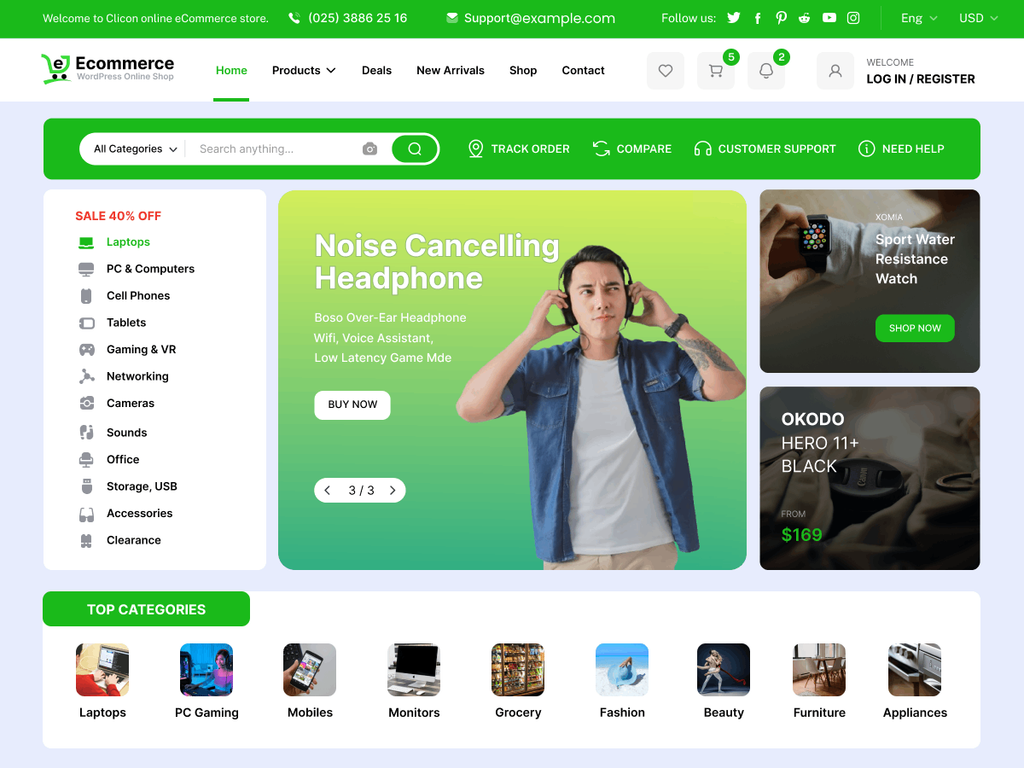
Buying and flipping online shops has quickly become one of the most profitable ways to make money online. Many people are familiar with flipping real estate. You buy an old house that needs work, fix up the kitchen, repaint the walls, and sell it for a much higher price than you paid.
Flipping e-commerce stores works in the exact same way, but everything happens digitally. You find an online store that is underperforming or neglected by its owner. You purchase it at a reasonable price, fix its weaknesses, scale up its revenue, and sell it to a new buyer for a solid profit.
This business model is attractive because you do not have to start a brand from scratch. Starting from zero requires building a brand name, testing products, finding reliable suppliers, and waiting months for initial traffic. When you buy an existing business, you start with proven products, real customer data, and established search traffic from day one.
What Does Flipping an E-Commerce Store Mean?
E-commerce website flipping is the process of acquiring an existing digital retail store, improving its operations or marketing, and selling it for a higher value than your purchase price.
Online businesses are typically valued based on their net monthly profit. Most small to medium e-commerce sites sell for anywhere between 20 to 45 times their average monthly profit. For instance, if a store makes $1,000 in clean net profit every month, it might sell for $25,000 to $35,000.
The $0 Secret To Launching Your Entire Online Empire
Why pay hundreds every month for separate software? Build funnels, send emails, and make sales with Systeme.io completely free.
Get Started For $0Free Forever • No Credit Card Needed • Beginner-Friendly
Your main goal as a store flipper is to increase that net profit margin. If you buy a store making $1,000 per month for $30,000, and you manage to increase its monthly profit to $3,000 over six months, the store could now be worth $90,000 or more. After subtracting your initial investment and upgrade expenses, you walk away with a massive gain.
Some store flippers focus on quick turns, holding a store for three to six months just to fix simple technical bugs or marketing setups. Others hold stores for a year or longer to build sustainable brand authority before listing the shop on the open market.
Where to Find E-Commerce Stores for Sale
Finding the right property to buy is the first critical step in this strategy. Fortunately, several digital brokerages and marketplaces connect buyers directly with business sellers.
Public online marketplaces are the easiest place to start looking for prospective acquisitions:
- Flippa: One of the largest global platforms for buying and selling websites, domains, and digital stores. It offers thousands of listings across every price point, making it suitable for beginners with smaller budgets.
- Empire Flippers: A premium online broker that vets all businesses before listing them. The stores here are usually larger, highly vetted, and carry higher price tags, but they come with verified financial records.
- Acquire.com: A platform designed primarily for software and digital businesses, but it regularly features profitable e-commerce brands and direct-to-consumer shops.
- Motion Invest: Ideal for smaller sites and content-driven e-commerce platforms that generate lower monthly revenue.
You can also find great deals through private off-market deals. You can reach out directly to store owners who look like they have abandoned their websites. Many owners launch an e-commerce shop, lose interest after a few months, and leave the site sitting online. Sending a simple, respectful email or social media message asking if they would consider selling can unlock massive discounts.
How to Evaluate a Store Before Buying (Due Diligence)
Never buy an online shop based solely on what the owner claims in the listing description. Conducting thorough due diligence protects your capital and prevents you from purchasing a dying business or a scam.
Verify True Traffic Sources
You need to know where the website visitors are coming from. Ask the seller for view-only access to their Google Analytics account. Check whether the traffic is organic, paid, or direct.
If all the traffic comes from paid social media ads, check if those ads are currently profitable. If the store relies entirely on expensive ads and has no organic search presence, your profit margins will be thin. Look for stores with steady search engine traffic or an active social media following.
Audit the Financial Statements
Always review proof of revenue and actual profit margins. Ask for merchant processor statements, such as PayPal or Stripe dashboards, alongside platform records from Shopify or WooCommerce.
Compare these numbers directly against supplier receipts and ad spend records. Do not rely on profit screenshots alone, as these can easily be edited or faked.
Check Product Suppliers and Logistics
Ask the owner about their fulfillment setup. Are they using dropshipping, third-party logistics centers, or managing inventory in-house?
Make sure the supplier is willing to transfer the business contract to you smoothly. If the business relies on a single overseas supplier with long shipping times, you will need to plan how to upgrade those logistics after taking ownership.
Inspect Brand Reputation and Trademarks
Perform a search for the brand name online. Read customer reviews on third-party sites, check their social media comment sections, and verify that the business name does not violate existing trademarks. Buying a store with terrible customer reviews or hidden legal issues will cost you more money to fix than it is worth.
Understanding modern tools and automation systems can give you a massive edge when auditing digital operations. Staying updated on technology and AI insights allows you to quickly evaluate whether a store’s operations can be streamlined using software.
Smart Strategies to Increase Store Value Fast
Once you acquire an e-commerce store, your job shifts to optimization. To raise the store’s valuation, you need to boost net profits, increase traffic, or improve conversion rates. Here are the most effective ways to upgrade a store quickly.
Send, Spend & Hold Money Worldwide Without Hidden Fees
Transfer money internationally at the real exchange rate and hold 40+ currencies in one account.
Open a Wise AccountMid-market rate • Fast transfers • 40+ currencies
1. Modernize Store Design and User Experience
Many old or neglected stores have terrible designs. They load slowly, look outdated on mobile screens, and have confusing checkout processes.
- Fix Mobile Compatibility: Over 60 percent of online shopping happens on smartphones. Ensure the site looks flawless and loads fast on mobile devices.
- Simplify Checkout: Remove unnecessary form fields, offer express payment methods like Apple Pay and Google Pay, and display clear security badges.
- Improve Product Pages: Add high-resolution product photos, write clear descriptive copy, and include authentic customer reviews.
2. Implement Email and SMS Marketing
Many store owners make the mistake of relying only on one-time sales. They completely ignore email lists. When you buy a site, setting up basic automated email flows creates instant revenue with very little ongoing cost.
- Abandoned Cart Emails: Send automated reminders to visitors who leave items in their cart without buying.
- Welcome Series: Give new subscribers a small discount code in exchange for their email address, followed by an educational sequence about your products.
- Post-Purchase Follow-Ups: Email past buyers to recommend complementary items or request product reviews.
3. Diversify Traffic and Content Creation
If the previous owner only used single-channel advertising, you can instantly scale traffic by adding new channels.
Creating short-form video content, launching blog posts focused on search engine keywords, and building branded social channels will increase your organic reach. Many store owners also boost brand reach by building automated content channels on video platforms. If you want to learn more about video growth strategies, explore our guide on YouTube automation to see how automated video production drives consistent organic traffic.
4. Negotiate Better Supplier Costs
Increasing profit does not always mean selling more items. Sometimes, it simply means spending less on product creation.
Reach out to the store’s current suppliers and ask for bulk pricing discounts. Alternatively, search for new suppliers who offer better quality products at lower rates. Reducing your cost of goods sold directly increases your net profit margin, immediately elevating the overall value of the store.
Preparing Your Store for Sale
After you have implemented your improvements and sustained higher monthly profits for three to six months, it is time to prepare the business for a profitable exit. Buyers want a clean, well-organized business that they can take over without stress.
Organize all your financial records into clear monthly Profit and Loss statements. Highlight your revenue, advertising costs, software subscription fees, product costs, and net earnings. Clean, transparent accounting builds buyer confidence and allows you to command top dollar.
Next, document your business operations. Create simple Standard Operating Procedures (SOPs) that explain step-by-step how to fulfill orders, handle customer support emails, manage stock levels, and launch ad campaigns. A store that runs smoothly without requiring 40 hours of your personal manual labor every week is far more valuable to investors.
How to Sell Your E-Commerce Store for Maximum Profit
When listing your store for sale, setting the correct asking price is critical. Calculate your average monthly net profit over the last six to twelve months, then multiply that number by the going market multiple for your store size.
The $0 Secret To Launching Your Entire Online Empire
Why pay hundreds every month for separate software? Build funnels, send emails, and make sales with Systeme.io completely free.
Get Started For $0Free Forever • No Credit Card Needed • Beginner-Friendly
Working with a reputable broker or listing platform helps protect both parties during the transfer phase. Platforms like Shopify Exchange or trusted online business brokers manage the escrow payment process, ensuring you receive your funds safely before transferring administrative ownership of the website, domain name, and social media assets.
Be ready to negotiate during buyer calls. Be honest about why you are selling, explain the growth opportunities you have not had time to pursue yet, and offer two to four weeks of post-sale support to help the new buyer transition smoothly.
Frequently Asked Questions (FAQs)
How much money do I need to start flipping e-commerce stores?
You can start with as little as $1,000 to $3,000 if you buy smaller, starter stores on platforms like Flippa or buy directly from private owners. However, if you want to acquire an already profitable store that generates consistent income, you will typically need between $10,000 and $50,000.
How long does it usually take to flip a store?
A standard flip usually takes anywhere from 3 to 12 months. This gives you enough time to fix operational bugs, run new marketing strategies, and generate a few consecutive months of higher net profit to prove the new valuation to potential buyers.
What is the biggest risk when buying an online shop?
The biggest risk is failing to do proper due diligence and purchasing a store with fake traffic, hidden expenses, or bad supplier relationships. Always verify raw data from payment processors and analytics platforms before sending any funds.
Do I need advanced coding skills to flip e-commerce stores?
No, you do not need coding skills. Most modern e-commerce stores run on content management platforms like Shopify, WooCommerce, or BigCommerce, which use visual drag-and-drop builders and pre-made templates.
How do I ensure I get paid safely when selling my store?
Always use an established online escrow service or work through an accredited online business broker. Escrow services hold the buyer’s payment securely while you transfer the domain, store access, and associated assets. Once the buyer verifies receipt of everything, the funds are released directly to your account.
Flipping e-commerce stores offers a clear path to building scalable income online without building everything from absolute zero. By finding underperforming stores, fixing user experience issues, boosting marketing efforts, and organizing business systems, you can turn forgotten digital shops into highly valuable assets.
If you want to discover more about our editorial team and story, feel free to read more on our About Us page. Have questions or want to partner with us? Reach out directly through our Contact Page.
You can also join our growing online community and stay updated with the latest trends by connecting with us on our social platforms: follow us on Instagram, join our community on Facebook, and follow our real-time updates on X (Twitter).
