
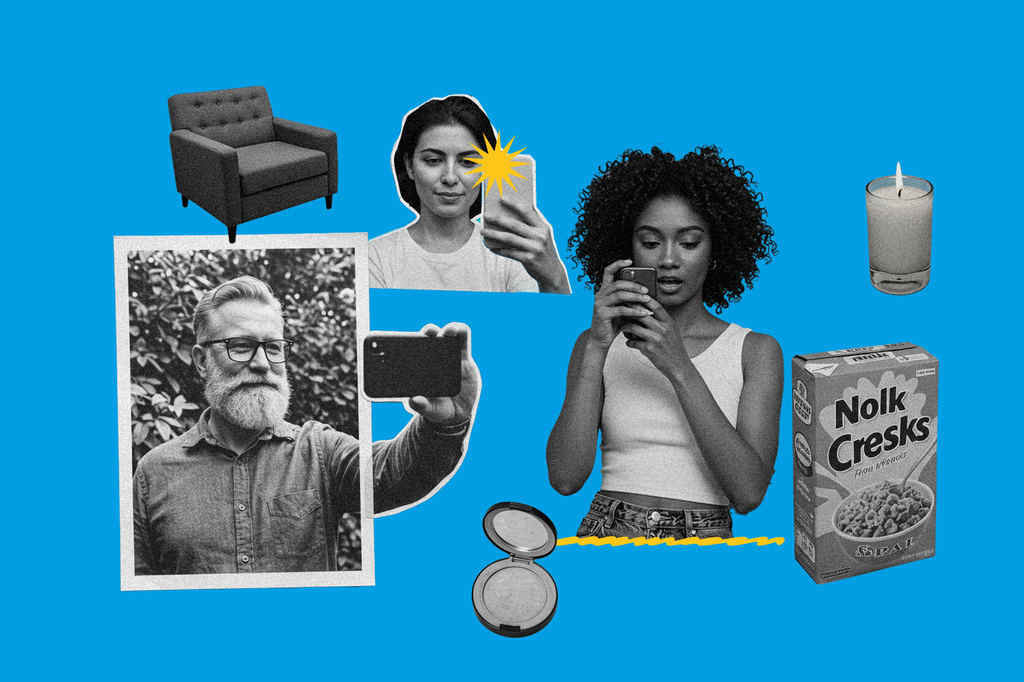
Every time you scroll through TikTok or Instagram, you probably see videos of everyday people testing out a new skincare cream, setting up a kitchen gadget, or trying on clothes. The videos look like natural posts from regular users, but many of them are actually paid promotions.
This type of content is called User-Generated Content, or UGC. Brands spend millions of dollars buying these videos because traditional commercials simply do not work the way they used to.
People trust real recommendations from real people far more than polished TV ads. If you want to build a flexible side income or turn content creation into a full-time business, selling UGC is one of the most accessible paths available right now.
What Exactly Is User-Generated Content (UGC)?
User-Generated Content refers to photos, videos, audio clips, and product reviews created by everyday users rather than corporate marketing agencies.
Originally, UGC meant unscripted posts shared by customers who bought a product with their own money. For example, when someone posts a picture of their morning coffee and tags the local cafe, that is organic UGC.
Build Funnels, Email Lists & Sell Online With One Free Tool
Create funnels, send emails, and sell online using Systeme.io without paying for multiple tools.
Create Free AccountFree forever • No credit card • Beginner-friendly
Today, the definition has expanded to include freelance creation. Brands now hire freelance creators to make content that looks organic, relatable, and authentic.
The brand then takes that content and posts it on their own social media pages or runs it as a paid advertisement on platforms like Meta or TikTok.
UGC Creator vs. Influencer: What Is the Difference?
Many people get confused between an influencer and a UGC creator. The difference comes down to one main thing: who owns the audience.
An influencer is paid for access to their personal audience. Brands hire influencers because they have thousands or millions of followers who trust their opinion. If you want to earn money as an influencer, you must spend years growing a public following.
A UGC creator is paid for the media file itself. Brands hire UGC creators to produce high-quality, engaging videos that the brand will post on its own account.
You do not need thousands of followers to be a successful UGC creator. In fact, you can start a UGC business with zero social media followers on your personal profile because your personal audience does not matter to the client.
Why Brands Are Spending Big Money on UGC
Companies are shifting their advertising budgets away from traditional polished commercials toward UGC. There are three big reasons for this shift:
High Trust Factor
Traditional ads feel fake to modern buyers. When a viewer sees a high-budget video with clear studio lighting and professional actors, their brain immediately recognizes it as an ad and skips it. UGC looks like a video a friend would send, so viewers pay attention longer.
High Conversion Rates
Relatable videos convert viewers into buyers faster. When potential customers see someone with similar skin, body type, or daily struggles using a product, it builds instant confidence.
Cost Savings for Businesses
Hiring an ad agency, renting a studio, and booking professional actors costs thousands of dollars per video. Hiring a freelance UGC creator delivers multiple high-performing videos for a fraction of that cost.
Popular Types of UGC You Can Create and Sell
Brands purchase different styles of content depending on their sales strategy. Here are the most common formats you can offer to clients.
Unboxing Videos
An unboxing video shows the experience of opening a package. You film the box being opened, reveal the product, show the packaging details, and share your genuine first reaction.
Problem and Solution Videos
This format is perfect for social media ads. You start the video by highlighting a common problem, then introduce the product as the ultimate fix.
For example: “My phone keeps running out of battery on long trips, until I found this fast wireless power bank.”
Product Demonstrations and Tutorials
In a demonstration video, you walk the viewer through how to use a specific item. This works great for tech products, kitchen appliances, software, and beauty items.
If you want to keep up with how smart tools are changing how creators edit videos, check out our latest guides on technology and AI updates.
Testimonials and Aesthetic Showcases
Testimonial videos involve talking directly to the camera while sharing your honest review. Aesthetic showcases rely on high-quality visuals, soft background music, and smooth camera shots showing the product in a stylish setting.
Essential Equipment You Need to Get Started
You do not need thousands of dollars in camera gear to start selling UGC. Brands prefer videos that look like they were shot on regular smartphones. Here is what you need:
- A decent smartphone: Any phone capable of recording video in 4K or 1080p resolution works fine.
- Good lighting: Natural sunlight from a large window works best. You can also buy an affordable ring light or softbox light for cloudy days.
- A simple tripod: Keeping your camera stable makes your videos look much cleaner.
- Clean audio: Most modern phones record good audio in quiet rooms. If your room echoes, you can buy a small clip-on wireless microphone.
- Basic editing apps: Apps like CapCut or Canva allow you to cut clips, add subtitles, and place background music easily.
Step-by-Step: How to Build Your UGC Portfolio with Zero Experience
Before a brand hires you, they want to see what your video work looks like. You do not need paid experience to build a portfolio. Follow these steps to build your portfolio from scratch.
Step 1: Gather Products from Around Your House
Look in your room, kitchen, or bathroom for 3 to 5 products you already use and love. This could be your favorite water bottle, skincare lotion, headphones, or coffee maker.
Step 2: Write Simple Scripts
Keep your scripts short, usually between 15 to 30 seconds. Break your script down into three distinct sections:
- The Hook (0-3 seconds): Catch the viewer’s attention visually or with a strong opening line.
- The Body (3-20 seconds): Show the product features and explain why it is helpful.
- The Call to Action (20-30 seconds): Tell the viewer where to buy the product.
Step 3: Record Multiple Concepts
Record 3 different video concepts for each product you picked. Focus on clean lighting, steady camera movement, and clear speech.
If you are interested in creating videos without showing your face, explore our guides on YouTube automation trends to learn effective faceless video techniques.
Step 4: Put Your Portfolio Online
Organize your video samples using a free website builder like Canva, Google Sites, or Notion. Group your videos by category, such as beauty, tech, lifestyle, or fitness, so prospective clients can quickly review your work.
How to Pitch Brands and Land Paid UGC Deals
Once your portfolio is ready, it is time to find paid work. Landing your first client takes consistent effort, but the process is straightforward once you build momentum.
Finding Potential Clients
Focus on small to medium-sized direct-to-consumer (DTC) brands that actively run ads. Look at your social feeds for ads from brands selling products you use daily. If a brand is already spending money on ads, they are much more likely to hire UGC creators.
Finding the Right Contact Person
Do not send pitches to general customer support emails. Use platforms like LinkedIn to find the company’s Marketing Manager, Social Media Manager, or Content Lead.
Build Funnels, Email Lists & Sell Online With One Free Tool
Create funnels, send emails, and sell online using Systeme.io without paying for multiple tools.
Create Free AccountFree forever • No credit card • Beginner-friendly
Writing a Winning Pitch Message
Keep your pitch short, friendly, and focused on helping the brand make more sales. Avoid long introductions about yourself.
Here is a simple outreach framework you can follow:
Subject: Content concept for [Brand Name]
Hi [Name],
I love your [specific product] and noticed your recent video ads on social media.
I am a UGC creator and I made a quick video concept that fits your brand style perfectly. I would love to share a few fresh content ideas to help boost your ad conversion rates this month.
You can check out my previous video work here: [Link to Portfolio]
Would you be open to seeing a couple of video concepts for [Brand Name]?
Best regards,
[Your Name]
Pricing Your UGC Services: How Much Should You Charge?
Pricing your work can feel tricky when starting out. Charge rates based on your skill level and how the brand plans to use your content.
Standard Beginner Rates
When starting with a basic portfolio, entry-level creators typically charge:
- Single Video (15-30 seconds): $50 to $150
- Video Package (3 videos): $150 to $350
- Photo Bundles (5 aesthetic images): $50 to $100
Experienced Creator Rates
Once you have landed a few client deals and understand ad strategies, rates generally rise to:
- Single Video: $200 to $500+
- Monthly Retainer (4-8 videos per month): $1,000 to $3,000+
Usage Rights and Contracts
When you sell a video, you sell the right for the brand to use your content. Standard pricing usually covers organic use (posting on their profile) for a specific time limit.
If a brand wants to use your video as a paid ad for 30, 60, or 90 days, you should charge an extra fee for paid ad usage rights. Always use a clear contract to define terms before delivering final, unwatermarked videos.
Frequently Asked Questions (FAQs)
Do I need to show my face in UGC videos?
No, showing your face is not mandatory. Many brands pay creators specifically for faceless content, such as hands-on product demonstrations, aesthetic product shots, screen recordings, or voiceover videos.
How many social media followers do I need to sell UGC?
You do not need any followers to sell UGC. Brands pay for the content file itself so they can post it on their own corporate channels. Your personal social media audience count does not affect your ability to get paid.
How do brands pay UGC creators?
Most creators use invoice platforms, direct bank transfers, or services like PayPal and Stripe. It is common practice to request a 50% deposit before filming, with the remaining balance due upon delivery of the final watermarked preview video.
Can I sell UGC from anywhere in the world?
Yes, UGC is a remote business. Brands ship products directly to your address, you record the requested content, and you deliver the video files digitally via cloud storage services like Google Drive or Dropbox.
How long does it take to land your first paid client?
Timeline results depend entirely on your outreach volume. Creators who send 5 to 10 tailored pitch messages every day often land their first paid deal within 2 to 4 weeks of launching their portfolio.
Building a steady income through User-Generated Content comes down to practicing basic camera skills, creating relatable videos, and reaching out to brands directly. You do not need expensive production setups or viral personal accounts to build a real freelance business.
Want to learn more about how we cover trending digital opportunities, culture, and social trends? Visit our About Page to see our mission, or reach out directly through our Contact Page.
Stay connected with our latest stories, tips, and daily updates by following us on Instagram, liking us on Facebook, and joining the conversation on X (formerly Twitter).
