
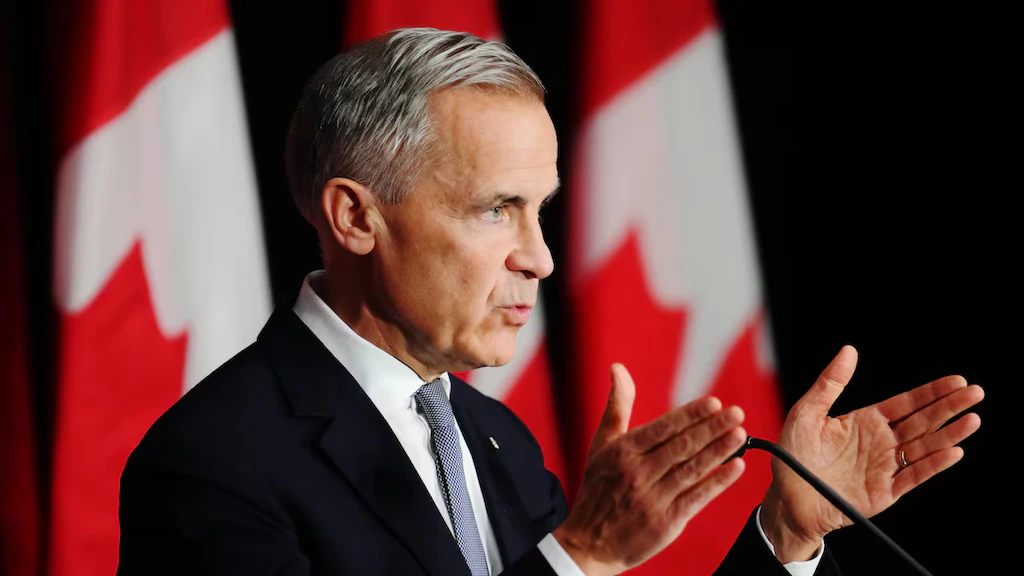
Trade relations between Canada and the United States have reached a critical breaking point. At midnight on September 8, 2026, Canada officially put into action a massive wave of retaliatory tariffs targeting CA$27.6 billion worth of American goods. This decisive move is a direct, dollar-for-dollar response to the 50 percent tariffs the United States slapped on Canadian products under Section 338 legal authority.
What started as heated political negotiations over trade terms has now spiraled into a full-scale economic showdown across North America. Canadian officials have made it clear that Ottawa will not back down, choosing to match Washington’s penalties measure for measure. As border agents begin applying these new tax rates on imported shipments, businesses and everyday shoppers on both sides of the border are preparing for higher costs, supply chain shifts, and a prolonged period of uncertainty.
Inside the CA$27.6 Billion Retaliation: What Just Happened?
The announcement of the final tariff framework arrived after weeks of intense government review and public debate. Canadian Finance Minister François-Philippe Champagne, alongside federal leadership, confirmed that the new counter-tariffs match the exact dollar value of the trade hits coming from Washington.
The retaliatory duties are divided into tiered brackets of 15 percent, 25 percent, and 50 percent depending on the specific product category. Rather than spreading the taxes evenly across all imported goods, Ottawa deliberately targeted key industrial, agricultural, and manufacturing sectors.
For several major product lines, existing counter-tariffs have doubled overnight. Heavy industrial inputs like American steel, aluminum, and iron products are now subject to a steep 50 percent tariff rate. Household goods such as furniture, specialized clothing, and paper products were also bumped into the highest 50 percent bracket. Meanwhile, mid-tier 25 percent tariffs are taking effect on household appliances, electronic equipment, commercial plastics, and agricultural machinery.
Build Funnels, Email Lists & Sell Online With One Free Tool
Create funnels, send emails, and sell online using Systeme.io without paying for multiple tools.
Create Free AccountFree forever • No credit card • Beginner-friendly
This latest move builds upon earlier retaliatory steps taken by Ottawa. Over the summer, Canada laid the groundwork by introducing tariffs on U.S. copper wire and wood charcoal, followed by initial duty increases detailed when new 15 to 50 percent tariffs on U.S. goods were first explained. The September implementation locks those initial steps into place while dramatically expanding the range of hit products.
How Did We Get Here? The Breakdown of U.S.-Canada Trade Talks
To understand why this economic clash is happening now, it helps to look at how high-level talks broke down over recent months. Canadian and American officials spent months negotiating behind closed doors to craft an updated trade agreement. However, those discussions ran into major disagreements over trade policy, domestic protections, and border regulations.
The tone of the debate sharpened dramatically after Washington escalated pressure on Canadian exporters. President Donald Trump publicly criticized Canadian trading practices, leading to aggressive trade measures that included banning Canadian dairy, alcohol, and motorcycles and moving to enact a broader policy banning Canadian alcohol imports. Tension mounted further when Trump made blunt public statements where he labeled Canada as the worst abuser of trade arrangements.
Despite strong pressure from Washington, Canadian Prime Minister Mark Carney drew firm lines during negotiators’ final sessions. Canadian officials pointed out that while Washington pointed to trade imbalances, official U.S. trade data revealed a massive merchandise trade surplus for the United States when energy exports were excluded. Prime Minister Carney stated that Canada would not compromise on fundamental national priorities, including agricultural supply management systems and long-standing legal protections for the French language and Canadian culture.
The decision to walk away from a deal that compromised national sovereignty enjoyed broad political and public backing in Canada. Domestic polling demonstrated that Canadians strongly stand behind PM Mark Carney’s decision to reject the U.S. trade deal. Leaders across the political spectrum voiced strong unity, with Conservative Leader Pierre Poilievre echoing national sentiment by telling American media outlets that Canada will never be the 51st state.
Which U.S. Products Are Directly Affected by the Counter-Tariffs?
The list of American products subject to Canadian counter-tariffs is extensive. It is designed to create targeted economic pressure in key manufacturing and agricultural states across the U.S. border.
Industrial Metals and Raw Materials
Building contractors, structural fabricators, and hardware suppliers will see immediate price changes on raw metal imports.
- Steel and Iron Products: Raw steel sheets, structural beams, pipe fittings, and iron construction materials face a 50 percent tariff.
- Aluminum and Derivatives: Unwrought aluminum, alloy sheets, extrusions, and secondary aluminum items face a 50 percent tariff.
- Copper Wire and Charcoal: Special industrial copper wiring, industrial fasteners, and wood charcoal remain taxed at the top 50 percent bracket.
Agriculture, Food, and Dairy
Grocery store supply chains and food production facilities face major adjustments as key food items receive hefty import surcharges.
- Concentrated Milk and Dairy: Powdered milk, concentrated cream, and processed dairy products face a 50 percent duty rate.
- Cheeses and Specialty Dairy: Processed cheeses, butter derivatives, and specialty dairy imports face a 25 percent duty rate.
- Seafood and Processed Foods: Frozen fish cuts, shell products, and select packaged grocery items face a 25 percent tariff.
Consumer Appliances, Electronics, and Manufacturing Equipment
Retailers and tech suppliers are adjusting ordering systems to manage incoming duties on everyday tech and home appliances.
- Home Appliances: American-built washing machines, dryers, refrigerators, and dishwashers carry a 25 percent border tax.
- Agricultural Equipment: Commercial tractors, harvesting gear, soil processing machinery, and replacement parts carry a 25 percent duty rate.
- Electronics and Pulp Products: Electronics assemblies, circuit hardware, commercial paper rolls, and packaging materials face duties ranging from 15 to 25 percent.
Clothing, Furniture, and Household Items
Everyday home items and retail apparel lines were hit with top-tier rates to encourage consumers to pivot to local alternatives.
- Furniture: Residential sofas, wooden tables, office desks, and outdoor seating imported from the U.S. face a 50 percent tariff.
- Apparel and Apparel Accessories: Specific lines of manufactured clothing, workwear uniforms, and footwear face a 50 percent tariff rate.
Understanding how these items fit into daily expenses helps explain what the U.S.-Canada tariff war will really cost consumers in both countries as shelf prices adjust.
Canada’s Defense Plan: The CA$7.5 Billion Aid Sinking into Local Industry
Putting tariffs on imported goods can cause collateral hardship for domestic companies that rely on cross-border supply chains. Recognizing this danger, the Canadian federal government introduced a comprehensive CA$7.5 billion economic relief package alongside its counter-tariffs.
This financial plan is built around an economic strategy known as “Build Here.” Led by Industry Minister Mélanie Joly and Finance Minister François-Philippe Champagne, the initiative aims to boost domestic manufacturing, support affected workers, and reduce Canada’s reliance on American imports over time. Details of this long-term policy vision highlight how Mark Carney plans to fight back against new U.S. tariffs by investing heavily in Canadian factories and energy infrastructure.
The CA$7.5 billion relief package distributes funds across several key operational programs:
- Canada Strong Diversification Fund (CA$2 Billion): Grants and low-interest capital backing aimed at large manufacturers, tech firms, and industrial facilities looking to retool their operations or upgrade equipment to serve non-U.S. markets.
- Regional Development Agency Support (CA$1.5 Billion): Direct relief funds channeled through regional economic agencies to aid small and medium-sized enterprises (SMEs). The maximum non-repayable contribution limit for eligible small businesses was raised from CA$1 million to CA$3 million.
- BDC Pivot to Grow Program (CA$500 Million): Administered through the Business Development Bank of Canada, this dedicated credit line offers flexible loans between CA$250,000 and CA$5 million to help businesses manage sudden tariff-induced cash flow disruptions.
- Worker Protection and Employment Insurance Expansion: Direct income support, retraining vouchers, and extended Employment Insurance benefits for industrial workers affected by trade slowdowns or factory shifts.
Government leaders have emphasized that these measures are intended to provide real peace of mind to workers and business owners. As outlined when Mark Carney promised government support for Canadians, the goal is to keep local companies solvent while they alter supply routes and build new commercial links.
Beyond domestic funding, Canada is actively looking across oceans to build stronger economic buffers. Ottawa has accelerated trade conversations with European partners, detailing a strategic vision for a pivot to Europe and associate status within EU trade frameworks to open alternative markets for Canadian grains, metals, and tech products.
Economic Ripple Effects: Swing States, Shopping Shifts, and a Prolonged Rift
The economic impact of this tariff escalation extends far beyond government press conferences. It is already reshaping political races, corporate purchasing decisions, and everyday consumer habits across North America.
Political Fallout in the U.S. Midterms
The Canadian counter-tariffs were deliberately crafted to hit key manufacturing and agricultural hubs located in American swing states. U.S. exporters of paper, dairy, heavy machinery, and steel are raising concerns about lost market access in Canada. As a result, analysts note that the U.S.-Canada trade war is hitting Republican midterm campaigns as voters in industrial districts demand solutions to rising input costs and lost sales.
The Great Northern Backlash and Consumer Behavior
Across Canadian cities and towns, consumer sentiment has shifted noticeably. Many shoppers are making a conscious effort to buy Canadian-made foods, local appliances, and domestic furniture while avoiding U.S. brands. Travel habits are also shifting rapidly. A growing trend known as the Great Northern Backlash has seen Canadians ditching U.S. goods and vacations in favor of local road trips, domestic flights, and European destinations.
Preparing for a Multi-Year Trade War
Neither government appears ready to step back anytime soon. Economists warn that supply chains cannot be restructured overnight, and trade legal battles at international bodies often drag on for years. Communities across the continent are learning how everyday people are bracing for a long trade war. Industry experts increasingly agree that the trade war between Canada and the U.S. could stretch far past the midterms, becoming a semi-permanent feature of North American commerce.
Frequently Asked Questions (FAQs)
When did Canada’s new retaliatory tariffs officially take effect?
The counter-tariffs took effect at 12:01 a.m. on Tuesday, September 8, 2026. Border enforcement began immediately across all commercial entry points for U.S. imports, though shipments that were already in transit before midnight were granted temporary exemptions under standard customs rules.
What products are hit with the highest 50 percent tariff rate?
The top 50 percent tariff tier applies heavily to American steel, aluminum, and iron products, as well as specific lines of wood charcoal and copper wire. It also covers select U.S. furniture, manufactured clothing, and targeted concentrated dairy products like milk powder and bulk cream.
Will these counter-tariffs make everyday goods more expensive?
In the short term, yes. Higher border taxes can lead to increased costs for imported American goods on store shelves. However, Canada’s tariff structure deliberately avoids basic raw fuels like gasoline and focuses on items where domestic or international non-U.S. alternatives exist.
How does the Canadian government’s aid package help small business owners?
The federal government allocated CA$1.5 billion directly to regional development agencies, raising non-repayable aid caps for small and medium-sized businesses from CA$1 million to CA$3 million. Additionally, small business owners facing short-term cash flow issues can access low-interest loans ranging from CA$250,000 to CA$5 million through the Business Development Bank of Canada’s Pivot to Grow program.
Are Canadian tariffs on American automobiles still in place?
Yes. Existing tariffs on U.S.-built automobiles remain fully active alongside the new counter-tariffs on industrial metals, agricultural goods, and household appliances, forming a complete protective ring around key Canadian manufacturing sectors.
Looking Ahead: What to Expect Next
The launch of Canada’s CA$27.6 billion tariff response marks the beginning of a new chapter in North American trade. As both nations adjust to higher border barriers, the focus now shifts to how quickly supply chains can adapt. Canadian businesses are actively tapping into government funding streams, upgrading machinery, and forming new trading partnerships across Europe and Asia. At the same time, American exporters are feeling the pressure of tariff barriers in one of their largest export markets.
Navigating rapid economic shifts requires staying informed on modern tech solutions, market changes, and digital trends. If you want to explore how artificial intelligence is transforming modern global industries, check out our latest breakdowns in Technology & AI. For creators and entrepreneurs seeking to build scalable online channels and modern content workflows during economic shifts, explore our step-by-step guides under YouTube Automation.
Build Funnels, Email Lists & Sell Online With One Free Tool
Create funnels, send emails, and sell online using Systeme.io without paying for multiple tools.
Create Free AccountFree forever • No credit card • Beginner-friendly
Want to learn more about our mission to bring clear, honest, and accessible news straight to your screen? Visit our About Page to see what drives our team, or feel free to drop us a note anytime via our Contact Page.
You can also join the ongoing conversation on social media! Connect with our community, share your thoughts on the latest trade developments, and follow live updates on Instagram, check us out on Facebook, and follow the real-time discussion on X (formerly Twitter).
