
A trip to the local grocery store looks a bit different in Canada these days. Shoppers are taking an extra moment to flip over jars of peanut butter, check the stickers on apples, and read the fine print on clothing tags. They are looking for one specific phrase: Made in the USA. If they see it, the item goes right back on the shelf.
Cross-border shopping has always been a big part of the relationship between the United States and Canada. For decades, Canadians happily bought American cars, snacks, and tech gadgets without a second thought. But political shifts and trade decisions coming out of Washington during the Trump era have deeply changed how many neighbors to the north spend their money.
People grew frustrated with harsh trade talk, tariffs, and constant political tension. To send a message, thousands of Canadians decided to speak with their wallets. The boycott against Trump’s America is quiet, steady, and happening in everyday moments. From cancelling winter vacations to Florida to swapping out American ketchup for a local brand, the movement is very real. Let us look closer at what is driving this change and how it is reshaping shopping habits across the country.
The Spark Behind the Boycott
The tension did not start overnight. It began to build when the US administration introduced heavy tariffs on Canadian steel and aluminum. These taxes made it much more expensive for Canadian companies to sell their raw materials across the border. Leaders in Washington cited national security reasons to justify the move. That specific claim confused and angered many people in Canada.
For a country that has fought alongside the US in major wars and shares the longest undefended border in the world, being called a national security threat stung. It felt like a betrayal between best friends. Trade agreements that stood for years were suddenly pushed aside and renegotiated with intense pressure.
The $0 Secret To Launching Your Entire Online Empire
Why pay hundreds every month for separate software? Build funnels, send emails, and make sales with Systeme.io completely free.
Get Started For $0Free Forever • No Credit Card Needed • Beginner-Friendly
In response, the Canadian government placed its own matching tariffs on billions of dollars worth of American products. But everyday citizens wanted to do more than just watch politicians argue on television. They wanted a way to take personal action. Boycotting American goods became the easiest and most direct way to push back against policies they felt were disrespectful.
Taking Action at the Grocery Store
Food is the main battleground where this boycott is most visible. Grocery stores are filled with imported goods, making it a simple place for consumers to make a choice. People who used to grab whatever was on sale are now paying close attention to labels and origin stickers.
Take ketchup, for example. For years, Heinz was the go-to brand for most families. But when the company closed its Canadian plant and moved jobs away, a local brand called French’s stepped in, using tomatoes grown in Ontario. The political climate pushed even more shoppers to ditch Heinz completely and switch to French’s to support local farmers.
The same thing is happening in the produce aisle. Shoppers are walking past California strawberries, Florida oranges, and Idaho potatoes. Instead, they are searching for greenhouse-grown vegetables from local farms or fruits imported from Mexico and South America. Even the wine and beer sections are seeing a shift. Bottles from Napa Valley are being traded for wines made in British Columbia or Ontario.
It takes a little more time to shop this way. It sometimes costs a bit more money. Yet, many shoppers say the extra effort is completely worth it to support their own economy and make a point.
The Rise of the Buy Local Movement
The push against American products has created a massive wave of support for Canadian businesses. Local farmers, small manufacturers, and family-owned shops are seeing a real boost in sales. People are taking pride in discovering high-quality items made right in their own backyard.
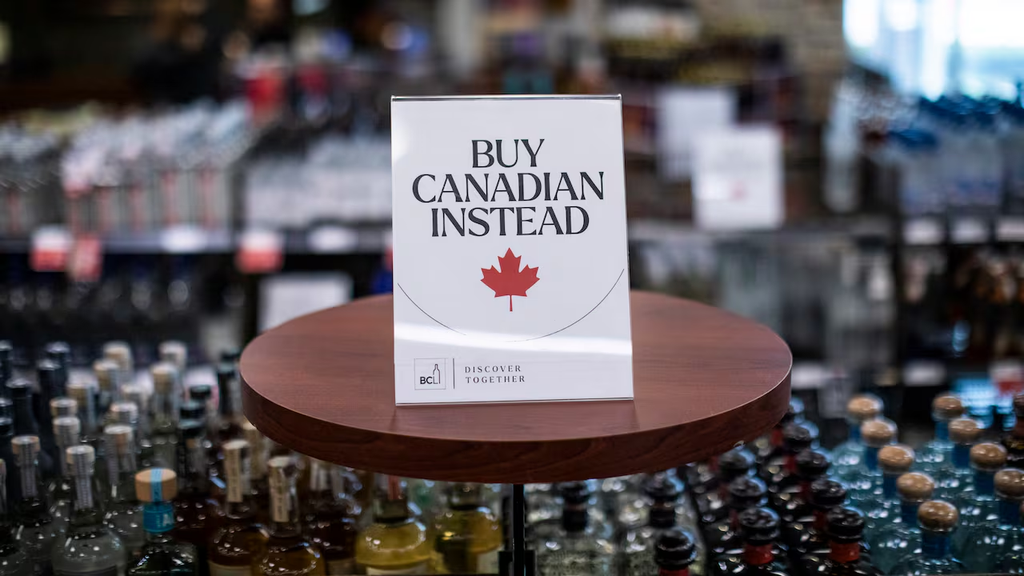
Supermarkets and small shops noticed the trend quickly. Many store owners started putting up bright red and white signs next to local products. These signs make it easy for shoppers to find domestic items without having to read tiny print on the back of a box.
Social media plays a huge role in spreading the word. Campaigns encouraging people to buy local have gone viral across the country. Users share photos of their Canadian-made grocery hauls or write out lists of local alternatives to popular American brands. Communities are bonding over a shared goal of keeping their dollars within the country.
This shift is not just about anger toward the US anymore. It has turned into a highly positive movement about national pride. People are realizing they do not need to rely on their giant neighbor for everything. They are discovering that local companies can produce goods that are just as good, if not better.
Technology Helping the Cause
Figuring out exactly where a product comes from can be tricky. A brand might sound local but be manufactured across the border. A company might have a Canadian office but send all its profits to a parent company in the US. This is where technology steps in to help shoppers make smart choices.
Developers have created smartphone apps and browser extensions that scan barcodes or analyze online product listings to tell you a product’s true origin. These tools make it simple to avoid unwanted imports. If you want to read more about how software and new tools are changing the way we live and shop, check out our articles in the Technology and AI category.
Digital tools are giving power back to the consumer. Instead of standing in an aisle trying to decode a tiny label, a quick scan with a phone gives an instant answer. This ease of use has helped the boycott gain momentum and stick around longer than a passing trend.
Canceling the American Road Trip
The boycott goes far beyond physical products in a shopping cart. It has deeply affected the tourism and travel industry. For generations, Canadians have flocked to the United States to escape the long, cold winters. Places like Florida, Arizona, and Hawaii were packed with travelers who spent months living down south.
Now, travel agents are seeing a different pattern. Many people are flat-out refusing to cross the border for vacation. They are cancelling weekend shopping trips to border cities like Buffalo, Detroit, and Seattle. Family road trips to US national parks are being swapped for camping trips in the Canadian Rockies or the Maritimes.
Instead of flying to Miami, travelers are booking flights to the Caribbean, Mexico, or Europe. Some are choosing to explore their own massive country, taking trains across the provinces or renting cabins by the lake. The drop in Canadian tourists has meant a noticeable loss in revenue for US hotels, restaurants, and shopping malls near the border.
Send, Spend & Hold Money Worldwide Without Hidden Fees
Transfer money internationally at the real exchange rate and hold 40+ currencies in one account.
Open a Wise AccountMid-market rate • Fast transfers • 40+ currencies
Navigating the Online Shopping Shift
Avoiding American products in a physical store is one thing, but doing it online is another challenge completely. E-commerce is heavily dominated by massive US corporations. When you need something quickly, it is very easy to click a button on a giant American retail site and have it delivered the next day.
However, the boycott mindset is changing digital habits too. Consumers are actively looking for local online alternatives. They are seeking out Canadian-owned platforms, searching for local sellers on big marketplaces, or buying directly from the websites of independent makers.
The shift in how people spend time and money online is huge right now. A lot of creators are even finding new ways to build businesses online without relying entirely on traditional US systems. Some are using automated channels to generate income and share local stories. You can learn more about these digital strategies in our YouTube Automation category.
The online boycott requires more research from the buyer, but the commitment remains strong. People are writing blogs and sharing lists of domestic online stores to help others make the switch easily.
Can You Really Avoid US Products Completely?
The big question is if a total boycott is even possible. The Canadian and American economies are deeply connected. Supply chains are tangled together in very complex ways. A car might be assembled in Ontario, but its engine parts likely crossed the border multiple times before the vehicle was finished.
Even everyday items are complicated. A local company might make a cotton shirt, but the cotton itself might have been grown in Texas. A popular Canadian app might be hosted on servers sitting in California. Because of this, a one hundred percent perfect boycott is nearly impossible.
Most people participating in the movement understand this perfectly well. They are not aiming for perfection. They are aiming for impact. By changing the habits they can easily control—like food, clothing, paper products, and travel—they are sending a strong financial signal. The goal is to make a dent and show solidarity, not to build an impossible wall between the countries.
The Impact on Cross-Border Culture
Beyond money and trade, this movement is shifting how Canadians view their relationship with the US. The two countries have always shared a pop culture, language, and a general sense of being on the same team on the global stage.
The harsh political language that sparked the boycotts caused a real emotional divide. It made many people feel like they needed to step out of America’s shadow and assert their own unique identity. This has led to a boom in supporting homegrown music, television shows, authors, and artists.
While personal friendships across the border remain strong, the blind loyalty to American brands is largely gone. The assumption that the US will always act as a friendly and fair partner has been damaged. It will take a lot of time and diplomatic work to rebuild that level of comfort and reliance.
The $0 Secret To Launching Your Entire Online Empire
Why pay hundreds every month for separate software? Build funnels, send emails, and make sales with Systeme.io completely free.
Get Started For $0Free Forever • No Credit Card Needed • Beginner-Friendly
What This Means for Future Trade
As time goes on and political leaders change, strict rules and tariffs often fade away. But consumer habits are incredibly hard to break once they are formed.
Now that a family has found a local brand of coffee they love, they probably will not switch back to the American brand they used to buy, even if tensions cool down. Now that travelers have discovered the beauty of alternative winter vacations, they might skip the Florida trip next year too.
The boycott has forced the Canadian market to become more self-reliant. Businesses have scaled up to meet local demand. Farmers have expanded their crops to feed their neighbors. This newfound independence will likely stick around for a long time. American companies hoping to win back these lost customers will have to work hard to rebuild trust and prove their value.
A Changing Landscape for Shoppers
The entire landscape of retail is shifting. Shoppers want their money to reflect their personal values. If they feel disrespected by a country’s policies, they will take their money elsewhere. It is a powerful reminder that every dollar spent is a vote for the kind of world people want to live in.
This movement proves that everyday people have immense power. You do not need to be a politician to influence international trade. You just need to look at a label, make a conscious choice, and put a different item in your shopping cart.
Frequently Asked Questions
What exactly are Canadians boycotting? People are primarily avoiding goods manufactured or grown in the United States. This includes groceries like certain brands of ketchup, orange juice, and fresh produce. It also extends to larger purchases like cars, clothing, household cleaning supplies, and vacations to US cities.
Why did this movement start? The boycott began as a reaction to trade disputes and harsh tariffs placed on Canadian industries by the US government. Many felt the policies and the language used by American political leaders were unfair and damaging to the long-standing friendship between the two nations.
Is it difficult to find non-US products? It can be tricky because the two economies are very connected. However, reading labels makes a big difference. Many shoppers are easily substituting American groceries with goods produced locally or imported from other countries like Mexico or European nations.
Will this boycott hurt the Canadian economy? Actually, the opposite is happening in many sectors. By choosing to avoid imported goods, shoppers are putting their money directly into local businesses, farms, and manufacturers. This buy-local approach helps strengthen the domestic economy and creates jobs at home.
Where can I learn more about the authors behind these articles? We love sharing stories that matter to you. You can find out more about our team and our mission by visiting our About page. If you have a story idea or want to reach out directly, feel free to drop us a message on our Contact page.
Conclusion
The decision to boycott American goods is more than just a passing news headline for many Canadians. It is a clear statement about respect, fair trade, and national pride. What started as frustration over political arguments and tariffs quickly turned into a massive push to support local industries. Shoppers are proving that small, daily choices at the grocery store or travel agency can add up to a massive economic impact.
While it is nearly impossible to separate the two economies completely, the shift in habits shows that consumers are paying close attention. They are no longer buying things simply out of routine. They are demanding that their purchases align with their values. Even as political climates change over time, the renewed love for homegrown products and local travel is likely here to stay.
We want to hear your thoughts on this cross-border shift. Have you changed your shopping habits recently? Let us continue the conversation online. Follow us and share your stories on our social media platforms. Connect with us on Instagram, join our community on Facebook, and keep up with the latest updates on X. Let us keep learning and growing together.
