
The trade relationship between the United States and Canada has hit a major bump in the road. Washington recently put a massive 50 percent tariff on roughly 20 billion dollars worth of Canadian goods entering the American market. In response, Canadian leaders announced a dollar-for-dollar retaliation, slapping tariffs on nearly 20 billion dollars of American imports.
These cross-border trade taxes are not just abstract policy numbers discussed by politicians in capital cities. They directly impact what you pay at the grocery store, the home improvement center, and the local sporting goods shop. If you live in North America, your standard weekly budget is about to feel the pressure.
Understanding how these import taxes work and where they land can help you plan your finances better. Here is a clear breakdown of what this trade war means for everyday consumers on both sides of the border.
How We Got Here: The Sudden Break in Trade Talks
Trade negotiations between Washington and Ottawa collapsed after weeks of tense discussions. American officials claimed that Canada was engaging in unfair trade practices, particularly regarding dairy policies, alcohol rules, and regional trade restrictions. To enforce the new taxes, the US administration used Section 338 of the Tariff Act of 1930, an old law that allows steep import taxes on countries accused of discriminating against American businesses.
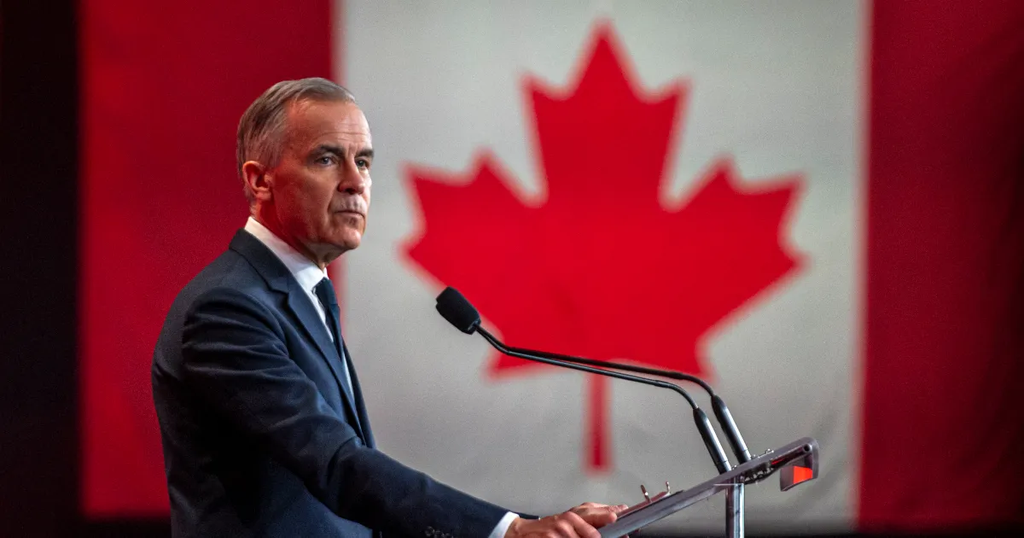
Canadian Prime Minister Mark Carney and Finance Minister François-Philippe Champagne quickly pushed back against the move. Canadian officials called the American tariffs unfair and unjustified. As a result, Canada unveiled its own broad list of US products that will face retaliatory import taxes starting September 8.
The $0 Secret To Launching Your Entire Online Empire
Why pay hundreds every month for separate software? Build funnels, send emails, and make sales with Systeme.io completely free.
Get Started For $0Free Forever • No Credit Card Needed • Beginner-Friendly
Many people wonder who actually pays for a tariff. A common myth is that the exporting country pays the fee directly to the foreign government. In reality, the importing business pays the tax at the border. When an American company imports Canadian lumber or a Canadian retailer imports American appliances, they pay that extra percentage to customs officials. To protect their business margins, these companies pass those added costs straight to retail customers through higher shelf prices.
What Americans Will Pay More For
The 50 percent tariff list released by Washington covers more than 550 distinct product categories. While energy exports and automobiles were kept out of this specific round, plenty of ordinary household items made the cuts.
Grocery and Pantry Items
American shoppers will notice higher price tags on several items in the food and beverage aisle. Natural honey imported from Canadian farms faces the full tariff rate. Gardeners will pay more for imported bulbs, cut flowers, and vegetable seeds used for home planting.
Popular alcoholic drinks imported from northern neighbors are also affected. Well-known Canadian whiskies like Crown Royal and Black Velvet, alongside various craft ciders and beers, face import markups that will likely show up on liquor store receipts soon.
Home Building and Renovation Materials
Homeowners planning repairs or renovations will see higher overall project bills. Canada exports significant amounts of soft wood, plywood sheets, and vinyl flooring materials to the United States. The new tariffs hit these items directly.
Building hardware is also included on the list. Everything from lighting fixtures and wallpaper to furniture knobs, paints, and varnishes will cost more to bring across the border. Construction companies are already warning that home building and basic remodeling costs could jump over the coming months.
Sports Gear, Clothing, and Consumer Goods
Sports enthusiasts will notice the impact in equipment shops. Ice hockey gear, including sticks, gloves, and protective gear produced in Canadian facilities, is subject to the new levy. Golf equipment, fishing rods, and ice skates are also listed.
Everyday consumer products like cosmetics, perfumes, manicuring products, and select winter clothing items are on the list as well. Even household paper goods, including facial tissues and specialty paper products, will see higher import costs.
Electronics and digital devices are not completely spared either. Digital cameras, video recording gear, and select tech hardware produced across the border will carry higher import taxes. Paying attention to global supply chains and trends in technology and AI reveals how tightly connected consumer electronics are. When international trade rules shift suddenly, hardware pricing usually follows right behind.
What Canadians Will Pay More For
Canada’s retaliatory list targets roughly 27.6 billion Canadian dollars in American goods. Canadian leaders designed these counter-tariffs to match the American measures, focusing on industries that matter to key US export states.
American Food and Agricultural Goods
Canadian grocery shoppers will likely see price adjustments on imported American food products. US dairy products, prepared meals, and specific agricultural goods imported from southern states face major tax increases at the border.
Specialty foods, packaged snacks, and imported fruit products will become more expensive as store inventories rotate. Because Canada relies heavily on American agriculture during colder months, these tariffs could lift overall food inflation in local grocery aisles.
Household Appliances and Daily Toiletries
Everyday household shopping in Canada will also get pricier. American-made kitchen appliances, laundry machines, and home cooling units are on the Canadian tariff list. Buying a new refrigerator or washing machine could cost significantly more this autumn.
Personal care goods and daily household paper items face similar hits. Toilet paper, paper towels, cosmetics, and beauty products made in the US will carry extra fees when entering Canadian distribution centers.
Industrial Metals and Farm Equipment
Canada has targeted American steel, aluminum products, and agricultural machinery. When local Canadian construction firms and farmers pay more for tools, tractors, and raw steel, their operational costs go up dramatically.
Send, Spend & Hold Money Worldwide Without Hidden Fees
Transfer money internationally at the real exchange rate and hold 40+ currencies in one account.
Open a Wise AccountMid-market rate • Fast transfers • 40+ currencies
These cost increases do not stay contained within heavy industry. Higher farming costs mean higher prices for locally produced crops, while expensive building materials drive up local housing and infrastructure expenses.
The Bigger Impact on Household Budgets
Beyond individual item prices, trade wars create broader economic ripples that touch everyone’s wallet. Economists predict that these combined tariffs could raise overall inflation rates in both countries over the next year. When price levels rise across multiple categories at once, your purchasing power goes down even if your salary stays the same.
Small businesses are caught in a particularly difficult position. Large corporations can sometimes negotiate lower supplier prices or shift manufacturing locations to avoid tariffs. Small retail shops, local contractors, and independent grocers usually cannot do that. They must either absorb the extra 25 to 50 percent costs themselves, which cuts into their thin profits, or raise prices and risk losing customers.
Because traditional jobs and physical businesses face these economic headwinds, many individuals are looking for ways to protect their household income. Exploring side businesses and digital income models like YouTube automation has become a popular route for people seeking extra financial stability. Building secondary income sources online can help offset the rising costs of daily living caused by inflation and trade conflicts.
Smart Ways to Protect Your Budget Right Now
You do not have to sit back and simply absorb higher retail prices. Taking a few proactive steps can help keep your household finances in good shape while these trade disputes play out.
Shop Local and Choose Domestic Alternatives
The simplest way to avoid paying imported tariff costs is to buy products made within your own country. For Americans, that means choosing domestic lumber, local honey, and domestic sporting goods. For Canadians, that means prioritizing local produce, Canadian dairy, and domestic home goods.
Checking product labels before heading to the checkout counter can save you money. Replacing imported brand names with local alternatives keeps your money in your local economy while bypassing extra import fees.
Buy Household Essentials Before Stock Refreshes
Retailers usually keep several weeks or months of inventory in their warehouses that were imported before new tariffs took effect. Once that older stock runs out, replacement inventory will carry higher wholesale prices.
If you know you will need non-perishable goods, home hardware, or sports equipment in the near future, buying those items early can help you lock in lower pre-tariff pricing.
Re-evaluate Spending and Build a Buffer
When living costs go up across multiple categories, updating your monthly budget is essential. Look at your recurring subscriptions, dining expenses, and non-essential shopping to find areas where you can trim back.
The $0 Secret To Launching Your Entire Online Empire
Why pay hundreds every month for separate software? Build funnels, send emails, and make sales with Systeme.io completely free.
Get Started For $0Free Forever • No Credit Card Needed • Beginner-Friendly
Redirecting those small savings into a emergency fund creates a financial cushion. Having cash set aside makes it much easier to handle unexpected price jumps at the store or higher seasonal utility bills.
Frequently Asked Questions
Why did the US and Canada put 50 percent tariffs on each other?
The US government imposed 50 percent tariffs on select Canadian goods after trade talks collapsed, citing long-standing disagreements over dairy, alcohol, and regional trade rules. Canada responded with matching dollar-for-dollar retaliatory tariffs on American imports to defend its domestic industries and economic position.
Who actually pays the tariff fees?
Tariffs are paid by the importing company located inside the country imposing the tax. The foreign government sending the goods does not pay this fee. Importers usually pass these added costs down to retail consumers through higher product prices.
When will shoppers see higher prices in stores?
Some price changes happen almost immediately, but most retail price hikes take a few weeks to show up. As stores sell through their existing pre-tariff inventory and restock with newly imported goods, higher prices will start appearing on store shelves.
Are cars and gasoline included in these new tariffs?
Automobiles and energy products were excluded from this specific round of Section 338 tariffs. However, leaders on both sides have threatened that auto tariffs could be introduced later if trade negotiations do not resume and reach a compromise.
How long are these tariffs expected to last?
There is no fixed expiration date for these import taxes. They will remain in effect until both governments return to the negotiating table, resolve their trade disputes, and agree to lower or remove the tariffs mutually.
Navigating sudden economic changes requires staying informed and keeping a close eye on your spending habits. As trade policies continue to shift between neighboring nations, making deliberate shopping choices will help keep your budget steady.
To learn more about who we are and what we do, visit our about page! If you have questions, feedback, or story ideas you would like to share, reach out to us directly through our contact page.
You can also follow our community updates and join the discussion on Instagram, check out our latest posts on Facebook, and catch real-time news updates on X.
