
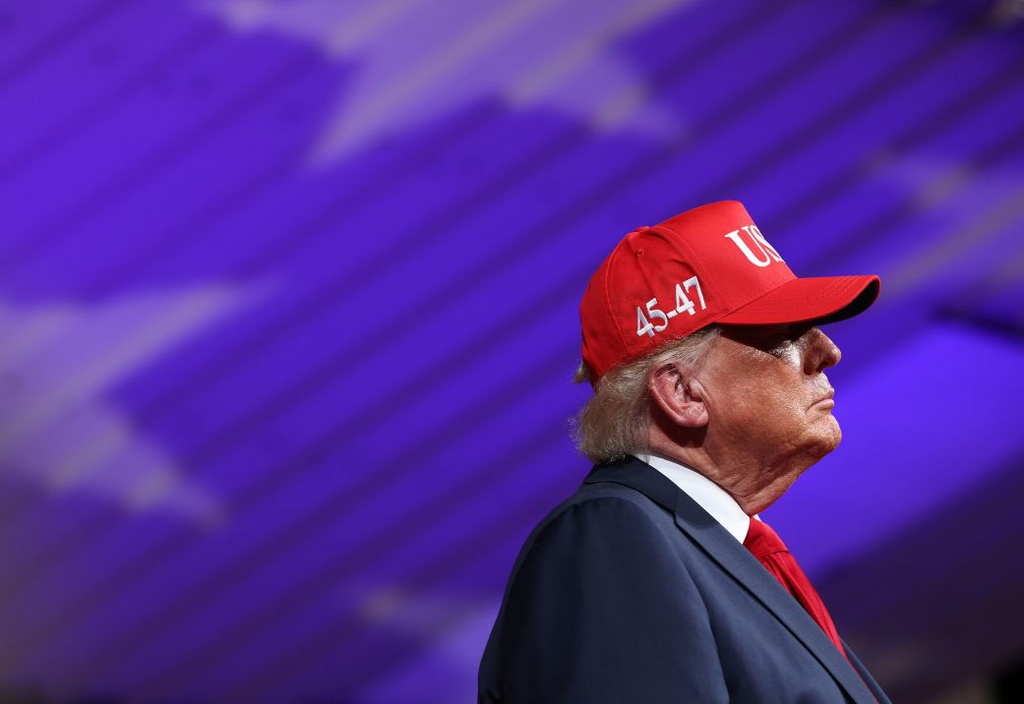
Minnesota politics is seeing a major shift right now, and voters across the state are paying close attention. Republican candidates who once embraced Donald Trump are starting to step back. With the upcoming midterm elections getting closer, a growing number of local conservative politicians are choosing to keep their distance from the president.
This is not happening by accident. Republican leaders in Minnesota are looking at the everyday concerns of local voters, from rising fuel prices to trade conflicts that hit close to home. Instead of blindly following the national party line, several high-profile candidates are openly speaking out against federal policies that they feel are hurting families and small businesses in the state.
The most noticeable example of this shift comes from Minnesota House Speaker Lisa Demuth. Demuth, who won the Republican nomination for governor, recently made headlines by calling for a swift end to the war in Iran. Her comments mark one of the most direct breaks from President Trump by a top Minnesota Republican this election season.
She is not the only one making this move. Local candidates across different districts are noticing that voters are worried about real economic pressures. As a result, many are rethinking how closely they want to connect their campaigns to the White House.
The Big Break in the Minnesota Governor Race
The race for Minnesota governor has become the centerpiece of this political shift. Lisa Demuth secured the Republican nomination after a hard-fought primary in August against businessman Mike Lindell and health technology executive Kendall Qualls. Lindell had received the personal endorsement of Donald Trump, while Demuth built her campaign on state-level conservative leadership and fiscal accountability.
The $0 Secret To Launching Your Entire Online Empire
Why pay hundreds every month for separate software? Build funnels, send emails, and make sales with Systeme.io completely free.
Get Started For $0Free Forever • No Credit Card Needed • Beginner-Friendly
Winning that primary without Trump’s endorsement gave Demuth a unique position. She proved that a Republican candidate in Minnesota could win a statewide party primary without relying on the president’s backing. Now, as she faces Democratic nominee Amy Klobuchar in the general election, Demuth is using that independence to appeal to a wider audience of suburban and moderate voters across the state.
During a recent press conference, Demuth spoke openly about the war in Iran and its impact on Minnesota families. She pointed out that escalating military conflict overseas is driving up gas, diesel, and fertilizer prices across the Midwest. For farmers in rural Minnesota preparing for harvest and working families filling up their gas tanks every morning, those rising expenses are hitting hard.
Demuth told reporters directly that she and President Trump are different people. She noted that while she wants to see Minnesota thrive, she believes it is time for the White House to wrap up the foreign conflict. According to local news reports from MPR News, Demuth emphasized that increased prices resulting from the conflict are actively hurting Minnesotans. By focusing on how federal decisions affect local pocketbooks, Demuth is sending a clear message that Minnesota voters come first in her campaign.
Why Minnesota GOP Candidates Are Rethinking Their Ties
Political campaigns are always about reading the room, and right now, the room in Minnesota is asking for practical solutions to daily money problems. Republican candidates across the state are seeing several key reasons to create space between themselves and the White House.
High Prices at the Pump and on the Farm
Economic pressure is one of the primary reasons local candidates are shifting their tone. When foreign military conflicts drag on, global energy markets react quickly. Minnesota relies heavily on affordable transportation and agriculture, meaning higher fuel costs hit the local economy almost immediately.
Farmers are facing skyrocketing costs for fertilizer and tractor fuel right as harvest season arrives. When candidates talk to rural voters, those expenses are the main topic of conversation. Local politicians know that ignoring these cost increases could cost them votes on Election Day. That is why seeing candidates push back against endless overseas wars is becoming a common theme in Minnesota campaigns.
This trend is not limited to Minnesota alone. Across the country, lawmakers are growing restless over military engagements overseas. In fact, legislative friction has spilled onto Capitol Hill as the U.S. House votes for a third time to force an end to the Iran war as conflict drags on. Candidates in swing states know that voters want resolution, not endless spending abroad.
Furthermore, many local campaign advisers are warning that national controversies are overshadowing local economic achievements. You can read more about why Republicans are panicking about Donald Trump heading into the midterm elections as economic pressures build across key battlegrounds.
The Impact of Trade Disputes and Tariffs
Trade is another huge issue causing friction between Minnesota Republicans and the national party platform. Minnesota shares a direct northern border with Canada, making trade with Canadian neighbors vital for state businesses, agricultural producers, and manufacturers.
When federal tariff policies disrupt that trade relationship, local businesses feel the impact immediately. Demuth recently described new tariffs on Canadian goods as damaging to Minnesota’s economic health. When cross-border commerce slows down or becomes more expensive, local jobs and consumer prices are directly affected.
For Minnesota dairy farmers and timber processors, trade stability is essential for survival. When federal policies create barriers, local candidates feel obligated to step in and defend their homegrown industries. For a detailed look at how these international friction points affect local races, explore how the U.S. Canada trade war hits Republican midterm campaigns as swing state industries brace for tariff damage.
Winning Over Suburban Swing Voters
Suburban voters around Minneapolis and St. Paul often decide statewide elections in Minnesota. These voters are frequently focused on school quality, local taxes, public safety, and economic stability. Many of them prefer practical, grounded leadership over national political drama.
Local Republican candidates recognize that tying every message to national party figures can alienate suburban independents. By showing that they can disagree with federal leaders on specific policies, candidates aim to show voters that they are independent thinkers who put Minnesota first.
How Minnesota Democrats Are Responding to the Shift
While Republican candidates are adjusting their message, Minnesota Democrats are not letting them off the hook easily. Democratic leaders and campaign teams are paying close attention to these sudden policy shifts and using them to shape their own campaign narratives.
A spokesperson for Democratic U.S. Senator Amy Klobuchar responded quickly to Demuth’s recent comments on the Iran conflict. Democrats pointed out that for months, many state Republicans remained silent on federal trade policies and foreign wars while gas prices were steadily climbing.
Send, Spend & Hold Money Worldwide Without Hidden Fees
Transfer money internationally at the real exchange rate and hold 40+ currencies in one account.
Open a Wise AccountMid-market rate • Fast transfers • 40+ currencies
Democrats are sharing clips of past interviews in campaign advertisements to argue that these public shifts are purely political moves designed for the upcoming election. They claim that candidates are only changing their message now because opinion polls show voters are unhappy with rising costs.
During last year’s legislative sessions and public appearances, several candidates sidestepped tough questions regarding federal policies. Now that the midterms are around the corner, Democrats are eager to remind voters of that timeline.
This back-and-forth highlights how high the stakes are in Minnesota this year. Voters are watching both sides closely to decide whether these campaign shifts represent genuine policy differences or standard election season strategy.
Is Distance From Trump Becoming a Wider National Trend?
What is happening in Minnesota is not an isolated event. Across the United States, several Republican candidates in competitive districts are making similar strategic decisions as the midterms approach.
In swing states like Michigan, Iowa, and Florida, GOP nominees have put out advertisements highlighting their disagreements with federal policies on trade, foreign war spending, and federal enforcement strategies. For instance, some federal lawmakers have openly criticized immigration strategies, as seen when a Republican congresswoman publicly calls out Trump over immigration strategy.
In other cases, lawmakers have taken formal steps in Washington to challenge federal military actions, including instances where a GOP representative moves to impeach Defense Secretary Pete Hegseth over unlawful Iran war concerns.
At the same time, national Republican leaders maintain that the party has a strong message for working families. President Trump continues to promise aggressive campaign efforts across key states, insisting that voters still favor conservative economic policies. You can learn more about those claims by reading about how Donald Trump promises full campaign blitz for midterms and insists Republicans have a winning message.
This tension between local candidate messaging and national party bluster creates a fascinating dynamic. Local candidates must navigate state-specific realities, while national leaders focus on broader party strategy.
Key Battles to Watch in Minnesota’s Upcoming Election
As election day draws nearer, several key contests in Minnesota will show how effective this independent strategy really is.
First, the governor’s race between Lisa Demuth and Amy Klobuchar will test whether a state Republican candidate can successfully appeal to rural conservatives and suburban moderates at the same time. Demuth’s ability to maintain her conservative base while speaking out against federal policies like tariffs will be critical.
The $0 Secret To Launching Your Entire Online Empire
Why pay hundreds every month for separate software? Build funnels, send emails, and make sales with Systeme.io completely free.
Get Started For $0Free Forever • No Credit Card Needed • Beginner-Friendly
Second, state legislative races across suburban districts will offer a clear window into voter sentiment. State representatives and senators are focusing heavily on local issues like property taxes, public school funding, and community safety to keep the focus on state government rather than national arguments.
Third, voter turnout rules and court rulings continue to play a major role in how campaigns organize their outreach efforts. For context on national voting rules and legal battles heading into election day, check out what happened when the Supreme Court rejects Trump mail-in voting plan ahead of midterms.
Local campaigns are adjusting their ground games daily, ensuring they reach every potential voter in both small towns and large suburban neighborhoods.
The Role of Local Issues in Statewide Races
When national news dominates the headlines, it is easy to forget that local issues often drive voter behavior at the ballot box. In Minnesota, state-level governance revolves around practical matters that affect daily routines.
Budget surplus discussions, infrastructure repairs, local crime rates, and education funding are consistently top-of-mind for residents. Republican candidates who emphasize their track record on these issues are finding better traction with voters than those who focus purely on national talking points.
For instance, Demuth’s campaign has put heavy emphasis on fraud prevention in state agencies, reducing lowest-tier income taxes, and eliminating taxes on social security benefits for senior citizens. These local economic proposals allow candidates to connect directly with taxpayers without getting bogged down in national controversies.
By highlighting concrete plans for state government, candidates give voters a clear reason to support them based on local outcomes rather than federal loyalties.
Frequently Asked Questions
Why are Minnesota Republican candidates distancing themselves from Donald Trump?
Many Minnesota GOP candidates are stepping back from President Trump to address local voter concerns regarding high gas prices, rising fertilizer costs, and damaging trade tariffs on Canadian goods. Candidates are focusing on Minnesota-specific economic realities to win over swing voters in competitive districts.
Who is Lisa Demuth?
Lisa Demuth is the Speaker of the Minnesota House of Representatives and the Republican nominee for Minnesota Governor in the 2026 midterm elections. She won the GOP primary against Trump-endorsed candidate Mike Lindell.
Did Donald Trump endorse Lisa Demuth in the primary?
No, Donald Trump endorsed candidate Mike Lindell during the Minnesota Republican primary for governor. Demuth won the primary with 43.4% of the vote without the president’s endorsement.
How are tariffs on Canadian goods impacting Minnesota?
Because Minnesota shares a border with Canada, trade tariffs on timber, dairy, and consumer products can increase prices for local families and disrupt business operations. Several local candidates have criticized these tariffs as damaging to Minnesota’s economy.
How are Minnesota Democrats reacting to these candidate shifts?
Democrats argue that Republicans are making these changes purely for political reasons ahead of the election. They point out that many candidates stayed silent on rising costs and foreign policy issues until public opinion polls showed voter dissatisfaction.
Navigating political news can sometimes feel overwhelming with so many updates happening every day. Understanding how local candidates balance national party lines with local voter needs gives clear insight into how decisions in Washington directly affect daily life in Minnesota.
If you want to learn more about our publishing team and mission, visit our About Us page or reach out directly through our Contact page. Stay connected with real-time political analysis and trending updates by following our official social channels on Instagram, Facebook, and X.
