
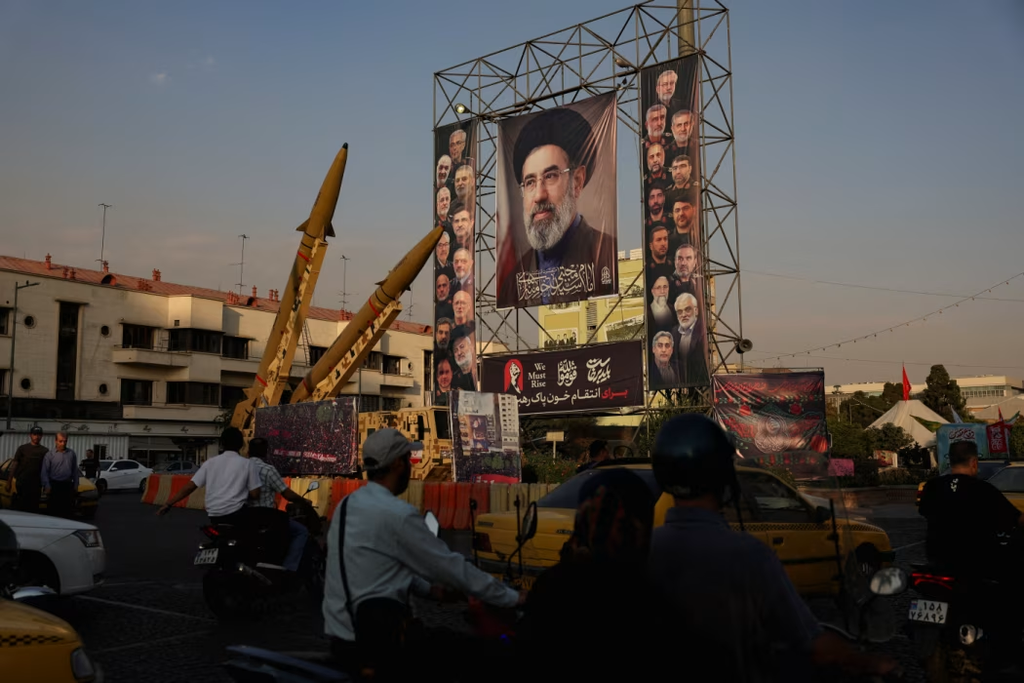
International peace mediators are putting intense pressure on Iran to make major concessions on its nuclear program. Middle Eastern officials from Qatar and surrounding Gulf states are scrambling behind the scenes to restart ceasefire talks between Washington and Tehran.
This sudden push comes right after US President Donald Trump publicly rejected a proposed seven-day truce submitted by Iranian leadership. Trump made it clear that a short break in military pressure is not enough. Washington wants a long-term agreement that limits Iran’s nuclear capabilities before any sanctions are lifted or military blockades are removed.
The situation in the Middle East is on a knife-edge. Iranian officials have stated that while they are open to diplomatic conversations, they are also ready for a full-scale conflict if pushed into a corner. At the same time, global markets are holding their breath because key international shipping routes like the Strait of Hormuz remain directly threatened.
Here is a detailed breakdown of what is happening right now, why mediators are demanding nuclear concessions, what both nations want, and what this standoff means for the rest of the world.
How the US-Iran Peace Talks Reached a Deadlock
To understand why mediators are pushing so hard right now, it helps to look at how these peace talks fell apart in the first place. Over the past few weeks, diplomatic representatives attempted to construct a temporary ceasefire agreement. Iran proposed a seven-day pause in hostilities. The idea was to give both sides a short cooling-off period to negotiate a larger peace plan without bombs dropping in the background.
The $0 Secret To Launching Your Entire Online Empire
Why pay hundreds every month for separate software? Build funnels, send emails, and make sales with Systeme.io completely free.
Get Started For $0Free Forever • No Credit Card Needed • Beginner-Friendly
President Donald Trump turned down the offer. Speaking to journalists and media outlets, Trump claimed that Tehran was only asking for a brief pause because the economic and military pressure was hitting them hard. He argued that Iran wanted a quick pause to reopen trade through the Strait of Hormuz without giving up anything meaningful in return.
Because Washington rejected the brief pause, peace mediators had to go back to the drawing board. They realized that the United States would not return to serious negotiations unless Iran brought real concessions regarding its nuclear facilities to the table.
Reports from major global news organizations like The Wall Street Journal and NBC News confirm that Qatari negotiators are working tirelessly to bridge this massive gap. However, getting both sides to lower their guards has proven to be extremely difficult.
What Mediators Are Asking Iran to Do
The main demand coming from regional mediators is simple: Iran must agree to curb its nuclear enrichment activities. Over recent years, international observers have raised concerns about how close Iran has come to refining uranium to levels near weapons-grade standards.
For the United States and its regional allies, any deal that leaves Iran’s current nuclear infrastructure untouched is a non-starter. Washington wants verified limits on how much enriched uranium Iran can store, how many advanced centrifuges it can operate, and how deeply international inspectors can monitor their sites.
Mediators are telling Iranian leaders that making a concession on nuclear activity is the only key that will unlock US willingness to discuss lifting economic sanctions. Without a nuclear compromise, the US government intends to maintain its strict economic blockade.
However, making a concession is easier said than done for Tehran. Political analysts note that if Iranian leaders give up their nuclear bargaining chips right away, they fear looking weak to their own people and to rivals across the region.
The Perspective from Tehran: Ready for Peace or War
Iran’s Foreign Minister, Abbas Araghchi, recently gave a high-profile interview outlining his country’s position. His message was direct: Iran is fully prepared for diplomacy, but it is equally prepared if military conflict breaks out again.
Araghchi placed the responsibility squarely on the shoulders of the White House. He noted that Tehran has laid out clear conditions for any lasting agreement. According to Iranian leadership, the US must agree to lift crippling international sanctions, remove military blockades, and unlock billions of dollars in frozen Iranian assets before true peace can be established.
In addition, Iranian negotiators have raised another major requirement. They want explicit, ironclad guarantees that Israel will not launch military strikes against Iranian targets after a deal with Washington is signed. Without solid safety assurances regarding Israel, Iran feels that any nuclear concession leaves them exposed to future attacks.
Iranian officials also point out that earlier in the year, they came close to an understanding during indirect conversations involving US Vice President JD Vance. From Tehran’s viewpoint, Washington keeps shifting the goalposts and demanding more while offering very little up front.
The Perspective from Washington: Maximum Pressure Tactics
Inside the White House, the strategy remains focused on maintaining maximum pressure. Donald Trump and his foreign policy advisers believe that heavy economic sanctions and air traffic restrictions are working. They see the current economic squeeze on Iran as their strongest leverage point.
US officials have repeatedly pointed out that the previous international nuclear deal was far too favorable to Iran. Washington wants a much tougher agreement that permanently prevents Iran from building nuclear weapons.
American analysts at foreign policy think tanks argue that the US strategy is designed to back Tehran into a position where it has no choice but to accept strict terms. Washington believes that as long as the blockade remains in place, time is on America’s side.
At the same time, Trump has hinted that indirect talks could still take place. He told reporters that while he wants a deal, it must be the right deal—one that addresses nuclear enrichment, missile capabilities, and regional security all at once.
Send, Spend & Hold Money Worldwide Without Hidden Fees
Transfer money internationally at the real exchange rate and hold 40+ currencies in one account.
Open a Wise AccountMid-market rate • Fast transfers • 40+ currencies
Why the Strait of Hormuz Threatens the Global Economy
One reason this political showdown matters to everyone across the world is the Strait of Hormuz. This narrow waterway sits right off the coast of Iran and serves as the primary gateway for a massive portion of the world’s daily oil supply.
When tensions rise between the US and Iran, shipping companies get nervous. Insurance costs for oil tankers skyrocket, and the threat of military conflict closing the strait causes global energy prices to jump.
Iran has hinted that keeping the Strait of Hormuz open for normal international maritime traffic is connected to whether its demands are met. Iranian leadership knows that any disruption to international oil shipping creates immediate financial ripples in Western markets.
On the flip side, the United States navy and regional partners maintain a strong naval presence in the area to ensure that commercial trade routes remain open. This creates a tense standoff where a single mistake or miscalculation in the water could trigger a much larger military confrontation.
Key Players Driving the Negotiations
Navigating these peace talks involves a complex web of leaders, mediators, and international agencies. Each group has its own priorities and goals in this conflict.
Qatar and Regional Mediators
Qatar has emerged as one of the central neutral grounds for communication. Qatari Prime Minister Sheikh Mohammed bin Abdulrahman bin Jassim Al Thani has publicly described the conflict as deeply complex. Qatari diplomats are constantly passing messages back and forth between American and Iranian representatives because the two countries do not speak directly in formal public settings.
The United States Foreign Policy Team
Led by President Donald Trump and supported by Vice President JD Vance, the US leadership wants a complete reset on how it handles Iran. They are balancing domestic political pressure with international security goals, aiming for a decisive agreement that limits Iran’s power in the Middle East.
Iranian Political Leadership
Foreign Minister Abbas Araghchi and senior Iranian officials are trying to protect their national sovereignty while seeking relief from harsh economic conditions. They must balance the urgent need for financial relief with the demand from internal leaders to maintain a strong stance against foreign influence.
Regional Gulf Neighbors
Countries across the Persian Gulf want stability above everything else. A full-blown war between the US and Iran would disrupt local businesses, trade routes, tourism, and energy production across the entire Middle East. That is why neighboring Gulf states are actively supporting mediator efforts to keep diplomacy alive.
The Main Obstacles Holding Back a Breakthrough
Even with mediators working around the clock, several huge hurdles remain in the way of a peace deal.
The $0 Secret To Launching Your Entire Online Empire
Why pay hundreds every month for separate software? Build funnels, send emails, and make sales with Systeme.io completely free.
Get Started For $0Free Forever • No Credit Card Needed • Beginner-Friendly
Lack of Basic Trust
Decades of hostility have built a severe lack of trust between Washington and Tehran. Iranian leaders point out that previous agreements were torn up when US political leadership changed. Because of that history, Tehran is skeptical that any new promise made by Washington will stick long-term. Meanwhile, American officials believe Iran uses peace talks simply to buy time while continuing its military and nuclear development behind closed doors.
The Issue of Timing
Neither side wants to give up its leverage first. Iran wants sanctions lifted before it reduces nuclear activity. The US wants nuclear concessions proven and verified before it removes economic sanctions. Mediators are trying to design a step-by-step plan where both actions happen at the exact same time, but agreeing on the sequence is extremely hard.
Fear of Looking Weak
In high-stakes diplomacy, optics matter a lot. Expert researchers on Gulf security note that making a major concession right now could be seen as a sign of weakness by opponent factions. Neither Trump nor Iranian leadership wants to appear as though they caved under pressure.
Security Guarantees Regarding Third Parties
Iran’s insistence on safety guarantees regarding Israel adds another complex layer. Because the US cannot single-handedly control every security decision made by regional allies, providing an absolute guarantee that satisfies Tehran is a huge diplomatic challenge.
What Could Happen Next? Potential Scenarios
As talks continue behind closed doors, experts see three main directions this situation could take in the coming weeks.
Scenario 1: A Phased Compromise Deal
In this best-case outcome, mediators persuade Iran to freeze certain nuclear enrichment programs in exchange for temporary sanctions relief. This would not resolve every issue overnight, but it would pause immediate threats of military escalation and allow formal peace talks to continue smoothly.
Scenario 2: Continued Economic and Diplomatic Stalemate
If neither side backs down, the situation could remain stuck in a drawn-out standoff. The US would keep its sanctions and blockades active, while Iran would continue its nuclear operations while managing its internal economy. This scenario carries constant risks, as minor incidents in international waters could easily spark unintended conflict.
Scenario 3: Military Escalation
If diplomacy fails completely, the situation could quickly slip into renewed military action. Iranian leaders have openly warned that they are prepared for a serious conflict if attacked. Renewed military strikes would destabilize regional trade, cause oil prices to spike worldwide, and create widespread uncertainty.
Frequently Asked Questions (FAQs)
Why are mediators pressing Iran for nuclear concessions right now?
Mediators are pushing Iran to make nuclear concessions because US President Donald Trump rejected a simple short-term ceasefire proposal. The US made it clear that peace talks will not move forward unless Iran addresses concerns about its nuclear enrichment program.
What was Iran’s proposed seven-day truce?
Iran suggested a brief seven-day pause in hostilities to allow both sides time to talk without ongoing military friction. President Trump turned it down, claiming Tehran was using the pause to ease economic pressure without making real commitments.
Why is the Strait of Hormuz so important in these peace talks?
The Strait of Hormuz is one of the world’s most critical sea routes for oil transportation. Any conflict or blockade near the strait threatens global energy supplies and causes fuel prices to rise globally. Iran has linked the smooth operation of this waterway to the lifting of foreign sanctions.
What guarantees does Iran want before agreeing to a deal?
Tehran wants the US to lift crippling economic sanctions, unfreeze billions of dollars in foreign assets, and remove air and sea blockades. They also want explicit safety assurances that Israel will not attack Iranian targets after a deal with Washington is finalized.
Who is mediating the peace talks between the US and Iran?
Officials from Middle Eastern nations like Qatar, along with other regional partners, are serving as the primary mediators. Because the US and Iran do not hold direct public negotiations, these mediators carry messages and draft proposals for both sides.
The situation between the United States and Iran remains unpredictable, but the diplomatic push happening in regional capitals shows that nobody wants an all-out regional crisis. Whether a compromise is reached will depend on whether both nations can find a way to make meaningful concessions without feeling like they surrendered their strategic goals.
To learn more about our mission to bring clear, accurate news on global affairs, visit our About Us page. If you have questions, feedback, or story tips, feel free to reach out directly through our Contact Us page. You can also stay up to date with fresh stories and real-time news discussions by following our official social community channels on Instagram, Facebook, and X (formerly Twitter).
