
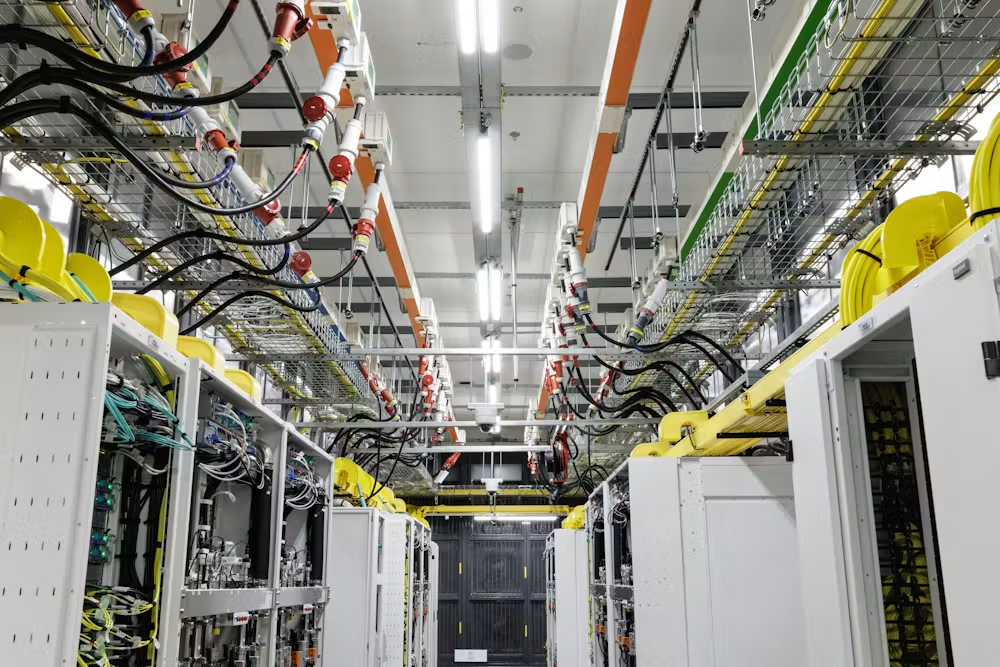
Texas was once the top location for tech giants looking to build giant server warehouses. State leaders welcomed companies like Google, Meta, and Microsoft with open arms, huge tax breaks, and promises of cheap energy. But that warm welcome has turned cold. Republican politicians across Texas are suddenly hitting the brakes on new data center projects, putting Big Tech on notice.
This sudden shift is happening because local voters in rural and suburban Texas are making their voices heard. People living in small towns are worried about their water supply, rising electric bills, and the sheer amount of energy these massive artificial intelligence facilities require. What was once praised as a major economic win is now causing a massive political debate across the state.
From Red Carpet to Red Lights: How the Texas Stance Shifted
For years, Texas pushed hard to attract technology companies away from traditional tech hubs like California. State officials pointed to vast stretches of open land, low corporate taxes, and light government regulation as the main reasons tech firms should make Texas their home.
Big Tech answered the call in a huge way. Massive facilities filled with thousands of computer servers began popping up across the state, from West Texas to the Panhandle. These data centers power everything from simple cloud storage to complex artificial intelligence models.
The AI Rush and the Promise of Big Business
When artificial intelligence exploded in popularity, tech companies realized they needed vast amounts of extra computing power. That meant building bigger, more power-hungry data centers than ever before.
Build Funnels, Email Lists & Sell Online With One Free Tool
Create funnels, send emails, and sell online using Systeme.io without paying for multiple tools.
Create Free AccountFree forever • No credit card • Beginner-friendly
State governors and local mayors initially celebrated these multi-billion-dollar deals. They promised new construction jobs, investments in local school districts, and a booming tech economy. High-profile projects like OpenAI’s flagship Stargate campus in Abilene were highlighted as proof that Texas was leading the world into the future of technology.
Why Local Communities Started Fighting Back
The honeymoon period did not last long. Neighbors living near proposed data center sites quickly realized that these giant warehouses take up hundreds of acres of land but create very few permanent local jobs once construction ends.
Instead of boosting local towns, many residents felt these facilities were consuming precious local resources. Constant noise from industrial cooling fans, heavy traffic from construction vehicles, and the loss of quiet countryside started causing deep anger among long-time conservative voters.
Why Rural Texans Are Raising Concerns Over Power and Water
The primary driver behind this public pushback comes down to basic living needs: electricity and water. Texas operates its own independent electric grid, managed by ERCOT, which has struggled during severe winter freezes and scorching summer heatwaves in recent years.
Adding dozens of massive, continuous data centers to that fragile grid has raised serious questions about reliability and fairness for everyday homeowners.
Electricity Bills and the ERCOT Grid Stress
Data centers run non-stop, 24 hours a day, 7 days a week. The power required to keep thousands of high-performance processing chips running simultaneously is staggering. A single large AI facility can consume as much electricity as a small city.
Texans are worried that this surging demand will overload the state power grid during extreme weather events. To make matters worse, residents are noticing that their monthly residential electric bills are going up while tech corporations receive special electricity rates and tax perks.
The Massive Water Usage of Artificial Intelligence Facilities
Computers get extremely hot when running intensive calculations. To prevent equipment from overheating, most data centers rely on massive cooling towers that evaporate millions of gallons of water every single day.
In drought-prone regions of Texas, water is a critical lifeblood for farmers, ranchers, and families. Seeing millions of gallons of fresh water pumped into server cooling systems has sparked intense town hall meetings and organized public protests across rural counties.
How Republican Leaders Are Responding
When conservative voters started voicing their frustration loud and clear, Texas politicians reacted swiftly. Leaders who once praised tech expansion are now taking a much tougher stance to protect their rural voting base.
Governor Greg Abbott’s Pause and Reassessment
Governor Greg Abbott previously described Texas as the center of AI innovation. However, after facing growing pressure from rural lawmakers and local county officials, state leadership began stepping back from unconditional support.
State representatives have formally called for an immediate pause on new large-scale data center approvals. They want detailed impact studies conducted on water availability and grid capacity before any additional construction permits are handed out.
Ken Paxton’s Push Against Foreign Tech Risks
Texas Attorney General Ken Paxton rolled out legislative proposals targeting data center operations directly. His plan aims to block data centers that rely on foreign technology, specifically from countries like China.
He also proposed holding data center operators legally responsible if automated AI tools hosted on their servers spread harmful content or compromise public safety. This adds significant regulatory pressure on tech firms operating within state borders.
Ending Tax Exemptions for Tech Giants
Another point of contention is state financial incentives. For years, Texas offered valuable sales tax exemptions to lure data center developers to the state.
State lawmakers are now re-evaluating those tax breaks, which are projected to cost Texas over 3 billion dollars in lost revenue over a two-year period. Politicians are questioning why taxpayers should fund subsidies for wealthy corporations while local citizens deal with rising utility costs.
What This Means for Big Tech and the AI Revolution
This sudden shift in Texas sends a clear message across the tech industry. Silicon Valley executives can no longer assume that conservative states will automatically offer unrestrained freedom for physical infrastructure growth.
With Texas tightening restrictions, tech companies are being forced to rethink how and where they construct backend computer hardware. You can follow broader developments in digital systems and software by visiting our section on technology and AI.
Silicon Valley’s Next Move
Tech corporations are hiring lobbying firms and running public campaigns to repair their image in rural communities. They are trying to show that data centers can bring financial investment and long-term tax benefits to local schools.
At the same time, engineers are working on cleaner technologies. Some companies are testing dry cooling systems that use air instead of water, while others are exploring private power generation, such as dedicated solar setups or small modular nuclear reactors, to avoid drawing energy from public power lines.
How Technology and Artificial Intelligence Shape Future Markets
The friction in Texas shows that virtual innovation has very real physical limitations. Scaling up artificial intelligence requires land, water, and power.
Moving forward, tech companies will have to prove that they can grow responsibly without overloading local communities or driving up prices for nearby residents.
The Growing National Political Debate Over Data Centers
Texas is not an isolated case. Towns across the United States are introducing temporary bans or strict zoning restrictions on new data center projects.
From Virginia to Ohio, local residents are voicing the exact same concerns about electric bills, water usage, and land conservation. This issue is rapidly becoming a key talking point in local and national political campaigns.
Midterm Voters and the Pushback Against Corporate Expansion
Voters are expressing clear frustration when state resources are redirected toward large corporations at the expense of local taxpayers. In Texas, some lifelong conservative voters have stated they will vote for candidates who actively oppose new server farms in their districts.
This political pressure is forcing elected officials across party lines to prioritize community needs over corporate expansion.
YouTube Automation and Digital Infrastructure Trends
As online content, video creation, and automated media platforms continue to grow rapidly, the underlying need for computing power will only increase. To see how creators utilize automated tools for digital media, check out our insights on YouTube automation.
Build Funnels, Email Lists & Sell Online With One Free Tool
Create funnels, send emails, and sell online using Systeme.io without paying for multiple tools.
Create Free AccountFree forever • No credit card • Beginner-friendly
However, all those automated channels and cloud tools depend on physical data centers that must exist somewhere in the real world. Balancing digital convenience with real-world infrastructure is one of the biggest challenges of our decade.
Learn More and Stay Connected
To read more about how technology, policy, and society intersect, feel free to visit our about page to learn about our editorial goals. If you have questions, feedback, or news tips, you can get in touch directly through our contact team page.
You can also follow our latest stories and join the conversation on social media:
- Visit our official Instagram page for story highlights.
- Follow us on Facebook to share your thoughts on trending stories.
- Connect with our official X (formerly Twitter) feed for real-time news updates.
Frequently Asked Questions (FAQs)
Why are Texas Republicans opposing new data centers?
Texas Republicans are responding to strong complaints from local constituents. Residents in red, rural counties are worried that giant data centers consume too much water, strain the state power grid, drive up electric bills, and offer very few permanent jobs.
What is a data center and why does AI need them?
A data center is a dedicated facility housing thousands of computer servers that store and process digital data. Artificial intelligence models require massive amounts of raw computing power to process information, requiring larger server facilities than traditional web applications.
How do data centers impact electricity and water supplies?
Data centers run powerful computer chips continuously, consuming large amounts of electricity from the local grid. They also use evaporative cooling systems that consume millions of gallons of water daily, which can strain water supplies in dry regions.
Is Texas banning data centers completely?
No, Texas is not imposing a complete ban. Instead, state leaders are considering temporary pauses on new builds, stricter environmental regulations, reviews of tax exemptions, and security checks on foreign technology.
How are tech companies responding to the backlash?
Big Tech companies are expanding lobbying efforts, launching community public relations campaigns, and exploring cleaner technologies. These include air-based cooling systems, water recycling, and building private power sources to lessen their impact on public utilities.
Final Thoughts on the Texas Tech Shift
The relationship between Big Tech and Texas has entered a brand-new phase. For years, technology firms took for granted that Texas would offer endless space, energy, and government incentives. The pushback from rural residents and state officials proves that even the fastest-growing tech giants must respect local community limits.
As artificial intelligence becomes a bigger part of everyday life, finding a balance between digital growth and natural resource protection will remain a crucial issue for states across the country.
Texas data centers face pushback over water, power and rising bills
