
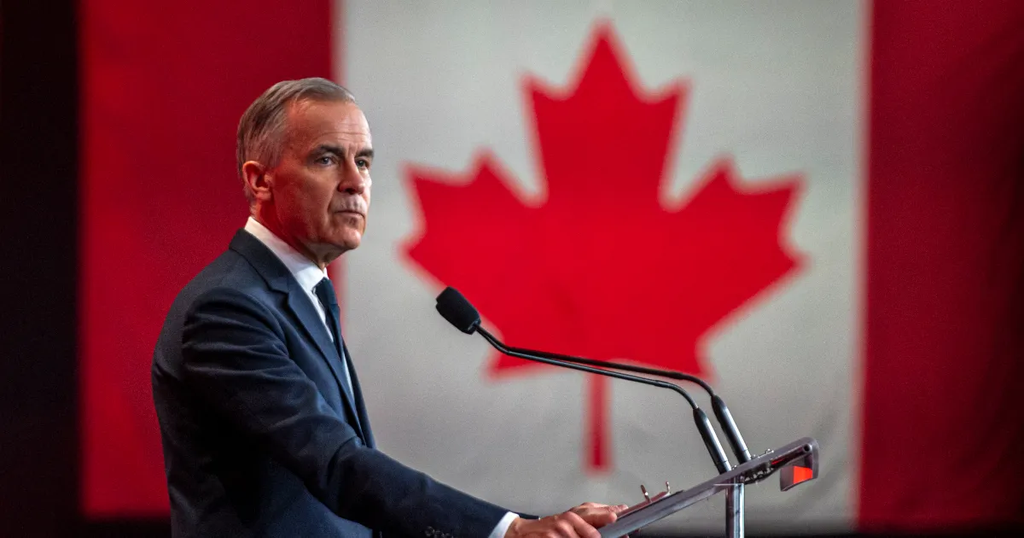
The ballots are counted, and the verdict across Alberta is clear. More than 76 percent of voters across the province have said a resounding no to breaking away from Canada. In an election that held the entire country on edge, everyday citizens queued up across prairie towns, mountain communities, and major cities like Calgary and Edmonton to deliver a decisive message: Alberta is staying put.
For months, political commentators and separation advocates claimed that western alienation had reached a breaking point. Tensions between the provincial government in Edmonton and federal leaders in Ottawa had grown louder than ever. Yet, when the doors opened and the paper ballots were dropped into the boxes, the silent majority spoke with unmistakable clarity. About 76.4 percent voted to protect Canadian unity, while only 23.6 percent supported moving forward with a binding process to leave the country.
This outcome marks one of the most critical political moments in modern Canadian history. It stops a national crisis right in its tracks, gives federal leaders breathing room, and forces provincial politicians to rethink their approach to national unity. The dream of an independent republic of Alberta has suffered a crushing defeat at the hands of the very people it claimed to speak for.
The Historic Ballot: What Albertans Actually Voted On
To understand why this vote matters so much, you have to look at what was written on the ballot paper. This was not a casual opinion survey. It was an official provincial referendum organized under provincial election laws.
Premier Danielle Smith called the vote earlier in the year following relentless lobbying from conservative grassroots groups and separatist organizers. For a long time, advocates had argued that the province could never get a fair shake under the federal system. They wanted to test whether ordinary residents shared that belief.
The $0 Secret To Launching Your Entire Online Empire
Why pay hundreds every month for separate software? Build funnels, send emails, and make sales with Systeme.io completely free.
Get Started For $0Free Forever • No Credit Card Needed • Beginner-Friendly
The central referendum question asked voters whether Alberta should pursue a second, legally binding referendum to officially negotiate independence and separate from the Canadian federation.
Supporters of the “Yes” side campaigned hard. They claimed that an independent Alberta could keep all of its tax revenues, write its own laws, and escape what they viewed as overbearing federal regulations. Some organizers made it clear that they would push forward no matter what, insisting that the province had reached an impasse with Ottawa.
The “No” side had a far simpler, grounded message: leaving Canada would bring financial chaos, isolate the province from global trade, and destroy the rights and benefits millions of families rely on every day.
When the official returns arrived, as reported by major networks like CTV News and international observers including Al Jazeera, the results removed any doubt. With well over one million votes tallied across the province, more than three out of every four Albertans chose unity over separation.
Why the Separatist Push Gained Steam in the First Place
To anyone looking at this from outside Canada, it might seem wild that a province would even consider walking away. After all, Alberta is known worldwide for its stunning Rocky Mountains, vast farmland, and incredible natural wealth.
Yet beneath the surface, real frustrations have been bubbling for decades.
Albertans have long felt that political power in Canada is heavily concentrated in the east—specifically in Ontario and Quebec. Because those two provinces have the largest populations, federal elections are often decided before the ballot boxes in the West are even opened.
Then comes the issue of energy. Alberta sits on one of the largest oil reserves on the planet. For years, provincial workers felt that federal environmental laws, carbon taxation, and lengthy regulatory reviews were strangling their core industry. When pipeline projects were delayed or canceled, people lost good-paying jobs, and blame naturally fell on Ottawa.
There is also the matter of equalization payments. Under Canada’s federal system, money collected from federal taxes is distributed to help have-not provinces deliver comparable public services. Alberta has consistently contributed tens of billions more into federal coffers than it receives back in program spending. For many local residents, watching their hard-earned dollars fund social programs in provinces that block Alberta’s energy pipelines felt unfair.
These genuine grievances created fertile ground for separatist organizers. They argued that Canada was holding Alberta back, building momentum that eventually led many observers to ask could Alberta actually quit Canada in a modern vote.
Mark Carney’s High-Stakes Gamble and the “Forever Canadian” Campaign
While separatist organizers were vocal, the pro-unity campaign launched a massive, well-organized counter-effort. At the center of that push was Canadian Prime Minister Mark Carney.
Carney, who spent his childhood years growing up in Edmonton, took this referendum personally. He did not sit back in Ottawa or deliver cautious speeches from behind a desk. Instead, he traveled directly to the heart of the province to meet everyday citizens.
Earlier in the campaign, Mark Carney met Alberta remain campaigners in Banff to listen to local business leaders, community advocates, and workers. That meeting helped launch the grassroots “Forever Canadian” movement, spearheaded by former Alberta deputy premier Thomas Lukaszuk.
The campaign gained rapid momentum. Pro-Canada rallies packed auditoriums and sports complexes in Calgary and Edmonton. Supporters showed up waving Canadian flags, wearing maple leaf shirts, and chanting for unity.
Carney gave speeches that resonated because they acknowledged Alberta’s grievances without validating the dangerous idea of separation. He reminded voters that Canada is at its best when its regions work together. He spoke about his own western roots and promised that Ottawa would reform outdated regulatory roadblocks.
Send, Spend & Hold Money Worldwide Without Hidden Fees
Transfer money internationally at the real exchange rate and hold 40+ currencies in one account.
Open a Wise AccountMid-market rate • Fast transfers • 40+ currencies
His message struck a nerve: Canada is building big again, and Alberta sits right at the center of that future. Telling Albertans that their country was worth fighting for turned the tide, energizing thousands of people who might have otherwise stayed home on voting day.
The Trump Factor and the Warning Over American Ambitions
One unexpected dynamic that completely altered the mood of the campaign came from south of the border.
In recent months, United States President Donald Trump had ramped up aggressive trade rhetoric against Canada, slapping tariffs on Canadian goods and repeatedly floating the provocative idea that Canada should just become the “51st state.”
Separatist organizers in Alberta had quietly flirted with the idea that an independent Alberta could sign bilateral free trade deals directly with Washington or even explore formal economic integration with the United States. But for the vast majority of Albertans, that suggestion felt like an insult.
Prime Minister Carney publicly warned voters that outside forces were eager to see Canada fractured. He pointed out how foreign political figures would gladly take advantage of an isolated, fractured northern neighbor. Indeed, reports highlighted how Donald Trump wanted Canada as the 51st state, but his aggressive posturing ended up doing the exact opposite. It sparked a surge of patriotic unity among Canadians from coast to coast.
Albertans take fierce pride in their western identity, but they are also deeply proud Canadians. The idea that leaving Canada might mean becoming an economic vassal of Washington or a secondary territory of the United States horrified moderate conservatives, suburban families, and working-class voters.
Rather than driving Albertans into the arms of the separatists, external American pressure acted like superglue, reminding voters why having a unified national passport, universal healthcare, and distinct Canadian sovereignty matters.
The Practical Nightmare: What Kept Everyday Voters Grounded
When people cast their votes in a referendum, emotional speeches matter, but practical pocketbook questions matter even more. As voting day drew closer, everyday Albertans began looking past the fiery rhetoric and asking basic, practical questions about what life outside Canada would actually look like.
The answers were alarming.
The Landlocked Reality
Alberta does not border any ocean. If Alberta were to become an independent country, every barrel of oil, every railcar of wheat, and every shipment of beef would have to travel through either Canada or the United States to reach world markets.
The $0 Secret To Launching Your Entire Online Empire
Why pay hundreds every month for separate software? Build funnels, send emails, and make sales with Systeme.io completely free.
Get Started For $0Free Forever • No Credit Card Needed • Beginner-Friendly
Under international law, landlocked nations do not get free, unrestricted access to their neighbors’ ports. Alberta would have had to negotiate costly transit treaties with an Ottawa government it had just abandoned, or face steep export fees. Instead of gaining energy independence, the province could have found itself even more trapped.
The $17 Billion Agriculture Industry
Alberta’s farmers and ranchers are the lifeblood of rural communities. The province exports billions of dollars in beef, canola, pork, and grain every year under Canada’s trade agreements.
Separating from Canada would have instantly ripped up those trade deals. Local farmers would have lost immediate duty-free access to major trading partners like the European Union, Japan, and Mexico. Analysts warned that voting to cut ties with Canada could wreck a $17 billion farming empire, leaving rural families holding the bill.
Passports, Currency, and Pensions
Separation would mean building an entire country from scratch. What currency would an independent Alberta use? If it used the Canadian dollar, it would have no say in the Bank of Canada’s interest rate decisions. If it created its own currency, international financial markets could punish it with massive volatility.
Then there were everyday concerns:
- What happens to federal pensions like the Canada Pension Plan (CPP) and Old Age Security?
- Would Albertans lose their Canadian passports and have to wait years for international recognition?
- Would border checkpoints be built between Alberta and British Columbia, disrupting daily travel and family visits?
The Legal and Treaty Wall
Perhaps the biggest hurdle came from First Nations leaders. Alberta’s land is governed by historic numbered treaties signed between Indigenous nations and the British Crown, not the provincial government.
First Nations chiefs across Treaty 6, Treaty 7, and Treaty 8 made it clear that their lands could not simply be pulled out of Canada by a provincial referendum. Similar to the reality seen in eastern Canada, where Indigenous leaders dropped a major reality check on Quebec separatists, Alberta’s Indigenous communities stood firmly against separation. Any attempt to unilaterally break away would have faced decades of constitutional lawsuits and blockades.
When voters added up these practical risks, the romantic idea of separation completely fell apart.
What This Landslide Victory Means for Premier Danielle Smith
For Alberta Premier Danielle Smith and her governing United Conservative Party (UCP), the referendum result is a double-edged sword.
On one hand, calling the referendum fulfilled a core promise to the hardline wing of her party. By giving separatists their day at the ballot box, Smith can now argue that the debate has been settled fairly and democratically. The public had its say, and the public chose to remain.
On the other hand, the sheer size of the defeat makes it impossible for the provincial government to continue using the threat of separation as political leverage. With 76 percent of voters rejecting the exit route, Ottawa knows that the separatist movement does not represent the majority of Albertans.
Smith now faces the difficult task of reuniting her own party. She must reassure rural, hardline conservative supporters that she will continue fighting for provincial rights, while simultaneously governing for the moderate suburban voters in Calgary and Edmonton who overwhelmingly rejected division.
The focus in Edmonton is now expected to pivot away from constitutional fights and back toward bread-and-butter issues: fixing local healthcare wait times, building new schools, supporting municipal infrastructure, and keeping the provincial economy humming.
The Road Ahead: Can Ottawa and Alberta Fix Their Relationship?
While the referendum was a resounding victory for national unity, nobody in Ottawa should mistake this result for total satisfaction with the status quo.
Albertans did not vote for business as usual. They voted against separation because they love Canada and recognized that breaking the country apart would bring chaos. But the underlying frustrations that fueled this movement still exist.
Prime Minister Carney seems to recognize that reality. The federal government has already started making strategic moves to address western concerns, demonstrating that staying in Canada yields real benefits.
Recent federal policy shifts have focused on streamlining energy approvals and removing bureaucratic red tape for major nation-building initiatives. Ottawa has shown a renewed appetite for practical action, leading efforts where Canada overhauls energy rules to fast-track major projects. By speeding up approvals for clean energy, critical minerals, and responsible resource extraction, the federal government is trying to prove that Alberta’s economic muscle is respected and valued.
For long-term peace to take hold, both sides will need to keep up this cooperative spirit:
- Federal lawmakers must continue listening to western energy producers and agricultural leaders instead of passing one-size-fits-all regulations from thousands of miles away.
- Provincial leaders must stop treating Ottawa like a foreign enemy and instead work collaboratively to secure federal funding, trade corridors, and investment.
- Both levels of government must work together to shield Canadian workers from foreign trade disputes and international economic shocks.
The referendum proved that Canada is not broken. But keeping it whole will require continuous maintenance, honest dialogue, and genuine mutual respect.
Frequently Asked Questions About the Alberta Referendum
Did Alberta vote to leave Canada?
No. Alberta voted overwhelmingly to remain part of Canada. In the October 2026 referendum, approximately 76.4 percent of voters rejected the push for separation, while only 23.6 percent voted in favor of pursuing an independence path.
What was the specific question asked on the referendum ballot?
The ballot asked eligible Alberta voters whether the provincial government should move forward with a second, legally binding referendum to officially negotiate separation and independence from Canada. Voters answered with a simple “Yes” or “No.”
Why did so many Albertans reject the separation proposal?
Most Albertans chose to stay in Canada due to practical, economic, and legal realities. Alberta is a landlocked province with no sea access, meaning all of its energy, agricultural, and manufactured exports rely on trade corridors through other Canadian provinces. Voters were also concerned about losing Canadian pensions, trade agreements, currency stability, and national passports.
What does this result mean for Canadian Prime Minister Mark Carney?
The result is a major political victory for Prime Minister Mark Carney. Carney campaigned actively across the province with the grassroots “Forever Canadian” movement, emphasizing national unity, energy regulatory reform, and mutual economic strength. The landslide win strengthens his standing as a unifying leader during a period of international trade pressure.
How did Indigenous communities in Alberta view the referendum?
First Nations leaders and Indigenous communities across Alberta strongly opposed separation. They pointed out that their historic treaties were signed directly with the British Crown and the federal government, not the province of Alberta. Indigenous leaders made it clear that treaty lands cannot legally be removed from Canada by a provincial government.
Could Alberta hold another referendum on separation in the future?
While provincial governments have the legal authority to introduce referendum questions, the overwhelming 76 percent rejection makes another separation vote highly unlikely anytime soon. The decisive margin shows that separation lacks mainstream support among everyday Albertans.
The decisive outcome of the Alberta referendum will echo across Canadian politics for years to come. By choosing unity over division, Albertans proved that the bonds holding this country together are far stronger than the grievances that threaten to pull it apart. The vote sends an unmistakable message across North America: Canada remains whole, resilient, and ready to face the future together.
