
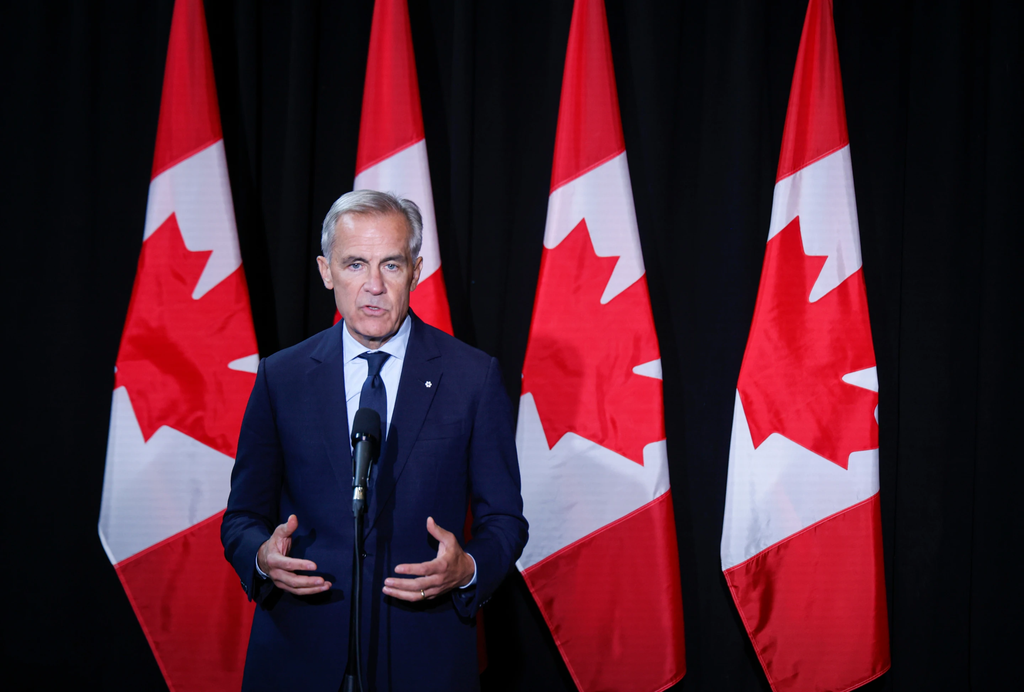
Canadian Prime Minister Mark Carney has packed his bags for Europe after trade talks with Washington completely fell apart. As Donald Trump steps up economic pressure on America’s northern neighbor, Ottawa is building fresh alliances across the Atlantic to protect its economy.
For decades, Canada and the United States enjoyed one of the closest economic partnerships in the world. Trucks crossed the border daily carrying auto parts, food, raw materials, and tech hardware. But recent tariff disputes have turned that smooth flow of trade into a major standoff, forcing Canadian leaders to search for new partners overseas.
How the US-Canada Trade Relationship Broke Down
The current dispute did not happen overnight. Tensions grew quickly when Washington introduced fresh tariffs on key imports and doubled down on economic nationalist policies. The dialogue deteriorated further when Donald Trump labeled Canada a top trade offender during a series of public addresses, signaling that traditional economic agreements were no longer guaranteed.
Soon after, Washington enacted severe restrictions targeting multiple sectors of the Canadian economy. The restrictions hit consumer goods hard, as the North American trade conflict escalated with bans on Canadian dairy, alcohol, and motorcycles.
Canadian negotiators attempted to find middle ground, but diplomatic channels quickly broke down. When Ottawa voiced concerns about the damage to regional supply chains, US trade officials called Canada’s trade war warnings unhinged. That breakdown in communication made it clear to Canadian leadership that waiting for a quick fix with Washington was no longer a realistic strategy.
The $0 Secret To Launching Your Entire Online Empire
Why pay hundreds every month for separate software? Build funnels, send emails, and make sales with Systeme.io completely free.
Get Started For $0Free Forever • No Credit Card Needed • Beginner-Friendly
Rising Tariffs and Border Friction
Rather than backing down under pressure, Ottawa took action to defend domestic industries. The government implemented its own set of measures to balance the economic scales.
Specifically, Canada responded with counter-tariffs on US goods, placing extra taxes on items like copper wire and timber. These taxes were designed to shield local manufacturers and push back against unilateral trade pressures.
However, tit-for-tat tariffs always come with a cost. Factories on both sides of the border face higher costs for raw materials, while shipping companies deal with increased paperwork and customs delays.
Mark Carney’s European Mission
Faced with a difficult situation along the southern border, Mark Carney turned his focus toward Europe. His visit to European capitals represents a major shift in Canada’s long-term economic strategy.
The primary destination for this trip is the European Union’s diplomatic core. Mark Carney headed to Brussels after trade talks collapsed to meet with senior EU leaders, key policymakers, and international trade representatives. The goal is simple: open up new markets for Canadian exports and reduce dependence on the US market.
The diplomatic effort goes beyond basic sales pitches for Canadian products. Reports indicate that Ottawa is exploring formal structural arrangements, as seen in Canada’s pivot to Europe for EU associate status. Securing closer integration with European institutions would give Canadian businesses stable, long-term access to over 400 million European consumers.
Building New Supply Chains Across the Atlantic
Rerouting trade routes across an ocean takes time, but European countries are eager to secure stable supplies of energy, critical minerals, and agricultural goods.
Canada holds vast reserves of minerals essential for electric vehicles, solar panels, and modern defense tech. European leaders view Canada as a reliable partner in an unpredictable global economy. By signing multi-year supply contracts with European firms, Canadian producers can lock in buyers and maintain steady revenue even if trade across the US border slows down further.
What This Trade War Means for Everyday Consumers
Trade disputes between national leaders might seem distant, but their consequences hit store shelves quickly. Higher tariffs operate like an extra tax collected at the border, and importers usually pass those extra costs directly onto buyers.
Understanding what the US-Canada tariff war costs consumers reveals how quickly trade policy changes everyday life. Prices rise on items ranging from grocery staples to home renovation materials.
- Grocery budgets feel the squeeze when tariffs affect imported food products and drinks.
- Hardware store items become more expensive as taxes push up the cost of imported metals and tools.
- Electronics and vehicles face price increases due to disrupted manufacturing chains.
To soften the blow for working families, Ottawa has introduced targeted economic measures. Carney promised government support for Canadians as the conflict widened, offering tax relief and financial backup for industries hardest hit by export losses.
The “Build Here” Domestic Defense
Beside looking for international buyers in Europe, Canada is focusing on internal production. The government launched a domestic economic plan aimed at keeping manufacturing jobs at home.
Through Canada’s Build Here economic plan, Ottawa provides incentives for companies to process raw materials inside the country rather than exporting unprocessed goods. By building stronger domestic processing networks, Canada aims to protect its workforce from foreign policy changes while manufacturing finished goods for both home use and European export.
Political Fallout in the US and Canada
Economic battles always carry political consequences, and this dispute is reshaping public opinion on both sides of the border.
Inside Canada, voters have rallied behind a firm stance against trade threats. Recent polls show Canadians back Carney’s rejection of US trade demands, giving the Prime Minister strong political backing as he negotiates in European capitals. Citizens appear willing to accept short-term trade disruptions if it protects long-term economic independence.
Send, Spend & Hold Money Worldwide Without Hidden Fees
Transfer money internationally at the real exchange rate and hold 40+ currencies in one account.
Open a Wise AccountMid-market rate • Fast transfers • 40+ currencies
Meanwhile, the situation is creating friction inside the United States. Many border state businesses rely on smooth trade with Canadian suppliers, and new tariffs have disrupted local operations.
With congressional elections approaching, the political pressure is growing. Reports show that trade war fallout is hitting US midterm campaigns, as voters in industrial swing states worry about lost jobs and higher living costs.
The Role of Modern Tech and Global Innovation
Today’s trade disputes involve far more than physical goods like lumber, dairy, or steel. In the modern economy, digital services, software development, and automated systems flow across international lines every second.
As physical supply chains face new border friction, digital economies are growing even faster. Businesses around the world are relying on automation and smart tools to maintain international revenue streams without worrying about physical customs checkpoints.
Anyone interested in tracking how new software changes global commerce can read the latest updates in our Technology & AI section. Similarly, content creators and digital entrepreneurs are exploring modern business models like YouTube Automation to reach global audiences and diversify their income streams away from traditional local jobs.
Frequently Asked Questions
Why is Canada turning to Europe instead of fixing trade with the US?
Canada is diversifying its trade partners to protect its economy. When negotiations with Washington stalled and heavy tariffs were imposed, Ottawa recognized the danger of relying too heavily on a single buyer. Securing long-term trade deals with European nations gives Canadian businesses safer, more predictable markets.
Will these tariffs cause prices to go up in local stores?
Yes. Tariffs are taxes paid on goods when they cross borders. Importers pass these extra costs down the line, which leads to higher prices for everyday buyers on goods like packaged foods, building supplies, electronics, and vehicles.
How long is the US-Canada trade standoff expected to last?
Trade experts expect tension to continue through the political season. Because both governments face pressure from their voters to stand firm, major policy changes may take time. However, growing economic pressure on border-state businesses could push leaders back to the negotiating table after election cycles clear up.
Where can I stay updated on global news and economic developments?
You can discover more about our editorial team on our about page or reach out directly through our contact page. You can also join our community on social media via Instagram, Facebook, and X for daily updates on world events, tech trends, and economic news.
Mark Carney’s journey to Europe marks an important turning point in modern trade relationships. For decades, North American trade seemed locked in place, but shifting political priorities in Washington have forced Canada to redraw its economic map.
The $0 Secret To Launching Your Entire Online Empire
Why pay hundreds every month for separate software? Build funnels, send emails, and make sales with Systeme.io completely free.
Get Started For $0Free Forever • No Credit Card Needed • Beginner-Friendly
By building stronger ties with European allies, expanding domestic manufacturing, and embracing digital innovation, Canada is taking active steps to build a more resilient economy. The road ahead will present challenges for consumers and businesses alike, but this pivot toward Europe could redefine Canada’s place in the global economy for generations to come.
