
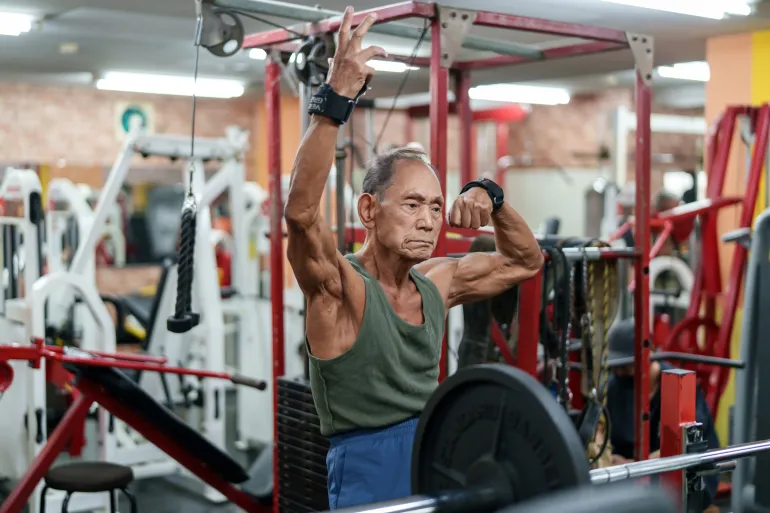
Japan has officially crossed a line no country in human history has ever crossed before. The Japanese Ministry of Health announced that the number of citizens aged 100 or older has surpassed 107,000 people. This marks the 56th consecutive year that the nation’s centenarian population has broken its own record.
Back in 1963, when official record-keeping first began, Japan counted just 153 people who had reached their 100th birthday. By 1998, that number crossed 10,000. Today, the figure stands at an astonishing 107,677 citizens.
To put that into context, 1 out of every 1,100 people living in Japan today is a centenarian. Women make up roughly 88 percent of this group, counting over 94,000 women aged 100 or older. The oldest woman in Japan is 114-year-old Fuyo Kishimoto from Kyoto, while the oldest man is 112-year-old Hikaru Kato from Kumamoto.
While this milestone shows incredible progress in public health and human life expectancy, it also brings massive challenges for the economy, healthcare system, and family life.
The Big Story Behind Japan’s Longevity Milestone
Japan reaching over 100,000 centenarians is not a surprise to demographic experts, but the sheer speed of the rise is astonishing. For decades, public health improvements, clean living environments, and modern medical access have made it possible for millions of citizens to live well into their 80s, 90s, and beyond.
The $0 Secret To Launching Your Entire Online Empire
Why pay hundreds every month for separate software? Build funnels, send emails, and make sales with Systeme.io completely free.
Get Started For $0Free Forever • No Credit Card Needed • Beginner-Friendly
Health officials note that Japan enjoys a much higher average life expectancy than most Western nations. For instance, the average life expectancy in Japan is around 84 years, compared to roughly 79 years in the United States.
The heavy concentration of centenarians, especially in regions like Okinawa, has turned Japan into a living laboratory for aging research. Scientists around the world study these populations to figure out how regular humans can maintain physical independence and sharp mental focus deep into old age.
The Secret Factors Driving Japanese Longevity
People often ask what Japanese centenarians eat or do differently. The answer does not come down to a single secret pill or superfood. Instead, it is built on a lifestyle that combines daily diet, physical habits, and strong social structures.
A Diet Built for Heart and Gut Health
Traditional Japanese meals focus heavily on balance, low calorie density, and nutrient-rich ingredients.
- High Seafood Consumption: Fish like salmon, mackerel, and sardines are regular staples, filling diets with healthy omega-3 fatty acids that protect against heart disease.
- Fermented Foods: Foods like miso, natto (fermented soybeans), and pickled vegetables keep gut microflora healthy and lower systemic inflammation.
- Plant-Based Variety: Meals regularly feature tofu, seaweed, green tea, and fresh seasonal vegetables rather than processed meats or heavy animal fats.
- Portion Control: A cultural tradition known as Hara Hachi Bu encourages individuals to stop eating when they feel about 80 percent full, helping prevent overeating and metabolic strain.
Built-In Daily Movement
In many Western nations, fitness requires dedicated gym sessions. In Japan, physical movement is built directly into daily life.
Older Japanese adults routinely walk to local markets, take public transit, ride bicycles, and work in home gardens well into their 80s and 90s. Neighborhood parks often feature morning group exercises, known as radio calisthenics, where seniors gather to stretch and move together.
Purpose and Social Connection
Longevity researchers consistently highlight the concept of ikigai, which translates roughly to a reason for being or a purpose for waking up in the morning.
In Japanese society, seniors are not cast aside after retirement. Many remain active in neighborhood associations, care for grandchildren, participate in local crafts, or volunteer. This sense of daily duty keeps cognitive function high and prevents the severe loneliness that often speeds up physical decline in old age.
The Other Side: Low Birth Rates and a Shrinking Workforce
While living longer is a clear triumph of modern civilization, it creates a serious demographic conflict when paired with a plummeting birth rate.
Japan is currently facing a double-edged population collapse. While the elderly population grows, the national birth rate continues to drop to record lows. The fertility rate stands at roughly 1.14 births per woman, well below the 2.1 rate required to maintain a stable population. In recent years, total births dropped to around 670,000 per year, while annual deaths exceeded 1.5 million.
As a result, adults aged 65 and over already represent roughly 30 percent of Japan’s total population. By 2070, population projections estimate that Japan’s total population will drop from 124 million down to 87 million, with nearly 40 percent of the population falling into the elderly category.
The Economic Strain of an Aging Society
Having a huge population of retirees supported by a smaller pool of young workers presents deep financial challenges.
Pension Pressures and Tax Strain
Social security systems rely on working-age citizens paying taxes to fund pensions and medical care for retirees. In a normal population pyramid, many young workers support a small group of elders. In Japan, that pyramid is turning upside down.
Fewer working adults means less tax revenue collected by the government, even as medical bills and retirement payouts skyrocket. To keep public finances afloat, Japan has gradually adjusted pension eligibility ages and raised consumption taxes.
Severe Labor Shortages
Labor shortages affect almost every major sector in Japan today, including transportation, agriculture, retail, and eldercare.
Send, Spend & Hold Money Worldwide Without Hidden Fees
Transfer money internationally at the real exchange rate and hold 40+ currencies in one account.
Open a Wise AccountMid-market rate • Fast transfers • 40+ currencies
In response, businesses are rethinking how work gets done. Many companies are removing strict retirement ages, encouraging healthy employees in their late 60s and 70s to stay on the job. Others are turning toward automation and digital systems to keep business operations moving efficiently with fewer physical staff.
If you are curious about how modern automated business models work, you can explore detailed guides on YouTube automation strategy to see how digital systems are replacing traditional manual labor workflows.
High-Tech Solutions: Robotics and AI in Eldercare
To cope with an shortage of human caregivers, Japan has invested heavily in modern technology and robotics.
The Japanese government created living laboratories to test and deploy nursing-care technology across hospitals and eldercare facilities. These technologies aim to assist seniors while taking physical stress off remaining healthcare workers.
- Caregiver Exoskeletons: Wearable mechanical suits help nurses and care staff lift and move bedridden patients without injuring their backs.
- Social and Therapy Robots: Robotic companions shaped like soft animals or small humanoids help keep dementia patients engaged and reduce anxiety.
- Automated Health Monitoring: Smart beds fitted with pressure sensors track heart rates, breathing, and movement patterns to alert nurses instantly if a patient falls or shows signs of distress.
These high-tech approaches highlight how artificial intelligence and advanced engineering can solve real-world demographic crises. To read more about how tech is reshaping everyday industries, check out our coverage on technology and artificial intelligence developments.
Is Japan’s Situation a Warning for the Rest of the World?
It is easy to view Japan as an unusual case, but demographic statistics show that most developed nations are following right behind.
Countries like South Korea, Italy, Spain, Germany, China, and the United States are seeing falling fertility rates and rising median ages. South Korea currently holds the lowest fertility rate in the world at under 0.8, while European nations face growing pension costs and healthcare labor shortages.
A few years ago, humanity reached a historic global milestone: for the first time in recorded history, people aged 65 and older outnumbered children under the age of five worldwide.
Japan is simply the first nation to experience this shift at scale. How Japan handles its healthcare, economic policies, urban planning, and robotic integration will serve as a blueprint for the rest of the planet over the next two decades.
Practical Habits You Can Adopt for Healthy Longevity
You do not need to move to Kyoto or Okinawa to benefit from the lessons learned from Japan’s long-lived citizens. Making simple adjustments to your everyday routine can improve both your healthspan and your lifespan.
The $0 Secret To Launching Your Entire Online Empire
Why pay hundreds every month for separate software? Build funnels, send emails, and make sales with Systeme.io completely free.
Get Started For $0Free Forever • No Credit Card Needed • Beginner-Friendly
Eat Whole Foods First
Shift your daily nutrition away from ultra-processed snacks and heavy fast foods. Focus on fresh vegetables, lean proteins like fish or beans, fermented foods, and green tea.
Move Every Single Day
You do not need intense athletic training to stay healthy. Simple, consistent daily activity like brisk walking, taking the stairs, stretching, or gardening keeps your joint mobility intact and improves cardiovascular health.
Cultivate Social Connections and Purpose
Isolation is as harmful to your health as physical illness. Maintain close friendships, join local community groups, learn new hobbies, or stay involved in meaningful projects. Having a clear reason to wake up each morning keeps your brain engaged and sharp.
Maintain Continuous Learning
Keeping your mind active by learning new digital skills, reading, or mastering new tools keeps your neural pathways strong. If you want to understand how modern work and digital life are changing, learn more about our mission at WhatsBuzzn.
Frequently Asked Questions (FAQs)
How many centenarians are in Japan right now?
According to official data released by Japan’s Ministry of Health, there are over 107,000 people aged 100 or older living in Japan.
Why are there so many more women centenarians than men?
Women make up nearly 88 percent of Japan’s centenarian population. Researchers attribute this difference to lower historical rates of smoking and drinking among women, better overall self-care habits, and natural biological longevity advantages.
What is the oldest person currently living in Japan?
Japan’s oldest living woman is 114-year-old Fuyo Kishimoto from Kyoto, and the oldest living man is 112-year-old Hikaru Kato from Kumamoto.
Is the entire world population aging like Japan?
Yes. Many developed and developing nations, including South Korea, Italy, Germany, China, and the U.S., are experiencing lower birth rates and higher life expectancies. Japan is simply leading the trend.
What is Ikigai and why is it important for aging?
Ikigai is a Japanese concept meaning “a reason for being.” Having a clear sense of purpose, daily routines, and strong community roles helps seniors maintain mental clarity and emotional well-being as they age.
As societies adapt to longer lifespans, staying informed on international news, global trends, and human lifestyle shifts is essential. If you have questions, feedback, or story tips, feel free to reach out directly through our contact page.
To keep up with viral trends, breaking world news, and modern lifestyle discussions as they happen, follow our community across social platforms on Instagram, Facebook, and X (formerly Twitter).
Why Japan And Longevity Are Synonymous This video provides a deep dive into Japan’s milestone of crossing 100,000 centenarians while explaining the lifestyle factors and economic challenges behind their aging population.
