
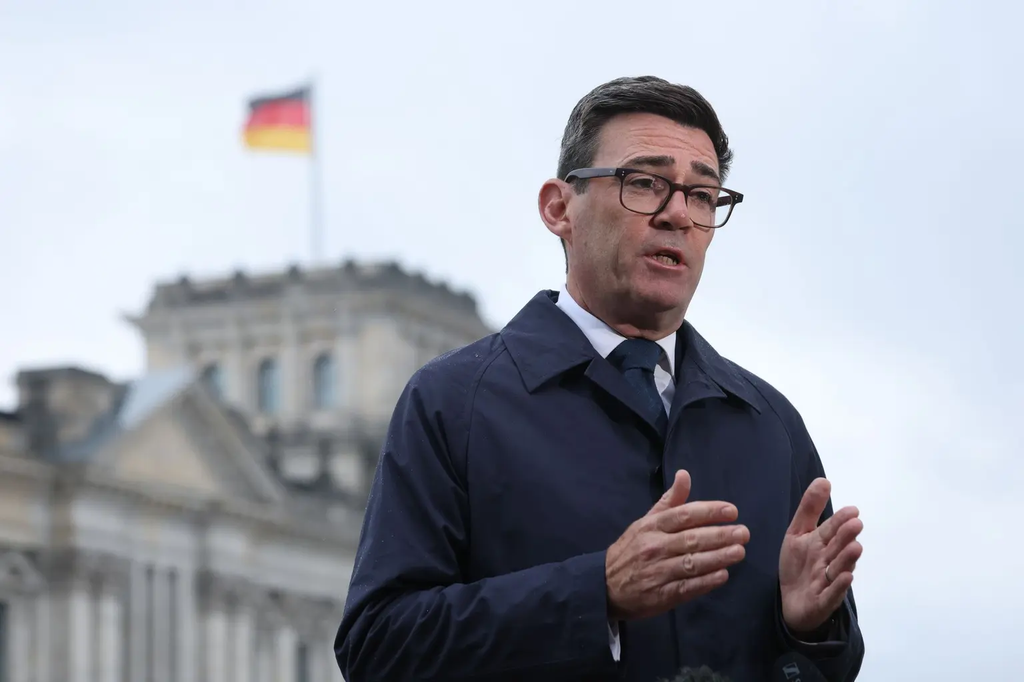
The political world just experienced a massive earthquake. For nearly ten years, people across the United Kingdom and the world debated one huge question: did foreign state actors secretly manipulate the historic 2016 Brexit vote? Critics pointed fingers, investigations were launched, and reports were written, but top political leaders always danced around a direct answer.
That silence has officially ended. British Prime Minister Andy Burnham has publicly confirmed what millions of voters suspected for years. Speaking openly in an interview on The Rest is Politics podcast hosted by Alastair Campbell and Rory Stewart, as reported by The Observer, Burnham admitted that Russia directly interfered in the U.K. referendum to leave the European Union.
This marks the first time a sitting U.K. Prime Minister has officially gone on record to confirm Kremlin involvement in the 2016 vote. His confession has triggered shockwaves across Parliament, sparked fierce debate among the public, and raised serious questions about the security of Western democracies.
What Prime Minister Andy Burnham Actually Revealed
When Andy Burnham walked into 10 Downing Street to take office, he made it a point to ask U.K. intelligence and security services a straightforward question. He wanted to know the absolute truth about foreign interference in British elections.
He asked senior security officials directly if Russia interfered in the 2016 Brexit referendum. The answer he received was immediate, direct, and unsettling: “Yes, there was.”
The $0 Secret To Launching Your Entire Online Empire
Why pay hundreds every month for separate software? Build funnels, send emails, and make sales with Systeme.io completely free.
Get Started For $0Free Forever • No Credit Card Needed • Beginner-Friendly
Burnham explained that when the referendum took place back in 2016, the British public and political leaders did not fully understand the true scale of state-sponsored digital manipulation. Today, however, the picture is much clearer.
He decided to go public with this admission not just to clear the air at home, but to warn ally nations across Europe. With elections coming up in countries like France and Germany, Burnham believes voters must understand how foreign enemies work behind the scenes to divide Western societies.
His admission comes at a delicate moment for the U.K. government, especially as Burnham deals with major domestic policy shifts like the controversial U.K. prison release wave and ongoing debate surrounding the political future of the country.
A Quick Look Back: How Brexit Divided a Nation
To understand why this confession is such a massive deal, it helps to look back at what happened in June 2016. The United Kingdom held a national referendum asking a simple question: Should the U.K. remain a member of the European Union or leave?
The campaign was intense and deeply emotional. On one side, the “Remain” campaign argued that staying in the EU was vital for trade, jobs, and national security. On the other side, the “Leave” campaign argued that exiting the EU would allow Britain to take back control of its borders, laws, and money.
When the final votes were counted, the Leave campaign won with 52 percent of the vote, while 48 percent voted to Remain. The narrow victory set off years of political chaos, leadership resignations, economic turmoil, and trade disputes.
Over the years, political observers noticed suspicious patterns surrounding the vote. Social media was flooded with fake accounts pushing extreme anti-EU messages. Shady dark-money donations flowed into campaign funds. Kremlin-backed news outlets ran non-stop negative stories about European unity.
Despite these glaring warning signs, official government responses for years remained cautious. Reports like the famous 2020 Parliamentary Intelligence and Security Committee report noted that the U.K. government actively avoided looking into Russian interference during the referendum. That deliberate avoidance makes Burnham’s new admission a major turning point.
How Russia Influenced the Brexit Referendum
Foreign state interference rarely looks like a scene from an action movie. Operatives do not break into physical voting centers to swap ballot boxes. Instead, modern political warfare relies heavily on psychological tactics, online deception, and cultural division.
Russian operatives used a well-tested playbook to influence public opinion in the U.K. long before voters stepped into the booths.
1. Social Media Bot Armies and Fake Accounts
Russian intelligence agencies, particularly through organizations like the Internet Research Agency, deployed thousands of automated social media accounts across Twitter, Facebook, and YouTube. These accounts posed as ordinary British citizens.
They did not just post pro-Leave messages. They deliberately pushed extreme viewpoints on both sides of sensitive debates. By creating fake outrage over topics like immigration, healthcare costs, and national sovereignty, they made public conversations far more aggressive and hostile than they naturally were.
2. Amplifying Viral Disinformation
During the 2016 campaign, misleading stories were shared millions of times online. Many of these stories exaggerated the risks of staying in the EU, claiming millions of foreign citizens were about to flood into Britain or that the U.K. was losing billions of pounds every single week with zero return.
When fake news stories matched people’s existing fears, voters shared them naturally with friends and family. The Kremlin did not need to convince every individual voter directly; they just needed to spark the fire and let social media algorithms spread the flames.
3. Exploiting Local Economic Anxieties
Russia targeted regions in Britain where people felt left behind by traditional politicians. Working-class towns facing job losses and public service cuts were primary targets for digital campaigns. Propaganda messages told these communities that the European Union was responsible for their economic struggles, pointing anger toward Brussels instead of local policy choices.
Send, Spend & Hold Money Worldwide Without Hidden Fees
Transfer money internationally at the real exchange rate and hold 40+ currencies in one account.
Open a Wise AccountMid-market rate • Fast transfers • 40+ currencies
4. Supporting Fringe Political Figures
Russian state media channels like RT and Sputnik regularly gave massive platforms to anti-establishment politicians and controversial public figures. By giving loud megaphones to voices that wanted to tear down traditional alliances, foreign actors helped move fringe ideas straight into mainstream political conversations.
Why Russia Wanted Brexit to Happen
A lot of people ask a simple question: Why would Russia care whether Britain stays in or leaves the European Union?
The answer boils down to global geopolitics. A strong, united Europe backed by strong Western alliances makes it much harder for aggressive foreign nations to expand their influence.
Russia saw Brexit as a golden opportunity to achieve several key strategic goals:
- Weakening Western Unity: Removing one of Europe’s strongest military and economic powers from the EU weakened the entire European bloc.
- Distracting Western Leaders: A U.K. consumed by years of messy Brexit negotiations had less time, energy, and resources to counter foreign aggression in Eastern Europe.
- Creating a Template for Division: Showing that a major Western nation could be persuaded to leave its primary political alliance encouraged nationalist and isolationist movements in other democratic nations.
- Eroding Trust in Democracy: When citizens start doubting the honesty of election campaigns and political leaders, faith in democratic systems collapses from within.
We see similar foreign influence tactics playing out across global hot spots today, including high-stakes international situations like the U.S. envoys heading to Moscow for Ukraine peace talks.
The Broader Impact on the U.K. Political Landscape
Prime Minister Andy Burnham’s admission does not exist in a vacuum. It comes at a time when the political stability of the U.K. is facing immense pressure from multiple angles.
Inside the country, political divisions run deep. Movements across Scotland, Wales, and Northern Ireland continue to push back against decisions made in London. In fact, leaders in these regions have increasingly voiced frustration over the long-term fallout of Brexit, as seen in growing calls where Scottish, Welsh, and Northern Irish leaders signed a historic joint declaration for independence.
At the same time, nationalist political groups continue to challenge mainstream leadership. Figures like Sinn Fein warning that Andy Burnham cannot stop the end of the U.K. highlight how deeply fragile the union remains.
Navigating relationships with Europe has also gotten far more complicated for everyday people. Travelers moving between the U.K. and Europe now face strict new administrative systems, such as the requirements detailed in our ultimate guide to the U.K. Electronic Travel Authorisation (ETA).
This new public admission by the Prime Minister adds fuel to an already burning political fire.
The $0 Secret To Launching Your Entire Online Empire
Why pay hundreds every month for separate software? Build funnels, send emails, and make sales with Systeme.io completely free.
Get Started For $0Free Forever • No Credit Card Needed • Beginner-Friendly
Public Reaction: Anger, Validation, and Pushback
As you can imagine, reaction to Prime Minister Burnham’s statement was swift and intense across the political spectrum.
Remain Supporters Feel Validated
People who voted to stay in the EU back in 2016 feel that the Prime Minister’s words finally confirm what they knew all along. Many are expressing deep anger, arguing that the British public was misled by foreign propaganda during one of the most critical votes in modern history. Some political activists are even calling for fresh inquiries into campaign finances and online foreign operations.
Leave Supporters Defend Their Vote
On the other side, many Leave voters feel insulted by the implication that their choice was manufactured by Russia. Prominent Brexit campaigners insist that millions of U.K. citizens voted to leave based on genuine concerns about national sovereignty, border control, and local accountability. They argue that blaming Russia is just an attempt by pro-EU politicians to invalidate a democratic vote.
Intelligence Experts Demand Better Protection
National security experts argue that while confirming past interference is important, the focus must immediately turn to the future. With artificial intelligence making fake videos, deepfakes, and automated text generation easier than ever, foreign states have even more powerful tools to influence upcoming elections. Security analysts are urging the U.K. government to pass far stricter regulations on social media platforms and digital campaign funding.
Can the Brexit Decision Be Overturned?
With the Prime Minister publicly admitting that Russia interfered in the referendum, a big question pops up: Does this make the Brexit vote invalid?
The short answer is no.
Legally speaking, the 2016 referendum was an advisory vote that Parliament later turned into official law through democratic votes. The U.K. officially left the European Union in January 2020, signed formal trade agreements, and restructured its legal framework. You cannot simply press a rewind button on years of international treaties and domestic laws.
Furthermore, political leaders understand that trying to overturn the referendum result based on foreign interference would trigger massive public anger and potentially destabilize British politics even further.
Instead of trying to undo history, the current government is focusing on building a closer, more cooperative working relationship with European partners while keeping the U.K. outside the formal EU bloc.
How to Spot Political Disinformation Online
The admission by the Prime Minister serves as a major wake-up call for internet users everywhere. Foreign political propaganda is not going away; in fact, it is getting smarter and harder to spot.
Here are basic, practical steps anyone can take to avoid falling for online manipulation:
Check the Original Source
Before sharing a viral political headline or emotional post, check where it came from. Is it reported by established, accountable news outlets, or is it coming from an anonymous account with no clear author or contact information?
Look Beyond Emotional Headlines
Disinformation thrives on strong emotions like anger, fear, and outrage. If an online post makes you feel instantly furious or terrified, take a pause. Content designed to trigger intense emotional reactions is often crafted specifically to prevent critical thinking.
Beware of Brand-New or Suspicious Accounts
If a social media account is posting hundreds of aggressive political comments every single day, has no real profile picture, or was created very recently, there is a strong chance it is an automated bot or a troll account.
Verify Claims with Multiple News Outlets
If a massive political claim is true, multiple independent news organizations around the globe will report on it. If only one unknown website is sharing a shocking piece of news, treat it with extreme caution.
Frequently Asked Questions (FAQs)
Did the U.K. Prime Minister say the Brexit vote was illegal?
No, Prime Minister Andy Burnham did not say the vote was illegal or invalid. He confirmed that Russian state actors carried out covert interference campaigns to influence public opinion, but the official legislative process that led to Britain leaving the EU remains legally binding.
How did Russia actually interfere in the Brexit vote?
Russia used automated social media bot accounts, paid troll farms, targeted online advertising, amplified fake news stories, and provided broad media platforms to extreme political figures to stir up public division and boost anti-EU sentiment.
Why did U.K. leaders wait so long to admit Russian interference?
Previous governments were cautious about releasing sensitive intelligence and worried that admitting foreign interference would undermine public confidence in British democratic systems. Burnham stated he chose to speak out now to set the official record straight and warn ally nations facing similar threats.
Will Britain rejoin the European Union because of this admission?
There are no immediate plans for the U.K. to rejoin the EU. Rejoining would require a lengthy application process, national agreement, and approval from all current EU member states. However, the U.K. government is actively working to build closer diplomatic and economic ties with Europe.
How can ordinary voters protect themselves from foreign influence?
Voters can protect themselves by questioning sensational political claims, checking multiple trusted news sources, avoiding sharing unverified posts on social media, and learning to identify fake or automated online accounts.
The Road Ahead for British Democracy
Prime Minister Andy Burnham’s public confirmation that Russia interfered in the 2016 Brexit referendum marks a historical milestone in British politics. It officially closes a decade of official government hesitation and forces the nation to confront the reality of modern digital warfare.
As digital technology advances and AI tools become widely accessible, protecting democratic elections from foreign manipulation is no longer just a political debate—it is a vital matter of national security. The focus must now shift toward educating voters, strengthening digital defenses, and ensuring that future democratic choices are made by the people, for the people, free from hidden foreign influence.
What are your thoughts on the Prime Minister’s major admission? Do you think social media platforms are doing enough to fight foreign political disinformation?
We would love to hear your perspective! Feel free to reach out to us directly through our Contact Page.
Make sure to join our growing community online and stay connected with us on social media for real-time updates on breaking news and global trends:
- Follow us on Instagram
- Like our page on Facebook
- Join the conversation on X (formerly Twitter)
