
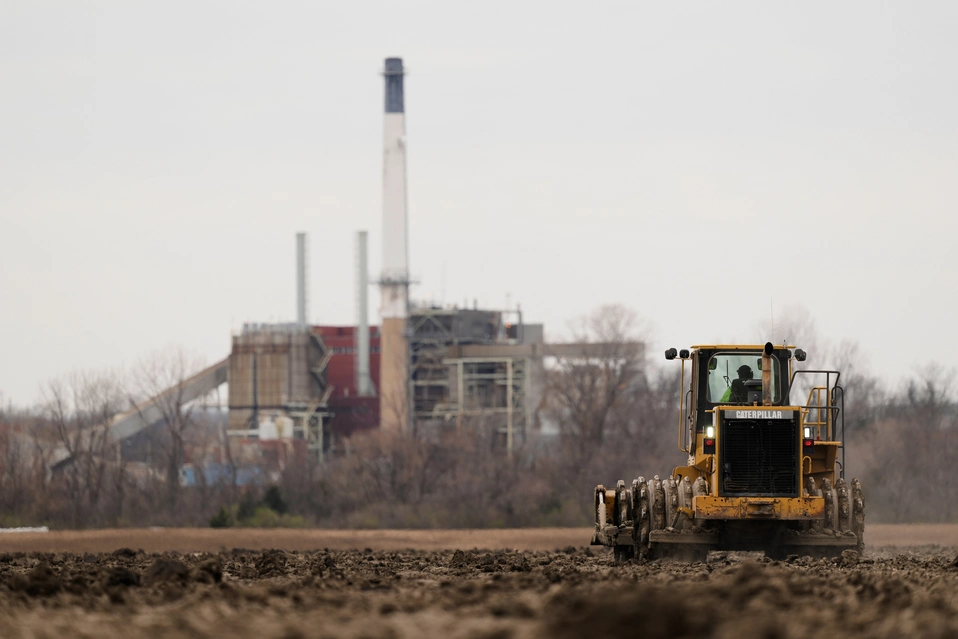
Delegates from nearly two hundred nations have gathered in Antalya, Turkey, for the annual United Nations climate summit known as COP31, but the gap between air-conditioned conference rooms and the physical planet has never looked wider. Outside the venue, global temperatures continue to shatter records, violent storms are battering coastlines, and an unexpected explosion in electricity demand from artificial intelligence is completely shaking up regional power grids. Inside the negotiation rooms, however, government officials are still arguing over commas, brackets, and voluntary phrasing drafted under procedural rules written over thirty years ago.
The international system created to solve the climate crisis is moving at a slow crawl while environmental breakdown accelerates at full speed. It is becoming clear that the traditional COP agenda—centered around non-binding pledges and polite diplomatic consensus—was never built to handle the realities of the mid-2020s. From runaway tech power consumption to the political resistance of fossil fuel producers, real-world energy demands are leaving traditional climate diplomacy in the dust.
What Is Happening at the COP31 Talks in Turkey?
The climate talks in Antalya, co-hosted by Turkey and Australia, were billed as an urgent moment of course correction. After decades of ambitious speeches, negotiators arrived with the stated goal of turning high-level climate promises into concrete national delivery. Yet, the official discussions hit an immediate wall of political gridlock.
At the center of this year’s official agenda is a joint push by Turkey and Australia to convince nations to adopt a major electrification target. The initiative urges countries to collectively scale up the share of electricity in the global energy supply from roughly 20 percent today to 35 percent by 2035. Supporters explain that electrifying road transport, home heating, and industrial manufacturing is the fastest, most practical way to reduce direct carbon emissions across major economic sectors.
A fierce argument broke out over what “electrification” actually means in practice. Several progressive countries argue that any electrification pledge must explicitly mandate clean, zero-carbon power like solar, wind, and geothermal. On the other side, major fossil fuel-producing states and rapidly growing emerging economies insist that the target should only count total electric output, leaving the door wide open to power that grid using natural gas or even coal.
The $0 Secret To Launching Your Entire Online Empire
Why pay hundreds every month for separate software? Build funnels, send emails, and make sales with Systeme.io completely free.
Get Started For $0Free Forever • No Credit Card Needed • Beginner-Friendly
This disagreement highlights the core problem with the summit model: whenever an ambitious idea is introduced, it is quickly stripped of its teeth so fossil fuel-reliant nations can sign on without altering their domestic business plans.
The AI Power Shock Nobody Saw Coming
Just twelve months ago, during the United Nations climate discussions at COP30 in Belém, Brazil, artificial intelligence and data centers were barely a footnote on the official agenda. Today, according to reports from Politico, they have emerged as one of the most disruptive forces in modern energy planning.
The rapid explosion of generative artificial intelligence and high-performance cloud computing has triggered a sudden surge in electricity demand. Tech conglomerates are racing to construct massive warehouse-sized data centers across North America, Europe, and Asia. These facilities do not just need occasional electricity; they require constant, high-voltage power operating twenty-four hours a day, every single day of the year.
Because renewable sources like solar and wind fluctuate with weather conditions and battery storage remains expensive at utility scale, tech firms are searching for reliable baseload electricity. In several regions, utilities have delayed the scheduled retirement of aging coal power plants or signed long-term contracts to construct brand new natural gas facilities simply to keep these massive server farms running.
Diplomats in Antalya are now scrambling to react to a technological gold rush that the COP framework never anticipated. Australian climate minister Chris Bowen has suggested international guidelines that would force technology corporations to build or contract their own dedicated clean power facilities instead of pulling electricity from public utility grids. Still, agreeing on international rules inside a voluntary diplomatic setting is nearly impossible when sovereign nations are competing with each other to attract lucrative tech investments.
Why the UN Consensus Rule Paralyzes Climate Action
To understand why the COP agenda feels disconnected from reality, you must understand the procedural rules of the United Nations Framework Convention on Climate Change (UNFCCC) established back in 1992.
Under UNFCCC operating rules, any formal agreement, treaty update, or negotiated text requires total consensus from nearly two hundred participating nations. That means every single country holds a practical veto. If a small bloc of major oil and gas exporters objects to specific language about phasing out fossil fuels, that language is deleted or watered down until everyone agrees to sign.
This consensus model causes three critical problems:
- The Lowest Common Denominator Problem: Negotiated texts rarely represent what climate science demands. They represent only the bare minimum that the most stubborn petrostates are willing to tolerate.
- No Legal Enforcement: Because total agreement is almost impossible on tough issues, COP outcomes rely almost entirely on non-binding targets and self-reported promises. When countries miss their emissions reduction deadlines, there are no fines, trade penalties, or legal repercussions.
- Intense Corporate Lobbying: With global policies on the line, climate summits have turned into massive commercial expos attended by thousands of oil, gas, and chemical lobbyists working behind the scenes to protect existing infrastructure.
Respected international figures have become vocal about these structural failures. In a joint public letter organized by the Club of Rome, former UN Secretary-General Ban Ki-moon and former UN climate chief Christiana Figueres warned that the COP summit model is no longer fit for purpose. They pointed out that the process must be overhauled to shift away from slow text negotiations toward verifiable implementation and legal accountability.
The Real World Isn’t Waiting for Diplomatic Communiqués
While delegates debate phrasing in carpeted meeting halls, communities across the globe are dealing with dangerous weather events in real time. The physical atmosphere does not care about diplomatic compromises, and natural systems do not pause for international summits.
The past year alone has delivered severe environmental shocks that have overwhelmed local economies and upended millions of lives:
- Remote mountain valleys experienced severe destruction when a devastating Himalayan flood disaster tore through communities along the Nepal-China border, sweeping away critical roads and bridges.
- Ocean researchers have documented alarming shifts in marine currents, noting that two huge oceans have stopped talking to each other as rising surface heat disrupts natural circulation patterns.
- Coastal and western regions in the United States faced relentless atmospheric rivers, leading to California declaring statewide emergencies for extreme weather to protect residents and fragile infrastructure.
- Low-lying island nations in the Pacific are watching their coastlines disappear beneath rising seas, prompting places like Nauru to launch climate adaptation citizenship programs to raise private funds for sea walls and emergency relocations.
These crises illustrate the sharp divide between the slow rhythm of annual diplomatic meetings and the rapid, violent pace of planetary warming. Vulnerable populations facing loss and damage cannot wait another decade for international committees to agree on procedural definitions.
The Tug-of-War: Record Renewables vs. The Fossil Fuel Pushback
Modern climate politics feels strange because two opposite dynamics are taking place simultaneously.
On one side, clean technology is breaking adoption records across the world. Solar installations are setting new generation records, offshore wind capacity is expanding, and electric vehicle sales continue to rise in major economies. In dozens of power markets, building a brand new solar farm or wind installation is now noticeably cheaper than running an existing coal or natural gas facility.
On the other side, global thirst for energy is climbing so fast that clean energy cannot displace fossil fuels fast enough. Instead of substituting oil, gas, and coal, new clean electricity is often simply absorbed by expanding energy demand.
Send, Spend & Hold Money Worldwide Without Hidden Fees
Transfer money internationally at the real exchange rate and hold 40+ currencies in one account.
Open a Wise AccountMid-market rate • Fast transfers • 40+ currencies
At the same time, governments navigating economic pressures, inflation, and regional conflicts are placing short-term energy security ahead of their long-term environmental promises. We are seeing governments approve brand new drilling concessions, build expanded gas pipelines, and reform planning laws to speed up fossil development. We see this dynamic in major industrial nations through policies like major energy rules and infrastructure fast-tracking, where economic expansion regularly takes priority over carbon restrictions.
As long as global energy markets incentivize rapid fuel extraction and consumer demand remains strong, voluntary targets signed at international summits will struggle to keep fossil fuels in the ground.
How the COP Framework Needs to Change
Fixing the international climate architecture requires more than small procedural tweaks. Environmental scientists, economic analysts, and policy reform advocates point to several fundamental changes needed to modernize international climate talks:
1. Shift From Negotiation to Implementation
The fundamental goals were settled by the Paris Agreement years ago: keep global warming well below 2 degrees Celsius, aiming for 1.5 degrees. There is no need to spend weeks debating new non-binding mission statements. Annual summits should function as rigorous accountability hearings where nations present verifiable proof of domestic policy changes, clean energy deployments, and actual emissions cuts.
2. Set Strict Host Country Criteria
In recent years, the responsibility of hosting COP has routinely gone to major petrostates that rely heavily on oil and gas revenue. Giving the presidency to nations actively expanding fossil fuel production hurts public trust and creates an obvious conflict of interest. Host nations should be required to demonstrate credible domestic transition plans and an active commitment to winding down fossil fuel extraction.
3. Replace Consensus With Supermajorities
The requirement for unanimous agreement stalls critical action. Other international bodies use qualified majorities to make decisions when consensus cannot be reached. Allowing a supermajority—such as 75 or 80 percent of member nations—to approve official declarations would stop a small coalition of petrostates from blocking global consensus.
4. Impose Clear Standards on Big Tech
Voluntary corporate climate pledges are not keeping up with energy consumption. If multinational technology corporations want to install gigawatts of computing power for artificial intelligence, global and national frameworks must require them to match that capacity with dedicated zero-carbon energy generation. Private tech firms should not be permitted to drain clean power away from public transit and municipal electrical grids.
5. Provide Direct, Grant-Based Climate Financing
Developing nations spend billions of dollars each year cleaning up storm damage, rebuilding washed-out roads, and relocating communities. A significant portion of international climate assistance still arrives as high-interest loans, plunging vulnerable nations into deeper debt. Real support means predictable, grant-based funding paid directly from fossil fuel extraction taxes or international corporate levies.
Local Action and Grassroots Momentum Take the Lead
With international diplomacy lagging behind the physical crisis, real momentum is shifting to regional governments, city leaders, and local communities.
Municipal governments across the globe are taking matters into their own hands. Cities are replacing diesel transit systems with electric fleets, updating local building codes to mandate insulation standards, and installing neighborhood solar microgrids. Regional states are establishing their own carbon markets, closing outdated facilities, and mandating clean energy minimums for local power providers.
The $0 Secret To Launching Your Entire Online Empire
Why pay hundreds every month for separate software? Build funnels, send emails, and make sales with Systeme.io completely free.
Get Started For $0Free Forever • No Credit Card Needed • Beginner-Friendly
Legal systems have turned into another powerful battleground. Citizens, indigenous groups, and young activists are bringing lawsuits against governments and energy corporations for failing to safeguard public health and regional ecosystems. These court cases are producing tangible outcomes, forcing government ministries to rewrite outdated energy policies and holding oil and gas corporations liable for local disaster cleanup costs.
Real progress is happening from the bottom up, led by local communities that cannot wait around for global diplomats to find common ground.
Frequently Asked Questions About the COP Climate Summits
Why is the COP summit process facing so much criticism?
Critics point out that the COP format is painfully slow, bogged down by bureaucracy, and unable to match the speed of the environmental crisis. Because every single agreement requires total consensus among nearly two hundred countries, outcomes are frequently diluted by petrostates and industry lobbyists.
What is the primary conflict at COP31 in Antalya?
The main debate at COP31 centers on a proposed global target to increase electrification from 20 percent to 35 percent by 2035. Delegations are divided over whether this electricity must come strictly from clean renewable sources or if natural gas and coal can be used to meet the target.
How is artificial intelligence affecting global climate goals?
The rapid buildout of generative artificial intelligence requires massive amounts of non-stop electrical power to run data centers. This sudden surge in demand has strained regional power systems, causing some utilities to prolong the lifespan of coal plants and construct new natural gas turbines.
Can the United Nations legally enforce COP agreements?
No. Agreements made under the United Nations Framework Convention on Climate Change are voluntary. The UN does not possess an international enforcement mechanism, financial fines, or legal penalties to punish member countries that fail to meet their emissions reduction targets.
What reforms have climate experts proposed for future COP meetings?
Policy specialists and former UN leaders suggest replacing the consensus rule with supermajority voting, establishing strict host country selection criteria, excluding fossil fuel lobbyists from policy rooms, and transforming the summits into delivery-focused accountability sessions.
The divide between diplomatic conference rooms and our changing climate is impossible to ignore. Lasting solutions will not come from polite communiqués finalized after midnight; they will come from sustained public pressure, aggressive clean infrastructure construction, and holding heavy polluters accountable in local communities.
