
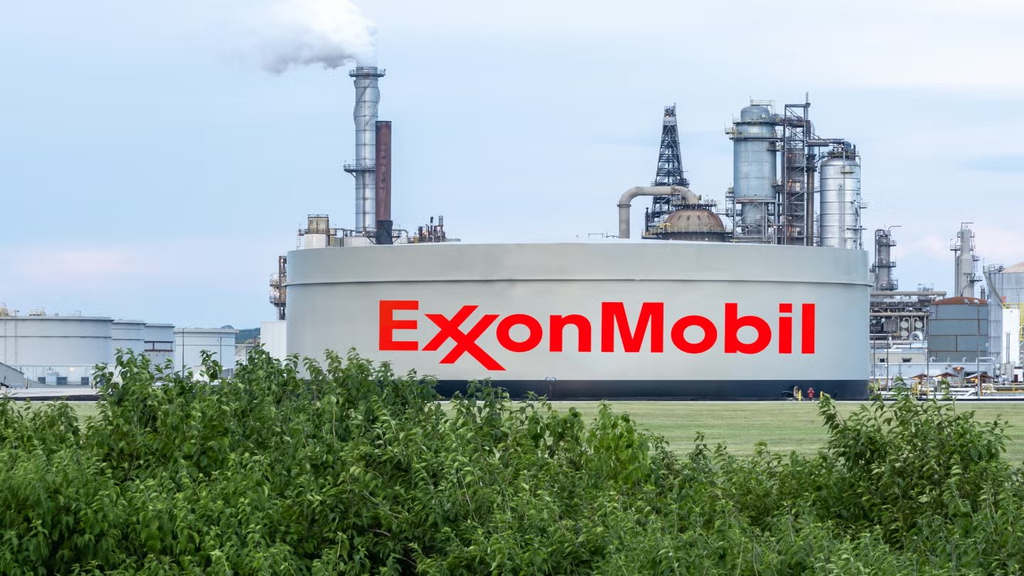
ExxonMobil has officially signed a memorandum of understanding with Petróleos de Venezuela, S.A. (PDVSA) to evaluate fresh oil exploration and production opportunities across the South American nation. The preliminary step marks an astonishing reversal for an energy titan that walked away nearly twenty years ago after the late Hugo Chávez seized its lucrative assets.
For years, oil executives regarded the country as completely untouchable. Darren Woods, chief executive of ExxonMobil, even publicly labeled the country uninvestable earlier this year due to legal risks and lingering asset disputes. Yet, massive changes in Caracas and shifting geopolitics have cracked open a door that seemed shut forever.
Before you assume pump jacks are already pumping Exxon crude out of the Orinoco belt, there is plenty of fine print to unpack. Here is the full story behind why ExxonMobil is testing Venezuelan waters again, what changed on the ground, and what this dramatic shift means for global energy markets.
What Just Happened Between ExxonMobil and PDVSA?
The news broke after ExxonMobil and Venezuelan state oil firm PDVSA quietly put pen to paper on a preliminary pact. The agreement is a non-binding memorandum of understanding (MoU). In plain English, that means neither side has signed a binding contract or handed over billions in capital just yet.
Instead, the MoU allows ExxonMobil engineers, legal teams, and geologists to look under the hood. They will assess abandoned fields, inspect aging infrastructure, and review current operational terms.
The $0 Secret To Launching Your Entire Online Empire
Why pay hundreds every month for separate software? Build funnels, send emails, and make sales with Systeme.io completely free.
Get Started For $0Free Forever • No Credit Card Needed • Beginner-Friendly
This agreement follows a broader wave of diplomatic and commercial shifts in the region, including the notable 25-year energy pact between Washington and Caracas designed to jump-start stagnant crude flows. For Exxon, signing the MoU represents the first formal dialogue with Venezuelan energy authorities since its stormy exit in 2007.
Why Did ExxonMobil Walk Away in the First Place?
To understand how wild this development is, you have to look back to 2007. At that time, former President Hugo Chávez pushed an aggressive nationalization campaign across the country’s oil sector. The government demanded that foreign oil giants hand majority control of their joint ventures over to PDVSA.
While rival companies like Chevron chose to stay and renegotiate minority stakes, ExxonMobil took a hard stand. The company refused to give up operational authority and walked away from massive projects, including the Cerro Negro heavy crude field.
What followed was one of corporate history’s longest international arbitration fights. Exxon filed claims before the World Bank’s International Centre for Settlement of Investment Disputes (ICSID). In 2014, an arbitration tribunal awarded Exxon roughly $1.6 billion in compensation plus interest. Venezuela challenged the ruling, leaving legal battles lingering unresolved for years.
For nearly twenty years, the feud remained frozen. Company leaders maintained that the country lacked the rule of law necessary for multi-decade investments. Seeing them at the negotiating table today represents an extraordinary turnaround.
What Changed to Make Venezuela Attractive Again?
Nobody in corporate boardrooms changes their mind without serious incentives. A mix of rewritten local laws, changing leadership, and shifting international diplomacy pushed Exxon back to the table.
1. New Hydrocarbon Laws and Investment Guarantees
Caracas has overhauled its legal framework to woo foreign capital. Interim President Delcy Rodríguez has spearheaded reforms to the national hydrocarbons law. These reforms give private operators greater managerial independence, clearer fiscal terms, and more favorable royalty structures.
Rodríguez announced that Venezuela has signed over 60 agreements under this modernized framework, with dozens more under negotiation. The reforms directly tackle past industry complaints regarding currency restrictions, export controls, and operational bottlenecks.
2. The Global Race for Cheap Reserves
Global crude markets have experienced extreme volatility. Ongoing Middle East tensions and shipping disruptions have put refining supplies under immense pressure, an issue highlighted when attacks along key crude transit lanes rattled oil markets.
Venezuela sits on the largest proven crude reserves on the planet, estimated at more than 300 billion barrels. With heavy crude trading at high premiums for Gulf Coast refiners, the commercial temptation of accessing low-cost, long-life assets has become impossible for major producers to ignore.
3. Big Moves by Competitors
Chevron never fully left Venezuela and recently secured approvals to expand heavy oil operations. The rival energy giant committed billions of dollars toward boosting production in the Orinoco belt. Meanwhile, American oilfield service companies like Halliburton have signed preliminary agreements to provide critical equipment and support.
ExxonMobil watched its primary competitors lay the groundwork to dominate the continent’s largest crude reserves. In high-stakes energy markets, staying on the sidelines indefinitely means surrendering market share to rivals.
How Washington’s Energy Strategy Fits In
The geopolitical puzzle goes beyond boardrooms in Texas. In Washington, the administration under Donald Trump has actively pushed American energy companies to rebuild Venezuela’s energy grid. Projections indicate the country requires roughly $100 billion in private capital to restore output to historic levels.
Energy security has become an urgent priority across the United States. White House officials have openly backed agreements that increase heavy crude exports to the Gulf Coast. This domestic push aligns directly with broader efforts like refilling depleted strategic oil reserves with heavy crude.
At the same time, regional politics have experienced massive shifts. The detention and legal reckoning surrounding past Venezuelan leaders, including legal actions against former President Nicolás Maduro, helped usher in a commercial environment centered around economic survival and trade revival.
Send, Spend & Hold Money Worldwide Without Hidden Fees
Transfer money internationally at the real exchange rate and hold 40+ currencies in one account.
Open a Wise AccountMid-market rate • Fast transfers • 40+ currencies
The Massive Obstacles Standing in the Way
Despite the excitement surrounding the MoU, ExxonMobil is moving very cautiously. Darren Woods has repeatedly stated that the company is in no rush to spend billions without ironclad protections. Several major roadblocks remain:
- Legal and Regulatory Guarantees: Exxon wants rock-solid contracts that protect against future expropriation or sudden policy changes. They need assurance that future governments cannot seize company assets again.
- Unresolved Arbitration Claims: The $1.6 billion arbitration award from 2014 remains unsettled. Exxon will likely seek a resolution or settlement credit for past expropriations as part of any long-term pact.
- Crumbling Energy Infrastructure: Decades of underinvestment have devastated Venezuela’s pipelines, power grids, and upgraders. Rebuilding facilities will require billions of dollars and years of complex technical repairs.
- Guyana Border Sensitivities: ExxonMobil is the lead operator in offshore Guyana, where it produces hundreds of thousands of barrels per day. The territorial dispute between Venezuela and Guyana over the resource-rich Essequibo region creates a tricky diplomatic balancing act for company leadership.
- Capital Discipline: Energy shareholders expect strict capital discipline. Wall Street favors share buybacks and steady dividends over high-risk geopolitical gambles.
What a Deal Means for Gas Prices and the Global Market
If ExxonMobil transitions its preliminary study into a binding commercial contract, the effects will ripple across international markets.
First, American refineries along the Gulf Coast were custom-built to process heavy, sour crude. For years, these facilities had to source alternatives from Canada and Mexico. A steady stream of Venezuelan crude offers cheaper feedstock, lowering processing costs and helping stabilize pump prices for consumers.
Second, additional supply introduces much-needed spare capacity to global markets. As industrial economies battle high logistics costs, an increase in Western Hemisphere oil output reduces dependence on high-risk maritime chokepoints. Recent reports show global oil firms pocketing record windfalls amid supply shocks, proving that extra production can help cool an overheated energy sector.
Finally, a formal Exxon return would act as the ultimate green light for institutional investors. If the most cautious corporate giant in energy feels safe deploying capital in Caracas, other multinational companies will follow rapidly.
Frequently Asked Questions
Did ExxonMobil just buy oil fields in Venezuela?
No. ExxonMobil signed a non-binding memorandum of understanding (MoU) with PDVSA. This agreement allows both parties to evaluate potential exploration and production projects without committing capital immediately.
Why did ExxonMobil leave Venezuela in 2007?
The company exited after former President Hugo Chávez nationalized oil assets and demanded that PDVSA take majority control of all foreign joint ventures. Exxon refused the terms, abandoned its projects, and spent years pursuing international legal arbitration.
Is ExxonMobil pumping oil in Venezuela right now?
No. The company is strictly in the evaluation phase. Any actual drilling, repairs, or production would require formal, binding contracts approved by regulatory authorities.
How does Chevron compare to ExxonMobil in Venezuela?
Chevron remained in Venezuela after 2007 by operating as a minority partner with PDVSA. Today, Chevron is actively pumping crude and expanding operations, whereas Exxon is only starting initial discussions.
Does this deal mean lower fuel prices immediately?
Not right away. Rebuilding energy infrastructure takes time. However, increased exports of heavy crude to Gulf Coast refiners over the medium term can help relieve processing bottlenecks and support stable retail fuel costs.
The $0 Secret To Launching Your Entire Online Empire
Why pay hundreds every month for separate software? Build funnels, send emails, and make sales with Systeme.io completely free.
Get Started For $0Free Forever • No Credit Card Needed • Beginner-Friendly
The Road Ahead
The preliminary agreement between ExxonMobil and PDVSA is one of the most remarkable plot twists the energy sector has seen in decades. A corporate titan that spent twenty years fighting asset seizures in court is now sitting down with the very entity it sued.
While Darren Woods and his executive team remain cautious, the direction is unmistakable. Driven by legal reforms, competitive pressure, and support from Washington, the barriers keeping Western giants out of Caracas are crumbling. Whether this handshake turns into a multi-billion-dollar drilling campaign depends entirely on the stability of Venezuela’s guarantees. For now, the global energy world is watching every single move.
