
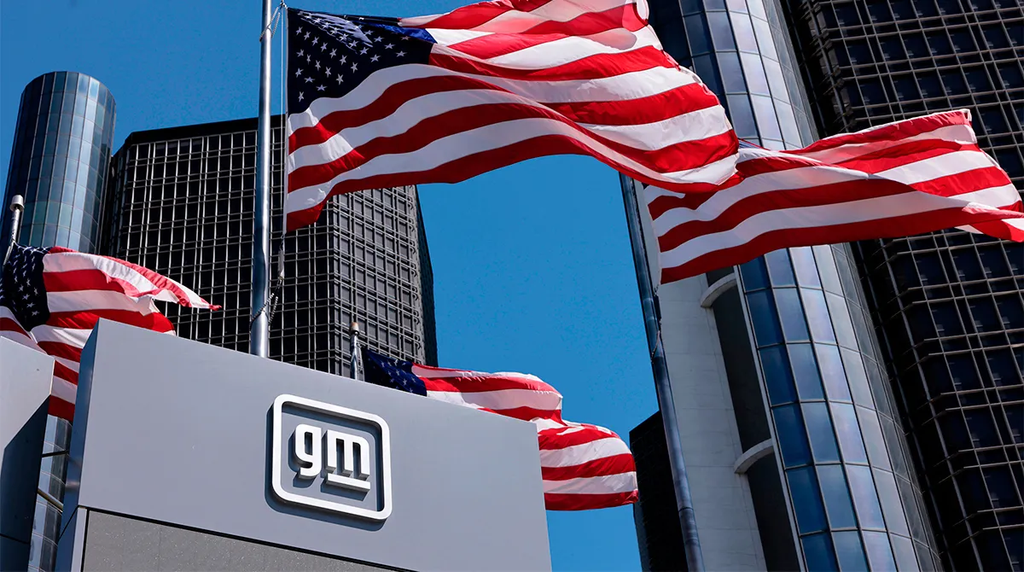
General Motors is officially walking away from the New York Stock Exchange after more than a century on the trading floor.
The American car giant announced on Tuesday, October 27, 2026, that it is transferring the listing of its common stock to the Nasdaq Global Select Market. The move ends one of the longest relationships in modern financial history. For everyday drivers, GM builds trucks, SUVs, and electric vehicles. For Wall Street, GM has always been the face of traditional American heavy manufacturing.
Now, GM wants the entire world to view it through a completely different lens. It wants investors to treat it as a high-tech powerhouse focused on artificial intelligence, autonomous driving, and software-driven vehicles.
Here is everything you need to know about why GM is making this historic switch, the exact dates you need to mark on your calendar, and what this sudden move means for your money.
The Big Announcement: Key Dates and Numbers You Need to Know
General Motors submitted official regulatory paperwork detailing the transition to the Securities and Exchange Commission.
The $0 Secret To Launching Your Entire Online Empire
Why pay hundreds every month for separate software? Build funnels, send emails, and make sales with Systeme.io completely free.
Get Started For $0Free Forever • No Credit Card Needed • Beginner-Friendly
The timeline is set and moving quickly:
- Official Announcement Date: Tuesday, October 27, 2026.
- Final Day of Trading on the NYSE: Monday, November 16, 2026.
- First Day of Trading on Nasdaq: Tuesday, November 17, 2026.
- Ticker Symbol: The stock will continue trading under the classic ticker symbol GM.
- Target Tier: Nasdaq Global Select Market, the exchange’s most prestigious tier with the highest financial standards.
At the time of the announcement, GM carried a total market valuation of approximately $64.4 billion, with its stock trading around $76.31 per share. Immediately following the news, GM shares jumped over 2% in premarket trading as investors cheered the decision.
Paul Jacobson, Executive Vice President and Chief Financial Officer at GM, explained the thinking behind the move in a direct public statement:
“GM’s customer-focused, technology-driven strategy is creating value for our stockholders, making Nasdaq a natural home for our listing as we grow. We’re grateful for our long-standing partnership with the New York Stock Exchange and its remarkable legacy.”
In simple terms, GM believes the old trading floor no longer fits where the company is headed.
Over a Century of History: Walking Away from the NYSE
To understand why this is such a shock across the financial world, you have to look back at how long GM has called the New York Stock Exchange home.
General Motors first listed its shares on the NYSE all the way back in 1911. That was the era of hand-cranked engines and dirt roads. Over the following century, GM became the undisputed backbone of American industry. It was so central to the United States economy that former GM chief executive Charles Wilson famously told Congress in the 1950s that what was good for the country was good for General Motors, and vice versa.
The automaker did have a brief interruption when it filed for Chapter 11 bankruptcy during the 2008 global financial crisis. After undergoing a massive, government-backed restructuring, GM made its triumphant return to the NYSE in November 2010 with what was then one of the largest initial public offerings in global history.
For 115 years, ringing the bell on the floor of the New York Stock Exchange was a badge of honor for GM executives. Leaving that trading floor is not just a paperwork swap. It is a massive symbolic break from the industrial past.
The Real Reason: GM Wants You to Think of It as a Tech Titan
Why would a 118-year-old car manufacturer switch to an exchange famous for computer chips, internet startups, and software companies?
The answer comes down to one word: valuation.
For years, traditional carmakers have suffered from low valuations on Wall Street. Investors often value legacy automakers based on slim profit margins, massive factory overhead, cyclical downturns, and labor negotiations. When you look at pure technology firms, Wall Street awards them massive valuation multiples because software scales with almost zero physical cost.
GM does not want to be valued simply as a company that bends metal and bolts tires onto pickup trucks. Over the past five years, the automaker has poured billions of dollars into high-tech programs:
- Autonomous Driving: GM has invested heavily in Cruise, its autonomous vehicle division aiming to build driverless robotaxis.
- Artificial Intelligence: GM hosted an exclusive technology showcase outlining how it is embedding AI into vehicle operating systems, production lines, and customer software.
- Software Subscriptions: Modern GM vehicles are equipped with connected screens offering navigation, hands-free highway driving through Super Cruise, and remote vehicle management that generate recurring monthly revenue.
- Next-Generation Batteries: GM has built dedicated battery cell manufacturing plants to fuel its electric future.
As investors pour massive amounts of capital into cutting-edge tech, as seen in how Wall Street shattered records on massive tech bets, GM wants a slice of that exact same pie. By moving to Nasdaq, GM sends an unmistakable message to every portfolio manager in the world: We belong in the room with Apple, Microsoft, and Google, not just legacy steel mills.
The Golden Ticket: The Nasdaq-100 Index Ambition
There is another massive financial incentive hiding right beneath the surface: eligibility for the Nasdaq-100 Index.
Send, Spend & Hold Money Worldwide Without Hidden Fees
Transfer money internationally at the real exchange rate and hold 40+ currencies in one account.
Open a Wise AccountMid-market rate • Fast transfers • 40+ currencies
The Nasdaq-100 is one of the most closely followed stock market indexes in the world. It tracks the 100 largest non-financial companies listed on the Nasdaq exchange.
When a company is listed on the New York Stock Exchange, it cannot be included in the Nasdaq-100, no matter how valuable or profitable it is. By transferring to Nasdaq, GM instantly becomes eligible for potential selection into this elite club.
Why does this matter so much?
Trillions of dollars across the globe are locked into passive index funds, mutual funds, and popular exchange-traded funds like the Invesco QQQ. These funds have strict rules: they must automatically purchase shares of every single company inside the index in exact proportions.
If the Nasdaq index committee chooses to add GM to the Nasdaq-100 in an upcoming rebalancing, hundreds of investment funds will have no choice but to buy millions of GM shares. That automated buying pressure can provide consistent demand, elevate trading volume, and support the stock price over the long run.
A Growing Wall Street Exodus: GM Follows Big Names to Nasdaq
If you follow financial news, you know GM is not the first corporate icon to pack its bags and leave the New York Stock Exchange.
Over the past decade, Nasdaq has aggressively courted major NYSE-listed companies, pitching lower corporate listing fees, superior electronic trading technology, and stronger marketing visibility. Several major household names have made the exact same jump:
- Walmart: The world’s largest retail giant switched its listing to Nasdaq to emphasize its digital e-commerce expansion and tech operations.
- Palantir Technologies: The big-data and defense intelligence specialist shifted from the NYSE to Nasdaq to better align with high-growth software peers.
- DoorDash: The app-based delivery platform moved its listing to solidify its identity as a pure digital tech player.
- Hilton Worldwide: The hospitality giant announced plans to move its listing from the NYSE to Nasdaq.
Nasdaq has established a track record of luring established leaders away from the Big Board. Studies from market analysts show that companies transferring to Nasdaq often experience tighter bid-ask spreads, which makes buying and selling shares slightly cheaper and smoother for large institutions and individual investors alike.
The Heated Battle in the Global Auto Arena
This stock exchange shift comes at a critical moment for the global car business.
The transition to electric vehicles and computer-powered transport is getting fiercely competitive. American automakers are facing intense global competition, especially as Chinese manufacturing titans surge ahead. You can see how fierce this rivalry has become in the race where BYD surpassed Tesla in global EV deliveries.
The $0 Secret To Launching Your Entire Online Empire
Why pay hundreds every month for separate software? Build funnels, send emails, and make sales with Systeme.io completely free.
Get Started For $0Free Forever • No Credit Card Needed • Beginner-Friendly
At the same time, automakers are spending record sums on high-tech battery chemistry and computing infrastructure. Companies are racing to solve real-world problems for drivers, from cold-weather range anxiety—highlighted by recent breakthroughs in how new electric car batteries survive freezing temperatures—to automated software updates that improve a vehicle overnight.
Automakers are also feeling the pinch from the broader economic landscape. High interest rates have made auto loans more expensive, and big tech players are battling over computing power, a challenge detailed in reports on why investors are scrutinizing massive AI data buildouts.
For GM, having access to Nasdaq’s deep pool of tech-focused capital gives it an advantage as it navigates this expensive industry transformation.
What Does This Move Mean for Everyday Investors?
If you currently own shares of General Motors in an investment app, retirement account, or brokerage portfolio, you might be asking: Do I need to do anything right now?
The short answer is no.
You do not need to fill out any paperwork, call your broker, or sell your holdings. Here is what will happen behind the scenes:
1. Your Shares Stay Where They Are
When trading closes on Monday, November 16, 2026, GM will finish its final session on the NYSE. When the market opens the next morning, Tuesday, November 17, 2026, your shares will automatically trade through Nasdaq. You will log into your brokerage app, whether you use Robinhood, Fidelity, Charles Schwab, or an international broker, and your portfolio will look completely identical.
2. The Ticker Symbol Remains GM
You do not have to search for a new abbreviation. General Motors will keep its famous two-letter ticker symbol: GM.
3. Your Dividends Will Not Change
GM currently pays a regular quarterly cash dividend to its shareholders. A change in stock exchange has zero impact on dividend payments. The company board of directors determines dividends based on corporate cash flow and earnings, not based on which exchange clears the trade.
4. Share Price Stability
Moving to a new exchange does not magically make a stock double or crash overnight. The company’s underlying sales, vehicle margins, revenue, and profit remain the true drivers of share price. However, joining Nasdaq can improve trading liquidity and open the door to index inclusion, which can provide healthy tailwinds. If you follow market returns, as seen in how stock market index growth creates wealth for everyday savers, passive index buying can be a quiet, powerful force.
Frequently Asked Questions (FAQs)
When does General Motors officially start trading on Nasdaq?
General Motors expects its common stock to begin trading on the Nasdaq Global Select Market at the market opening on Tuesday, November 17, 2026. Its final day on the New York Stock Exchange will be Monday, November 16, 2026.
Will GM change its ticker symbol after moving to Nasdaq?
No. General Motors will keep its long-standing ticker symbol GM. Investors will search and trade under the exact same two letters they have always used.
Do existing GM shareholders need to take any action?
No action is required from current stockholders. The exchange transfer is handled entirely through electronic clearing systems. Your existing share count, purchase history, and account balances will remain intact.
Why did General Motors decide to leave the NYSE?
GM wants to align its corporate brand with technology, artificial intelligence, and software innovation rather than traditional manufacturing. Switching to Nasdaq also makes GM eligible for inclusion in the high-profile Nasdaq-100 Index, while lowering listing costs and improving trading efficiency.
Is General Motors guaranteed to join the Nasdaq-100?
No, inclusion is not automatic. Moving to Nasdaq makes GM eligible for consideration. The Nasdaq index committee reviews companies based on market capitalization, trading volume, and sector rules before selecting members during regular rebalancing periods.
What happens to GM stock options and dividends?
All existing options contracts will automatically adjust to reflect the new exchange listing without changing contract terms. Dividend schedules, declared payout rates, and distribution dates will continue according to board authorization.
Looking Ahead
General Motors transferring to Nasdaq is more than routine corporate paperwork. It represents a bold line drawn in the sand by CEO Mary Barra and her leadership team.
Detroit is no longer content being viewed as the past of American business. By stepping off the marble floors of Wall Street and joining the electronic ranks of Silicon Valley giants, GM is betting everything on a high-tech future powered by autonomous software, artificial intelligence, and clean energy.
Whether this calculated move will finally convince skeptical investors to value GM like a modern tech titan remains to be seen. But one thing is certain: on November 17, 2026, an iconic 115-year chapter in financial history comes to an end, and a brand-new digital era begins.
