
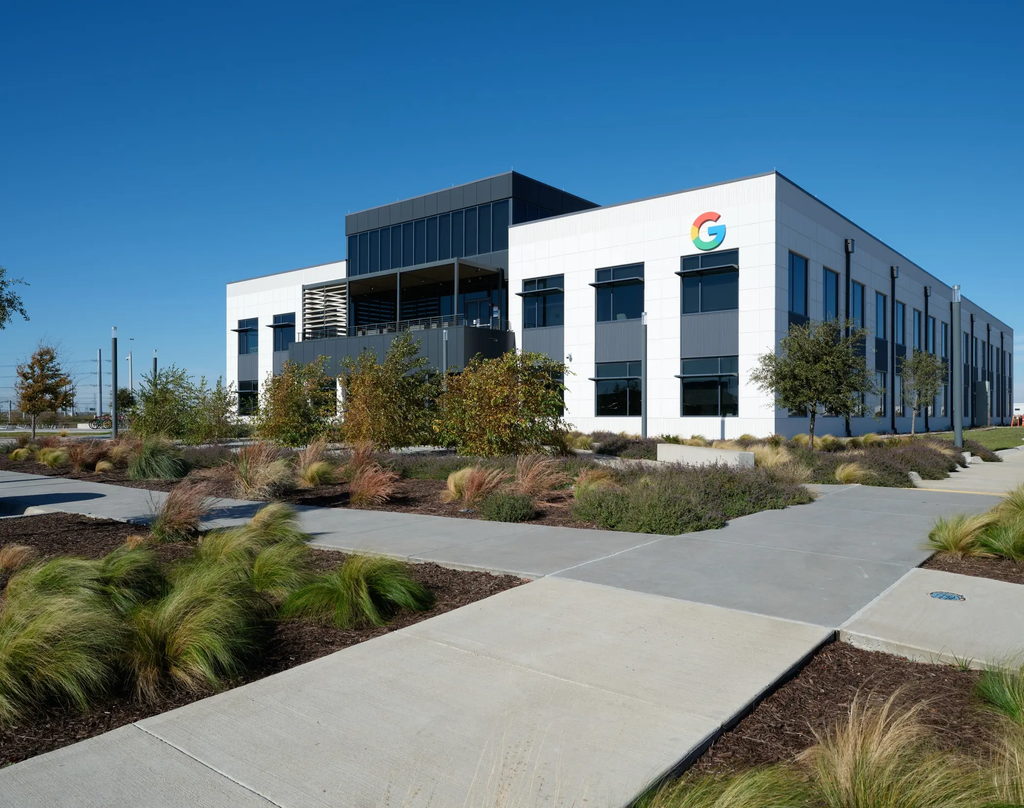
Big technology companies are pouring hundreds of billions of dollars into building massive server farms to power artificial intelligence. Wall Street spent months cheering every announcement of new computing facilities and hardware purchases. Investors treated every dollar spent on AI chips as proof that a company was leading the next industrial revolution.
That golden honeymoon phase is ending quickly. Across the United States, Canada, and Europe, a powerful wave of public resistance is growing against the construction of new AI data centers. Local communities, environmental groups, farmers, and elected officials are standing together to say no.
This community pushback is no longer just a minor local nuisance for developers. It has become a direct threat to the financial returns that tech giants promised their shareholders. If tech companies cannot build, power, or cool these mega-facilities, their huge capital investments will fail to deliver the expected profits.
The Eye-Watering Expense of Building AI Infrastructure
To understand why this public reaction matters so much, you first have to look at the sheer amount of money being spent. AI models do not run on standard computer servers. They require thousands of specialized graphic processing units connected inside vast computing warehouses.
Tech industry leaders like Microsoft, Alphabet, Meta, and Amazon are allocating record-breaking budgets toward capital expenditures. A huge portion of these funds goes directly toward buying cutting-edge computer chips and constructing massive physical facilities.
The $0 Secret To Launching Your Entire Online Empire
Why pay hundreds every month for separate software? Build funnels, send emails, and make sales with Systeme.io completely free.
Get Started For $0Free Forever • No Credit Card Needed • Beginner-Friendly
Rapid Depreciation and Low Margins
Unlike traditional software companies that enjoy long product lifespans and high profit margins, AI hardware depreciates at a shocking rate. A top-tier chip purchased today loses much of its performance advantage in just three to four years as newer, faster chips are manufactured.
This quick loss of value forces tech firms onto a constant upgrade cycle. They cannot treat hardware as a one-off investment; they must keep buying new equipment over and over again.
In addition, running AI tools for everyday users costs money every single time a query is made. Traditional software costs almost nothing extra when a new user signs up. AI queries, on the other hand, require constant electric power and heavy server processing.
When you stack rapid equipment aging on top of high operating expenses, tech companies need their new data centers up and running quickly to recoup their costs. Delays mean losing money on equipment that is steadily becoming outdated.
To stay informed on how modern software trends and automated systems are changing the tech market, check out our latest coverage on technology and AI updates.
Why Local Communities Are Fighting Back
Outside the high-tech boardrooms of Silicon Valley, regular people are experiencing the physical reality of data center expansion. These computing centers consume vast amounts of resources from surrounding towns and rural counties.
Soaring Electricity Bills and Grid Stress
A single query submitted to an AI assistant requires up to ten times more electricity than a standard search engine lookup. When hundreds of thousands of these chips run simultaneously inside a warehouse, they draw as much power as a mid-sized city.
Regional power grids are struggling to keep up with this sudden surge in demand. Grid operators are forced to build expensive new transmission lines and power plants to accommodate these facilities.
Because utility companies pass infrastructure costs onto consumers, everyday families are seeing their monthly electric bills climb. According to reporting by Reuters, power capacity bottlenecks are creating real economic strain in regional energy markets. Voters are rightfully angry that they are subsidizing the power grid upgrades required by billion-dollar corporations.
Massive Water Consumption in Strained Areas
Server farms run hot, and keeping thousands of stacked computer chips cool requires millions of gallons of water every day. In many regions, this water is drawn directly from local aquifers and municipal water systems.
In regions experiencing persistent droughts, this heavy water use has created intense conflict. Local farmers and ranchers depend on underground water rights to grow crops and raise livestock. When a massive tech facility moves in and draws down the local water supply, it puts agricultural livelihoods at risk.
This issue has united groups that rarely agree on anything else. Conservative farming communities and progressive environmental groups are joining forces to protest well-drilling permits and block water allocations for new tech developments.
Land Loss and Constant Noise Disturbances
Data centers require huge expanses of land. As land around major cities becomes scarce and expensive, developers are moving deep into rural communities and quiet suburbs.
Residents who moved to rural areas for peace and open space suddenly find themselves living next to windowless concrete structures as large as stadium complexes. The industrial cooling fans on these buildings run constantly, creating a low-frequency hum that disrupts local neighborhoods day and night.
While developers often promise local jobs, the truth is that once a data center is built, it needs very few employees to run day-to-day. Local residents quickly realize they are trading away their farmland, water, quiet neighborhoods, and cheap electricity for very few long-term local jobs.
Send, Spend & Hold Money Worldwide Without Hidden Fees
Transfer money internationally at the real exchange rate and hold 40+ currencies in one account.
Open a Wise AccountMid-market rate • Fast transfers • 40+ currencies
Political Roadblocks and Government Regulations
As public anger spreads, politicians are taking notice. Local city councils, state legislatures, and national leaders can no longer ignore the complaints of their voters.
Revoked Tax Exemptions and Temporary Bans
For years, state governments offered generous tax incentives to lure big tech companies into building facilities within their borders. Those days are rapidly coming to an end.
Governors and state legislators across several key markets are now halting tax breaks for server farm construction. Some states are introducing strict laws that force tech companies to source their own power independently or pay heavily for any grid upgrades they require.
In some jurisdictions, local planning boards have placed temporary bans on new projects altogether. When a developer gets stuck in multi-year court fights or planning appeals, the project timeline stretches out, costs multiply, and projected profit timelines disappear.
Rising Political Tensions and Election Debate
Energy prices and utility bills are directly tied to voter sentiment. Candidates running for office are finding that opposing unchecked server farm expansion is an easy way to win community support.
This political shift cuts across party lines. Whether candidates are focused on protecting local farmlands or keeping utility bills low for working families, challenging big tech’s expansion plans is becoming a popular political position.
As political resistance grows, tech companies can no longer assume that local permits will be approved smoothly. Public hearings are turning into tense community standoffs, and developers are facing strict new regulatory conditions before breaking ground.
What This Backlash Means for Investors
For stock market investors, the growing resistance to computing infrastructure poses real risks that go far beyond standard business challenges.
The Threat of Stranded Assets and Sunk Costs
When a company invests billions of dollars in site acquisition, power contracts, and computer hardware, it needs those assets running at full capacity quickly.
If a facility project gets delayed by community lawsuits or blocked by municipal boards, those expensive computer chips sit in storage or operate below capacity. Because hardware depreciates so fast, every month of delay eats into the financial returns on that investment.
The $0 Secret To Launching Your Entire Online Empire
Why pay hundreds every month for separate software? Build funnels, send emails, and make sales with Systeme.io completely free.
Get Started For $0Free Forever • No Credit Card Needed • Beginner-Friendly
In worst-case scenarios, companies could be left holding stranded assets—facilities that cannot get enough power or water to operate as planned, turning multi-billion-dollar investments into financial burdens.
Stock Market Reaction and Capex Fears
Wall Street is already showing signs of anxiety over runaway capital spending. When major tech firms report massive increases in their infrastructure spending without showing immediate profit growth, investors are reacting with caution.
In recent quarterly financial reports, companies that announced higher-than-expected spending guidance saw their stock prices drop sharply. Investors are starting to question whether all this building will actually pay off, especially if local bottlenecks slow down deployment.
Higher Risks for Smaller Pure-Play Companies
While mega-cap tech giants have massive cash flows to cushion project delays, smaller startup labs and pure-play AI firms do not have that luxury.
Smaller firms rely heavily on venture capital funding and rented compute resources. If data center bottlenecks keep computing prices artificially high or limit available server capacity, smaller companies will struggle to keep up with rising operational costs.
For entrepreneurs looking for reliable income avenues without relying on capital-intensive physical infrastructure, exploring models like YouTube automation content strategies offers a low-overhead path to building digital media properties.
How Smart Investors Should Approach Tech Stocks Now
Navigating the AI boom requires a realistic view of physical limits. Investors who want to protect their portfolios should look beyond slick presentations and examine how tech firms are managing real-world resource constraints.
Look for Independent Energy Solutions
Companies that depend entirely on local public grids are highly vulnerable to local pushback and utility rate hikes.
Investors should look for firms that are securing dedicated, off-grid clean energy sources. Partnerships with nuclear power providers, dedicated solar installations, and geothermal projects allow developers to power their computing centers without overburdening local residential grids.
Focus on Water Efficiency and Next-Gen Cooling
Water availability will be a major determining factor for facility approvals moving forward. Companies that invest in closed-loop liquid cooling systems, dry cooling technologies, or recycled water systems will face far less resistance from local water boards and farming communities.
Evaluating a company’s environmental strategy is no longer just about public relations—it is a core risk management metric for long-term investors.
Prioritize Companies with Diverse Revenue Streams
Pure-play companies that rely exclusively on unproven software monetization carry elevated risk in an environment where server costs remain sky-high.
Tech conglomerates with established cloud platforms, enterprise software subscriptions, and steady digital advertising revenues are far better positioned to absorb unexpected infrastructure delays or rising energy bills.
Frequently Asked Questions
Why do AI data centers use so much more energy than standard web servers?
Artificial intelligence calculations require heavy mathematical processing carried out by thousands of powerful chips working at high heat continuously. A single AI query uses roughly ten times the electricity of a simple web search query, making server farms vastly more power-hungry than traditional web hosting facilities.
Can’t tech companies just build these facilities in remote places?
Building in remote locations presents its own set of challenges. Server facilities need high-speed fiber optic connections, access to large electrical power lines, and proximity to water sources. Furthermore, building deep in rural areas often puts developers directly in conflict with local agricultural communities over water rights and land preservation.
How does data center expansion affect average household utility bills?
When power companies build new substations, transmission lines, and power plants to accommodate massive server demand, those construction costs are frequently added to the local utility’s rate base. As a result, residential customers end up paying higher monthly electricity rates to cover the cost of grid upgrades.
What happens to computer chips if a facility project is delayed?
AI hardware depreciates rapidly, losing a significant portion of its competitive efficiency within three to four years as newer chip architectures enter the market. If a facility project faces years of court delays or permit denials, the installed chips age without generating optimal revenue, hurting financial returns.
Will government regulations stop AI growth completely?
Regulations will not stop AI development completely, but they will slow down the physical expansion of server infrastructure and make construction more expensive. Companies will have to spend more money on independent power generation, water recycling systems, and local community benefits to earn approval for new facilities.
Looking Ahead at the Infrastructure Reality
The battle over computing facilities proves an important truth: digital technology relies heavily on physical resources like land, power, and water. As public resistance grows, the tech industry can no longer treat natural resources as endless or cheap.
For investors, watching how tech executives handle these real-world bottlenecks will be crucial in the coming years. The companies that respect local community concerns, invest in clean energy, and manage their capital spending wisely will thrive, while those that ignore physical limits risk facing costly setbacks.
To learn more about our publication and our mission to share clear, engaging coverage on complex global trends, visit our About page or reach out to our team directly through our Contact page.
Stay connected with us for daily insights and updates across our official social media channels: follow our latest posts on Instagram, join the discussion on Facebook, and follow our trending news feed on X (formerly Twitter).
