
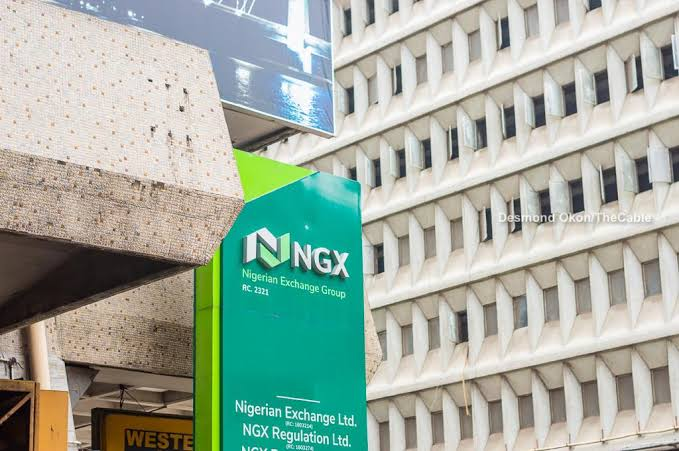
Numbers can sound boring until they represent actual cash made by regular people and major institutions. If you have been following money trends in West Africa lately, you might have heard some incredible news.
The Nigerian stock market recently pulled off a massive achievement. In a span of just seven months, it delivered an astounding N58.9 trillion return to investors.
That figure is not a typo. It represents one of the most exciting financial rallies the country has seen in recent history. Millions of local and international investors watched their portfolios gain significant value as trading activity on the Nigerian Exchange Group hit new highs.
At Whatsbuzzn, we love breaking down massive headlines into simple stories that anyone can read and understand. You do not need a degree in finance to make sense of what is happening in the economy. In this article, we will look at what this N58.9 trillion figure means, why the stock market exploded with growth, which companies led the charge, and how regular people can understand these financial moves.
What Does N58.9 Trillion Market Capitalization Actually Mean?
To understand this big victory, we need to clear up what stock market value really means. When people talk about a stock market delivering returns or reaching a certain market size, they are usually talking about market capitalization.
Build Funnels, Email Lists & Sell Online With One Free Tool
Create funnels, send emails, and sell online using Systeme.io without paying for multiple tools.
Create Free AccountFree forever • No credit card • Beginner-friendly
Market capitalization is a fancy term for a simple concept. Imagine you own a shop with 100 items, and each item costs N1,000. The total value of your shop is N100,000. Now imagine that demand for your items suddenly skyrockets, and people are willing to pay N5,000 for each item. Your shop is now worth N500,000.
That is exactly what happened on the Nigerian stock exchange. The total value of all listed companies—known as the market capitalization—grew to an unprecedented N58.9 trillion mark over seven months.
This growth means that people who bought shares in top Nigerian companies saw the value of their investments shoot up. Some investors doubled their money, while others enjoyed healthy dividend payouts directly into their bank accounts. When the total value of companies increases, wealth is created for everyone holding those stock certificates.
What Triggered This Huge Boom in the Nigerian Stock Market?
Financial gains like this do not just happen by complete accident. A combination of bold policy changes, corporate moves, and shifting investor behavior created the perfect environment for stocks to rise.
New Government Economic Policies
When the Nigerian government introduced new economic reforms, including floating the Naira and removing long-standing fuel subsidies, the market reacted sharply. While these changes created tough challenges for daily cost of living, foreign and domestic investors saw them as necessary steps toward long-term economic health.
Foreign investors who were previously hesitant to bring money into Nigeria began taking a second look. At the same time, local institutional investors—like pension funds—started moving money out of low-yielding savings instruments into the stock exchange.
Impressive Corporate Earnings
Companies listed on the Nigerian Exchange Group did not just sit back. Many top businesses reported massive profits despite economic pressures. When a company posts strong profit figures, investors get excited and buy more of its shares. This buying pressure drives the share price higher.
Banks, manufacturing firms, and oil companies all showed remarkable earnings reports. Seeing these positive results gave investors the confidence to keep putting their money into local stocks.
Local Investors Taking Charge
In the past, the Nigerian stock market depended heavily on foreign investors. When foreign investors pulled their money out, the market crashed. But things have changed significantly over the last few years.
Local Nigerian investors—including regular citizens, local investment funds, and corporate institutions—now account for a huge portion of daily trades. Nigerians realized that holding cash in traditional savings accounts during high inflation causes money to lose value. Investing in strong companies became a popular way to protect purchasing power.
Smarter Tech and Mobile Trading Apps
It used to be difficult for normal people to buy shares. You had to physically visit a broker, fill out paper forms, and wait days for verification. Today, technology has completely changed how people trade.
Thanks to advances in modern financial technology, anyone with a smartphone can open an investment account and buy shares in minutes. If you want to read more about how tech is changing everyday life and businesses, check out our section on Technology and AI trends. Modern apps made it super easy for young Nigerians to enter the stock market, driving trading volumes higher than ever before.
Which Sectors Saw the Highest Growth?
Not every sector grew at the same speed, but a few key industries performed exceptionally well during this seven-month streak.
The Banking Sector
Nigerian banks were the absolute stars of this stock market rally. Major institutions like Zenith Bank, GTBank (GTCO), Access Holdings, UBA, and FBN Holdings saw record-breaking interest income and profit expansion.
The Central Bank of Nigeria also directed banks to raise their capital reserves. This move created huge interest from investors who wanted to own a piece of well-capitalized, rock-solid financial institutions. Furthermore, big banks paid out generous dividends to shareholders, making banking stocks even more attractive.
Industrial and Manufacturing Giants
Industrial companies involved in cement production and construction materials also recorded massive growth. Companies like Dangote Cement and BUA Cement play a massive role in building infrastructure across the nation.
As infrastructure projects continued, these companies maintained strong revenue, which reflected directly in their share prices. When construction activity picks up, these industrial giants see immediate gains.
Consumer Goods and Telecommunications
Even though the cost of living increased, people still needed to eat, drink, buy household items, and stay connected online. Food and beverage companies adjusted their prices to stay profitable, while telecom giants continued to make money from data usage. Every time someone buys a data plan or buys packaged food, these listed companies make money, which eventually ends up rewarding stock investors.
How Everyday People Can Benefit From Stock Investments
When you hear about N58.9 trillion, it can feel like a game played only by billionaires and huge banks. But the truth is that the stock market is open to almost everyone. You do not need millions of Naira to start building a portfolio.
Understanding the Two Ways You Make Money
When you buy a share in a company, you can make money in two primary ways:
- Capital Growth: You buy a share at N10 today, and its price rises to N25 next year. If you sell it, you pocket the N15 profit.
- Dividends: When a company makes a profit, it often shares a portion of that profit with its owners (the shareholders). The company pays this money directly to your bank account, usually once or twice a year.
Start Small and Be Patient
You do not need to dump your life savings into the stock market overnight. The smartest investors build wealth slowly by investing small amounts regularly over time. This approach reduces your risk and helps you avoid emotional stress when prices bounce up and down.
Spread Your Money Around
Spreading your money across different companies and different sectors is essential. If you buy shares in banking, agriculture, and telecom, a bad month in one industry will not destroy your whole portfolio.
Explore Multiple Income Streams
While stock market investing is great for growing wealth over time, having multiple streams of income allows you to invest more consistently. Many people today are exploring modern digital side hustles alongside traditional investments. For example, if you want to learn about automated online content channels, explore our guide on YouTube Automation strategies to see how digital creators build extra streams of cash flow.
Important Risks You Must Keep in Mind
While a N58.9 trillion return sounds like a non-stop party, stock market investing is never without risk. It is vital to stay realistic and honest about what can go wrong.
Share Prices Go Down Too
The stock market moves in cycles. Just as prices can climb rapidly over seven months, they can also fall when economic conditions change or when bad news hits a company. Never invest money that you will urgently need next week to pay rent or buy groceries.
Inflation and Currency Changes
Even though the stock market yielded huge paper returns, inflation remains a factor in Nigeria. That means while your money may grow on paper, the real purchasing power of your money must keep up with rising market prices. Investing helps beat inflation, but it requires careful selection of strong companies.
Beware of Fake Apps and Scammers
Whenever the stock market makes headlines for high returns, scammers come out of hiding. They promise guaranteed returns of 50% every month or ask you to send money to private bank accounts.
Build Funnels, Email Lists & Sell Online With One Free Tool
Create funnels, send emails, and sell online using Systeme.io without paying for multiple tools.
Create Free AccountFree forever • No credit card • Beginner-friendly
Always make sure you trade through stockbroking platforms registered with official regulators in Nigeria. You can verify official financial market information through legitimate resources like the Nigerian Exchange Group.
Frequently Asked Questions (FAQs)
What is the Nigerian Exchange Group (NGX)?
The Nigerian Exchange Group, commonly called the NGX, is the official marketplace where shares of publicly traded Nigerian companies are bought and sold. It acts as the bridge connecting companies looking for capital with public investors looking to grow their money.
How much money do I need to start investing in Nigerian stocks?
You can start with as little as N1,000 to N5,000 using modern licensed trading apps. There is no strict minimum limit set by the market itself, though individual apps or stockbrokers may have small account opening minimums.
Are returns guaranteed when buying shares?
No, stock market returns are never 100% guaranteed. Share prices fluctuate based on company performance, government policies, and general market demand. This is why it is smart to invest in strong, reputable companies rather than chasing risky tips.
How do I get paid my dividends?
Dividends are paid directly into your bank account through an Electronic Dividend Mandate (e-Dividend). Once you set up your e-dividend mandate with your registrar or stockbroker, any dividend declared by a company you own shares in will be credited automatically.
Can foreign investors buy stocks on the NGX?
Yes, foreign individual and institutional investors can buy and sell shares on the Nigerian Exchange Group through registered stockbrokers and custodian banks, subject to foreign exchange regulations set by the Central Bank of Nigeria.
Final Words and How to Stay Connected
The news of Nigeria’s stock market delivering N58.9 trillion in returns over seven months is a huge statement. It shows the strength, resilience, and untapped potential of the local economy despite broader global challenges.
Whether you are actively trading shares or simply keeping up with major news, staying informed is your best asset. Understanding how money moves helps you make better decisions for your personal finances.
Got questions or feedback about this article? Feel free to reach out to our team directly through our Contact Page.
Want to join the conversation and never miss a viral trend or breaking update? Follow us on our social media platforms:
- Join us on Facebook for daily stories and community discussions.
- Follow our Instagram Page for quick updates and highlights.
- Catch up with us on X (formerly Twitter) for real-time news and chatter.
