
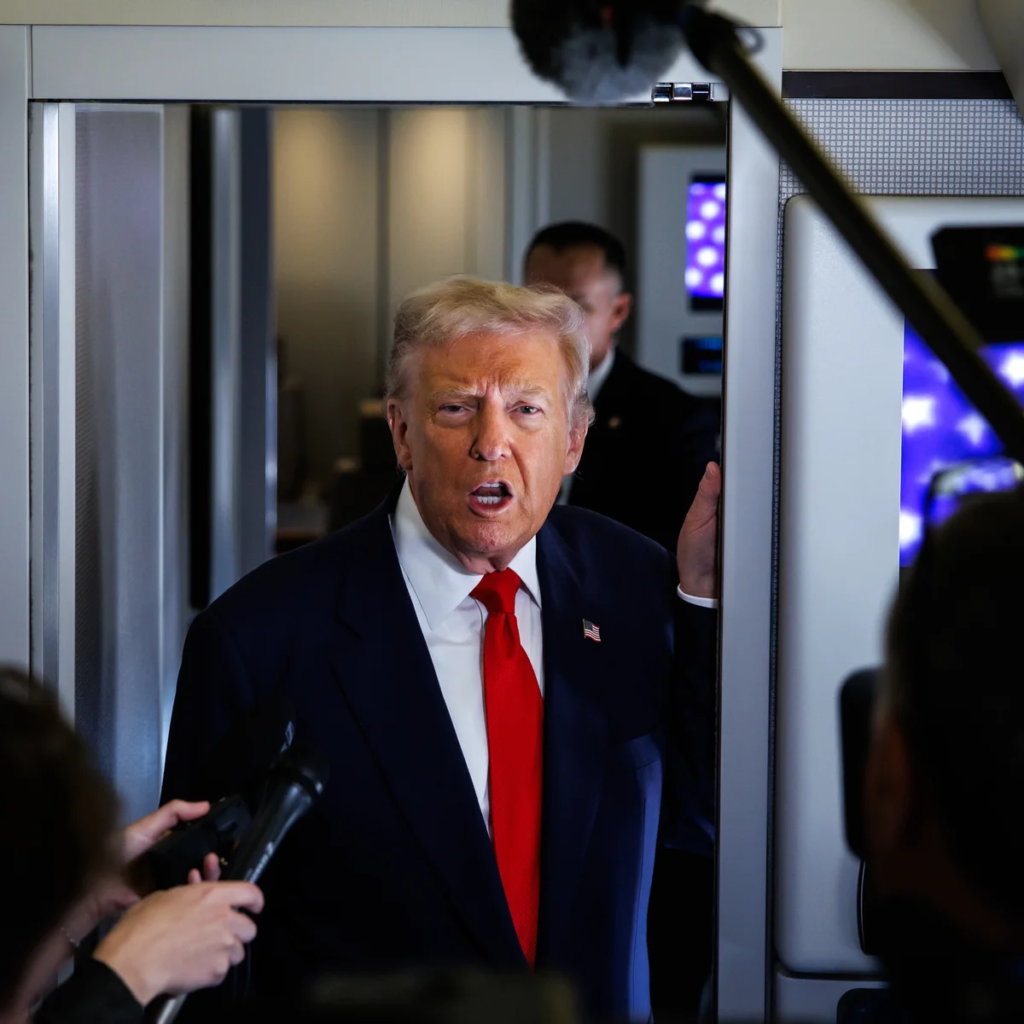
Donald Trump announced that the United States plans to refill its national oil stockpile using crude oil from Venezuela. In a post on Truth Social, he described the new arrangement as a gift to the American public and stated that the refilling process will start soon.
This statement follows a major energy agreement between Washington and Caracas. The plan aims to address a serious problem at home: the Strategic Petroleum Reserve in the United States has dropped to its lowest level in over forty years.
The decision has quickly sparked a massive conversation among energy experts, market watchers, and political leaders. While the announcement promises a fast solution to rebuilding emergency crude supplies, turning that promise into real barrels of oil involves complex challenges.
Understanding the US Strategic Petroleum Reserve and Why It Matters
The Strategic Petroleum Reserve is essentially a massive emergency storage system for crude oil. Created during the 1970s after major global oil shocks, the reserve stores crude in giant underground salt caverns located along the Gulf Coast in Texas and Louisiana.
Its purpose is simple: act as a national safety net. If a war, natural disaster, or global supply crunch threatens to cut off fuel supplies, the government can tap into these underground caverns. Releasing stored crude helps keep gas pumps running and prevents fuel prices from skyrocketing wildly.
The $0 Secret To Launching Your Entire Online Empire
Why pay hundreds every month for separate software? Build funnels, send emails, and make sales with Systeme.io completely free.
Get Started For $0Free Forever • No Credit Card Needed • Beginner-Friendly
At full capacity, the reserve can hold around 714 million barrels of crude. However, official tracking data from the U.S. Energy Information Administration shows that storage levels have plummeted to around 290 million barrels. That leaves the reserve sitting at roughly 40 percent of its total capacity, marking the lowest supply level seen since late 1982.
How did the stockpile fall so low? Over the last few years, the government repeatedly drew down the reserve to handle global market disruptions. Massive amounts of oil were sold in 2022 to counter price surges caused by conflict in Europe. More recently, additional millions of barrels were released to offset shipping disruptions and high fuel costs linked to military tensions in the Middle East.
When emergency storage drops this low, the country has less cushion to deal with future shocks. That is why refilling the reserve has become a top economic priority.
Key Details of the New US-Venezuela Oil Accord
The framework behind this plan stems from a newly negotiated agreement between the United States and Venezuela. Trump described the deal as one of the largest energy agreements ever made, following discussions involving senior government officials from both countries.
The political backdrop in Caracas shifted significantly earlier this year. Venezuelan interim President Delcy Rodríguez confirmed that the bilateral energy accord will remain active for 25 years. The agreement covers 17 strategic oilfields holding an estimated 65 billion barrels of proven crude reserves.
Under the arrangement, a new company formed by the government and private partners will oversee operations across those fields. Reports from major news outlets like the Associated Press indicate that the United States will secure a 55 percent effective output share.
This 55 percent share gives the United States the rights to purchase crude oil at production cost. A significant portion of this oil will go directly toward refilling the Strategic Petroleum Reserve and supplying military needs.
For Venezuela, government representatives estimate that the project could attract roughly $100 billion in direct investment into their local energy sector. Over the life of the deal, Venezuelan officials expect to collect more than $209 billion in tax revenues, providing funds to support their domestic economy.
Can Venezuelan Oil Fill the Reserve Quickly?
While the agreement sounds straightforward on paper, energy analysts urge caution when looking at the timeline. Fetching crude out of the ground and shipping it into underground salt caverns in Texas takes time and working equipment.
Venezuela possesses the largest proven oil reserves on Earth, yet its actual production has lingered around 1.25 million barrels per day. Years of severe underinvestment, lack of repair work, political friction, and strict international sanctions have damaged local infrastructure.
Much of Venezuela’s crude is heavy oil. Heavy crude is thick and sticky, making it difficult to extract, transport through pipelines, and refine without specialized heavy-machinery units.
Industry experts note that fixing broken pipelines, setting up modern drilling rigs, and restoring processing facilities will require years of steady work. Market reporting by organizations like Reuters confirms that while global oil companies are watching closely, production numbers cannot double overnight.
Because of these infrastructure limits, shipments will likely flow gradually rather than in a sudden flood. Replacing hundreds of millions of barrels in the national reserve will be a long process rather than a quick fix.
How Energy Supply Impacts Gas Prices, Businesses, and Technology
Changes in global energy supplies always trickle down into everyday life. When crude oil prices swing up or down, the impact touches everything from daily commuter costs to grocery store prices.
When national emergency stockpiles are low, fuel markets become far more sensitive. A single disruption in overseas shipping can cause panic, leading to higher prices at gas pumps. By taking steps to rebuild the reserve, the government aims to restore market confidence and keep energy costs predictable for drivers and business owners.
Send, Spend & Hold Money Worldwide Without Hidden Fees
Transfer money internationally at the real exchange rate and hold 40+ currencies in one account.
Open a Wise AccountMid-market rate • Fast transfers • 40+ currencies
Stable fuel prices benefit traditional industries like freight transport, farming, and manufacturing. They also help modern digital industries. Large server farms and data centers powering breakthroughs in technology and AI rely on vast, uninterrupted electrical grids that are heavily tied to broader energy markets.
When global energy prices stabilize, inflation cools down. That leaves everyday consumers with more room in their personal budgets. For creators and entrepreneurs running online businesses, including those managing content channels via YouTube automation, broader economic stability directly influences ad spending, sponsorship budgets, and audience engagement.
Political Debate and Global Reactions
The announcement has generated strong reactions from political figures across the spectrum. Supporters argue that securing long-term access to massive crude reserves helps guarantee energy independence for the nation. They highlight that purchasing crude at production costs helps protect taxpayers from market price spikes.
On the other hand, critics in Congress have voiced serious concerns. Some lawmakers question whether relying heavily on Venezuelan resources is wise, given past geopolitical tensions. Others argue that many operational details of the agreement remain undisclosed to the public and require closer legislative oversight.
In South America, reactions are equally varied. Official representatives in Caracas emphasize that Venezuela retains full ownership over its natural resources while leveraging foreign capital to rebuild a damaged industry. However, local commentators point out that foreign partnership terms will be scrutinized carefully as field development begins.
How Global Trends Impact Everyday Life
Big news stories about energy deals and international policy might seem distant, but they shape the world around us. Keeping up with these stories helps you understand why prices change, how markets shift, and where new opportunities might emerge.
If you want to know more about our editorial vision and what drives our coverage, take a look at our about page. If you have thoughts, feedback, or news tips you would like to share, you can reach our team directly through our contact page.
Staying connected on social media is another great way to join the conversation. You can find active community discussions and quick updates on our official pages on Instagram, Facebook, and X (formerly Twitter).
Frequently Asked Questions (FAQs)
What is the US Strategic Petroleum Reserve?
The Strategic Petroleum Reserve is an emergency stockpile of crude oil maintained by the United States government. Stored in deep underground salt caverns across Texas and Louisiana, it acts as a safety cushion to protect the economy during supply disruptions or national emergencies.
How low is the US crude oil reserve currently?
The reserve holds about 290 million barrels of crude oil. This is roughly 40 percent of its total 714 million barrel capacity, marking its lowest point since November 1982.
The $0 Secret To Launching Your Entire Online Empire
Why pay hundreds every month for separate software? Build funnels, send emails, and make sales with Systeme.io completely free.
Get Started For $0Free Forever • No Credit Card Needed • Beginner-Friendly
What are the main points of the US-Venezuela oil agreement?
The deal is a 25-year bilateral energy accord focused on developing 17 oilfields in Venezuela. Under the arrangement, the US receives a 55 percent output share with rights to purchase crude at production cost to refill national reserves.
Will using Venezuelan oil immediately lower gas prices?
Not immediately. While the deal provides a long-term plan for energy supply, repairing Venezuela’s extraction infrastructure will take time before large amounts of crude reach domestic refineries.
Why will it take time for Venezuelan oil production to grow?
Venezuela’s energy facilities have suffered from years of underinvestment, lack of equipment maintenance, and economic sanctions. Furthermore, its heavy crude requires specialized pipelines and upgrading plants, which require significant time and capital to rebuild.
The announcement that Venezuelan crude will be used to refill the Strategic Petroleum Reserve represents a bold shift in energy policy. While restoring emergency stockpiles to safe levels is vital for national security, fixing broken infrastructure and scaling up production will require time, capital, and patience. As field operations begin, the world will be watching closely to see how quickly these plans turn into real progress at the pump.
