
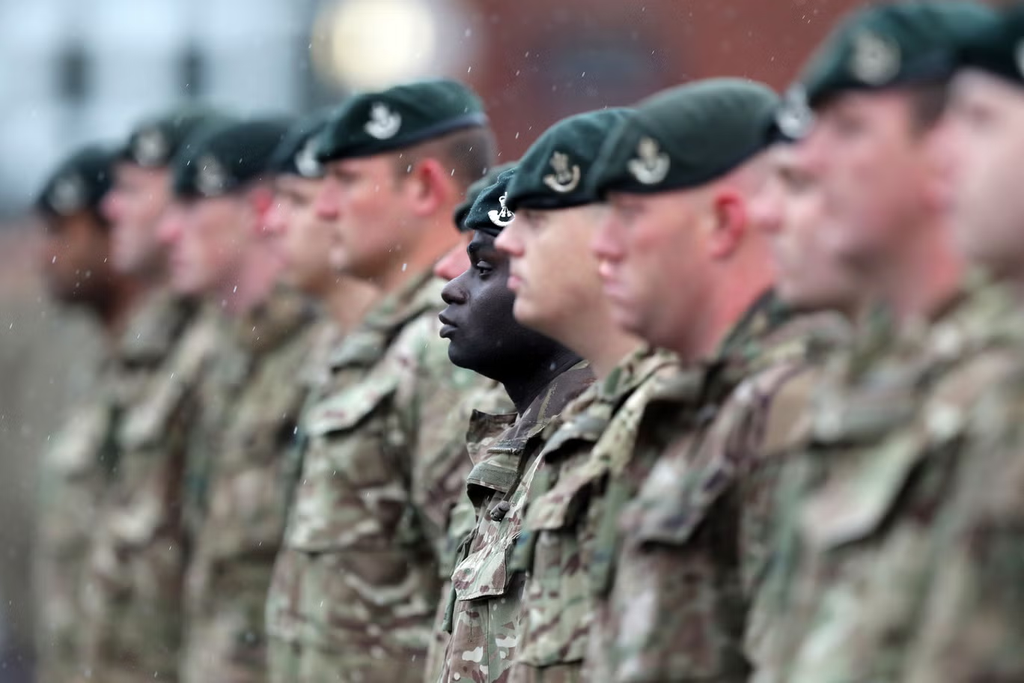
Less than a quarter of young people in Britain are willing to take up arms for their country during a national emergency, exposing a deep divide between generations that is sending shockwaves through military headquarters.
The latest British Social Attitudes survey by the National Centre for Social Research surveyed 4,656 Britons aged 16 and older. The findings are staggering: only 22 percent of people aged 16 to 34 believe that serving in the armed forces during a national crisis is important. In stark contrast, 45 percent of people aged 55 and older view military service as a vital civic duty.
Nearly one in five young Britons outright dismissed military service as completely unimportant, compared to just 8 percent of older adults.
These numbers do not just represent a casual disagreement at the dinner table. They point to a fundamental shift in how young people view national duty, loyalty, and the society they have inherited.
As geopolitical tensions rise across the globe, Britain faces a tough question: if war arrives at the doorstep, who is actually going to answer the call?
The $0 Secret To Launching Your Entire Online Empire
Why pay hundreds every month for separate software? Build funnels, send emails, and make sales with Systeme.io completely free.
Get Started For $0Free Forever • No Credit Card Needed • Beginner-Friendly
What the British Social Attitudes Survey Uncovered
The British Social Attitudes survey has tracked national opinions for more than four decades. Historically, military readiness and standing up for the nation were broadly accepted values across society. Today, that shared consensus has fractured.
The survey highlighted several striking patterns:
- Only 22 percent of young adults aged 16 to 34 place high importance on serving in the military during a national crisis.
- Among adults aged 55 and older, 45 percent say they consider defending the country through military service essential.
- Nearly 20 percent of adults under 35 say military service is entirely unimportant, compared with only 8 percent of seniors.
- Despite the personal reluctance to serve among the young, an overall majority of 56 percent of the British public now favours increasing national defence spending.
Report author and British foreign policy researcher Sophia Gaston noted that the long peace that followed the Cold War has officially come to an end. National security is once again central to daily life, driven by major conflicts, overseas instability, and changing global alliances. Yet, military planners face an uncomfortable paradox: the overall population wants strong defence capabilities, but the very generation expected to hold the rifles is pulling back.
Why Young People Are Walking Away from the Battlefield
The natural reaction among critics is often to label young people as unpatriotic or detached. But speaking directly to young people paints an entirely different picture. The refusal to fight is not born out of cowardice. It is rooted in deep disillusionment with domestic politics, living standards, and past foreign interventions.
Young Britons are dealing with immense economic pressure. Soaring rents, high mortgage barriers, stagnant wages, and high living costs have left many feeling locked out of basic milestones. When an entire generation struggles to find secure housing, afford family life, or build savings, national pride begins to feel hollow.
Many young people bluntly ask: why sacrifice your life to protect a system that feels like it offers nothing back? When citizens feel invested in their society, they are willing to defend it. When they feel abandoned by that same society, asking them to fight for it feels unfair.
There is also a profound trust deficit regarding modern warfare. Gen Z grew up watching the fallout of protracted foreign wars, from Iraq and Afghanistan to shifting conflicts across the Middle East. They saw trillions spent and countless lives lost without clear or lasting peace. Having access to raw, real-time footage on social media has stripped away the romantic veneer of armed conflict.
Shifting Views on Global Enemies and Allies
The study uncovered unexpected views on who British citizens consider dangerous. While 89 percent of the public views Russia as a severe threat to global stability, opinions diverge sharply when it comes to Western allies.
Among 18 to 34-year-olds:
- 79 percent view the United States as a serious threat to world peace.
- 82 percent consider Israeli military actions in the Middle East a significant threat to global stability.
- Overall public apprehension toward Washington has surged, with 74 percent of the broader British public now seeing the US as a threat to international stability, up dramatically from 35 percent just two years ago.
Because of this shifting perspective, 53 percent of Britons now say the country should prioritize building strategic and security partnerships with European neighbors rather than relying blindly on the traditional transatlantic alliance. Young people are no longer convinced that traditional military alliances work in the best interest of common citizens.
Can Compulsory Military Service Make a Comeback?
As recruitment numbers drop and armed forces struggle to retain personnel, political figures across Europe have begun debating the return of national service. Several European nations, including Sweden, Norway, and Latvia, have already revived or updated conscription models.
In the UK, suggestions of compulsory service or civil training periodically surface in parliament. However, introducing mandatory service in Britain faces major hurdles:
First, forcing reluctant young people into military uniform risks damaging morale inside the armed forces. Modern warfare relies on precision, technical ability, and highly trained professionals rather than millions of conscripts carrying standard-issue weapons.
Second, the armed forces currently lack the infrastructure, training personnel, and equipment needed to house, feed, and train dozens of thousands of new recruits every year.
Most importantly, forcing young people into service without addressing their underlying economic and social complaints would only fuel deep resentment. A generation that feels ignored at the ballot box is unlikely to accept mandatory drafts quietly.
Send, Spend & Hold Money Worldwide Without Hidden Fees
Transfer money internationally at the real exchange rate and hold 40+ currencies in one account.
Open a Wise AccountMid-market rate • Fast transfers • 40+ currencies
Fixing the Divide: Rebuilding Trust with Generation Z
Rebuilding a credible defense force does not start by demanding obedience. It starts by repairing the relationship between the nation and its youth. If leaders want young people to defend Britain, they must make Britain a country worth fighting for.
1. Tackle the Cost of Living and Housing
Citizens who own a stake in their country are naturally motivated to protect it. Meaningful housing reforms, affordable rent, and realistic career pathways give young people skin in the game. You cannot expect someone to stand on the front lines when they cannot even afford a bedroom in their home city.
2. Modernize Military Roles Beyond the Trenches
Today’s defense landscape encompasses cyber warfare, intelligence analysis, drone tech, satellite communication, and disaster response. The military needs to show that serving the nation does not just mean holding a gun in a trench. High-tech roles provide valuable civilian skills and appeal directly to digital natives.
3. Restore Transparency in Foreign Policy
Young people demand ethical clarity and accountability. Governments must demonstrate that defense actions serve genuine domestic security rather than foreign business interests or speculative geopolitical adventures.
Where Does National Security Go from Here?
The findings from the British Social Attitudes survey serve as a wake-up call for defense analysts and policymakers alike. National security cannot exist on paper alone. It relies on the willingness of ordinary people to step forward when danger appears.
As global conflicts expand and old alliances face strain, Britain must rethink how it engages its young workforce. Throwing money at military equipment is useless without the human hands to operate it. Rebuilding trust, addressing real financial hardships, and listening to young concerns is the only sustainable way forward.
To learn more about our ongoing political and social coverage, check out our report on how foreign workers navigate shifting UK visa rules. If you want to understand broader defense and geopolitical issues, see our breakdown on why Pentagon culture battles disrupt modern army readiness and how military leadership shakeups impact armed forces. You can also read about how economic pressures and trade wars affect household finances across major economies.
Frequently Asked Questions
What did the British Social Attitudes survey find about Gen Z?
The survey found that only 22 percent of Britons aged 16 to 34 view military service during a national crisis as highly important, compared to 45 percent of people aged 55 and older. Nearly 20 percent of under-35s consider serving in the armed forces totally unimportant.
Why is Generation Z reluctant to fight for Britain?
The reluctance comes from multiple factors, including skyrocketing housing costs, low wage growth, lack of trust in traditional politicians, skepticism over past foreign military campaigns, and widespread access to transparent social media coverage of warfare.
Does the British public support increasing defense spending?
Yes. Despite younger people being reluctant to fight personally, 56 percent of the overall British public supports increased government spending on national defense, reflecting broad anxiety over global instability.
The $0 Secret To Launching Your Entire Online Empire
Why pay hundreds every month for separate software? Build funnels, send emails, and make sales with Systeme.io completely free.
Get Started For $0Free Forever • No Credit Card Needed • Beginner-Friendly
Could the UK bring back mandatory national service?
While some politicians and European neighbours have discussed reinstating conscription, it remains politically risky and practically difficult in the UK due to severe training facility constraints, logistical hurdles, and immense public opposition among young adults.
What countries do young Britons consider major threats?
While 89 percent of the public views Russia as a critical threat to world peace, 79 percent of young adults aged 18 to 34 also view the United States as a serious threat, and 82 percent view Israeli regional military operations as a risk to global stability.
Britain stands at a crossroads. National defense is no longer just an abstract budget debate; it is an urgent test of social solidarity. Unless the country proves to its youngest citizens that it values their future, it cannot realistically expect them to defend its borders.
