
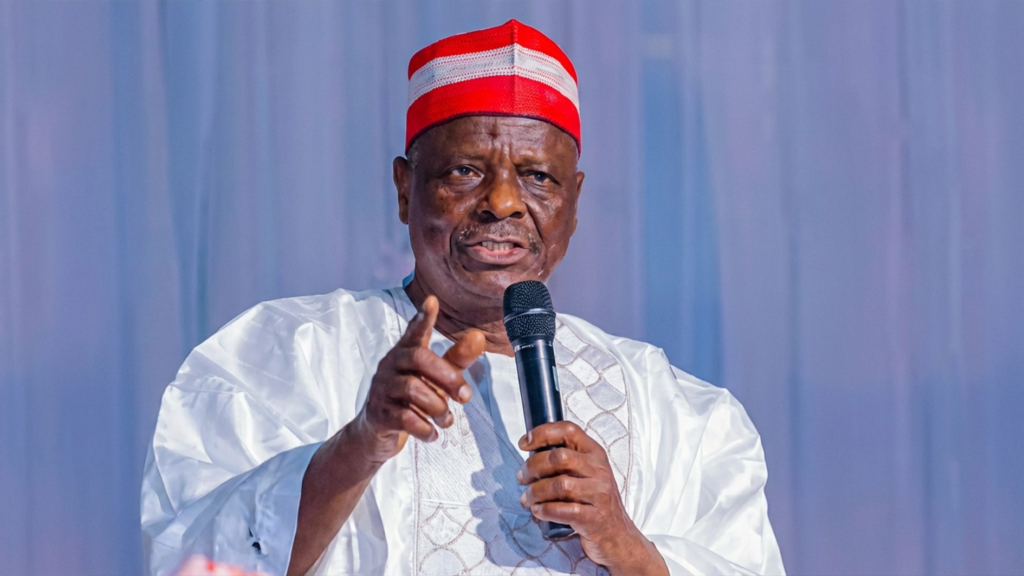
The debate surrounding the creation of state police in Nigeria has reached a major turning point. Across the country, political leaders, community elders, and security experts are taking strong positions on whether individual states should control their own armed police forces. While many advocates view this proposal as a crucial step toward solving Nigeria’s security challenges, former Kano State governor and presidential candidate Rabiu Musa Kwankwaso sees serious trouble ahead.
Kwankwaso has warned that establishing state police before the 2027 general elections could lead to widespread political abuse and security risks. His warnings come at a time when the nation is searching for answers to lingering security issues like banditry, kidnapping, and regional conflicts. However, Kwankwaso argues that giving state governors direct command over local armed officers right before a major election cycle could undermine democracy itself.
At Whatsbuzzn, we focus on breaking down major political issues so that every reader can understand what is happening and why it matters. Politics shapes our daily lives, and understanding the reasons behind big statements from key political figures helps all of us make better choices for our communities.
What Is the State Police Proposal in Nigeria?
To understand why Kwankwaso is concerned, it helps to look at how policing works in Nigeria today. Right now, Nigeria operates a centralized police system. This means that the entire Nigeria Police Force is commanded from the federal capital in Abuja by the Inspector-General of Police. Whether an officer is stationed in Lagos, Kano, Rivers, or Maiduguri, they all answer to the central authority in Abuja.
For years, many citizens and state officials have argued that this central system is not working as well as it should. Nigeria is a vast country with over 200 million people and diverse cultures. A centralized command structure can sometimes be slow to respond when security issues break out in remote rural areas or distant state capitals.
Build Funnels, Email Lists & Sell Online With One Free Tool
Create funnels, send emails, and sell online using Systeme.io without paying for multiple tools.
Create Free AccountFree forever • No credit card • Beginner-friendly
Because of these challenges, several state governors and civil society groups have called for constitutional amendments to allow each state to create and manage its own police force. Under a state police system, governors would serve as the ultimate bosses of their local police departments. Local officers would be recruited from the communities they serve, theoretically making them more familiar with the terrain, local languages, and regional security threats.
While this idea sounds promising on the surface, it has triggered intense disagreement among political stakeholders. The main concern is not about fighting crime; it is about political power and how that power might be used when election season arrives.
Kwankwaso’s Warning: Why He Foresees Danger
Rabiu Musa Kwankwaso is not new to the workings of Nigerian politics or security. Having served as a two-time governor of Kano State, a former Minister of Defence, and a major contender in national elections, he understands the political machinery from the inside out. When he speaks about security and elections, political observers listen carefully.
Kwankwaso’s central concern is simple: state governors could easily turn state police into personal political tools. In Nigeria’s political landscape, governors already hold immense authority within their states. They control state funds, influence local government administration, and oversee regional appointments. Adding direct command over armed police officers to their power could create an unbalanced playing field during elections.
Suppression of Opposition Parties
One of the biggest risks Kwankwaso points out is the potential suppression of opposition parties. During election seasons, political parties need to hold rallies, meet voters, distribute posters, and run campaigns freely across all local government areas.
If a sitting governor controls the state police force, there is a risk that police officers could be ordered to disrupt opposition gatherings, arrest rival politicians on weak pretenses, or block opposition events under the guise of security concerns. Opponents would have very little room to campaign fairly, giving the ruling party in that state an unfair advantage.
Voter Intimidation at the Polls
Another major danger Kwankwaso foresees is voter intimidation on election day itself. Elections require an atmosphere where citizens feel safe to walk into polling units and vote for candidates of their choice without fear.
If state police officers are loyal to the sitting governor rather than the neutral constitution, they could be deployed to intimidate voters in areas known to support opposition candidates. This could lead to lower voter turnout, altered election results, and widespread public anger.
Creation of Local Militia-Style Forces
Kwankwaso also expressed concern that state police could quickly deteriorate into state-funded private armies. Without strict federal oversight, local police command structures might prioritize the political survival of the governor over public safety. Instead of hunting down criminals and protecting lives, officers could be tasked with monitoring political rivals, silencing critics, and protecting narrow political interests.
The Political Climate and the 2027 General Elections
The timing of the state police discussion makes it especially sensitive. The 2027 general elections are approaching, and major political realignments are taking shape across Nigeria. Parties are building coalitions, leaders are switching camps, and strategies are being crafted behind closed doors.
In Nigeria, general elections are fiercely contested. Battles take place not just at the presidential level, but across governorship seats, Senate positions, House of Representatives seats, and State Houses of Assembly. Every political party wants to secure as many states as possible.
If the constitution is amended to allow state police before 2027, every sitting governor will gain control over local law enforcement just as election campaigns heat up. In states where political rivalry is high, this could create chaotic situations where local state police clash with opposition supporters, or even with federal security agencies like the army or federal police.
Kwankwaso’s caution reflects a fear shared by many political analysts: introducing such a major constitutional change right before a high-stakes national election could create more conflict than it solves. Instead of bringing peace, it might ignite political violence and destabilize the country.
The Arguments For and Against State Police
To see the full picture, it is helpful to look at both sides of the argument objectively. The state police debate is not black and white, and both supporters and critics raise points that deserve careful thought.
The Arguments Supporting State Police
Supporters of state police believe that Nigeria’s security situation requires immediate, localized action. Here are the main arguments in favor:
- Better Local Knowledge: Local officers know the community, the people, the geography, and the hideouts used by criminals. This makes crime fighting much more effective than sending officers from distant parts of the country who do not speak the local language.
- Faster Response Times: Centralized command in Abuja can create delays when urgent decisions need to be made during security emergencies. State police commands could act immediately without waiting for federal approval.
- More Officers on the Streets: Nigeria currently suffers from a shortage of police officers relative to its population. State police would allow financially capable states to hire thousands of additional officers to protect communities.
The Arguments Opposing State Police
On the other hand, critics like Kwankwaso highlight structural flaws and political risks that cannot be ignored:
- Political Misuse: As highlighted by Kwankwaso, state governors could use local police forces to crush political opposition, silence journalists, and control local elections.
- Financial Strain: Many states in Nigeria struggle to pay regular civil servant salaries on time. Funding a well-equipped, modern police force requires billions of Naira. Unpaid or poorly equipped police officers could easily turn to corruption or extortion to make a living.
- Risk of Tribal or Regional Bias: In states with multiple ethnic or religious groups, local police could be used by dominant groups against minority populations, worsening ethnic tensions.
- Lack of Uniform Standards: Different states might train and equip their police forces differently, leading to inconsistent law enforcement practices across state borders.
The Role of Media and Digital Information in Modern Politics
As discussions about state police and the 2027 elections unfold, the way Nigerians get their news has changed dramatically. Years ago, citizens relied almost entirely on evening television news and daily newspapers. Today, social media, independent online magazines, and digital news platforms deliver real-time updates directly to our smartphones.
This shift gives citizens power, but it also brings new responsibilities. Information travels fast, and political rumors can spread just as quickly as verified news. That is why tracking political trends through reliable digital channels is so crucial.
Many content creators and media platforms use modern digital tools to keep the public informed efficiently. For instance, creators interested in setting up digital media channels use automated media systems to produce structured video content and political commentary at scale. You can read more about how these digital publishing models work on our guide to YouTube automation.
At the same time, artificial intelligence is reshaping how news is analyzed and delivered to readers worldwide. From detecting fake news to translating political speeches into local languages, smart technology helps citizens separate facts from political spin. If you want to know how tech is changing media consumption, check out our section on technology and AI.
What This Means for Everyday Nigerian Citizens
While politicians debate laws and constitutional amendments in Abuja and state capitals, everyday citizens are the ones affected by these decisions. Safety in our neighborhoods, peace during election periods, and trust in public institutions directly impact our daily lives.
Here are a few key points citizens should keep in mind as this debate continues:
- Stay Informed: Keep up with national debates from balanced news sources. Understand what constitutional changes mean before supporting or opposing them.
- Focus on Governance: Security is not just about carrying guns; it is about good governance, job creation, fairness, and building strong institutions that serve everyone equally.
- Demand Accountability: Whether policing remains centralized or moves to the states, citizens must demand transparency, proper training, and strict discipline from all security personnel.
- Protect the Vote: Elections should be decided by voters at the polling booth, not by security forces or political thugs. Protecting democratic norms is essential for national stability.
How You Can Stay Connected with Whatsbuzzn
At Whatsbuzzn, we believe in keeping our readers informed about the issues that matter most—from political developments and social trends to technology and entertainment. We aim to break down big stories into clear, readable guides that anyone can follow.
If you have thoughts, feedback, or news tips you would like to share with our team, feel free to visit our contact page to get in touch with us directly.
We also invite you to join our growing online community across social media platforms. You can follow our daily updates and join the conversation on Instagram, like our page on Facebook, and follow our real-time posts on X (formerly Twitter).
Frequently Asked Questions (FAQs)
What is state police in Nigeria?
State police refers to a security setup where individual state governments create, fund, and manage their own independent police forces, rather than relying solely on the single federal police force controlled from Abuja.
Why is Rabiu Kwankwaso against state police before 2027?
Kwankwaso argues that state governors could abuse their power over state police to intimidate political opponents, suppress opposition rallies, and influence election outcomes during the 2027 general elections.
Build Funnels, Email Lists & Sell Online With One Free Tool
Create funnels, send emails, and sell online using Systeme.io without paying for multiple tools.
Create Free AccountFree forever • No credit card • Beginner-friendly
Can state police be established without changing the Nigerian Constitution?
No. Under the current constitution of Nigeria, policing falls under the Exclusive Legislative List. This means only the federal government has the power to control police forces. Establishing state police requires a constitutional amendment passed by the National Assembly and approved by at least two-thirds of state houses of assembly.
Which political leaders support state police?
Several state governors, regional socio-cultural groups, and civil society organizations support state police. They argue that local officers understand local security challenges better and can respond faster to threats like kidnapping and banditry.
What are the main challenges of establishing state police in Nigeria?
The primary challenges include risks of political misuse by governors, financial constraints in paying officers regularly, potential ethnic or regional bias, and a lack of uniform training standards across different states.
The debate over state police goes straight to the heart of Nigeria’s future, touching on both national security and democratic health. Rabiu Kwankwaso’s warning serves as a reminder that even well-meaning policies can carry hidden dangers if introduced without strong safeguards or at sensitive political moments. As the country moves closer to the 2027 polls, finding a balance between effective local security and fair political competition will remain one of the most critical challenges facing Nigerian leaders and citizens alike.
