
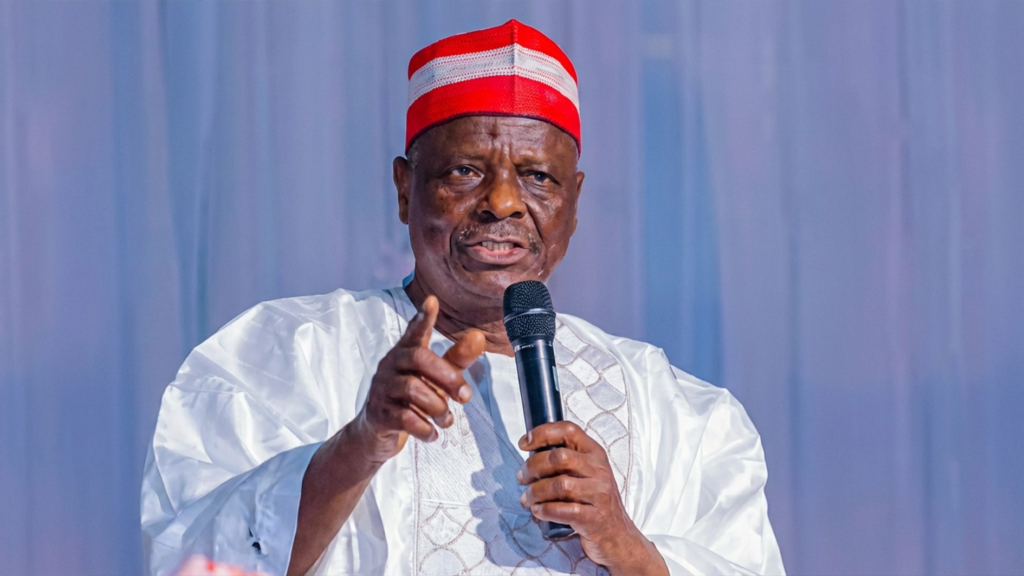
The conversation around the 2027 presidential election in Nigeria is already heating up, and political leaders across the nation are making bold moves. One of the biggest political developments making headlines involves Rabiu Musa Kwankwaso, the leader of the New Nigeria Peoples Party (NNPP), and Peter Obi, the 2023 presidential candidate for the Labour Party.
Kwankwaso recently spoke publicly about a potential political partnership with Peter Obi ahead of the next election cycle. During his statements, he made a clear declaration that caught the attention of voters and analysts alike. He stated that nobody should have any reason to doubt Peter Obi’s promise to serve only one four-year term if elected president.
This endorsement has sparked fresh discussions in homes, offices, and across social media platforms. People across the country are asking what this agreement means for Nigeria, how realistic the promise is, and whether a president can make a lasting impact in just four years.
At WhatsBuzzn, we focus on breaking down trending political events so everyone can understand what is happening in simple terms. Here is a complete breakdown of Kwankwaso’s statement, the proposed one-term agreement, and what it could mean for the future of Nigerian governance.
What Kwankwaso Said About Peter Obi’s One-Term Promise
Rabiu Musa Kwankwaso addressed the public regarding ongoing discussions between key opposition figures aimed at forming a formidable political coalition. During his comments, he confirmed that strategic negotiations for the 2027 general election are progressing.
Build Funnels, Email Lists & Sell Online With One Free Tool
Create funnels, send emails, and sell online using Systeme.io without paying for multiple tools.
Create Free AccountFree forever • No credit card • Beginner-friendly
Kwankwaso revealed that Peter Obi offered a specific proposal to address concerns about power rotation and regional fairness. According to Kwankwaso, Obi committed to serving a single four-year tenure from 2027 to 2031 if he secures the presidency.
Kwankwaso emphasized that Obi’s pledge is genuine and aimed at building trust between different geopolitical zones, particularly between the South and the North. He urged voters and political stakeholders across the country to trust Obi’s word, noting that the arrangement is designed to promote national unity and political stability.
This statement carries significant weight because Kwankwaso remains one of the most influential political figures in Northern Nigeria. When a leader with a massive grassroots following steps forward to validate another politician’s promise, voters pay close attention.
Why the One-Term Presidency Proposal Matters
Power rotation in Nigeria remains a vital factor in national politics. For decades, the country has maintained an informal arrangement of rotating the presidency between Northern and Southern regions to ensure every part of the country feels represented.
When a candidate assumes office, their home region often expects them to serve two full terms, totaling eight years. However, this extended timeline can sometimes create tension among other regions waiting for their turn to produce a leader.
Peter Obi’s proposal to limit his presidency to four years is viewed by many as an effort to balance these regional expectations. Here are the key reasons why this proposal has generated so much discussion:
Building Trust Across Regions
Many political leaders in Northern Nigeria want clear assurances regarding when presidential power will return to the North. By promising to step down after four years, Obi aims to reassure Northern stakeholders who might otherwise hesitate to back a Southern candidate.
Focusing on Urgent National Problems
Four years can seem brief, but supporters argue that a leader freed from re-election politics can focus entirely on delivering results. Instead of spending time and resources campaigning for a second term, a single-term president can dedicate all their energy to economic stabilization and national security.
Setting a New Benchmark for Leadership
In Nigerian political history, leaders rarely offer to shorten their potential time in office. If this single-term commitment is honored, it could set a new standard for selflessness and accountability in African governance.
The History Between Peter Obi and Rabiu Kwankwaso
To fully understand this alliance, it helps to look back at the political history between both leaders. Prior to the 2023 presidential election, there were intensive talks regarding a joint ticket between Peter Obi and Rabiu Kwankwaso under the NNPP.
At that time, negotiations stalled because both figures were dominant leaders with dedicated follower bases. Kwankwaso held immense influence in Kano State and across the Northwest, while Obi commanded a growing youth movement across the South and North-Central regions. Neither candidate was ready to accept the vice-presidential position at that stage.
Consequently, both candidates contested separately in 2023. Obi finished third in the official vote count with over six million votes, while Kwankwaso secured Kano State and gathered millions of votes across Northern communities.
Now, as political dynamics evolve toward 2027, both leaders recognize that remaining divided makes it challenging to compete against the ruling party. As a result, dialogue has reopened, with the one-term arrangement serving as a central pillar of their current discussions.
Why Do Many Nigerians Doubt Political Promises?
It is natural for voters to express skepticism when politicians make campaign promises. Over the years, citizens have heard many pledges during election campaigns, only to see those commitments forgotten after candidates assume power.
Here are a few reasons why everyday citizens remain cautious about this single-term pledge:
Past Electoral Experiences
History has made voters cautious. In previous election cycles, various candidates pledged to complete specific reforms or limit their time in office. Once elected, many of those promises faded as the pursuit of a second term took priority.
Constitutional Provisions
The Nigerian Constitution grants an elected president the right to serve two four-year terms. Even if a candidate signs a political pact or makes a verbal commitment to serve one term, the law permits them to run again. Critics argue that informal agreements carry no legal weight against constitutional provisions.
Political Pressure From Allies
Once a president takes office, party leaders, ministers, and governors often encourage them to run for a second term to maintain their political influence. Resisting that level of internal pressure requires extraordinary determination from any leader.
Despite these valid concerns, Kwankwaso maintains that Obi’s commitment is different. He believes that Obi’s track record demonstrates a dedication to governance over political longevity.
What Could Obi Accomplish in a Single Four-Year Term?
A frequent question among voters is whether four years provides enough time to implement real solutions for Nigeria’s economic and security challenges.
While four years cannot resolve every long-standing issue, a focused administration can establish strong policies and execute major reforms. Here is a look at what could be addressed during a single term:
Economic Stabilization
Addressing the cost of living and inflation remains a top priority for families. A focused government can implement policies to support local production, encourage agricultural growth, and stabilize foreign exchange rates.
Security and Infrastructure Enhancements
Improving national security requires decisive action, modern equipment for security agencies, and upgraded intelligence systems. Governments globally rely on modern technology to protect citizens and manage national data efficiently. To explore how technology is transforming modern systems, visit our technology and AI section.
Reducing the Cost of Governance
Nigeria spends a significant portion of its revenues on running government administration. Obi has consistently advocated for eliminating unnecessary government spending, reducing official convoys, and merging redundant agencies. These changes can be enacted quickly through executive decisions.
Enhancing Institutional Transparency
Implementing digital tracking systems for government contracts and public expenditure can happen rapidly. When public funds are tracked transparently, waste decreases and public trust improves.
The Role of Northern Support in Presidential Elections
Securing the presidency in Nigeria requires broad voter support across both Northern and Southern states. No candidate can win the national election relying solely on a single region.
This reality highlights why Rabiu Kwankwaso’s support is so important for Peter Obi. Kwankwaso leads the Kwankwasiyya movement, known for its strong grassroots organization and broad base across Northern commercial centers.
Build Funnels, Email Lists & Sell Online With One Free Tool
Create funnels, send emails, and sell online using Systeme.io without paying for multiple tools.
Create Free AccountFree forever • No credit card • Beginner-friendly
By publicly supporting Obi’s single-term pledge, Kwankwaso provides his followers with a clear reason to consider a Southern candidate. He is communicating to his base that supporting Obi in 2027 will not lock the North out of executive power for eight years.
If this coalition fully materializes, it combines two energetic political movements: the Obidient movement, driven largely by passionate young voters across the country, and the Kwankwasiyya movement, which maintains deep political roots in the North.
How Digital Media and Content Creators Cover Political News
The way citizens consume political updates has changed dramatically. While traditional television and newspapers remain important, online media platforms now play a major role in breaking political news.
YouTube commentators, independent journalists, and digital magazines are often the first to analyze major developments like the Kwankwaso-Obi talks. Content creators break down lengthy political interviews into bite-sized videos that millions of viewers watch daily on their smartphones.
For creators interested in how digital news channels operate and grow their online reach, exploring our YouTube automation category offers useful insights into building audiences around trending news topics.
Social media platforms like X, Facebook, and Instagram host continuous debates on these topics. Public opinion forms quickly, making direct and clear communication essential for political leaders.
The Potential 2031 Transition Blueprint
If the arrangement between Obi and Kwankwaso remains firm through the 2027 general election, attention will eventually turn to the 2031 transition plan.
Under the framework discussed by coalition strategists, Obi would serve as president from 2027 to 2031. At the conclusion of his term, the presidential ticket would rotate back to the North, paving the way for Kwankwaso or another prominent Northern candidate to lead the coalition in 2031.
This transition blueprint aims to satisfy regional interests:
- The Southern region produces a president to address calls for political representation.
- The Northern region receives a clear commitment that executive leadership returns North after a four-year period.
Political analysts emphasize that making such a plan work requires ongoing trust, party discipline, and effective communication between both camps over the next several years.
Public Reactions Across Nigeria
Reactions to Kwankwaso’s statement have varied across different regions and political groups.
Supporters’ Perspective
Supporters of both leaders have welcomed the announcement. They view the Obi-Kwankwaso coalition as a realistic way to unite opposition voters and present a strong alternative in 2027. They contend that a candidate who voluntarily limits their time in office demonstrates genuine commitment to public service.
Skeptics and Opponents
Conversely, political opponents and skeptics question whether the agreement will hold. They argue that pre-election political pacts often collapse under the pressures of governance. Others maintain that four years is insufficient time to execute long-term national development projects.
Independent Political Analysts
Neutral observers view the statement as a calculated strategy. By having Kwankwaso defend the one-term promise publicly, Obi’s campaign is addressing Northern voters’ concerns well in advance of the election season.
Major news networks like Channels Television and Arise News have featured political experts discussing how power-sharing agreements influence voter choices in Nigerian elections.
Lessons From Historical Political Coalitions
Political alliances are a familiar feature of Nigerian history. Examining past election cycles shows how strategic party mergers can change the direction of national governance.
In 2013, key opposition parties merged to create the All Progressives Congress (APC). That merger combined political structures from the North and South, leading to an opposition victory in the 2015 presidential election.
That historic event demonstrated that when political leaders unite around shared objectives, they can reshape the electoral landscape. The current conversations between Obi, Kwankwaso, and other opposition figures build on these historical lessons.
However, history also shows that managing internal party dynamics after winning power requires continuous effort. Establishing clear agreements early—such as the single-term commitment—is intended to keep coalition partners aligned.
Stay Connected With WhatsBuzzn
Staying informed about political developments, social trends, and economic updates is essential for every engaged citizen. At WhatsBuzzn, our goal is to bring you clear, reliable, and easy-to-read articles on the topics shaping our world.
Want to learn more about our publication and values? Visit our about WhatsBuzzn page to read about our mission and editorial team.
If you have feedback, questions, or topic ideas you would like us to cover, feel free to contact us through our contact our team page. We value input from our readers and enjoy connecting with our audience!
You can also join the conversation on our official social media channels:
- Follow our latest updates on our Instagram page.
- Connect with us on our official Facebook page.
- Join daily discussions on our X (formerly Twitter) account.
Frequently Asked Questions (FAQs)
What did Rabiu Kwankwaso say about Peter Obi’s one-term promise?
Rabiu Kwankwaso stated that no one should doubt Peter Obi’s promise to serve a single four-year term if elected president in 2027. He confirmed that discussions regarding this agreement are active and designed to build trust between regions.
Why is Peter Obi offering to serve only one term?
Peter Obi proposed a single term to assure Northern voters and leaders that presidential power would return to the North by 2031. It is also meant to show that his focus is on resolving critical national challenges rather than remaining in office for eight years.
Is a one-term political pact legally enforceable in Nigeria?
No, informal political agreements are not legally binding under the Nigerian Constitution. The constitution permits an elected president to seek two four-year terms. The agreement relies on trust, political integrity, and mutual understanding among coalition leaders.
Can a president achieve meaningful progress in four years?
Yes. While four years cannot solve every challenge, a president can stabilize the economy, reduce the cost of running government, improve security infrastructure, and implement key administrative reforms within a single term.
Will Kwankwaso run as Peter Obi’s vice president in 2027?
Talks between both political figures are ongoing. Kwankwaso’s recent comments indicate a strong willingness to collaborate within a unified opposition platform for the 2027 presidential election.
Looking Ahead to the 2027 Elections
The political environment in Nigeria continues to evolve quickly, and Rabiu Kwankwaso’s defense of Peter Obi’s one-term promise introduces an interesting dynamic to the 2027 presidential race. Whether this pact holds firm and unites opposition voters across Northern and Southern states will be one of the key political stories to follow in the coming years. As leaders build coalitions and refine their strategies, citizens will be watching closely to see which platforms offer clear plans for the country’s progress.
