
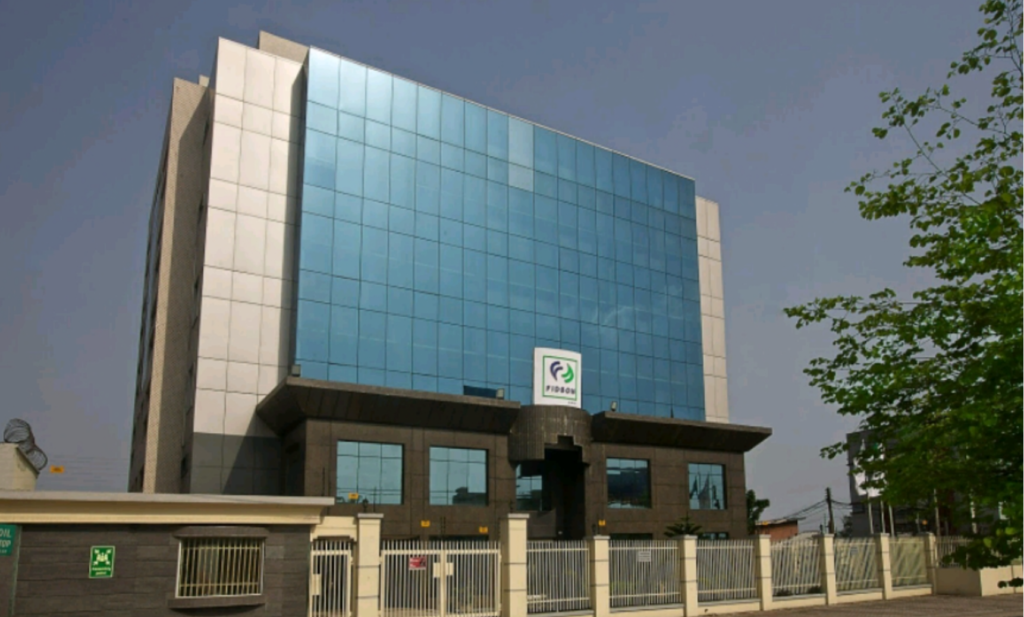
One of Nigeria’s leading drug manufacturers, Fidson Healthcare Plc, recently published its financial results for the first six months of the year. The figures show remarkable growth.
Despite tough economic conditions, high inflation, and currency fluctuations, Fidson recorded a 28 percent increase in net profit. The company pulled in billions of Naira in revenue, driven by strong local demand for essential medicines.
This success story is about more than just numbers on a balance sheet. It shows how local manufacturing can thrive and keep healthcare affordable for everyday families. Let us take a clear look at how Fidson achieved these results, what drove their financial growth, and what this performance means for consumers and stock market investors.
Breaking Down the Numbers: How Fidson Made N74.5 Billion in Six Months
Fidson Healthcare presented its unaudited financial accounts on the Nigerian Exchange, revealing impressive top-line growth. For the half-year period ending in June, total revenue rose to N74.5 billion. This marks a noticeable jump from the N62.6 billion recorded during the same period in the previous year.
Before accounting for taxes, Fidson recorded a 30 percent surge in profit before tax, bringing the total to N11.7 billion. After settling statutory tax obligations, the final profit after tax rose to N7.7 billion, up from N6.0 billion reported last year, as highlighted in a financial update by Premium Times.
Build Funnels, Email Lists & Sell Online With One Free Tool
Create funnels, send emails, and sell online using Systeme.io without paying for multiple tools.
Create Free AccountFree forever • No credit card • Beginner-friendly
Understanding financial terms does not need to be complicated. Think of revenue as the total amount of money a business collects from customers who buy its medicines. Profit after tax is the actual cash left in the bank after paying factory workers, buying raw materials, funding power generators, settling bank interest, and paying government taxes.
Earning N7.7 billion in clean profit in six months shows two things. First, Nigerians are actively buying Fidson’s products. Second, the company’s management team is finding effective ways to control operational expenses despite nationwide price increases.
In addition to profit growth, Fidson’s overall financial foundation grew stronger. Total company assets expanded by more than one-third, reaching N110.4 billion. This asset growth was boosted by an increase in distribution networks and product inventories held across the nation.
Key Drivers Behind the High Profit Margin
Achieving a 28 percent growth rate during challenging economic periods does not happen by accident. Several key factors aligned to give Fidson this massive financial boost.
High Demand for Prescription and Over-the-Counter Drugs
Nigeria’s population continues to grow rapidly. A larger population means a constant and increasing demand for healthcare products, treatments, and daily vitamins. Fidson makes two primary categories of healthcare products: ethical drugs and over-the-counter (OTC) drugs.
Ethical drugs are specialized medicines that require a written prescription from a qualified doctor. Over-the-counter drugs are everyday healthcare remedies you can buy directly at a local pharmacy, such as pain relievers, cough syrups, and supplements.
Ethical prescription drugs delivered the biggest share of revenue for Fidson, making up more than three-fifths of total turnover. Hospitals, private clinics, and government health centers ordered prescription treatments in large volumes. At the same time, sales of everyday OTC remedies saw steady growth as families sought reliable healthcare brands.
Major Relief from Foreign Exchange Losses
Fluctuations in foreign exchange rates have created major challenges for many manufacturing firms across West Africa. Because many raw drug ingredients are sourced internationally, sudden changes in currency values can wipe out profits quickly.
During this six-month period, Fidson managed to cut its net foreign exchange loss by 87.5 percent. This sharp reduction in FX losses provided immediate financial relief. Instead of losing money on currency conversion differences, the company kept those funds in its operational account, directly boosting overall profits.
Backing from Global Healthcare Giants
International strategic partnerships provided another layer of stability and trust. Fidson recently secured technical and strategic backing from Haleon, a major UK consumer healthcare multinational.
Partnering with global industry leaders helps domestic drug makers maintain international standards, improve factory efficiency, and secure better pricing on raw material imports. This backing has enhanced consumer confidence in Fidson’s products and reinforced its standing in the market.
Facing the Strain of Rising Business Expenses
While a 28 percent profit increase sounds great, operating large factories in Nigeria requires constant problem-solving. Fidson experienced noticeable increases in several operational expenses over the past six months.
Salary Adjustments for Workers
Fidson’s administrative expenses jumped by 47.2 percent, hitting N9.6 billion for the half-year. The main driver behind this expense increase was personnel costs. The company adjusted employee salaries and wages upward to help workers handle high living costs across the country.
Increasing staff salaries adds to monthly overhead costs, but keeping skilled factory workers, chemists, and pharmacists motivated is crucial for quality control in drug manufacturing.
Smart Control of Direct Production Costs
Direct production costs, known as the cost of sales, cover expenses like raw pharmaceutical ingredients, factory electricity, diesel fuel, and product packaging.
Fidson reduced its cost of sales ratio from 59 percent of total revenue down to 57 percent. A two percent improvement might look minor, but on N74.5 billion in sales, it represents billions of Naira saved. Managing energy costs and negotiating better bulk prices on local inputs allowed the company to preserve healthy margins.
Why Domestic Drug Production Matters to Everyone
Earnings reports from pharmaceutical companies carry real meaning for everyday citizens. When local drug makers perform well, the benefits extend to local families and communities.
Keeping Essential Medicines Affordable and Available
Relying heavily on foreign drug imports leaves a nation vulnerable. If international supply routes suffer delays or import costs rise sharply, local drug prices skyrocket. In worst-case scenarios, essential treatments disappear from pharmacy shelves altogether.
By manufacturing prescription medicines locally, companies like Fidson help maintain a steady supply of healthcare products. The Nigerian government aims for domestic drug production to reach 70 percent of total market supply by 2030. Strong half-year performances show that local facilities can supply quality healthcare products at sustainable prices.
Creating Jobs and Expanding Factories
Higher profits give companies the financial confidence to build new production lines, purchase modern equipment, and hire skilled professionals. The government plans to commission 11 new pharmaceutical manufacturing projects this year alone as part of its national industrial drive.
As manufacturing expands, job opportunities open up for pharmacists, chemical engineers, lab technicians, packaging workers, and logistics teams. Strong local factories keep skilled talent working within the country.
Big Wins for Stock Market Investors
If you follow the Nigerian stock market, Fidson Healthcare has been one of the standout stock picks of the year.
Share Price Gains Almost 100 Percent
Fidson’s share price has surged by 99.6 percent year-to-date. Early-year investors have seen the market value of their shares almost double. This sustained stock rally reflects strong market confidence in the company’s leadership and ongoing profit growth.
Cash Dividend Payouts for Shareholders
Fidson is sharing its financial gains directly with investors through cash dividends. The company declared a dividend payout of N1.50 per share for the 2025 financial year, boosting its annual cash payout by 50 percent.
This decision sends a total cash distribution of N4.5 billion to shareholders. Reliable dividend payments encourage long-term investing, helping individuals build personal wealth through domestic corporate growth.
Innovation and Technology in the Local Pharma Sector
Staying competitive in the healthcare industry requires adopting modern technology and efficient operational strategies. Local pharmaceutical companies are upgrading facilities to stay ahead of market trends.
Modern Technology in Medicine Manufacturing
Drug production relies on precision, research, and automated systems. High-speed tableting machines, digital quality scanners, and automated packaging systems ensure every medicine batch meets strict health standards. To learn more about how new technologies and smart tools are transforming various industries, explore our Technology & AI category.
Build Funnels, Email Lists & Sell Online With One Free Tool
Create funnels, send emails, and sell online using Systeme.io without paying for multiple tools.
Create Free AccountFree forever • No credit card • Beginner-friendly
Digital Outreach and Brand Building
Modern healthcare companies must also communicate clearly with doctors, hospitals, and everyday consumers. Digital media platforms, informational video content, and educational marketing help consumers understand proper drug usage and health management. Discover useful strategies on modern content creation and digital reach in our YouTube Automation category.
Frequently Asked Questions
How much profit did Fidson make in the first half of the year?
Fidson Healthcare reported a net profit after tax of N7.7 billion for the six months ending in June, representing a 28.2 percent increase compared to the same period in the previous year.
What main products drove Fidson’s revenue growth?
Revenue growth was driven primarily by prescription (ethical) drugs, which accounted for over 60 percent of total turnover. Over-the-counter everyday remedies like cough syrups and vitamins also posted solid sales gains.
Why did Fidson’s administrative expenses increase?
Administrative costs rose by 47.2 percent to N9.6 billion, mainly due to higher personnel expenses as the company increased worker wages and salaries to counter economic inflation.
How did foreign exchange rates impact Fidson’s performance?
Fidson reduced its net foreign exchange loss by 87.5 percent during this period. Cutting FX losses protected operating margins and allowed more sales revenue to transfer straight to net profit.
How much dividend is Fidson paying to its shareholders?
Fidson declared a cash dividend of N1.50 per share for the 2025 financial year, resulting in a total dividend payout of N4.5 billion to its shareholders.
How has Fidson’s stock performed on the Nigerian Exchange?
Fidson’s stock price has gained 99.6 percent year-to-date, making it one of the top-performing equity stocks on the market.
Following business performance, corporate news, and market shifts helps consumers and investors make informed financial decisions. Fidson’s strong half-year performance shows that local pharmaceutical manufacturing has a bright future, even in a challenging economy. If you want to share your thoughts on this financial report or have questions about trending news, feel free to reach out to our team through our contact page. Be sure to join our online community on Facebook, Instagram, and X to stay updated on trending stories across business, technology, and entertainment.
