
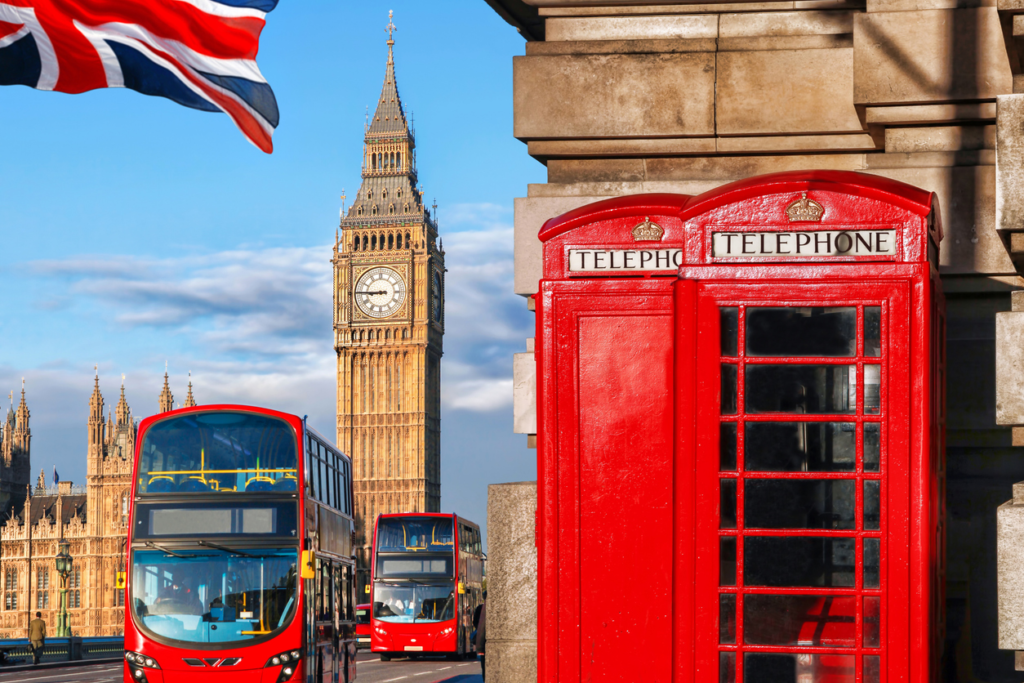
The British pound has climbed to its highest overall level against world currencies since the historic European Union referendum in June 2016. After nearly a decade marked by political resignations, bitter trade negotiations, pandemic shocks, and sudden currency crashes, sterling is staging one of the most unexpected comebacks in modern financial history.
According to official data tracked by the Bank of England, the sterling trade-weighted effective exchange rate index—a key metric that measures the pound against a basket of 18 major trading currencies—reached 86.4. That number marks sterling’s strongest standing since Britain voted to leave the European Union more than eight years ago. Against the euro, the British pound is trading around 1.20 euros, up by over 5.7 percent compared to the 1.13 euros recorded twelve months ago. Against the US dollar, the pound pushed past 1.34 dollars, marking an increase of roughly 3.5 percent over the past year.
For anyone holding British pounds, planning a trip abroad, or trying to manage household bills, this sudden surge brings major practical consequences. A stronger currency sounds like pure victory on paper, but the reality behind the rally is far more complicated than the headline suggests.
What Just Happened to the British Pound?
To understand why this moment is turning heads across financial centers from London to New York, you have to look at the benchmark economists watch closest: the trade-weighted index.
Instead of looking only at how the pound performs against a single currency like the US dollar or the euro, the effective exchange rate index compares the pound against Britain’s biggest trading partners all at once. The index uses a base level of 100 set in 2005. Before the June 2016 referendum, sterling traded comfortably above 88. The night the Brexit vote results came in, the currency plunged off a cliff, triggering one of the steepest single-day devaluations in British history.
The $0 Secret To Launching Your Entire Online Empire
Why pay hundreds every month for separate software? Build funnels, send emails, and make sales with Systeme.io completely free.
Get Started For $0Free Forever • No Credit Card Needed • Beginner-Friendly
Over the years that followed, sterling suffered repeated blows. The index hit a painful low of 78.08 during the autumn of 2022, when a chaotic mini-budget sparked a massive sell-off in government debt and sent the pound tumbling near parity with the dollar.
Reaching 86.4 represents a remarkable mathematical rebound. The pound has not only climbed out of the basement of late 2022; it has fully erased its post-referendum trade-weighted deficit.
Why Is Sterling Rising So Fast Right Now?
Currencies do not rise simply because a country feels confident. They move because big investors, banks, and global institutions move massive amounts of capital toward currencies that offer better returns and safer conditions. Several specific catalysts have pushed the pound upward over recent weeks.
1. High Interest Rates in the United Kingdom
The biggest engine behind sterling’s rally is the Bank of England’s interest rate policy. When a central bank keeps interest rates relatively high, global investors move money into that currency to earn higher returns on government bonds and cash deposits.
While other major central banks across North America and Europe started cutting rates or debating pauses, British inflation has proven stubborn in key service sectors. That reality forced UK rate-setters to keep borrowing costs tighter for longer. Markets have watched global policy shifts closely, especially as debates over monetary policy and stubborn price pressures play out worldwide, as seen with how high inflation impacts consumer money. Investors searching for yield have found the United Kingdom an attractive place to park their cash.
2. Economic Trouble and Political Gridlock in Europe
A currency pair is always a two-way street. Sometimes one currency rises not because its domestic economy is booming, but because its neighbors are struggling. That dynamic explains much of the pound’s strength against the euro.
France has dealt with severe political division and fiscal deficits, while Germany’s industrial core has faced weak manufacturing figures and elevated energy costs. Eurozone inflation hovered near 4 percent, leaving European Central Bank officials in a tight spot between slowing growth and rising prices. Compared to the political paralysis across several continental capitals, the United Kingdom has appeared comparatively stable to international portfolio managers.
3. Cooling Geopolitical Fears and Cheaper Energy
The UK imports a substantial portion of its fuel and energy. Whenever global crude oil and natural gas prices spike, Britain’s trade balance suffers, dragging sterling down with it.
Over recent weeks, energy markets settled significantly as immediate fears of regional escalations eased. Cheaper oil reduces the amount of foreign currency British companies have to spend on importing power, which provides direct support to the value of the domestic currency.
4. Improving Diplomatic and Trade Relations
While the fundamental rules of Brexit remain in place, recent diplomatic efforts between London and Brussels have reduced the threat of fresh trade disputes. Businesses hate uncertainty more than almost anything else. The steady, quiet stabilization of cross-channel regulatory talks has lowered the risk premium international investors previously placed on British assets.
The Rollercoaster Decade: From 2016 Crash to 2026 High
To appreciate the scale of this turnaround, it helps to look back at the chaotic timeline that brought the currency to this point.
On June 23, 2016, the pound sat above 1.48 dollars. As polling stations closed and early counting showed a Leave victory, sterling dropped over 10 percent in hours, falling to levels not seen since 1985. The sudden drop drove up the cost of everyday groceries, fuel, and holiday spending across the country.
For the next four years, the pound moved in sync with political headlines. Every press conference, parliamentary rebellion, and draft withdrawal agreement triggered fresh volatility.
When the pandemic hit in March 2020, investors ran toward the US dollar for safety, plunging the pound into another sharp slide. Just as the global economy began reopening, the UK experienced the political turbulence of 2022. The September 2022 mini-budget triggered emergency interventions from the Bank of England as pension funds faced liquidity crunches and the pound sank toward 1.03 dollars.
Seeing the pound climb back to 86.4 on the trade-weighted index after such a turbulent stretch seemed almost impossible to many financial analysts just two years ago.
Send, Spend & Hold Money Worldwide Without Hidden Fees
Transfer money internationally at the real exchange rate and hold 40+ currencies in one account.
Open a Wise AccountMid-market rate • Fast transfers • 40+ currencies
Winners and Losers: What the Strong Pound Means for You
A surging currency creates clear winners and losers. Depending on how you earn, spend, and invest your money, this shift will affect your daily budget in very distinct ways.
Holidaymakers and International Travelers
If you are planning an overseas vacation, a stronger pound is welcome news.
When you exchange pounds for euros, US dollars, or other foreign currencies, your money stretches noticeably further than it did twelve months ago. An extra five to seven percent in purchasing power means hotel rooms, restaurant meals, and local transit cost fewer pounds at the checkout counter. Those planning trips can take advantage of practical strategies on how to travel to Europe on a budget to maximize these currency savings.
Travelers planning trips to Britain should also remember that immigration and entry requirements continue to evolve, such as the rules and application steps for the UK Electronic Travel Authorisation.
Grocery Bills and Import Prices
The United Kingdom imports roughly half of the food consumed by its population, alongside substantial volumes of electronics, clothing, vehicles, and raw factory materials.
When the pound is strong, buying those imported goods costs British wholesalers less. Over time, that purchasing power can help cool down grocery store inflation and ease pressure on supermarket shelves. Lower import prices also help dampen overall consumer price inflation, helping real wages recover after years of rising living expenses, a pattern that mirrors broader discussions around how inflation has made everyday life more expensive.
British Exporters and Manufacturers
While shoppers and travelers celebrate, British exporters face a much harder environment.
When the pound gains value, British-made cars, machinery, pharmaceuticals, and luxury items become more expensive for overseas clients paying in euros or dollars. Foreign buyers may choose cheaper alternatives from countries with weaker currencies. Major British retail and manufacturing leaders have already issued cautions. Retail giant Next recently flagged slower sales growth across parts of its network, warning that consumer spending remains fragile despite the currency’s headline strength.
Borrowers and Mortgage Holders
A strong pound driven by high interest rates carries a heavy sting for anyone with debt.
The Bank of England’s willingness to keep rates elevated is what attracted foreign capital and lifted the currency in the first place. For ordinary homeowners, that means mortgage payments, personal loans, and credit card balances remain costly. Until inflation slows enough to allow borrowing costs to come down safely, homeowners renewing fixed-rate mortgages will continue to face steep monthly repayments.
The $0 Secret To Launching Your Entire Online Empire
Why pay hundreds every month for separate software? Build funnels, send emails, and make sales with Systeme.io completely free.
Get Started For $0Free Forever • No Credit Card Needed • Beginner-Friendly
International Workers and Diaspora Remittances
The United Kingdom employs millions of international workers across healthcare, engineering, hospitality, and technology. Workplace rules have seen notable updates, including new policies allowing foreign workers to switch employers.
For immigrant professionals and international families sending money home to loved ones in Africa, Asia, or Latin America, a stronger pound provides an immediate boost. Sending 200 pounds home translates to more local currency on the receiving end than it did last year, easing remittance costs for families depending on international support. These shifts also influence how international financial firms manage cross-border services, similar to how fintech companies rethink their global footprint.
Is a High Pound a Sign of a Booming Economy?
It is tempting to look at a soaring currency and assume the underlying economy must be thriving. In reality, the two things often move in opposite directions.
Economic health is measured by productivity, job growth, wage increases, and business investment. Currency strength, on the other hand, is primarily a price set on international foreign exchange desks.
A currency can rally simply because the central bank is squeezing the economy with high borrowing costs to combat stubborn inflation. When interest rates stay high, domestic business investment can dry up, consumer spending can slow down, and unemployment can creep upward, even as the exchange rate climbs.
The current rally reflects market relief that political chaos has quieted down, combined with attractive bond yields compared to struggling neighbors. It does not mean British households suddenly feel rich. For the pound’s strength to be sustainable, the UK will need consistent economic growth, stronger factory output, and renewed private business investment.
Practical Steps to Handle Currency Swings
You do not need to be a professional Wall Street trader to make smart choices when exchange rates move. Here are simple, practical steps anyone can use to protect their money:
- Lock in Travel Money Early: If you have an international holiday planned for the coming months, consider exchanging some of your travel budget now. Digital banking apps and travel cards allow you to hold foreign currencies at current rates, protecting your trip from unexpected dips later.
- Review Variable-Rate Debt: Because sterling’s rise is closely tied to high interest rates, assume borrowing costs will stay elevated for a while. Prioritize paying down high-interest credit card debt or shopping around for competitive mortgage terms before rate announcements.
- Shop Around for Remittance Rates: If you send money abroad, compare transfer fees across multiple platforms. A strong pound gives you an advantage, but excessive transfer fees can swallow up those gains if you rely on traditional wire transfers.
- Diversify Your Savings: Keep savings balanced. Relying completely on one currency exposes you to political and economic shifts. Holding diversified global index funds allows you to benefit from international corporate growth regardless of short-term currency movements.
Frequently Asked Questions (FAQ)
What caused the pound to crash after the 2016 Brexit referendum?
The June 2016 vote created massive uncertainty regarding Britain’s future trading relationships, legal frameworks, and market access to the European Union. Global investors reacted by selling off British assets and moving capital into safer currencies like the US dollar and Japanese yen, causing sterling to plunge over 10 percent in a single day.
What is the sterling effective exchange rate index?
The sterling effective exchange rate index measures the value of the British pound against a weighted basket of currencies from the UK’s 18 primary trading partners. Rather than focusing solely on the US dollar or euro, it gives a comprehensive picture of the pound’s overall international purchasing strength.
Does a stronger pound lower the cost of living?
A stronger pound makes imported goods cheaper, including foreign food, raw industrial materials, electronics, and imported fuel. While it helps lower wholesale import inflation, it does not immediately lower all domestic costs, such as rent, childcare, local council taxes, or utility bills.
Why do some businesses dislike a strong pound?
Exporters often struggle when the domestic currency strengthens. When the pound rises, goods produced in the UK become more expensive for overseas clients to buy. This can reduce international orders for British factories, farms, and specialty manufacturers.
Will the Bank of England cut interest rates soon?
Interest rate decisions depend on the path of domestic inflation, wage growth, and economic output. If inflation stays stickier than expected, the central bank may keep interest rates higher for longer to ensure price stability, which in turn provides ongoing support for sterling.
The pound’s climb back to its pre-referendum heights proves that currency markets are cyclical and unpredictable. What felt like a permanent decline in 2016 and 2022 has transformed into an impressive technical recovery. How long this strength lasts will depend on whether Britain can convert currency stability into long-term productivity and real wage growth.
