
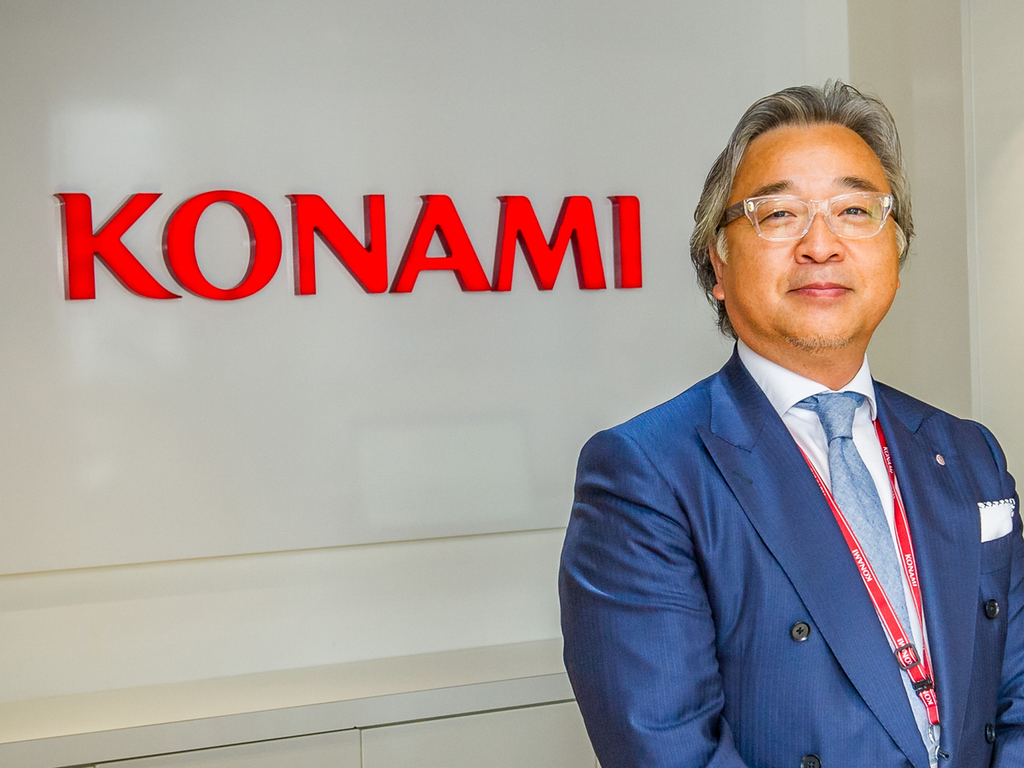
Konami has just delivered one of the most stunning financial reports in recent entertainment history. For years, players joked that the legendary Japanese publisher had abandoned high-end video games forever. People assumed the company cared only about slot machines, fitness clubs, and quick mobile cash-grabs.
The numbers released for the first half of the fiscal year tell a completely different story. Konami Group recorded an astounding revenue of 308 billion yen, marking a 37% jump compared to the same period last year. Even more impressive is its operating profit, which skyrocketed by 73.1% to reach 111.3 billion yen. The engine powering this massive surge is not gambling or gyms. It is the Digital Entertainment division—the dedicated video game arm of the company.
Sales in the digital gaming division rose by 44.3% to hit 243.5 billion yen, while business profits for the division surged by a staggering 75.1% to 107.5 billion yen according to Konami’s official investor relations. The company has officially raised its full-year earnings outlook, forecasting double-digit growth across the board as reported by Automaton Media’s financial coverage.
The message behind these numbers is simple and hard to ignore: making excellent video games is still one of the most profitable business models on the planet.
The Dark Years: How Konami Almost Threw Away Its Legacy
To understand why this comeback is making headlines everywhere, you have to look back at where Konami stood just a few years ago. During the 1990s and 2000s, Konami was gaming royalty. The company was responsible for defining entire genres. If you loved stealth, you played Metal Gear Solid. If you wanted psychological horror that gave you nightmares for weeks, you bought Silent Hill. If you craved gothic action and incredible music, Castlevania was your gold standard.
The $0 Secret To Launching Your Entire Online Empire
Why pay hundreds every month for separate software? Build funnels, send emails, and make sales with Systeme.io completely free.
Get Started For $0Free Forever • No Credit Card Needed • Beginner-Friendly
Then came the mid-2010s, a period that longtime fans remember with intense frustration. Konami shifted its corporate focus toward mobile games, arcade machines, and pachinko gambling parlors in Japan. Big-budget console projects were deemed too expensive and too risky.
The lowest point came in 2015 during the messy and public breakup with legendary director Hideo Kojima right around the launch of Metal Gear Solid V: The Phantom Pain. Soon after, Konami canceled Silent Hills, famously deleting the critically acclaimed P.T. playable teaser from digital stores. For millions of loyal fans, that move felt like a betrayal.
For nearly a decade, Konami seemed content to leave its most iconic characters locked in a vault. Outside of mobile spin-offs and the occasional low-effort spin, major releases vanished. Gamers watched in disbelief as beloved intellectual properties sat gathering dust while other publishers broke sales records with prestige single-player adventures. The general sentiment across gaming forums was unanimous: Konami was done making real video games.
The Big Realization: Why Cheap Trends Always Fail Long-Term
Trends in the entertainment world move in cycles. For a while, corporate boardrooms believed that traditional single-player titles were dead. Executives across the tech and gaming landscapes chased microtransactions, live-service clones, and mobile gacha mechanics. Many thought that putting $80 million into a narrative-heavy horror game was old-fashioned thinking.
Konami quickly discovered the limits of that mindset. While mobile games can produce quick bursts of cash, they are intensely competitive and suffer from high player turnover. Pachinko parlors face strict local regulations and a shrinking audience base.
Meanwhile, high-profile single-player games began experiencing a massive renaissance across the industry. Audiences demonstrated over and over that they will happily pay full price on day one for rich stories, incredible sound design, and memorable art. Gamers were actively begging for the return of atmospheric horror and deep tactical stealth.
Konami’s leadership finally paid attention. They realized that their back catalog was not just an old memory—it was a goldmine of goodwill waiting to be tapped. Instead of building brand-new franchises from scratch, they needed to revive the heavy hitters that put them on the global map.
The Silent Hill 2 Gamble That Paid Off Big
The true test of Konami’s comeback strategy arrived with the remake of Silent Hill 2. When Konami first revealed the project in partnership with Polish developer Bloober Team, the community was deeply divided. Remaking what many consider the greatest psychological horror game ever created is a dangerous assignment. One wrong step with the atmosphere, the fog, or the characters could destroy a developer’s reputation overnight.
Konami stayed the course and gave the project the budget and creative breathing room it required. When the game launched on PlayStation 5 and PC, the response was electric. Critics praised its suffocating tension, stunning modern visuals, and faithful recreation of James Sunderland’s haunting trip to the misty town.
More importantly, it sold like wildfire. The game crossed the one-million mark in just 72 hours, and total sales quickly zoomed past two million copies worldwide. For a psychological horror game carrying a mature rating, those numbers are monumental.
The title showed that modern players love deep, slow-burn narratives. It also gave Konami back something money cannot buy directly: creative credibility. Gamers who had sworn off the publisher for nearly ten years were suddenly posting glowing reviews and watching their favorite content creators scream on live streams. For content creators looking at the streaming side of gaming, learning what Twitch streaming is and how gamers make money highlights just how much community word-of-mouth still drives multi-million unit sales.
Tactical Espionage Reborn: The Metal Gear Renaissance
Silent Hill was not an isolated win. Konami followed it up by reviving its crown jewel: Metal Gear Solid.
Recognizing that modern audiences wanted access to the classics without digging out vintage consoles, the company released the Metal Gear Solid: Master Collection. Despite a few early technical hiccups, the collection allowed a whole new generation to experience the brilliance of the tactical espionage series.
Then came the main event: Metal Gear Solid Delta: Snake Eater. Built on Unreal Engine 5, the project set out to recreate the legendary 2004 jungle survival epic shot-for-shot while upgrading the visuals to current-gen standards. By preserving the original voice acting, storyline, and core mechanics while updating camera controls and textures, Konami gave both veteran fans and newcomers exactly what they wanted.
The commercial reception was instant. Metal Gear Solid Delta crossed one million copies shipped in its opening week alone, quickly climbing past two million units. Combined with the Master Collection releases, lifetime sales for the Metal Gear franchise surpassed 66 million copies worldwide.
Send, Spend & Hold Money Worldwide Without Hidden Fees
Transfer money internationally at the real exchange rate and hold 40+ currencies in one account.
Open a Wise AccountMid-market rate • Fast transfers • 40+ currencies
Gamers showed that when a publisher respects the source material, audiences show up in droves with their wallets open.
The Steady Backbone: eFootball and Yu-Gi-Oh!
While big-budget console blockbusters grab the biggest headlines, Konami’s financial report shows that their recurring live-service ecosystem provided the steady floor that made those big risks possible.
The company’s flagship soccer simulator, eFootball, pulled off a major turnaround of its own. After a notoriously buggy launch when it rebranded from the classic Pro Evolution Soccer (PES) name, Konami spent years refining the physics, smoothing the animations, and improving network stability.
Those persistent updates bore fruit. eFootball officially crossed an astounding one billion lifetime downloads across mobile, console, and PC. Continuous live updates, seasonal campaigns, and licensed player events keep millions of active users engaged on a daily basis.
For players jumping into fast-paced competitive matches, having the right connection makes a noticeable difference, as covered in this guide on the best internet speed for online gaming. Konami made sure its netcode could handle global matchmaking seamlessly, turning eFootball into an automatic revenue generator month after month.
Alongside digital football, the Yu-Gi-Oh! trading card ecosystem remains an absolute powerhouse. Between the physical trading card game, digital app Yu-Gi-Oh! Duel Links, and the cross-platform sensation Yu-Gi-Oh! Master Duel, the brand generates steady, high-margin cash flow. It gives Konami a balanced revenue mix: recurring digital revenue from digital cards and free-to-play sports games, layered on top of massive profit spikes from premium console releases.
Breaking Down the Financial Surge in Plain English
Looking at corporate balance sheets can get confusing, but Konami’s recent half-year financial report is remarkably clear when you strip away the accounting terms.
Here is how the numbers stack up in plain terms:
- Consolidated Net Sales: Konami Group brought in 308 billion yen (about $2 billion USD) across all operations during the six-month period, up 37.0% year-over-year.
- Operating Profit: The company cleared 111.3 billion yen in operating profit, representing an eye-popping 73.1% jump.
- Digital Entertainment Dominance: The core video game division accounted for 243.5 billion yen of total sales and 107.5 billion yen of business profit. In simple terms, video games alone generated almost 80% of Konami’s total revenue.
- Raised Full-Year Targets: Because sales ran so far ahead of internal expectations, Konami officially bumped its full-year operating profit forecast up by 35% to 39%.
- High Profit Margins: The Digital Entertainment segment maintained business profit margins above 36%, meaning Konami gets to keep an unusually large share of every dollar earned after production and marketing expenses.
These are not standard numbers for an established legacy company. They reflect a business that has discovered a working formula and executed it with precision.
A Wake-Up Call for a Troubled Gaming Industry
Konami’s record-shattering earnings report arrives at a fascinating moment for the broader video game industry.
The $0 Secret To Launching Your Entire Online Empire
Why pay hundreds every month for separate software? Build funnels, send emails, and make sales with Systeme.io completely free.
Get Started For $0Free Forever • No Credit Card Needed • Beginner-Friendly
Over the past two years, the gaming sector has been rocked by tens of thousands of layoffs, canceled projects, and studio closures. Even industry titans have struggled to keep production costs under control. Microsoft had to make painful studio cutbacks, as discussed in detail when examining massive studio restructures and job cuts in the gaming world. Many teams found that spending $250 million on games that take seven years to produce is no longer sustainable.
At the same time, the market is undergoing a major technological transformation. More than 90% of game software sales in several major regions are now completed digitally rather than through physical retail discs. The shift is so pronounced that experts are already preparing for major changes in how hardware operates, something we explored in our breakdown on what the digital shift and the phaseout of game discs means for you.
Konami’s strategy offers a refreshing alternative to the current chaos in the industry:
1. Smart Budget Management
Konami did not spend $300 million to reinvent the wheel. Instead of trying to build a bloated open-world game packed with endless busywork, they focused on tight, polished, story-driven experiences with reasonable development budgets.
2. Strategic External Partnerships
Rather than trying to hire hundreds of new internal staff overnight, Konami partnered with specialized external studios like Bloober Team. This allowed them to produce AAA visual fidelity without bloating their permanent internal payroll.
3. Listening to What Fans Actually Want
Instead of chasing fleeting tech fads or forcing unwanted live-service mechanics into every single title, Konami delivered straight single-player games that players had actively asked for over the course of a decade.
4. Supporting Multiple Formats
Konami ensures its games land wherever players are playing, whether that means high-end PCs, PlayStation 5, or future handheld ecosystems like the anticipated next-generation Nintendo hardware, which continues to drive hardware buzz much like the excitement around pre-ordering big titles for Nintendo Switch platforms.
What Konami Has Planned Next
The best part of this financial news for gamers is what happens next. When a company makes record profits from doing the right thing, management naturally doubles down on that winning playbook.
Konami’s pipeline for the coming years is packed with ambitious projects that were once considered impossible dreams:
Silent Hill: Townfall
Developed in partnership with Annapurna Interactive and No Code studios, Townfall aims to bring experimental psychological storytelling back to the Silent Hill universe. It represents an indie-prestige approach to horror that could push the franchise into daring new directions.
Silent Hill f
Set in 1960s Japan and written by Ryukishi07—the acclaimed author behind When They Cry—Silent Hill f promises a fresh aesthetic horror experience filled with beautiful, terrifying plant-based psychological imagery.
Classic RPG Revivals
Konami has also returned to its classic role-playing roots with titles like Suikoden I & II HD Remaster and Suikoden Star Leap. These releases preserve legendary 1990s Japanese RPGs for modern audiences while proving that classic turn-based adventures still have a huge, passionate audience.
More Metal Gear Solid
With the success of Delta, reports indicate that Konami is already exploring further remakes and collections across the Metal Gear timeline. Giving classic games modern visual overhauls is no longer an experiment for Konami. It is a proven core revenue stream.
Frequently Asked Questions (FAQs)
Why did Konami report record profits this year?
Konami achieved record earnings primarily due to a 75.1% profit surge in its Digital Entertainment division. Strong sales from high-profile releases like Silent Hill 2, Metal Gear Solid Delta: Snake Eater, and Metal Gear Solid: Master Collection, combined with recurring revenue from eFootball and Yu-Gi-Oh!, drove operating profits up by 73.1% to 111.3 billion yen.
How much revenue did Konami make in the first half of the fiscal year?
Konami Group recorded consolidated net revenue of 308 billion yen (approximately $2 billion USD) for the six months ending September 30, representing a 37% increase year-over-year.
How many copies did the Silent Hill 2 remake sell?
The Silent Hill 2 remake sold over one million copies in its first three days and surpassed two million units worldwide within three and a half months of its release on PlayStation 5 and PC.
Has eFootball really hit one billion downloads?
Yes. Konami confirmed that eFootball crossed one billion cumulative downloads worldwide across mobile, PC, and console platforms, supported by continuous content updates and gameplay refinements.
Does this mean Konami will keep making big console games?
Yes. Following the huge financial success of Silent Hill 2 and Metal Gear Solid Delta, Konami has raised its full-year earnings forecasts and is actively investing in upcoming major titles, including Silent Hill: Townfall, Silent Hill f, and additional retro franchise remasters.
The Lessons of Konami’s Historic Turnaround
The turnaround of Konami shows just how resilient great entertainment brands can be when treated with care. A few years ago, many people in the gaming space thought Konami had permanently turned its back on the fans who made it famous.
By simply returning to the fundamentals—respecting classic stories, trusting skilled creators, and releasing polished, premium games—the company has posted the strongest financial results in its modern history.
Quality software is not an expense or an unnecessary gamble. When done right, making great games remains the most powerful growth engine in digital entertainment.
We love hearing what you think about this massive gaming shift. Are you excited for Konami’s upcoming slate of horror and stealth projects, or are you still waiting for them to bring back Castlevania?
