
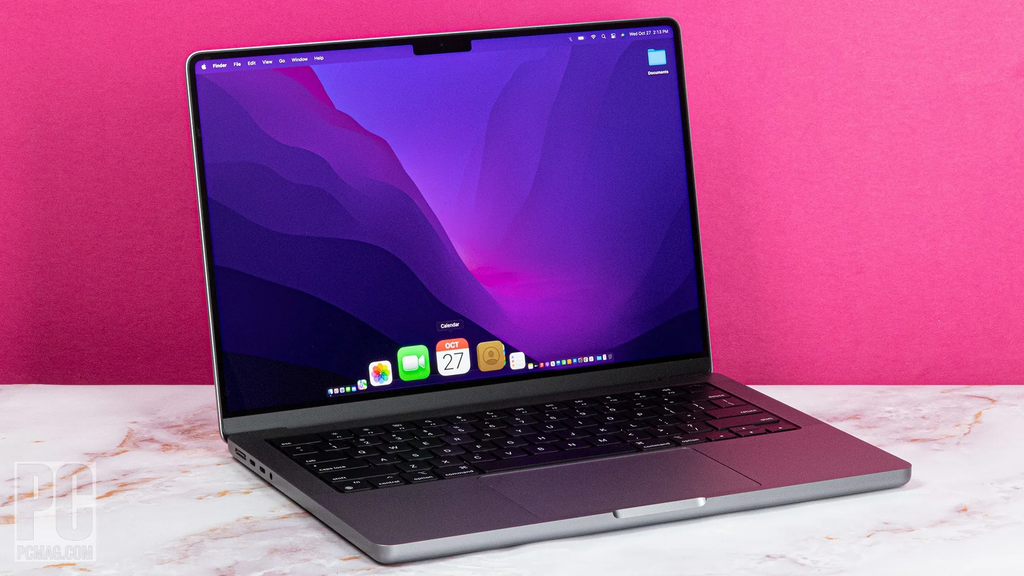
Apple is preparing to pull back the curtain on its next major wave of desktop and laptop hardware. Supply chain whispers and insider reports confirm that updated versions of the 24-inch iMac and the baseline 14-inch MacBook Pro will arrive tomorrow. Both machines are set to receive Apple’s newest M6 processor, giving everyday creators, remote workers, students, and home offices a massive bump in raw speed and on-device artificial intelligence power.
This surprise hardware drop lands right in the middle of a jam-packed week for Apple. Following the quiet debut of the updated iPad mini, the company is wasting no time rolling out its 2-nanometer silicon to its most popular personal computers. If you have been waiting on the sidelines to upgrade your older machine, tomorrow could completely change your buying plans.
Here is everything you need to know about what Apple is announcing, why the M6 chip is such a huge deal, and how these two new machines fit into an increasingly crowded hardware lineup.
What Apple Is Dropping Tomorrow
The tech world expected Apple to host a major event later in the week focused on high-end hardware, but the company is splitting its news cycle in half. Tomorrow’s announcement targets mainstream buyers who want dependable, high-powered desktop and portable setups without paying ultra-premium prices.
According to reports from MacRumors, Apple plans to refresh two distinct machines:
The $0 Secret To Launching Your Entire Online Empire
Why pay hundreds every month for separate software? Build funnels, send emails, and make sales with Systeme.io completely free.
Get Started For $0Free Forever • No Credit Card Needed • Beginner-Friendly
- The colorful 24-inch all-in-one iMac desktop computer
- The standard entry-level 14-inch MacBook Pro
Neither device is expected to undergo a radical external redesign. Instead, Apple is leaning heavily into pure internal architecture upgrades. The big story here is the jump straight into next-generation silicon, bringing industry-leading efficiency and specialized AI hardware directly to consumer desks.
For months, analysts tracked how Apple is reportedly accelerating chip releases due to AI pressure. The arrival of the M6 inside these two workhorse computers confirms that Apple wants modern neural processing power in the hands of as many everyday users as possible, as fast as possible.
Inside the M6 Chip: Why This Upgrade Actually Matters
To understand why tomorrow’s launch has creators and tech enthusiasts excited, you have to look at what powers these machines under the hood. Apple first revealed the M6 processor earlier this year inside the compact Mac mini, and it marked a dramatic technological leap forward.
The M6 processor is built on cutting-edge 2-nanometer process technology. In plain English, that means the transistors inside the chip are packed closer together than ever before. When transistors are smaller and tighter, electricity travels shorter distances. The computer runs significantly faster, generates less heat, and uses far less energy.
The New 12-Core CPU Architecture
The M6 features a reworked 12-core CPU structure. Apple split this setup into three distinct parts designed to balance intense workloads with battery preservation:
- Two Super Cores: These handle immediate, heavy, single-threaded tasks. When you click open an enormous spreadsheet, render a complex photo filter, or launch a heavy application, the super cores kick in to make the action feel instantaneous.
- Four Performance Cores: These work alongside the super cores during prolonged, heavy workflows like compiling code, rendering 4K video streams, or running local data simulations.
- Six Efficiency Cores: These handle the background noise of daily computing. When you are browsing Safari, streaming background audio, running email syncs, or organizing folders, the efficiency cores do the heavy lifting while consuming tiny sips of battery power.
This setup offers multithreaded speed improvements of over twenty percent compared to older generations, and it runs circles around older M1 and Intel-based systems.
Dual 16-Core Neural Engine for Smarter Computing
The standout feature of the M6 silicon is its AI processing power. The chip includes a Dual 16-core Neural Engine alongside dedicated neural accelerators built directly into every single graphics core.
Instead of routing your private data to a remote cloud server across the internet, the M6 handles complex machine learning tasks right on the physical device. If you want to know how to enable Apple Intelligence on your compatible device, this hardware upgrade makes the experience buttery smooth. System tools can summarize thousands of words of notes, transcribe audio in real time, generate original images, and clean up audio recordings without making your computer spin its cooling fans or freeze your screen.
Understanding what is the difference between Apple Intelligence and other AI assistants comes down to privacy and speed. By keeping data processing on the physical laptop or desktop, Apple keeps your personal information locked safely inside your machine.
The New 24-Inch M6 iMac: A Colorful All-in-One Powerhouse
The iMac has long been the centerpiece of home offices, dorm rooms, school labs, and small business reception counters. It packs a gorgeous monitor, studio microphones, stereo speakers, and a full computer into an impossibly thin sheet of aluminum and glass.
Tomorrow’s refresh gives the desktop a massive shot in the arm. The current iMac skipped a few interim updates, meaning this new release jumps straight from older M4 hardware directly into the M6 era.
Familiar Clean Design With Fresh Color Options
Apple is keeping the beloved ultra-thin 24-inch profile. The machine will continue to feature its crisp 4.5K Retina display, which provides vibrant colors, sharp text, and enough screen real estate to keep two full document windows open side by side.
Industry sources suggest Apple will refresh the color palette slightly, introducing deeper, richer shades alongside standard silver. You will still get the color-matched woven power cables, matching Magic Keyboard, and Magic Mouse.
Why the M6 iMac Is Built for the Modern Family and Office
Desktop computers do not need to worry about battery drains, but thermal efficiency still matters. The 2-nanometer M6 processor generates very little heat inside the iMac’s whisper-quiet chassis.
For parents managing household finances, kids editing school video presentations, and remote workers hopping between heavy spreadsheet files and continuous video calls, the M6 iMac offers zero friction. The built-in 1080p FaceTime HD camera benefits directly from the new image signal processor inside the M6 chip, automatically fixing low light in dim rooms and adjusting background blur without third-party software.
Send, Spend & Hold Money Worldwide Without Hidden Fees
Transfer money internationally at the real exchange rate and hold 40+ currencies in one account.
Open a Wise AccountMid-market rate • Fast transfers • 40+ currencies
External connections will stick to high-speed USB-C and Thunderbolt ports, ensuring fast backups to external drives and seamless connections to additional monitors.
The 14-Inch M6 MacBook Pro: The Laptop Everyday Power Users Wanted
While the iMac holds down the home desk, the portable star of tomorrow’s announcement is the entry-level 14-inch MacBook Pro.
For the past couple of years, Apple has sold a standard baseline 14-inch MacBook Pro designed for people who need more ports, better cooling, and a brighter screen than the MacBook Air, but who do not need the expensive horsepower of Pro or Max processors. Tomorrow, that specific machine gets the M6 upgrade.
Keeping the Hardware Pros Love
The upcoming 14-inch model preserves the sturdy industrial design Apple fans have come to praise. You can expect:
- A Liquid Retina XDR display with ProMotion technology providing ultra-smooth 120Hz refresh rates.
- A complete port layout, including a dedicated HDMI port for TV displays and meeting room projectors, an SDXC card slot for photographers, and a MagSafe 3 charging port.
- Physical function keys across the top of the keyboard that make brightness, volume, and media playback adjustments simple.
- A six-speaker sound system with force-cancelling woofers that sound wider and richer than almost any competing compact laptop on the market.
There are rumors that Apple might slightly adjust the top camera notch to a cleaner hole-punch style cutout, though standard bezels are expected to remain intact.
Unmatched Battery Efficiency on the Go
Because the M6 silicon utilizes 2-nanometer architecture, power management reaches a new benchmark. The baseline 14-inch MacBook Pro will easily deliver up to 22 hours of continuous use on a single charge.
You can leave your heavy charging brick at home when heading to classes, client meetings, coffee shops, or airports. Even when unplugged, the M6 processor does not throttle its speed. Windows laptops frequently drop their graphics and processing power by half the moment you pull the power cord, but Apple Silicon delivers identical performance whether running on battery or plugged into a wall outlet.
The Big Lineup Split: Should You Buy Tomorrow or Wait for Wednesday?
Tomorrow’s hardware launch creates an interesting scenario for buyers. Apple is not launching its full lineup all at once. Instead, the company is staging its announcements across consecutive days.
While tomorrow brings the baseline M6 14-inch MacBook Pro and the M6 iMac, higher-end professional models are scheduled to drop shortly afterward. Apple has already prepared announcements surrounding brand-new flagship laptops, and readers tracking why the October touchscreen MacBook Pro changes everything you know about laptops know that major changes are in the pipeline.
Reports indicate that Apple will unveil redesigned 14-inch and 16-inch models equipped with OLED touch displays later in the week. Those machines will pack higher-tier M5 Pro, M5 Max, or early M6 Pro silicon.
The $0 Secret To Launching Your Entire Online Empire
Why pay hundreds every month for separate software? Build funnels, send emails, and make sales with Systeme.io completely free.
Get Started For $0Free Forever • No Credit Card Needed • Beginner-Friendly
If you are trying to decide which camp you belong in, keep these differences in mind:
Choose Tomorrow’s Baseline M6 14-Inch MacBook Pro If:
- You want a reliable, traditional laptop experience without paying an extra premium for touchscreens or OLED panels.
- Your daily workflow consists of general productivity, content writing, basic 4K video editing, podcast production, and coding projects.
- Maximum battery life and cool, quiet operation are your top priorities.
- You prefer to stay within a reasonable budget while still enjoying ProMotion display smoothness and professional ports.
Wait for the Higher-Tier Models If:
- You are an animator, 3D artist, visual effects specialist, or high-end game developer who requires massive GPU core counts.
- You need more than 32GB of unified memory for extreme software loads.
- You specifically want touch inputs on macOS or deep OLED black levels for professional color grading.
- Check out the details in our guide on how Apple confirms touchscreen MacBook Pro launch date to see if the higher price tag fits your needs.
How Apple Silicon Stands Against the Competition
Apple does not exist in a vacuum, and rival hardware makers have spent the past year releasing powerful alternatives.
Companies like Microsoft and Samsung have rolled out high-performance laptops running ARM-based chips and dedicated neural units. Devices like the Surface line, documented in our breakdown of how Microsoft just dropped a $2,599 MacBook Pro killer, along with competitive machines like the Samsung Galaxy Book 6, have challenged Apple’s dominance in laptop battery life.
Yet Apple maintains a massive advantage through vertical integration. Because Apple designs its own silicon, its own computer hardware, and its own operating system (macOS), software developers can optimize applications directly for the M6 architecture.
Apps like Final Cut Pro, Logic Pro, Adobe Creative Cloud, and standard developer tools like Xcode interact directly with the unified memory and the Neural Engine without software translation overhead. That harmony translates to faster project export times, zero system lag, and an interface that stays smooth over years of heavy daily use.
Unified Memory and Storage: What to Look For at Checkout
When tomorrow’s orders go live on the official Apple Newsroom portal, you will need to choose your memory and storage configuration carefully.
Unified memory on Apple Silicon is shared directly between the CPU, the GPU, and the Neural Engine. This means graphics tasks and AI models have access to the exact same high-speed memory pool as the main processor, resulting in blazing memory bandwidth speeds of up to 170 GB per second.
However, unified memory cannot be upgraded after purchase. The chips are soldered directly onto the processor package.
- 16GB Unified Memory: This has now become the standard baseline across modern Macs. For general office tasks, web multitasking, streaming, and light photo editing, 16GB provides plenty of breathing room.
- 24GB or 32GB Unified Memory: If you plan on keeping your machine for five or more years, running local AI language models, working with complex audio timelines, or running software simulators, upgrading your unified memory at checkout is the smartest investment you can make.
- Storage Options: Base models are expected to start at 512GB of fast solid-state storage. If you store heavy video libraries or music archives locally, bumping to 1TB will keep you from carrying external hard drives everywhere.
Pricing Expectations and Trade-In Opportunities
While Apple has faced rising component costs across the electronics industry, analysts expect the company to keep introductory pricing relatively stable for these two mainstream refreshes:
- M6 24-Inch iMac: Expected to start around $1,299 for the base configuration, climbing higher for models featuring extra ports, Touch ID keyboards, and expanded storage.
- M6 14-Inch MacBook Pro: Expected to start around $1,599. Some industry watchers note that general memory price spikes might push the starting tag up slightly, but Apple aims to keep it competitive against premium Windows alternatives.
If you are upgrading from an older machine, Apple’s official trade-in program allows you to shave hundreds of dollars off your final bill. Before handing your older computer over or selling it privately to fund your new purchase, always make sure your private files are secure. Read our walk-through on how to factory reset your device before selling or trading it in to safely wipe your personal data and disable Find My tracking.
What to Do Before Tomorrow’s Pre-Orders Open
If you plan on securing an M6 iMac or 14-inch MacBook Pro the second Apple updates its digital storefront tomorrow morning, take a few minutes right now to get prepared:
- Back Up Your Existing Files: Use Time Machine with an external hard drive, or make sure your important desktop documents are fully synchronized with your iCloud Drive account.
- Check Your Apple Account Details: Ensure your payment methods, default shipping address, and security contact numbers are completely up to date inside your Apple ID profile so checkout takes seconds rather than minutes.
- Assess Your Workspace Needs: If you work from a fixed desk, the M6 iMac gives you a stunning, clutter-free screen without requiring you to buy a separate monitor, external speakers, or webcam. If your routine demands mobility between coffee shops, client offices, and bedrooms, the 14-inch MacBook Pro is the obvious winner.
Frequently Asked Questions
When will the M6 iMac and 14-inch MacBook Pro be available in stores?
Pre-orders are expected to open immediately following tomorrow’s announcement, with official store deliveries and physical retail availability rolling out roughly one week later.
Can I upgrade the RAM or storage on the M6 iMac or MacBook Pro later?
No. Apple Silicon uses unified memory and solid-state storage soldered directly to the main system board. You must select the exact memory and storage capacities you will need for the entire lifespan of your computer when placing your order.
Will the new 14-inch MacBook Pro have a touchscreen?
No. Tomorrow’s standard M6 14-inch MacBook Pro retains the classic display. The touch-enabled OLED screens are reserved for the higher-end MacBook Pro models arriving later in the week.
Does the baseline M6 MacBook Pro support dual external displays?
Yes. Thanks to the architecture improvements inside the M6 processor family, users can natively run two high-resolution external monitors even with the laptop lid kept open, solving a long-running limitation found on earlier entry-level Apple laptops.
Is the M6 chip good for playing video games?
The M6 brings hardware-accelerated ray tracing, Dynamic Caching, and dedicated graphics improvements that deliver higher frame rates in modern titles. While Windows remains the primary platform for dedicated gamers, Apple Silicon now runs popular modern games smoothly through native ports and advanced translation software.
How does the M6 compare to the older M1 chip?
The M6 delivers up to 2.4 times faster CPU performance and more than 8 times faster peak compute for artificial intelligence tasks compared to the first-generation M1 chip. If you own an M1 Mac, moving to the M6 will feel like a massive generational leap in daily responsiveness and app launch speeds.
Apple’s mid-week surprise hardware refresh proves that the company has no intention of slowing down its silicon transition. By bringing the 2-nanometer M6 processor directly to the iMac and entry-level 14-inch MacBook Pro, Apple gives students, creators, and professionals a powerful computing foundation built to handle both traditional work and next-generation AI workflows for years to come.
