
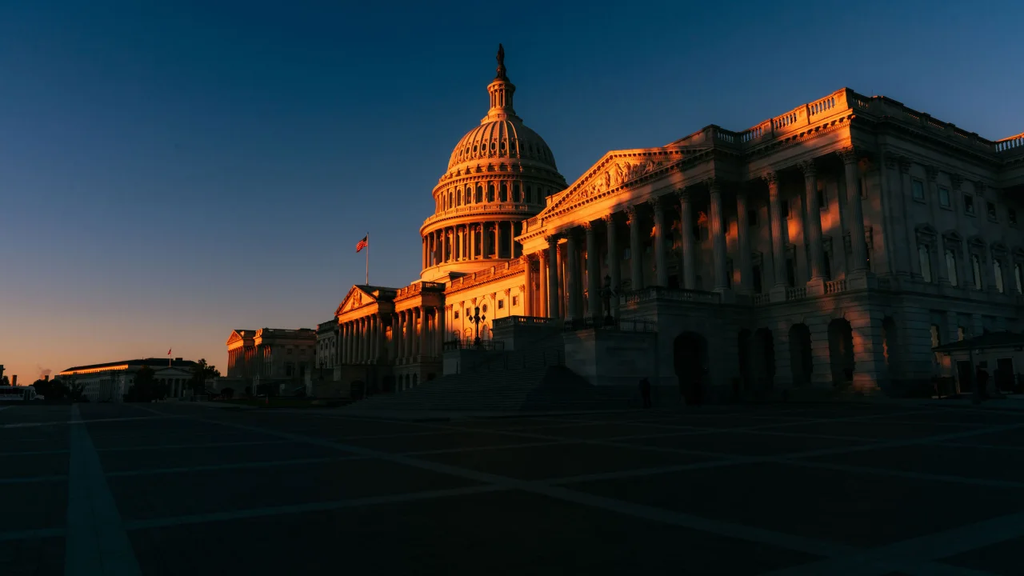
American politics experienced an earthquake overnight. Millions of voters headed to polling stations across the United States and sent an unmistakable message to Washington. In a decisive national shift, the Democratic Party flipped control of both the House of Representatives and the Senate, ending total Republican control of Congress and delivering a sharp rejection of President Donald Trump’s second-term platform.
The scale of the victory caught even veteran political watchers by surprise. Democrats crossed the 218-seat threshold in the House of Representatives, capturing at least 225 seats and expanding their footprint into traditional conservative territory. Over in the Senate, where Republicans held a 53-47 majority heading into the election, Democrats pulled off upset victories across the sunbelt and the heartland to lock down 54 seats.
The outcome brings an abrupt end to two years of unified government. Starting in January, Donald Trump will face an assertive opposition party holding subpoena power, controlling the federal budget, and possessing the authority to confirm or reject judicial appointments.
The Big Picture: What Happened on Election Night
Going into Tuesday, Washington insiders expected a tight battle for the House and believed the Senate map favored Republicans. Early polling suggested narrow margins, but when poll workers began reporting county totals, a clear blue wave swept through suburban communities, industrial centers, and rural pockets alike.
The turnaround started with suburban voters who previously backed moderate Republicans. From the suburbs outside Philadelphia and Atlanta to Phoenix and Detroit, independent voters swung toward Democratic candidates by double-digit margins. Everyday pocketbook anxieties, lingering consumer price inflation, controversial tariff battles, and questions over healthcare subsidies drove voters to the ballot box in historic numbers.
The $0 Secret To Launching Your Entire Online Empire
Why pay hundreds every month for separate software? Build funnels, send emails, and make sales with Systeme.io completely free.
Get Started For $0Free Forever • No Credit Card Needed • Beginner-Friendly
Turnout reached near-presidential levels in several competitive swing districts. Long lines formed outside civic centers and college campuses well into the evening, with younger voters and suburban women turning out in droves.
The shift confirms what many strategists warned about over the summer: voters were growing deeply uneasy with trade tensions, escalating foreign policy conflicts, and aggressive political rhetoric. Signs of distress had already surfaced in early autumn when Senate Republicans began panicking over Donald Trump controversies that crowded out their economic messaging.
Historic Senate Upsets: Red States Turn Blue
The battle for the upper chamber delivered some of the most stunning individual upsets seen in modern American electoral history. Democrats needed a net gain of four seats to secure the majority. They exceeded that target by flipping long-held conservative strongholds.
Texas Breaks a 38-Year Drought
The biggest shock of the night came out of Texas. Democrat James Talarico defeated his Republican challenger to become the first Democrat elected to the United States Senate from Texas since 1988.
Talarico ran a campaign focused on public education funding, affordable living costs, and accessible healthcare. His victory was propelled by massive turnout in Austin, Houston, Dallas-Fort Worth, and a noticeable rebound among Hispanic voters along the Rio Grande Valley. That surge showed the power of the rebound among Latino voters moving back to Democrats after years of Republican gains. Talarico’s high-profile media appearances, including interviews that went viral after alleged federal pressure pushed his interviews to independent video platforms, helped him build an enthusiastic grassroots fundraising machine.
A Thirty-Year Giant Falls in Maine
In Maine, veteran Republican Senator Susan Collins lost her seat to Democratic challenger Troy Jackson. Collins, who held the seat for three decades, had survived tough challenges before by presenting an independent profile.
This time, voter anger over federal judicial picks, federal voting rules, and alignment with White House directives proved impossible to overcome in a state that values local independence. Jackson built an alliance between working-class rural voters in the northern counties and suburban voters around Portland to secure a historic win.
The Plains and the Midwest Deliver Groundbreaking Firsts
The surprises did not stop at the coast. In Kansas, Adam Hamilton pulled off an extraordinary win, becoming the first Democrat to win a Senate seat in the state since 1932. Hamilton focused his platform entirely on farm economics, rural hospital closures, and the damaging fallout of international agricultural tariffs.
In Michigan, progressive candidate Abdul El-Sayed won a hotly contested open seat, becoming the first Muslim elected to the United States Senate. The White House had targeted the Michigan race intensely, with Donald Trump directly campaigning against Abdul El-Sayed during late-campaign rallies in Detroit and Grand Rapids. Voters rejected the attacks, rewarding El-Sayed’s focus on universal healthcare access, clean drinking water infrastructure, and worker wages.
Additional Democratic flips in states like North Carolina and Iowa completed an upper-chamber sweep that leaves Democrats holding 54 seats heading into the new legislative session.
How the House of Representatives Flipped
While the Senate grabs headlines for its individual stars, the House of Representatives is where national political mood swings hit hardest. Democrats needed a net gain of just four seats to reclaim the speaker’s gavel from Republicans. They gained more than double that number.
Voters across the country punished vulnerable Republican incumbents in swing districts that backed moderate platforms during previous cycles. In New York and California, where legal battles over congressional redistricting created competitive playing fields, Democrats swept key seats on Long Island, the Hudson Valley, and Orange County.
The battle in the courts played an essential part in preserving voter access before election day. In the final weeks of the campaign, federal judges stepped in when election procedures faced last-minute challenges, notably when a federal judge struck down attempts to freeze voter registrations in California. State leaders also moved quickly to protect local election rules, such as when California passed decisive voting protections right before the midterms to ensure high voter turnout.
Suburban voters who previously split their tickets chose straight Democratic ballots. In districts surrounding Omaha, Des Moines, Phoenix, and Philadelphia, college-educated voters turned out in force to reject federal spending cuts and express frustration over the administration’s handling of basic public institutions.
Why Voters Turned Against the Administration
Midterm elections are traditionally a referendum on the sitting president. When voters went to the polls, several core grievances influenced their decisions:
Send, Spend & Hold Money Worldwide Without Hidden Fees
Transfer money internationally at the real exchange rate and hold 40+ currencies in one account.
Open a Wise AccountMid-market rate • Fast transfers • 40+ currencies
The High Cost of Living and Tariff Shocks
Voters cited grocery prices, utility bills, housing costs, and rising gas prices as their primary concerns. While official government data showed modest economic growth, families felt squeezed at checkout counters.
The administration’s aggressive tariff programs became a lightning rod for criticism. Sweeping import taxes on goods from neighboring countries like Canada created friction across northern border states and industrial centers. Factories faced higher input costs, and agricultural exporters lost major international markets. In industrial states, business leaders warned that the cross-border trade war was damaging swing-state manufacturing, a prediction that materialized in heavy losses for Republican candidates in Michigan, Wisconsin, and Pennsylvania.
Rising fuel prices added to consumer frustration. Tensions in the Middle East and threats of regional conflict pushed energy markets higher, prompting the White House to issue high-stakes ultimatums as gas prices spiked ahead of the election. Consumers felt the impact directly at the pump and held the ruling party responsible.
Healthcare Subsidies and Social Protections
Healthcare emerged as a dominant winning issue for Democrats. During the campaign, Democratic candidates hammered the White House on proposed reductions to federal insurance subsidies and Medicaid funding.
Voters in rural districts, where local hospitals have struggled with closures, responded strongly to promises that community clinics and emergency rooms would receive dedicated federal support. Attempts to overhaul federal healthcare programs without clear replacements drove independent seniors and suburban families away from the Republican column.
Chaos and Fatigue Over Political Battles
Beyond policy, voters expressed deep fatigue with non-stop political drama. From constant disputes with traditional international allies to public feuds with business leaders, many Americans simply wanted stability.
Cracks within the Republican coalition became visible throughout the summer and fall. Traditional party loyalists began voicing concerns about erratic policy pivots, with reports detailing why party leaders were panicking over Donald Trump’s electability heading into the vote. That internal division depressed conservative volunteer energy and opened a lane for Democrats to appeal to moderate independents.
Statehouse Tremors: Governors Make History
The blue wave did not stop at the federal Capitol. Major gubernatorial races shifted power in critical states:
In Georgia, Democrat Keisha Lance Bottoms won the race for governor, becoming the first Black female governor in American history. Her campaign mobilized high turnout across metro Atlanta and gained ground in growing suburban counties like Gwinnett and Cobb.
In Texas, Gina Hinojosa won the governor’s race, becoming the first Latina governor of Texas and the first Democrat to occupy the state’s executive mansion in over thirty years. Her win, paired with James Talarico’s Senate victory, shattered the long-standing belief that the Lone Star State was permanently out of reach for Democrats.
The $0 Secret To Launching Your Entire Online Empire
Why pay hundreds every month for separate software? Build funnels, send emails, and make sales with Systeme.io completely free.
Get Started For $0Free Forever • No Credit Card Needed • Beginner-Friendly
In Wisconsin, David Crowley won the governorship to become the state’s first Black governor, continuing a steady Democratic winning streak in a state known for razor-thin margins.
What Divided Government Means for the White House
The Democratic takeover changes the balance of power in Washington overnight. Divided government transforms how the federal government operates across three critical areas:
1. The Death of Unilateral Legislative Agendas
No bill can become law without passing both houses of Congress. Starting in January, the White House cannot push through party-line legislation on taxes, environmental rollbacks, immigration, or trade. Any must-pass measure, including annual government funding and the federal debt ceiling, will require bipartisan compromise.
If the administration attempts to push partisan spending bills, Congress has the leverage to block them. House leaders will demand strong funding for education, renewable energy, and healthcare in exchange for keeping federal agencies open.
2. Aggressive Congressional Oversight and Subpoenas
With Democrats in charge of congressional committees, the White House faces a wave of investigations. Committee chairs who previously shielded the administration from scrutiny will hand their gavels over to Democratic lawmakers.
Congressional investigators plan to scrutinize federal procurement contracts, tariff waiver decisions, and the administration’s relationships with powerful private sector figures. Corporate titans who aligned closely with White House leadership are already on high alert, particularly after public clashes where figures like Elon Musk issued stark warnings about future congressional probes.
Congress will examine foreign financial ties, regulatory rollbacks, and controversial personnel appointments across the Department of Justice, the Pentagon, and federal intelligence agencies.
3. A Complete Halt to Controversial Judicial Confirmations
Controlling the Senate means Democrats decide which judges make it to the federal bench. Over the past two years, the White House confirmed conservative judges to lifetime positions on federal appeals courts and district benches.
With 54 Senate seats, Democrats will block hardline judicial nominees and force the president to nominate moderate consensus candidates or leave vacancies unfilled. The Senate will also exercise strict oversight over Cabinet-level appointments and diplomatic posts.
The Reaction from the White House and the Republican Party
Following the overnight results, President Trump addressed the outcome during interviews with national news outlets, including The New York Times and coverage tracked across The Guardian.
In his initial remarks, the president stated he was willing to accept the election outcome, noting that he looks forward to finding areas where both sides can work together. However, on social media, the tone was more combative. The president asserted that had he been directly on the ballot himself, the party would have won in a landslide, placing blame on candidate quality and poor local campaign execution.
Behind closed doors on Capitol Hill, Republican lawmakers are confronting difficult questions about the party’s direction. Moderate lawmakers argue that aggressive rhetoric and unpredictable trade policies alienated suburban voters who decide national majorities. Conversely, loyalists argue that candidates failed to lean hard enough into the populist platform.
This internal tug-of-war will shape the contest for Republican congressional leadership and set the stage for intense primary battles heading into the next presidential cycle.
What Democrats Plan to Do First
Democratic leaders in both chambers are preparing their opening moves for the upcoming legislative term. Their strategy focuses on three core priorities:
Protecting Family Budgets and Lowering Costs
The incoming House majority plans to introduce comprehensive legislation to cap out-of-pocket prescription drug costs, protect Affordable Care Act premium tax credits, and provide targeted tax relief for working families with children. While they recognize the president holds veto power, passing these bills forces the White House to either sign popular consumer protections or explain why they rejected them.
Restoring Trade Stability and Worker Protections
Lawmakers on key trade committees intend to hold public hearings examining the economic fallout of unilateral tariffs on American farmers and manufacturers. Democrats plan to draft trade legislation that requires congressional approval for sweeping emergency tariffs, restoring constitutional checks on presidential trade authorities.
Defending Voting Rights and Institutional Safeguards
With control of the legislative calendar, Democrats will reintroduce national voting standards to protect mail-in balloting, early voting access, and independent redistricting commissions. While passing major election reform will require navigating the Senate filibuster, having the majority allows leaders to bring these issues to the national forefront.
Frequently Asked Questions
Did Democrats win both the House and the Senate in the 2026 midterms?
Yes. Democrats won a clear majority in the House of Representatives with at least 225 seats and captured 54 seats in the Senate, flipping both chambers from Republican control.
Which major Senate seats flipped from Republican to Democrat?
Democrats flipped key Senate seats in Texas (James Talarico), Maine (Troy Jackson), Kansas (Adam Hamilton), Michigan (Abdul El-Sayed), North Carolina, and Iowa.
How does this election affect President Donald Trump’s second term?
The election establishes divided government. The president can no longer pass partisan legislation without Democratic support, faces aggressive congressional oversight and subpoena powers, and will see conservative judicial appointments blocked in the Senate.
Why did Republicans lose their congressional majorities?
Voter dissatisfaction with the high cost of living, rising fuel and grocery prices, aggressive trade tariffs that hurt local businesses, concerns over healthcare cuts, and general fatigue with political conflict drove independent and suburban voters toward Democratic candidates.
Who is the new Speaker of the House?
Democratic lawmakers will vote to select their new leadership team before the new Congress convenes in January, officially electing a Democratic Speaker to replace the Republican leadership.
The 2026 midterm elections stand as a historic turning point in modern American politics. By delivering the House and the Senate to Democrats, voters drew a firm boundary around executive power and demanded a return to political checks and balances. The road ahead in Washington will be marked by intense negotiations, high-stakes budget battles, and relentless oversight. As the new Congress prepares to take office, the balance of power in America has shifted, and the next chapter of national governance will require both parties to face a newly empowered electorate.
