
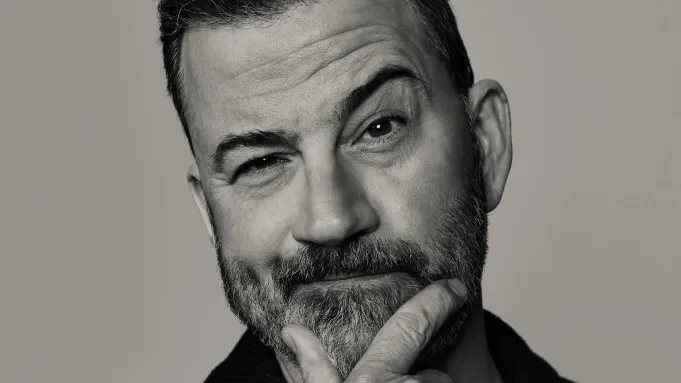
Jimmy Kimmel is making headlines again, and this time it involves a major shift in how his late-night show handles political interviews. The popular comedian and host of “Jimmy Kimmel Live!” recently announced that he will not be broadcasting his scheduled interview with Texas Democratic Senate candidate James Talarico on the ABC television network. Instead, the interview will only be available to watch on YouTube.
The reason behind this sudden change is creating quite a stir across the media landscape. Kimmel claims his show, the ABC network, and local affiliate stations have received pressure and threats from the Federal Communications Commission (FCC) under the current Donald Trump administration. This situation has sparked a massive debate about government regulation, media freedom, and how political candidates are allowed to share their messages on traditional television.
Let us look closely at what exactly happened, why the FCC is involved, and what this means for the future of late-night talk shows.
The Controversy Surrounding the Canceled Broadcast
The decision to pull an interview from a major television network is not something that happens every day. Late-night television has a long history of bringing on political guests to discuss their campaigns, share a few jokes, and connect with the American public in a relaxed setting.
What Kimmel Said About the FCC Pressure
During his opening monologue, Kimmel told his audience that his upcoming interview with James Talarico would happen under very unusual circumstances. For more than twenty years, Kimmel has interviewed politicians running for office without any problems. He noted that he even interviewed Donald Trump back when he was a candidate in 2015.
Build Funnels, Email Lists & Sell Online With One Free Tool
Create funnels, send emails, and sell online using Systeme.io without paying for multiple tools.
Create Free AccountFree forever • No credit card • Beginner-friendly
Kimmel stated that something has recently changed. He explained to his viewers that the FCC has threatened him, the show, the network, and local ABC affiliates based on simple, traditional editorial decisions. According to Kimmel, the government agency is pushing back against guest bookings they simply do not like. Because he did not want to put local ABC stations—especially those located in Texas—in a difficult position, he chose to cancel the television broadcast entirely.
The YouTube Move and Why It Matters
Instead of completely silencing the conversation, Kimmel took a different route. He recorded the interview with Talarico and uploaded it directly to YouTube. By moving the content to a digital streaming platform, the show bypassed the strict broadcast regulations enforced by the FCC.
This move proved to be highly successful. The interview gathered millions of views online in a very short period. This situation shows how digital platforms are becoming safe spaces for content that might face regulatory hurdles on traditional television. If you are interested in how digital video platforms operate behind the scenes to generate views and revenue, you can read more on our youtube automation page.
Understanding the FCC and the Equal-Time Rule
To truly grasp why this interview was pulled from ABC, we need to understand the rules that govern broadcast television in the United States. The FCC is the government agency responsible for regulating interstate and international communications by radio, television, wire, satellite, and cable.
How Broadcast Television Rules Are Changing
One of the oldest rules enforced by the FCC is known as the equal-time rule. This rule basically states that if a broadcast station gives airtime to a legally qualified candidate for public office, it must offer comparable time to all other candidates running for that same office.
For decades, late-night talk shows and daytime talk programs enjoyed a special exemption from this rule. They were generally classified as bona fide news interview programs. This meant hosts like Jimmy Kimmel, Jay Leno, or David Letterman could invite a politician onto their show without being legally required to invite their political opponent the next night.
But things took a turn recently. Under the current administration, the FCC issued new guidance stating that late-night talk shows and daytime talk shows are no longer automatically exempt from the equal-time rule. If a show features a political candidate, the network might now face equal-time obligations.
The Impact on Local ABC Affiliates in Texas
This rule change directly impacts local television stations. James Talarico is currently running in a very tight and closely watched race for a United States Senate seat in Texas. His opponent is the Republican candidate, Texas Attorney General Ken Paxton.
If Kimmel broadcasted the interview on national television, ABC affiliates across Texas would broadcast it to their local viewers. Under the new FCC guidance, those local stations might be forced to provide equal airtime to Ken Paxton or face severe regulatory penalties. Kimmel explicitly stated that he moved the interview to YouTube out of consideration for those local Texas stations, saving them from dealing with potential legal headaches.
The Trump Administration’s Response
Whenever a high-profile television host makes accusations against a government agency, you can expect a swift response. The White House and the FCC have pushed back against the claims made on “Jimmy Kimmel Live!”
White House Denies Threatening the Show
The White House quickly denied that the FCC or its Chairman, Brendan Carr, directly threatened Jimmy Kimmel regarding the booking of James Talarico. A spokesperson stated that the FCC has not intimidated ABC out of airing the interview.
According to the official statement from the administration, Kimmel is simply play-acting to create a false narrative about the policies of the current administration. They argue that the FCC is just enforcing the rules fairly across all broadcast platforms, ensuring that no single political candidate gets an unfair advantage on public airwaves. The debate over media fairness and government action is a recurring theme in modern politics. For more insights on how the administration handles media disputes, you can read about how Trump demands FCC action against NBC journalist Kristen Welker.
A History of Tension Between ABC and the FCC
While the administration denies a specific threat regarding this exact interview, the relationship between ABC and the FCC has been incredibly tense for months. The two entities are locked in several ongoing disputes.
Recently, the FCC ordered an unusual and early review of the broadcast licenses owned by ABC’s parent company, Disney. This review focused on diversity policies and other internal practices. However, many critics pointed out that the license review was ordered shortly after Kimmel made a controversial joke on air that angered the president.
In response to these actions, ABC actually sued the FCC, claiming that the government agency is violating its First Amendment right to free speech. The network argues that the administration is conducting a retaliatory campaign simply because it disapproves of the content ABC chooses to broadcast. This kind of legal battle is not isolated to television networks; we have seen similar regulatory clashes involving election protocols, as seen when the Supreme Court approves Trump mail voting rules.
The Broader Impact on Late-Night Television
The situation with Jimmy Kimmel and James Talarico is not an isolated incident. It represents a massive shift in how political discourse happens on television.
A Chilling Effect on Guest Bookings
When a network feels pressured by a government regulator, it often leads to a chilling effect. This means that producers and booking agents might start second-guessing their choices. Instead of inviting a politician to discuss important issues, a talk show might choose to book a movie star or a musician just to avoid the regulatory risk.
We have already seen this happen with other shows. Earlier this year, another late-night host, Stephen Colbert, had to cancel a television broadcast of an interview with the exact same candidate, James Talarico. The network lawyers advised the show that airing the interview could trigger the equal-time rule, so the interview was pushed to the internet instead.
The Shift to Digital Platforms
Because the internet is not regulated by the FCC in the same way that public airwaves are, digital platforms are becoming the new town square for political interviews. YouTube, podcasts, and social media platforms allow hosts to interview whoever they want without worrying about giving equal time to an opponent.
This shift highlights a massive change in media consumption. Traditional television networks are losing their grip on political conversations. As technology continues to evolve, we see algorithms and digital media taking over. To understand how artificial intelligence and tech algorithms are changing the way we consume content, check out our technology and AI section.
James Talarico and the Texas Senate Race
We cannot discuss this controversy without looking at the candidate at the center of it all. James Talarico is a Democratic candidate aiming to flip a crucial Senate seat in Texas, a state that is traditionally dominated by the Republican party.
Why the Race is So Important
The race between James Talarico and Ken Paxton is considered one of the tightest and most important congressional races in the entire country. The outcome could potentially decide which political party controls the United States Senate after the upcoming November elections.
Because the stakes are so high, every single television appearance matters. A spot on a national late-night show like Jimmy Kimmel’s provides a massive platform for a candidate to reach voters, share their platform, and raise campaign funds. Texas is a massive state with a massive media market, so any local ABC affiliate airing this interview would have given Talarico a huge boost.
Talarico’s Reaction to the Canceled Broadcast
James Talarico did not stay quiet about the interview moving to YouTube. He used the moment to highlight what he sees as government overreach. During the YouTube interview, Kimmel asked him why the opposing side was so scared of him appearing on television.
Talarico has framed the FCC’s actions as a form of censorship. He argues that corporate media executives are bowing to political pressure rather than defending free speech. He has used the controversy to rally his supporters, sending out fundraising emails and pushing his campaign message even harder across social media platforms. He wants his supporters to see this as a fight against a system trying to keep his message off the airwaves.
What This Means for the American Viewer
For the average person sitting at home, this might seem like a complicated legal battle between a billionaire television network and the government. However, it directly impacts what you are allowed to watch on your television screen.
The Loss of Editorial Independence
When the government dictates who can and cannot appear on a television show, the network loses its editorial independence. Late-night hosts have always used their platforms to comment on culture, politics, and current events. If they are forced to provide equal time to every candidate, the format of these shows will completely change. You will likely see fewer politicians on TV and more politicians turning to podcasts or independent internet shows to get their message across.
Build Funnels, Email Lists & Sell Online With One Free Tool
Create funnels, send emails, and sell online using Systeme.io without paying for multiple tools.
Create Free AccountFree forever • No credit card • Beginner-friendly
The Rise of Internet News Consumption
This situation is pushing more and more people away from traditional television and toward their phones and computers. If you want to see an uncut, uncensored interview with a political figure, you now have to go to YouTube or listen to a long-form podcast. The practical outcome is that the interview did not disappear, but it simply shifted to a different screen. This trend will only continue to grow as the lines between broadcast television and internet streaming blur further.
The Role of the FCC Moving Forward
The Federal Communications Commission has a very difficult job. They are tasked with ensuring that public airwaves, which belong to the citizens, are used in the public interest. The equal-time rule was originally created to prevent wealthy station owners from exclusively promoting their favorite politicians while blocking out the opposition.
Balancing Fairness and Free Speech
The current debate centers around how to balance that need for fairness with the First Amendment right to free speech. Some people believe the Trump administration is using the FCC as a weapon to punish networks that are critical of the president. Others believe the FCC is simply enforcing a very old rule that late-night shows have unfairly ignored for years.
Anna M. Gomez, a Democratic commissioner on the FCC, publicly criticized the agency’s recent actions. She stated that the government agency does not have the lawful authority to threaten broadcast licenses over guest bookings. She urged broadcasters to resist the pressure and hopes the courts will step in to clarify the rules so that networks can book guests without fear of losing their licenses.
The Upcoming Legal Battles
The lawsuit filed by ABC and Disney against the FCC will be a monumental case for the future of broadcasting. The court will have to decide if the early review of ABC’s broadcast licenses is a standard regulatory procedure or a retaliatory campaign designed to silence a critic. The outcome of this legal battle will likely shape how political interviews are handled on television for decades to come.
If ABC wins, talk shows might return to their old ways of booking politicians freely. If the FCC wins, late-night television as we know it might stop covering politics through live interviews entirely, leaving that job to traditional news programs and online creators.
Frequently Asked Questions (FAQs)
Why did Jimmy Kimmel pull the James Talarico interview from ABC?
Jimmy Kimmel stated that the FCC had threatened his show, the ABC network, and local affiliates over editorial decisions and guest bookings. To prevent local Texas stations from facing regulatory backlash or equal-time rule violations, Kimmel chose to move the interview to YouTube instead of airing it on television.
What is the FCC equal-time rule?
The equal-time rule is a regulation that requires broadcast stations to provide equivalent opportunities to any opposing political candidates who request it. If a station gives a certain amount of airtime to one candidate, they must offer the same amount of time to competing candidates.
Why does the equal-time rule apply to late-night talk shows now?
Historically, talk shows were given an exemption because they were considered bona fide news interview programs. However, under the current administration, the FCC issued guidance indicating that talk shows featuring political candidates are no longer automatically exempt and must comply with equal-time obligations.
Who is James Talarico running against in Texas?
James Talarico, a Democratic candidate, is running for a United States Senate seat in Texas against the Republican candidate, Texas Attorney General Ken Paxton. Their race is considered one of the most competitive in the country.
Where can I watch the Jimmy Kimmel and James Talarico interview?
Since the interview did not air on the ABC television broadcast, it was uploaded in its entirety to the official “Jimmy Kimmel Live!” YouTube channel, where it quickly gathered millions of views.
Has the FCC threatened other television networks?
The FCC has been involved in several disputes with broadcasters over equal-time rules. For example, an interview with James Talarico on Stephen Colbert’s show on CBS was also moved to the internet earlier in the year due to similar regulatory concerns from network lawyers.
Conclusion
The cancellation of the James Talarico interview on ABC television is a powerful reminder of how complicated the relationship between media, politics, and government regulation has become. What started as a standard booking for a late-night comedy show quickly turned into a massive conversation about free speech, the equal-time rule, and the role of the FCC in modern broadcasting.
As traditional television networks navigate these strict new guidelines, digital platforms like YouTube will likely continue to grow as the primary destination for political interviews. For voters, it means you might have to look a little harder to find the conversations you want to hear, moving away from the TV screen and onto your smartphone or laptop.
The legal battles between networks like ABC and the government are far from over, and the outcome will deeply shape the future of American media. We will be keeping a close eye on this story as it develops, especially as we get closer to the crucial November elections.
We would love to know what you think about this situation. Do you believe the FCC is protecting fairness, or do you think they are overstepping their boundaries by policing talk shows? Let us know in the comments!
For more information about who we are and what we do, feel free to visit our About Us page. If you have any tips or want to reach out to our editorial team, please head over to our Contact page.
Stay connected with us for more trending stories and updates! Follow our social media pages to join the conversation: Follow us on Instagram: whatsbuzznnigeria Like our Facebook Page: whatsbuzznNigeria Follow us on X: whatsbuzznng
