
The diplomatic stage in Washington was set for what many hoped would be a historic breakthrough, but President Donald Trump and Chinese President Xi Jinping walked away without signing a final trade deal.
After hours of intense, closed-door negotiations, state dinners, and months of build-up, the leaders of the world’s two largest economies reached a stalemate on core economic issues. Instead of delivering a sweeping agreement to end trade war fears, both leaders left the bargaining table with empty hands and heavy agendas.
Rather than letting negotiations collapse completely, Washington and Beijing made an unexpected announcement before the delegations departed. Donald Trump and Xi Jinping agreed to meet twice more in the coming months for high-consequence follow-up summits. This unusual double-meeting decision signals both the deep divide remaining between the two superpowers and their mutual fear of an unchecked economic war.
With global markets hanging in the balance, supply chains holding their breath, and consumers watching for price spikes, this dramatic standoff marks a critical moment in modern international relations. Here is the full breakdown of why the summit stalled, what stayed on the table, and what everyone needs to know as these two leaders prepare for two more rounds of diplomatic negotiations.
Inside the Washington Standoff: How High Expectations Met Harsh Reality
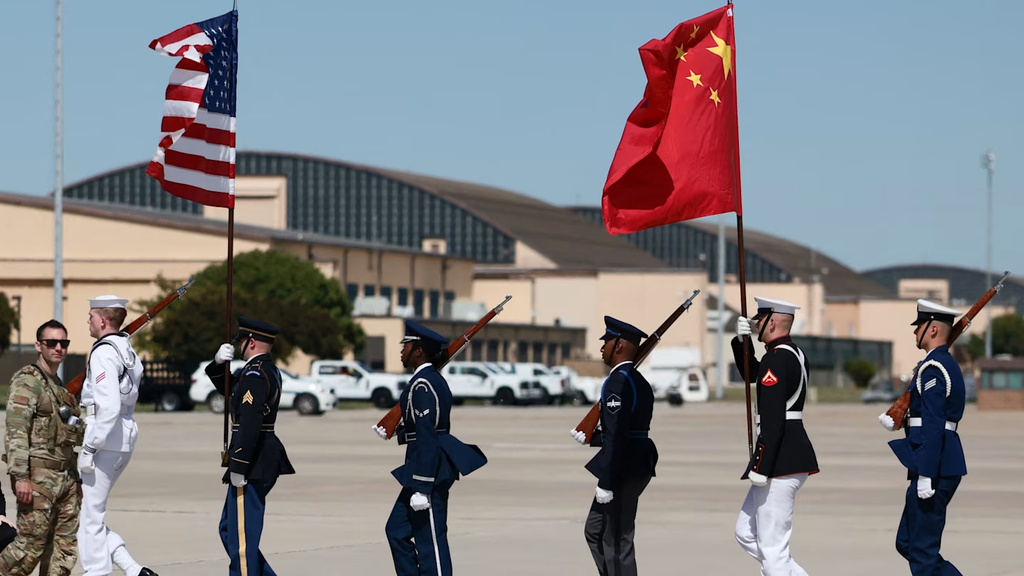
Expectations ahead of the summit were remarkably high. Delegations spent weeks ironing out potential agendas, aiming to settle a wide array of mounting disputes ranging from heavy tariffs to foreign investment limits. When President Xi arrived in the United States, observers noted the elaborate red-carpet treatment, including a headline-grabbing arrival scene documented during President Xi’s airport welcome and a lavish White House state dinner.
The $0 Secret To Launching Your Entire Online Empire
Why pay hundreds every month for separate software? Build funnels, send emails, and make sales with Systeme.io completely free.
Get Started For $0Free Forever • No Credit Card Needed • Beginner-Friendly
Despite the grand ceremonial gestures and polite photo opportunities, the atmosphere inside the negotiation rooms was reportedly tense and uncompromising. U.S. negotiators pushed hard for structural economic changes inside China, including an immediate end to state subsidies for domestic tech firms, stronger protections for intellectual property, and a significant increase in Chinese purchases of American agricultural and manufactured goods.
Chinese officials came with their own firm set of demands. Beijing insisted on an immediate, unconditional rollback of existing U.S. tariffs, an end to export restrictions on advanced semiconductors, and equal treatment for Chinese tech firms operating in foreign markets. When neither leader proved willing to yield on their central promises, talks hit a hard wall, as reported by major international news outlets like Reuters and Bloomberg.
The contrast between the warm diplomatic greeting and the cold reality of the negotiations proved stark. While both leaders wanted to project strength to their home audiences, neither was willing to sign an agreement that looked like a concession.
The Core Issues: Why Washington and Beijing Could Not Agree
To understand why the talks ended in a stalemate, it helps to look at the massive economic forces driving both sides apart. The gap between U.S. economic policy and China’s state-led industrial model has grown wider over recent years, making quick diplomatic fixes almost impossible.
1. The Tariff Tug-of-War
The United States continues to rely heavily on tariffs as a primary tool to protect domestic manufacturing and force foreign trade partners into renegotiating existing agreements. This broad tariff strategy is visible across multiple global trade disputes, including recent friction in the escalating North American trade conflict and aggressive policy stances such as the 100 percent tariff threats against trading partners.
President Trump argued that tariffs remain the only effective way to protect American jobs and force fair competition. President Xi argued that these import taxes harm global supply chains, inflate costs for businesses, and violate basic principles of international commerce. Beijing insisted that tariffs must be removed before any long-term trade agreement can be finalized, while Washington insisted that tariffs will stay until China proves it has permanently changed its business practices.
2. High-Tech Warfare and Microchips
Technology restrictions proved to be another major roadblock during the talks. Washington has consistently cut off Chinese access to cutting-edge artificial intelligence chips, advanced microchip manufacturing machinery, and critical software tools, citing national security concerns.
Beijing views these restrictions not as security measures, but as a direct attempt to curb China’s economic and technological rise. President Xi made it clear that China will continue pouring billions into domestic technology independence to bypass Western tech bans. With both nations competing fiercely for leadership in artificial intelligence and next-generation computing, neither leader was ready to compromise on tech access.
3. Currency Control and Financial Alliances
The financial system represents another deep line of division. Washington wants China to allow its currency, the yuan, to trade more freely on international markets without government intervention. U.S. officials argue that a managed currency gives Chinese exporters an unfair price advantage in global trade.
At the same time, Beijing has actively worked to build alternative payment systems that bypass the U.S. dollar altogether. China has encouraged trading partners to settle energy and commodity deals in local currencies. However, these efforts face major real-world friction, as seen when Saudi Arabia backed away from China’s anti-dollar payment framework. These competing financial visions make finding a middle ground extraordinarily tough.
Why Two More Summits Were Scheduled
When high-level political summits fail to produce a signed document, the traditional outcome is often a cooling-off period where both nations pull back and issue critical public statements. This time, Donald Trump and Xi Jinping took a remarkably different route by immediately locking in two future face-to-face meetings.
Diplomatic insiders indicate that scheduling two additional summits serves specific strategic goals for both leaders:
- Preventing Market Panic: Announcing further talks sends a clear signal to global stock markets, banking systems, and corporate leaders that diplomacy is still active. It prevents immediate market crashes that usually follow a failed summit.
- Buying Time for Nuanced Deals: Structural trade disputes involving trillions of dollars cannot be resolved in a single weekend. Setting a multi-stage timeline allows technical working groups to build smaller agreements step-by-step behind closed doors.
- Saving Political Face: Neither leader wanted to return home appearing defeated or empty-handed. Setting up a structured, ongoing negotiation framework allows both men to claim they remain firmly in control of the process.
- Managing Domestic Politics: With domestic elections and internal economic pressures mounting in both nations, having a clear diplomatic schedule gives both administrations room to manage domestic expectations while keeping channel communications open.
The next meeting is tentatively planned on the sidelines of an upcoming international economic summit in Asia, followed by a dedicated bilateral meeting later in the year.
The Global Impact: What This Standoff Means for Everyone
When the two largest economies in the world clash, the ripples reach far beyond Washington and Beijing. Businesses, factory owners, agricultural exporters, and everyday buyers across the globe feel the direct consequences of this diplomatic standoff.
Price Uncertainties for Everyday Consumers
Uncertainty around trade rules makes business planning nearly impossible. Electronics manufacturers, automobile makers, clothing brands, and food distributors must navigate unpredictable import costs. When tariffs remain uncertain, companies build extra cushion into their retail pricing. This means everyday shoppers end up paying more for everything from smartphones and home appliances to shoes and groceries.
Send, Spend & Hold Money Worldwide Without Hidden Fees
Transfer money internationally at the real exchange rate and hold 40+ currencies in one account.
Open a Wise AccountMid-market rate • Fast transfers • 40+ currencies
Supply Chain Realignment Around the World
Because of ongoing trade friction between the U.S. and China, major global corporations are moving manufacturing hubs out of mainland China into developing markets across Southeast Asia, India, and Latin America. While this shift creates new industrial opportunities in places like Vietnam or Mexico, it also creates temporary logistics bottlenecks, raising shipping costs worldwide.
Opportunities and Risks for Emerging Economies
For developing markets and African economies, the U.S.-China dynamic presents a mixed bag of challenges and opportunities. On one hand, global trade disruptions can slow international investment and inflate imported goods costs. On the other hand, shifts in global trade policy create unique opportunities for exporters. For instance, developing nations looking to boost trade are taking advantage of strategic policies like zero-tariff export agreements with China.
The Geopolitical Chess Game: Xi’s Strategy vs. Trump’s Push
Beyond simple numbers, tariffs, and trade balances, this summit outcome reflects a broader struggle for global leadership and influence. Both Donald Trump and Xi Jinping are playing a carefully calculated game of international geopolitics.
President Xi Jinping continues to position China as a champion of global economic cooperation, expanding Beijing’s footprint across Asia, Africa, and the Middle East. China is actively strengthening its role within regional power blocs, an expansion highlighted by Xi Jinping’s diplomatic push within the BRICS alliance and Beijing’s strategic moves to expand its growing geopolitical presence across the Middle East. By building stronger ties with emerging economies, Beijing seeks to reduce its economic vulnerability to U.S. tariffs and trade sanctions.
President Donald Trump relies on a distinctly different strategy. He views the immense buying power of the American consumer market as Washington’s ultimate leverage. His approach prioritizes direct, one-on-one negotiations over multilateral treaties. By keeping tariffs active and threatening further economic restrictions, Trump aims to squeeze foreign governments into granting better terms for American businesses and workers.
When these two completely different philosophies collide at the negotiation table, quick compromises simply do not happen. Both leaders are operating with long-term strategic visions that make short-term concessions very difficult to justify.
Frequently Asked Questions (FAQs)
Why did the recent summit between Donald Trump and Xi Jinping end without a trade deal?
The summit stalled because neither leader was willing to give ground on core economic demands. The United States demanded deep structural changes to China’s state subsidies, better intellectual property protection, and reduced trade deficits. China demanded an immediate removal of all U.S. tariffs, an end to high-tech export bans, and fair treatment for Chinese businesses abroad.
When and where are the two follow-up summits taking place?
While exact dates remain subject to final security and diplomatic checks, the first follow-up meeting is scheduled to take place on the sidelines of an upcoming international summit in Asia. The second meeting is planned as a dedicated bilateral summit later in the year, likely hosted in Washington or a neutral third-party location.
Are tariffs going up while these negotiators work out a deal?
Existing tariffs remain active on hundreds of billions of dollars worth of goods traded between both nations. However, by agreeing to two future summits, both administrations indicated a desire to hold off on imposing new or escalated tariffs while active negotiations continue.
How does this trade standoff affect prices for normal consumers?
Ongoing trade tension creates cost uncertainty for importers, manufacturers, and shipping companies. When businesses face potential tariff hikes or supply chain disruptions, they routinely raise retail prices on finished goods. Items like electronics, clothing, vehicles, and hardware often see price increases as a direct result.
The $0 Secret To Launching Your Entire Online Empire
Why pay hundreds every month for separate software? Build funnels, send emails, and make sales with Systeme.io completely free.
Get Started For $0Free Forever • No Credit Card Needed • Beginner-Friendly
Can these upcoming meetings actually result in a permanent agreement?
While a single grand trade agreement is unlikely given the deep divisions, having a scheduled two-stage summit framework gives both sides a realistic path toward smaller, targeted agreements. They may settle specific issues—such as agricultural purchases, basic tariff reductions, or specific line-item trade rules—even if broader structural tensions remain unresolved.
Looking Ahead: Can Diplomacy Bridge the Great Economic Divide?
The failure to reach an immediate agreement in Washington proves that fixing the economic relationship between the United States and China is one of the toughest challenges in modern diplomacy. Grand dinners, solemn handshakes, and public promises can only go so far when two national economic visions stand directly opposed.
At the same time, the decision to schedule two more face-to-face meetings proves that neither nation can afford to walk away from the table entirely. Both Washington and Beijing recognize that a total breakdown in communication would carry devastating consequences for their own economies and the broader world. The upcoming meetings will show whether Donald Trump and Xi Jinping can move past political posturing and find real, practical common ground.
What do you think about how these negotiations are unfolding? Will two more meetings be enough to deliver a lasting trade deal, or are we witnessing the beginning of a permanent economic split between the U.S. and China?
Stay connected with us as this story continues to unfold! To learn more about our mission and story, check out our About Whatsbuzzn Page. Have a news tip, a correction, or thoughts to share with our editorial team? Reach out directly on our Contact Us Page.
Do not forget to join our growing online community for daily news updates, viral trends, and deep-dive analysis across all major social media platforms:
- Follow us on Instagram for breaking stories and viral moments.
- Like our community page on Facebook to join real-time public debates.
- Catch instant news alerts and updates on X (Twitter).
