
Tensions between the United States and Canada have reached a fresh flashpoint as top officials from both nations clash over the true nature of their worsening border dispute. United States Trade Representative Jamieson Greer has pushed back against Canadian leaders, calling it “unhinged” to describe Washington’s massive tariff strategy as a trade war or an economic attack.
Speaking on an interview with the Financial Times on the FT News Briefing podcast, Greer insisted that the White House views the heavy duties simply as standard economic policy. According to Greer, the administration does not view the situation as a war, but rather as routine business designed to protect domestic production and American workers.
This war of words comes at a time when trade relations between the two long-standing allies are breaking down at an unprecedented pace. While Washington downplays the conflict, Canadian Prime Minister Mark Carney and leaders across Canadian provinces maintain that aggressive trade tariffs are hitting vital sectors of their economy.
With both sides issuing retaliatory taxes, banning key imports, and threatening further restrictions, businesses and consumers on both sides of the border are bracing for prolonged disruption. Here is a comprehensive breakdown of what Jamieson Greer said, why Canadian leaders are fighting back, and how this escalating dispute affects trade across North America.
What Jamieson Greer Said About the Canada-US Trade Dispute
During his appearance on the FT News Briefing podcast, Jamieson Greer made it clear that Washington rejects the dramatic language being used by politicians in Ottawa. He stated directly that the United States does not describe the current trade dynamic as a war, emphasizing that the administration views tariffs as straightforward economic tools.
Build Funnels, Email Lists & Sell Online With One Free Tool
Create funnels, send emails, and sell online using Systeme.io without paying for multiple tools.
Create Free AccountFree forever • No credit card • Beginner-friendly
Greer specifically pointed to comments made by Prime Minister Mark Carney, who has repeatedly warned citizens about the severity of the economic fallout. Greer argued that Canadian officials have whipped up the dispute into something far bigger than it actually is, calling the framing of an “economic attack” overblown and unhinged.
To support his argument, Greer highlighted that the initial 50 percent tariffs introduced by the Trump administration in August applied to roughly 5 percent of Canada’s overall exports to the United States. From Washington’s point of view, imposing fees on foreign goods made by foreign workers is standard policy rather than an aggressive act of economic warfare.
Despite Greer’s attempt to minimize the scope of the tariffs, his office actively amplified the interview by distributing excerpts and press releases. The message from Washington remains firm: the United States is pursuing its own economic interests, and any Canadian pushback is viewed by the White House as unnecessary escalation.
Why Canadian Leaders Refuse to Back Down
From the Canadian perspective, describing the situation as routine business fails to capture the real-world impact on industries, workers, and local supply chains. Prime Minister Mark Carney has taken a hardline stance, insisting that Canada must defend its sovereignty and economic stability against aggressive external pressures.
Carney has repeatedly assured the public that the federal government will stand behind affected industries and workers. You can read more about Ottawa’s strategic response in our article on how Mark Carney promises government support for Canadians as US trade war deepens. The Prime Minister’s firm refusal to accept unfavorable terms has resonated strongly across the country.
Public sentiment in Canada has rallied significantly around the government’s refusal to sign a deal that compromises domestic interests. Latest survey data shows widespread approval for the government’s approach, as detailed in our report on how Canadians strongly stand behind PM Mark Carney’s decision to reject US trade deal.
Canadian political leaders across party lines argue that a 50 percent tariff on key goods cannot be dismissed as a minor policy adjustment. When one country targets the exports of a neighbor, Canadian lawmakers argue that calling it a trade war is simply describing reality.
How the Tariff Conflict Escalated Step by Step
The current crisis did not happen overnight. It is the result of months of stalled negotiations, public threats, and tit-for-tat economic measures that have gradually pulled both nations into a deep trade standoff.
The Initial US Tariffs
The tension started when President Donald Trump announced broad tariffs targeting Canadian products. The administration argued that Canada had long taken advantage of trade agreements, using unfair pricing practices in sectors like dairy, lumber, and manufacturing.
Trump publicly criticized Canadian trade policies, going so far as to label the country a major offender in international trade. For full details on those initial remarks, check out our piece on how Trump labels Canada worst abuser and says he doesn’t want Canadian anything. The imposition of a 50 percent tariff on key sectors sent immediate shockwaves through North American trade networks.
Canada’s Retaliatory Countermeasures
Rather than accepting the duties, Ottawa responded by rolling out dollar-for-dollar retaliatory tariffs on targeted American goods. Canadian officials argued that failing to respond would leave the country vulnerable to further economic demands.
Canadian leaders made it clear that foreign trade policies hurting local factories and agricultural producers would be met with equal force. Provincial leaders, including Ontario Premier Doug Ford, even suggested restricting energy exports to the US if negotiations continued to collapse.
Washington’s Import Bans and Procurement Restrictions
Following Canada’s retaliatory tariffs, the White House doubled down. President Trump announced a brand-new wave of punitive measures set to take effect on September 29.
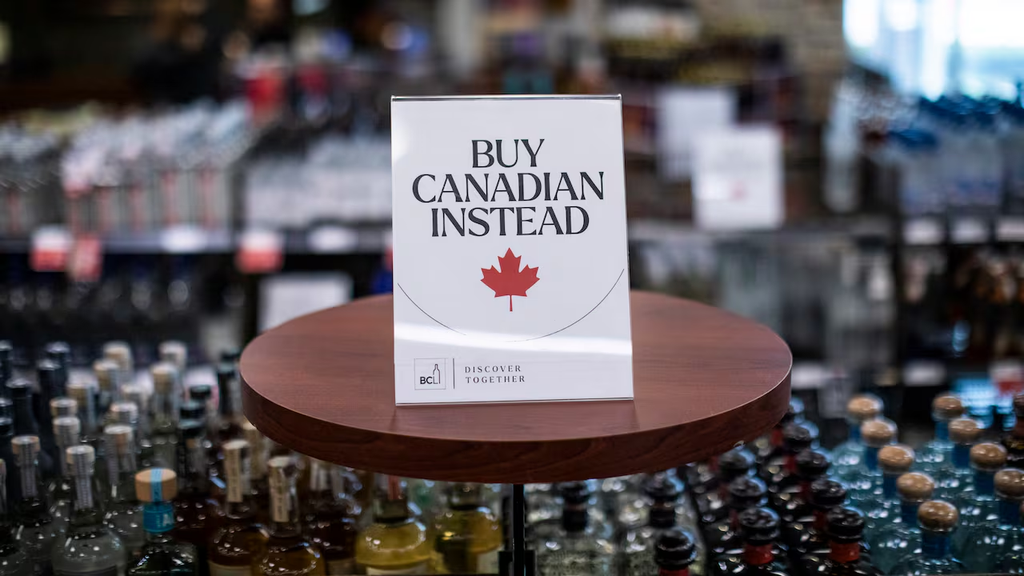
These new actions include a complete ban on imports of Canadian alcohol, motorcycles, and several food items. Furthermore, the US administration announced plans to strip Canadian companies of their eligibility for certain US government procurement programs, effectively shutting them out of lucrative federal contracts.
Jamieson Greer defended these strict measures as a natural consequence of Canada’s choice to retaliate. According to Greer, Ottawa brought these heavier penalties upon itself by refusing to accept the initial duties quietly.
Is It Really “Just Business” or a Full-Blown Trade War?
The sharp divide between Washington and Ottawa comes down to how each government defines economic policy versus economic aggression. Looking closely at both sides helps explain why the two capitals are speaking entirely different languages.
The US Arguments
- Washington believes tariffs are legitimate tools to protect domestic jobs, rebuild local manufacturing, and force trading partners to lower their own trade barriers.
- US trade officials argue that applying tariffs to 5 percent of exports does not constitute a total economic war against an entire nation.
- The White House insists that every nation has the sovereign right to tax foreign goods crossing its borders without being accused of starting a war.
The Canadian Arguments
- Textbook economics defines a trade war as a cycle where countries repeatedly raise tariffs and trade barriers against each other in retaliation. By definition, that is exactly what is happening.
- Even if the initial tariffs covered 5 percent of exports, the financial damage to targeted industries like steel, aluminum, and manufacturing is massive.
- Broad import bans on consumer goods like alcohol and agricultural products go far beyond standard tariff policy, directly hurting cross-border supply chains.
While politicians debate labels, international economists agree that the economic friction between the US and Canada fits every standard definition of a trade war. When two trading partners exchange retaliatory tariffs and product bans, the terminology matters less than the economic fallout.
Broader Economic Consequences Across North American Markets
The fallout from this trade dispute is extending far beyond political debates in Washington and Ottawa. It is beginning to ripple through corporate boardrooms, investment funds, and local supply chains across North America.
Despite the pressure from trade disputes, Canada’s overall economy has shown surprising resilience in recent months. According to economic reports covered in our article on how Canada GDP bounces back as economy posts 3.3 percent growth, strong underlying sectors have helped cushion initial shocks. However, business analysts warn that prolonged trade friction could undermine this growth momentum.
Uncertainty around cross-border trade is also forcing major international investors to rethink their plans. At recent business gatherings, corporate executives expressed deep concern over supply chain stability and shifting policy rules. You can explore how top global leaders are navigating these challenges in our post on the Canada Investment Summit 2026 participants and major projects on the table.
When trade rules change overnight, companies struggle to plan long-term capital investments. Manufacturers who rely on cross-border parts are finding it harder to manage production costs, while transportation firms face growing delays and regulatory confusion at border checkpoints.
What This Means for Everyday Consumers and Small Businesses
While politicians trade insults across the border, everyday consumers are starting to feel the squeeze. Trade disputes rarely remain contained within government offices; they almost always trickle down to store shelves and monthly household budgets.
Higher Grocery and Retail Prices
When tariffs are placed on food, beverages, and agricultural products, importers pass those additional costs directly down to buyers. Canadian consumers may see price increases on imported American processed foods, while American shoppers could face higher prices on Canadian meat, produce, and specialty goods.
Disruption for Small Manufacturers
Small and medium-sized businesses that rely on integrated North American supply chains are hit the hardest. A manufacturer in Ontario that buys steel components from Ohio and sells finished parts back to Michigan now faces double-sided tariff costs that erode profit margins.
Shift Toward Local and Alternative Suppliers
To survive the dispute, companies on both sides of the border are actively searching for alternative supply sources. Canadian firms are increasingly looking toward European and Asian suppliers, while US businesses are working to source materials locally or from nations with stable trade agreements.
Frequently Asked Questions (FAQs)
Why is the US trade chief calling Canada’s claims unhinged?
US Trade Representative Jamieson Greer argues that describing US tariffs as a trade war or an economic attack is extreme hyperbole. He insists that tariffs are normal economic tools designed to protect domestic industries, noting that the August duties applied to roughly 5 percent of Canadian exports.
What new restrictions has the US announced against Canada?
In response to Canada’s retaliatory tariffs, President Donald Trump announced a total import ban on Canadian alcohol, motorcycles, and specific food products starting September 29. The administration also announced plans to exclude Canadian firms from select US government procurement programs.
Build Funnels, Email Lists & Sell Online With One Free Tool
Create funnels, send emails, and sell online using Systeme.io without paying for multiple tools.
Create Free AccountFree forever • No credit card • Beginner-friendly
How is Canada responding to the latest US tariffs?
Prime Minister Mark Carney and the Canadian government have matched US tariffs with retaliatory duties on key American goods. Canada maintains that it will not accept unfair trade terms and will continue to support domestic industries affected by foreign trade measures.
Will this trade dispute cause higher prices for shoppers?
Yes. Tariffs and import bans almost always lead to higher costs for consumers. As companies pay extra fees to import foreign goods, those expenses are passed along in the form of higher retail prices on food, manufactured items, and consumer goods.
Where can I find more updates on business and global news?
You can keep track of trending economic stories, tech innovations, and global events by exploring our primary categories. Check out our latest analysis on Technology and AI developments or learn about digital business models with our complete guide to YouTube Automation strategies. You can also visit our About Us page to learn more about our team, or reach out directly through our Contact page.
Looking Ahead at the Future of US-Canada Trade
The trade dispute between the United States and Canada represents one of the most significant strains on North American economic relations in decades. What began as tariff threats has rapidly transformed into a complex struggle involving import bans, procurement restrictions, and harsh political rhetoric from both capitals.
Whether you call it an economic adjustment or a full-blown trade war, the reality on the ground remains unchanged. Businesses are facing higher operational costs, supply chains are being restructured, and consumers on both sides of the border are bracing for higher everyday prices.
As September 29 approaches and new US import bans take effect, all eyes will be on Washington and Ottawa to see if diplomatic channels can reopen or if both nations will push deeper into economic confrontation. Staying informed on these rapidly evolving developments is crucial for anyone navigating today’s global economy.
Stay connected with us for real-time updates and breaking coverage as this story develops. Follow our active social channels on Instagram, join our community on Facebook, and join the ongoing conversation on X (formerly Twitter).
