
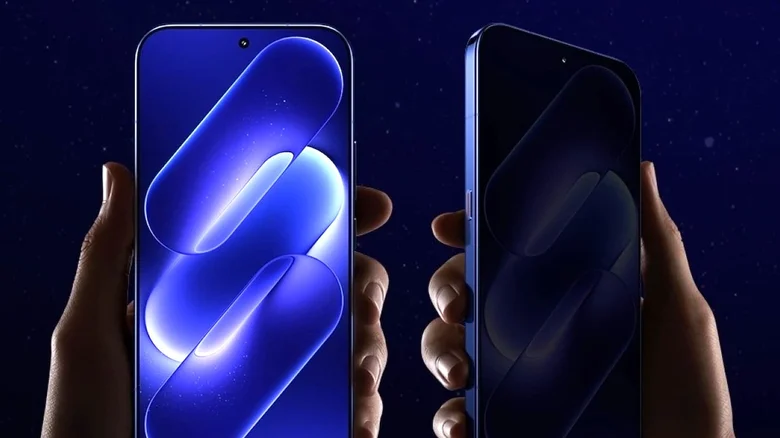
Someone standing right next to you on a packed train leans in, eyes glued to your phone while you unlock your banking app or read a private message. It is an uncomfortable feeling that almost everyone knows too well. Usually, the only fix is slapping on a cheap, tinted plastic screen protector that ruins your screen brightness, makes outdoor viewing terrible, and peels at the corners within a month.
Xiaomi just introduced a real hardware fix for that everyday irritation. The company officially took the wraps off the Xiaomi 18 Pro and the Xiaomi 18 Pro Max. These two flagship smartphones arrive with Qualcomm’s latest silicon, massive camera sensors, giant batteries, and a clever built-in privacy screen that blocks nosey onlookers without needing third-party plastic films.
The new lineup shows that phone makers can still solve real-world annoyances instead of just offering tiny annual spec bumps. Here is a full look at everything Xiaomi packed into its newest devices, how the privacy feature actually works, and why this release is turning heads across the tech world.
The Snooper Stopper: How the Smart Privacy Screen Actually Works
The headline feature of the Xiaomi 18 Pro series is its proactive privacy display. Instead of relying on a dark stick-on filter that you can never turn off, Xiaomi built directional light control directly into the AMOLED panel itself.
When the feature is turned on, the screen alters how light leaves the display. If you look at the phone straight on, the panel stays bright, colorful, and sharp. But if someone tries to look at your screen from an angle—such as someone sitting next to you on a bus or standing over your shoulder in an elevator—the display appears blacked out or severely obscured.
The $0 Secret To Launching Your Entire Online Empire
Why pay hundreds every month for separate software? Build funnels, send emails, and make sales with Systeme.io completely free.
Get Started For $0Free Forever • No Credit Card Needed • Beginner-Friendly
Xiaomi took this technology a step further by giving owners granular control over when and how it turns on. You do not have to leave the privacy filter on all day long.
You can set the screen to trigger automatically based on specific conditions:
- App-based triggers: You can tell the phone to turn on privacy mode only when you open sensitive apps like mobile banking, password vaults, crypto wallets, or private messaging apps.
- Location-based rules: The phone can recognize when you leave your home or office and turn on the privacy guard automatically whenever you enter public transit hubs, shopping malls, or busy streets.
- Proactive alert hiding: Floating notifications and pop-up alerts can stay shielded from side angles even if your main screen remains normal.
This solves the biggest complaint people have with traditional privacy glass. Traditional screen protectors make your phone look dim and muddy 100 percent of the time, even when you are relaxing at home on your couch. Xiaomi lets you keep a clear, bright screen when you are alone, and turns on the shield only when prying eyes are nearby.
Taking on Samsung: Why Xiaomi’s Take Is Different
Samsung has spent years testing directional display tech, filing patents, and showing off concept panels at major trade shows. However, as noted in early coverage by Engadget, Xiaomi beat everyone to the punch by putting a fully customizable version into an actual consumer device you can buy right now.
Samsung’s early demonstrations focused mainly on system-level toggles where the whole screen was either private or not. Xiaomi designed a more flexible software suite inside its operating system.
If you are watching a video with a friend sitting next to you, you can keep the wide viewing angles completely wide open. If you open your messages right after, the phone detects the action and narrows the viewing cone instantly. Having that level of smart automation makes the feature feel practical for everyday life rather than an annoying setting you constantly have to toggle by hand.
Snapdragon 8 Elite Gen 6: Raw Power Under the Hood
A flashy screen feature does not mean much if the engine under the hood cannot keep up. Xiaomi made sure performance is not an issue by equipping the series with Qualcomm’s newest mobile platforms.
The standard Xiaomi 18 Pro runs on the Qualcomm Snapdragon 8 Elite Gen 6. Qualcomm engineered this version to deliver high processing power while focusing heavily on power efficiency, keeping the phone cool during daily multitasking.
The larger Xiaomi 18 Pro Max steps things up with the Snapdragon 8 Elite Extreme Gen 6. This chip pushes peak clock speeds past 5.0 GHz on its main Oryon performance cores.
What does this mean in plain English for regular users?
- Instant responsiveness: Apps open instantly, without micro-stutters or delays when switching between heavy tasks.
- Smooth high-end gaming: Demanding 3D titles run at maximum graphics settings and steady high frame rates without aggressive thermal throttling.
- On-device intelligence: Photo processing, voice recognition, and privacy triggers run directly on the device using dedicated neural cores, which keeps your personal information off external cloud servers.
- Better sustained cooling: Xiaomi paired these chips with an updated 3D IceLoop cooling loop system, spreading heat evenly across the chassis so the phone does not turn into a pocket heater during intensive sessions.
That Rear Display: Why the Second Screen Still Matters
Xiaomi first captured public attention with secondary rear displays on previous Pro generations, and the company decided to keep and refine the feature for the 18 Pro series.
The Xiaomi 18 Pro features a 2.7-inch AMOLED screen sitting directly beside the rear camera island. The larger Xiaomi 18 Pro Max increases that back panel to a 2.9-inch display.
Some people initially viewed rear screens as an unnecessary trick, but owners have discovered several everyday benefits:
Taking Ultra-Clear Selfies
Front-facing selfie cameras are almost always smaller and less capable than the main cameras on the back of a phone. With the rear display, you can use the phone’s massive 200MP main camera to take selfies and group photos while using the mini rear screen as a live viewfinder. You get true studio-quality portrait shots, accurate lighting, and full lens sharpness.
Quick At-a-Glance Info
When your phone is sitting face-down on a desk during a meeting or dinner, the rear display shows essential widgets like battery levels, incoming call IDs, music playback buttons, and timers. You do not need to flip your phone over or wake up the main 6.9-inch screen just to pause a podcast or see who is calling.
Send, Spend & Hold Money Worldwide Without Hidden Fees
Transfer money internationally at the real exchange rate and hold 40+ currencies in one account.
Open a Wise AccountMid-market rate • Fast transfers • 40+ currencies
Smart AI Widgets
Xiaomi added new software features powered by its onboard assistant to generate tiny dynamic cards for the rear screen. It can show flight countdowns, rideshare arrival alerts, and weather changes without waking the power-hungry main display.
A Camera Setup Built to Dominate Mobile Photography
Mobile photography continues to be a deciding factor when choosing a new device, and Xiaomi went all out with its Leica imaging hardware, as highlighted by Android Central.
The camera island on the Xiaomi 18 Pro Max carries serious firepower:
- 200MP Main Sensor: A massive primary sensor that pulls in tremendous amounts of light, producing clean nighttime shots, rich color depth, and sharp details.
- 200MP Periscope Telephoto Lens: High-resolution zoom allows you to bring distant subjects close without turning your photos into muddy digital noise. Even when cropping into photos after shooting, the pixel count keeps text and edges legible.
- 50MP Ultrawide Camera: Designed for sweeping landscape photos, architecture, and wide group shots without distorted edges.
- 50MP Front Selfie Camera: Sits tucked into a small punch-hole on the front display for crisp video calls and vlogging.
The standard Xiaomi 18 Pro also features a triple-camera system led by a 200MP main shooter, an upgraded telephoto lens, and an ultrawide sensor. Both devices carry custom color profiles tuned by Leica, giving you the choice between natural, true-to-life tones and vibrant, punchy colors.
Huge Batteries That Leave Competitors in the Dust
Battery life has long been a weak point for modern flagship phones. Many premium phones from top global brands still ship with batteries ranging between 4,500 mAh and 5,000 mAh.
Xiaomi took a completely different path:
- The Xiaomi 18 Pro comes with a 7,000 mAh battery.
- The Xiaomi 18 Pro Max packs an enormous 8,500 mAh cell.
Putting an 8,500 mAh battery into a flagship smartphone with top-tier cameras and dual screens is practically unheard of. This is not just a phone that gets you through the end of the day; it easily stretches into two full days of typical usage on a single charge. You can stream video, browse social feeds, navigate with GPS, and game without constantly scanning the room for an open wall outlet.
Charging speeds are equally fast:
- 100W Wired Fast Charging: Fills the huge battery to full in roughly half an hour.
- 50W Wireless Charging: Offers high-speed cable-free top-ups when placed on compatible charging stands.
- 27W Reverse Wireless Charging: Lets you charge wireless earbuds, smartwatches, or even a friend’s phone simply by placing it on the back glass.
Design, Build Quality, and the Transparent Red Special Edition
Xiaomi made sure both phones feel durable and comfortable in daily use, though they target two different preferences when it comes to hand feel:
- The Xiaomi 18 Pro features a 6.4-inch AMOLED display, making it a compact flagship that is easy to hold, pocket, and use with one hand.
- The Xiaomi 18 Pro Max features a 6.9-inch AMOLED display, offering a massive viewing canvas for gaming and streaming movies.
Both front screens hit up to 4,000 nits of peak brightness, carry a smooth 120Hz refresh rate, and support HDR10+ for vibrant media playback.
The $0 Secret To Launching Your Entire Online Empire
Why pay hundreds every month for separate software? Build funnels, send emails, and make sales with Systeme.io completely free.
Get Started For $0Free Forever • No Credit Card Needed • Beginner-Friendly
For protection, both models come with an IP69 rating. Most standard flagships use IP68, which protects against calm water submersion. IP69 goes beyond that by protecting the phone against close-range high-pressure water sprays and high temperatures, offering industry-leading peace of mind.
Standard color options include clean Black, bright White, soft Pink, and an elegant Blue.
For people who love bold tech designs, Xiaomi also launched a Special Edition Red model. This version features a deep crimson finish with transparent glass elements on the back that reveal stylized internal components, copper cooling accents, and the camera module mechanics underneath.
HyperOS 4: Clean, Smooth, and Connected
Hardware is only half the battle. The Xiaomi 18 Pro series launches with Xiaomi HyperOS 4, built on modern Android foundations.
Xiaomi rebuilt several core parts of its operating system to improve everyday usability:
- Lower memory footprint: System files take up less storage, leaving more space for your photos, videos, and games.
- Fluid animations: HyperOS 4 uses lightweight rendering pipelines that eliminate frame drops when opening folders, switching apps, or swiping back home.
- Cross-device continuity: If you own other Xiaomi devices like a tablet, laptop, or smart TV, you can drag and drop photos between screens, answer calls on your computer, and share clipboards instantly.
- Privacy center: A centralized dashboard lets you see exactly which apps accessed your location, camera, or microphone throughout the day, giving you quick toggles to shut off permissions.
Pricing, Storage Options, and Global Availability
Xiaomi officially debuted the 18 Pro lineup in China first, with confirmed plans to roll the series out to international markets later this year, as confirmed by GSMArena.
Here is how the pricing and memory configurations line up for the Chinese market launch:
Xiaomi 18 Pro
- 12GB RAM + 256GB Storage: 5,999 CNY (Around $895 / $900)
- 12GB RAM + 512GB Storage: 6,999 CNY (Around $1,045)
- 16GB RAM + 512GB Storage: 7,999 CNY (Around $1,193)
- 16GB RAM + 1TB Storage: 8,999 CNY (Around $1,343)
- 16GB RAM + 1TB Special Edition Red: 9,999 CNY (Around $1,492)
Xiaomi 18 Pro Max
- 12GB RAM + 256GB Storage: 6,999 CNY (Around $1,045)
- 12GB RAM + 512GB Storage: 7,999 CNY (Around $1,193)
- 16GB RAM + 512GB Storage: 8,999 CNY (Around $1,343)
- 16GB RAM + 1TB Storage: 9,999 CNY (Around $1,492)
- 16GB RAM + 1TB Special Edition Red: 10,999 CNY (Around $1,642)
While global pricing usually shifts slightly due to local taxes, import duties, and shipping logistics, these starting price points put heavy pressure on rival devices that charge over a thousand dollars for smaller batteries, single rear screens, and slower charging speeds.
Frequently Asked Questions (FAQs)
How does the Xiaomi 18 Pro privacy screen work without a stick-on protector?
The phone controls how pixels emit light at a hardware level. Instead of sending light out at wide angles in every direction, the panel can restrict light emission to a narrow front-facing cone. This dims and blacks out the image for anyone looking at your phone from the side, while keeping the view completely clear for you in front.
Does the privacy feature ruin screen brightness when watching movies?
No. Because the privacy screen is an electronic feature rather than a permanent tinted plastic film, you can turn it off entirely when relaxing at home. When deactivated, the AMOLED display runs at full 4,000-nit peak brightness with wide viewing angles, making movies and photos look brilliant.
Can you use the rear screen to run regular Android apps?
The rear display is designed primarily for quick cards, mini-widgets, notification checks, media playback controls, and camera preview viewfinders. It is not meant for typing long emails or browsing full web pages, but it handles quick daily tasks effortlessly without waking the main front screen.
Will the Xiaomi 18 Pro series work outside of China?
Yes. While the phone debuted in China first, Xiaomi confirmed that global versions will arrive later this year. Global models come with full multi-language support, global cellular band compatibility, and standard Google mobile services out of the box.
Is an 8,500 mAh battery heavy in hand?
While an 8,500 mAh battery is significantly larger than typical smartphone cells, Xiaomi used high-density battery chemistry to keep the phone balanced. The 18 Pro Max weighs around 208 grams, which is comparable to other modern plus-sized flagship phones on the market.
The Xiaomi 18 Pro and 18 Pro Max deliver practical innovations that directly benefit everyday phone owners. Between an 8,500 mAh battery that puts battery anxiety to rest, dual 200MP camera systems, Snapdragon 8 Elite computing power, and a privacy screen that protects personal chats in crowded rooms, Xiaomi has raised the bar for what a modern flagship phone should offer.
