
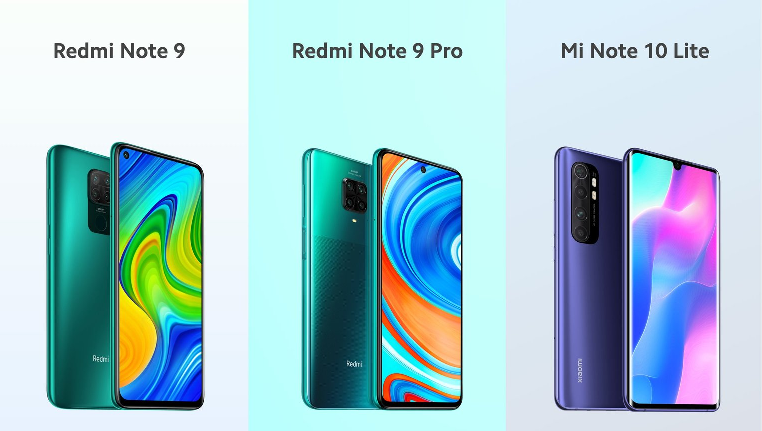
Shopping for a new phone can feel overwhelming when you start looking at phones from Xiaomi. You open a website or walk into a tech market and see dozens of models labeled Xiaomi, Redmi, and POCO. They all look somewhat similar on paper, many run the exact same operating system, and some even share similar model numbers. It gets confusing fast when trying to understand why a phone labeled Xiaomi costs twice as much as a Redmi phone with similar screen dimensions, or why a POCO device offers insane processing power for half the price of a standard flagship.
The confusion comes down to how Xiaomi manages its smartphone family. What started as a single brand in 2010 has expanded into a three-prong strategy to capture every single corner of the smartphone market. Xiaomi, Redmi, and POCO operate with distinct goals, target audiences, and design priorities. Understanding these differences will save you money, time, and the frustration of buying a phone that does not fit your daily habits.
The Big Picture: How Xiaomi Built Three Distinct Smartphone Lines
To make sense of the choices, you first need to understand the relationship between these three names. Xiaomi Corporation is the parent company behind everything. It designs, manufactures, and finances the devices across all three lineups. However, to target different types of buyers without watering down its main brand name, Xiaomi split its product strategy into separate sub-brands.
Redmi was introduced in 2013 as an entry-level line designed to offer basic, reliable smartphones at low prices. It proved so successful that Xiaomi turned Redmi into an official spin-off sub-brand in 2019. Redmi focuses on delivering maximum overall value for money across budget and mid-range devices.
POCO took a different path. It started in 2018 with the release of the famous POCO F1, a device that shocked the mobile industry by offering top-tier processor performance at a fraction of the cost of competing devices. Recognizing the massive demand for performance-focused phones, Xiaomi established POCO as its own semi-independent brand geared toward gamers and performance enthusiasts.
The $0 Secret To Launching Your Entire Online Empire
Why pay hundreds every month for separate software? Build funnels, send emails, and make sales with Systeme.io completely free.
Get Started For $0Free Forever • No Credit Card Needed • Beginner-Friendly
Today, all three brands share Xiaomi’s massive supply chain, manufacturing factories, and central research facilities. They also run on Xiaomi’s custom software experience, known as Xiaomi HyperOS. Despite sharing these core assets, each brand crafts its phones with very different trade-offs.
Mainline Xiaomi Phones: Premium Quality and Flagship Innovation
Mainline Xiaomi phones—formerly branded with the “Mi” name, like the Xiaomi Mi 11, but now simply called Xiaomi followed by a number—represent the parent company’s absolute highest achievements in design and technology. These are the showpiece devices meant to compete head-to-head with top-tier flagships from Apple and Samsung.
When Xiaomi builds a mainline flagship phone, price is not the primary constraint. The engineering teams focus on pushing the limits of display technology, processor speed, mobile photography, and premium materials.
Key Features of Mainline Xiaomi Phones
- Premium Materials: Curved glass backs, ceramic finishes, high-grade aluminum frames, and water-resistance ratings like IP68.
- Optics and Camera Partnerships: Mainline Xiaomi phones feature advanced camera sensors and custom lenses co-engineered with legendary optics brand Leica. They offer superior low-light performance, natural color tuning, and high-resolution video capabilities.
- Top-Tier Processing Power: These devices carry the latest flagship mobile chipsets, such as the highest-end processors from Qualcomm Snapdragon.
- Advanced Display Tech: Crisp Quad HD or high-density AMOLED panels with high brightness levels, high refresh rates, and Dolby Vision support.
- Fast Charging Innovations: Mainline models lead the charge in rapid wired charging and wireless charging tech.
Who Should Buy a Mainline Xiaomi Phone?
Mainline Xiaomi devices are built for users who want an uncompromising premium smartphone experience. If you take mobile photography seriously, want ultra-smooth performance, prefer refined glass and metal builds, and do not mind paying top-dollar prices, the mainline Xiaomi series is built for you.
Models in this range include the standard Xiaomi series (like the Xiaomi 13 or Xiaomi 14), the high-end Pro and Ultra models, and foldables like the Mix Fold line.
Redmi Phones: Value-Focused All-Rounders for Daily Use
If Xiaomi mainline phones are built for luxury, Redmi phones are built for practicality. Redmi is the backbone of Xiaomi’s massive global market share. The philosophy here is simple: build reliable, solid smartphones that cover every basic need without forcing buyers to break the bank.
Redmi devices focus heavily on everyday features that normal users care about most. This means long battery life, large screens, clean designs, and dependable performance for everyday applications like social media, web browsing, streaming, and messaging.
Key Features of Redmi Phones
- Generous Battery Capacity: Most Redmi devices ship with massive 5,000 mAh or larger batteries designed to last easily through a full day of heavy usage.
- Practical Hardware Features: Useful practical additions like a 3.5mm headphone jack, expandable microSD storage, and physical side-mounted fingerprint readers are common on Redmi devices.
- Functional Designs: Builds make heavier use of durable polycarbonate plastics and matte finishes rather than fragile premium glass, keeping repair costs low and durability high.
- Balanced Camera Setup: Cameras deliver clear shots in bright daylight, though they generally lack the advanced optics found on higher-end devices.
Understanding the Redmi Product Hierarchy
Redmi breaks its catalog down into clear tiers so shoppers can find their exact price point:
- Redmi Entry-Level (A and C Series): Super-budget devices designed for first-time smartphone owners, children, or basic utility use. They handle basic calls, messages, and light browsing smoothly.
- Standard Redmi Series: Mid-range budget devices offering solid HD or Full HD screens, reliable processors, and clean everyday performance.
- Redmi Note Series: The star of the Redmi lineup. The Redmi Note series sits in upper mid-range territory, bringing AMOLED screens, high refresh rates, 108MP or 200MP camera sensors, and fast charging to budget-friendly price tags.
Who Should Buy a Redmi Phone?
Redmi is the ideal brand for students, budget-conscious shoppers, families, or anyone who wants a dependable smartphone that performs all everyday tasks cleanly without costing a fortune. If you value long battery life and practical everyday features over flashiness or elite mobile gaming, Redmi is your best match.
POCO Phones: Raw Performance and Gaming on a Budget
POCO exists for users who care about speed above everything else. While Redmi builds balanced all-rounders and Xiaomi builds luxurious flagships, POCO strips away unnecessary extras and puts most of its production budget directly into the processor and display.
POCO target buyers are often younger users, mobile gamers, and tech enthusiasts who want maximum frame rates in heavy games or ultra-fast multitasking without paying flagship prices.
Key Features of POCO Phones
- High-Performance Processors: POCO consistently fits its mid-range phones with heavy-hitting processors that are usually reserved for much more expensive devices.
- Gaming-Centric Cooling: Efficient vapor chamber cooling systems prevent thermal throttling during long, intensive gaming sessions.
- Fast Refresh Rate Screens: Fluid 120Hz or higher displays make scrolling, animation, and fast-paced mobile gaming feel smooth and responsive.
- Bold Aesthetics: POCO devices are famous for eye-catching designs, often featuring bold colors, textured backs, and large, distinctive camera bumps.
Understanding the POCO Product Hierarchy
POCO organizes its smartphones into clear tiers based on performance capabilities:
- POCO C Series: Entry-level budget devices focusing on basic tasks with large screens.
- POCO M Series: Lower mid-range devices designed for good battery life and smooth daily media consumption.
- POCO X Series: Upper mid-range performance champions featuring high refresh rate screens, punchy processors, and rapid charging speeds.
- POCO F Series: The flagship killers. The F series packs top-tier processing power into affordable builds, delivering performance that matches phones costing twice as much.
Who Should Buy a POCO Phone?
POCO is built for heavy phone users and gamers. If your main goal is playing demanding games like PUBG Mobile, Genshin Impact, or Call of Duty Mobile smoothly, or if you simply hate waiting for apps to load, POCO offers more speed per dollar than almost any other smartphone brand on the market.
Key Differences Broken Down: How They Compare Head-to-Head
Looking at the main areas where these three brands differ helps clarify how they perform in real-world use.
Build Quality and Design
Mainline Xiaomi devices use luxury materials like ceramic, gorilla glass armor, and metal framing. They feature slim bezels, premium curved glass, and high water-resistance ratings.
Send, Spend & Hold Money Worldwide Without Hidden Fees
Transfer money internationally at the real exchange rate and hold 40+ currencies in one account.
Open a Wise AccountMid-market rate • Fast transfers • 40+ currencies
Redmi devices prioritize practical durability. Most Redmi models feature plastic frames and backs. They are built tough to withstand everyday drops, but they feel less premium in hand.
POCO devices embrace striking, aggressive designs. They use mostly plastic and composite materials to keep weight and cost down, allowing POCO to invest that budget into the internal processor instead.
Camera Performance
Cameras are where the separation between these three brands becomes most obvious:
- Xiaomi: Elite photography setups. Large camera sensors, real Leica lens coatings, optical image stabilization across multiple lenses, optical telephoto zoom, and advanced 4K/8K video processing.
- Redmi: Balanced photography setups. High megapixel counts on main camera sensors give great detail in outdoor daylight, but secondary sensors like ultrawide or macro lenses are basic.
- POCO: Utility photography setups. The main camera takes decent photos for social media, but secondary cameras are minimal because POCO prioritizes processing speed over camera hardware.
Processors and Speed
When it comes to processing power, the lineup follows a distinct pattern:
- Mainline Xiaomi: Always gets the absolute newest, most powerful flagship processors available on the market.
- POCO: Uses high-end or mid-range flagship processors, optimizing thermal performance specifically for high frame rates in heavy gaming.
- Redmi: Uses efficient mid-range or entry-level processors designed to maximize battery life and handle daily tasks without stuttering.
Software Experience: HyperOS Across the Board
One area where all three brands stay connected is software. All modern Xiaomi, Redmi, and POCO phones run on Xiaomi HyperOS, which replaced the older MIUI system. HyperOS provides a connected ecosystem, letting your phone sync smoothly with Xiaomi tablets, smartwatches, and smart home hardware.
However, POCO devices feature a slightly customized skin called POCO Launcher. It offers an app drawer sorted by categories and custom icon packages, giving it a slightly cleaner, closer-to-stock Android feel compared to the standard HyperOS setup on Xiaomi and Redmi phones.
If you are interested in exploring how software and digital automation shape modern content creation, check out our guide on YouTube Automation to see how creators leverage tech for growth.
How Sub-Brand Rebranding Works (The Secret Behind Similar Models)
If you have ever felt like a POCO phone looks surprisingly similar to a Redmi phone, your eyes are not playing tricks on you. Xiaomi frequently rebrands hardware across its sub-brands for different regional markets.
For example, a device launched in China under the Redmi K series might be re-engineered, given a bold new back panel, and launched globally as a POCO F series phone. Similarly, a Redmi Note device in one country might appear as a POCO M series device in another market.
This strategy allows Xiaomi to save massive amounts of money on hardware research and development. By using the same internal layout, display panel, and battery setup across multiple models, Xiaomi can order components in giant quantities, lowering production costs and passing those savings directly to consumers.
The $0 Secret To Launching Your Entire Online Empire
Why pay hundreds every month for separate software? Build funnels, send emails, and make sales with Systeme.io completely free.
Get Started For $0Free Forever • No Credit Card Needed • Beginner-Friendly
Understanding this trick gives you a big advantage as a buyer. If you find a POCO phone and a Redmi phone that share the same underlying hardware, you can simply pick whichever one is cheaper or offers the aesthetic you prefer.
Which Smartphone Brand Should You Pick?
Choosing between Xiaomi, Redmi, and POCO comes down to evaluating your personal priorities, lifestyle, and budget.
Choose Xiaomi Mainline if:
- You want a top-tier camera that can capture stunning photos in any light condition.
- You prefer glass and metal luxury design in your hand.
- You want high-end features like wireless charging, telephoto zoom, and full water resistance.
- You have a higher budget and want a long-lasting flagship experience.
Choose Redmi if:
- You want the best overall value for everyday tasks like browsing, streaming, and social apps.
- You need exceptional battery life that easily lasts a full day or more.
- You want practical features like expandable storage, a headphone jack, or a tough everyday build.
- You have a strict budget and want a reliable, hassle-free phone.
Choose POCO if:
- Your primary focus is mobile gaming, heavy app performance, and overall speed.
- You want the fastest processor possible at a mid-range price point.
- You like bold, energetic phone designs and custom launcher options.
- You are willing to accept average camera performance in exchange for maximum speed.
For more insights on how mobile processing and modern AI chips are evolving, explore our deep dives into Technology and AI to stay ahead of tech trends.
Frequently Asked Questions (FAQs)
Is POCO owned by Xiaomi?
Yes, POCO is a sub-brand owned by Xiaomi Corporation. While POCO operates with its own marketing and product strategy in global markets, it relies entirely on Xiaomi’s manufacturing facilities, supply chain networks, R&D labs, and HyperOS software platform.
Are Redmi phones lower quality than Xiaomi phones?
Redmi phones are built to a different price point rather than lower quality standards. Redmi uses less expensive materials like polycarbonate plastics instead of premium glass or ceramic, and uses mid-range processors instead of flagship chips. However, Redmi devices are known for durability and long lifespan.
Why do POCO phones have worse cameras than Xiaomi phones?
POCO prioritizes raw processing speed and display quality above camera hardware. To keep prices low while including fast processors, POCO cuts costs on secondary camera lenses and optical image stabilization. Mainline Xiaomi phones, by contrast, focus heavily on camera performance and optical engineering.
Do Xiaomi, Redmi, and POCO phones use the same software?
Yes, all three brands run on Xiaomi’s HyperOS software (and previously MIUI). POCO phones use a modified variant called HyperOS with POCO Launcher, which introduces small interface tweaks and custom app drawers, but the core features and ecosystem integration remain identical.
Which brand is best for mobile gaming on a tight budget?
POCO is generally the best choice for budget gaming. Lines like the POCO X and POCO F series offer higher-tier chipsets, advanced cooling chambers, and high refresh rate displays at price points significantly lower than competing flagship phones.
Can I use Xiaomi smart home accessories with Redmi and POCO phones?
Yes. Because all three brands share the same underlying Xiaomi software ecosystem, Redmi and POCO devices seamlessly sync with Xiaomi smart home products, wearables, security cameras, and smart TVs through the Mi Home app.
Finding Your Perfect Match
Navigating Xiaomi’s massive smartphone family becomes easy once you understand the core strategy behind each name. Xiaomi represents cutting-edge luxury and camera innovation, Redmi delivers solid everyday reliability at budget-friendly prices, and POCO packs aggressive gaming speed into accessible hardware.
By matching your budget and daily usage needs to the right sub-brand, you can walk away with a device that delivers exactly what you need without paying for features you will never use.
Want to learn more about the team behind our tech reviews and guides? Visit our About Us page to see our story. If you have questions about specific smartphone models or want us to compare new releases, reach out directly on our Contact Page.
You can also join our vibrant social communities to stay updated on the latest tech releases and viral trends. Follow us on Instagram, connect with us on Facebook, and join the discussion on X (Twitter).
