
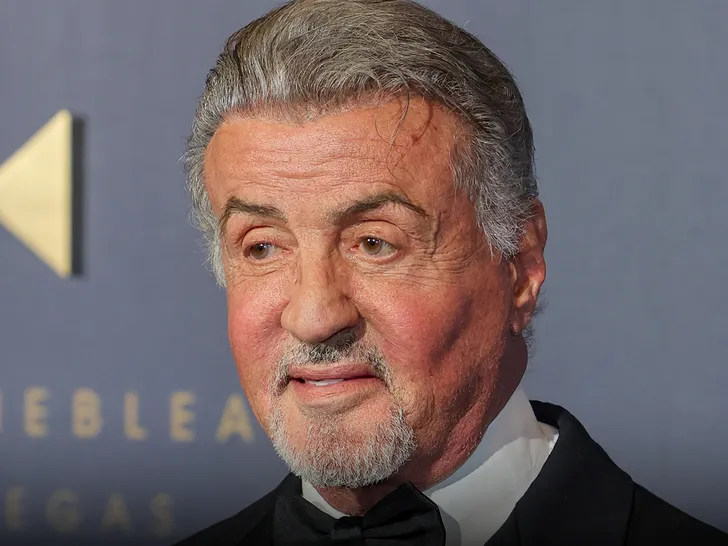
Sylvester Stallone has spent five decades playing invincible heroes on the big screen. From the boxing ring in Philadelphia to the dense jungles of Vietnam, his face has been the symbol of pure grit and unbreakable strength for generations of movie lovers.
Now, the iconic actor is dropping the tough-guy shield to show the world who he really is behind the movie magic.
In his memoir, titled The Steps: A Memoir, Stallone opens up about the painful moments that shaped his early years, the brutal financial choices that almost ruined his career, and the deep personal regrets he carries to this day.
This isn’t a glossy Hollywood victory lap filled with self-praise. It is a raw, honest look at a man who was pushed to the absolute edge before finding a way to survive.
The Raw Truth Behind The Tough-Guy Legend
For fifty years, fans thought they knew the story of Sylvester Stallone. They knew about his iconic roles, his massive blockbusters, and his rise from an unknown writer to an international superstar. But most of those famous Hollywood interviews only scratched the surface.
The $0 Secret To Launching Your Entire Online Empire
Why pay hundreds every month for separate software? Build funnels, send emails, and make sales with Systeme.io completely free.
Get Started For $0Free Forever • No Credit Card Needed • Beginner-Friendly
In this new book, Stallone peels back every layer of his public image. He admits that the muscular, silent hero people saw on movie posters was actually a armor he built to protect himself from a harsh childhood.
He writes candidly about feeling like a loser for years, living in constant fear, and making mistakes that still bother him today. By sharing these honest moments, he bridges the gap between the legend on screen and the real human being who lived through extraordinary hardship.
A Childhood Built on Pain and Physical Scars
Long before he ever set foot on a film set, Stallone was dealing with massive obstacles that started the very minute he was born. During his birth, doctors had to use medical forceps to help deliver him. A tiny mistake during the delivery accidentally severed a vital facial nerve.
That single moment left him with partial facial paralysis on the lower left side of his face, affecting his lip, chin, and tongue.
As a boy growing up in Hell’s Kitchen, New York, this injury gave him a slurred speech pattern and a distinct look that made him an easy target for bullies. Teachers misjudged his abilities, other kids mocked him, and he often felt isolated from the rest of the world.
Things were not any easier at home. His parents had a troubled, rocky marriage that eventually ended in divorce. During the worst of their marital conflicts, young Stallone was sent to live in boarding houses and was frequently raised by strangers.
He recalls feeling emotionally starved during those early years. Without a stable family unit to rely on, he learned to bury his soft feelings deep inside and construct a tough outer shell just to make it through each day.
Turning Physical Disabilities into Iconic Character Traits
When Stallone first moved to New York City in 1969 to pursue acting, talent agents were quick to dismiss him. They told him his voice sounded strange and that his face looked too stern or droopy for leading roles.
Instead of letting those rejections crush his spirits forever, Stallone eventually used those exact features to his advantage. His lower lip droop and deep, rhythmic voice became the core identity of Rocky Balboa—a humble, street-level fighter who looked like he had taken a few hits in life but refused to stay down.
What started as a childhood scar became one of the most recognizable faces in cinematic history. It goes to show how the very things that make someone feel outcast can become their ultimate strength if they keep pushing forward.
The Rock-Bottom Years in New York and California
Before the world knew his name, Stallone spent years struggling to buy basic groceries. He worked odd jobs everywhere he could find them. He cleaned lion cages at the zoo, worked as a cinema usher, and took tiny uncredited background roles in low-budget theater productions just to keep a roof over his head.
By the mid-1970s, he had moved to California with his first wife, Sasha. They were living in a small, rundown apartment, short on rent money, with winter fast approaching.
Sasha was pregnant, bank accounts were completely dry, and Stallone found himself staring at a bleak future with no safety net. The stress of not knowing where his next meal was coming from weighed heavily on his mind every single day.
Giving Away Paradise Alley for a Hundred Dollars
In the memoir, Stallone recalls one of his most painful creative regrets from those desperation-filled days. He had written a script called Paradise Alley, a story about three brothers living in New York after World War II.
He managed to set up a meeting with studio producers who saw potential in the writing. However, when money got tight and fear took over, Stallone panicked.
Send, Spend & Hold Money Worldwide Without Hidden Fees
Transfer money internationally at the real exchange rate and hold 40+ currencies in one account.
Open a Wise AccountMid-market rate • Fast transfers • 40+ currencies
He ended up selling off his rights to the script for roughly a hundred dollars just to pay for basic immediate needs. Looking back at that choice decades later, he does not try to sugarcoat what happened. He openly calls his action a cowardly move born out of panic and a lack of self-belief.
It served as a painful lesson on why panic decisions rarely pay off in the long run.
The Heartbreaking Story of Selling His Dog Butkus
Perhaps the most emotional moment detailed in reports about his life centers around his beloved Bullmastiff dog, Butkus. During his lowest financial point, Stallone was so poor that he could no longer afford dog food to keep Butkus fed.
With tears in his eyes, he walked outside a local liquor store and sold his companion to a stranger for fifty dollars just so the dog wouldn’t starve. He describes walking away from that store feeling entirely broken as a human being.
When Stallone finally sold the script for Rocky a short time later, one of the very first things he did was track down the buyer. He begged for his dog back, eventually paying thousands of dollars to reunite with Butkus.
Butkus went on to star alongside Stallone in the first two Rocky films, becoming a fan favorite across the globe.
How Desperation Birthed Rocky Balboa
The idea for Rocky came directly from Stallone’s own desperation. Sitting in his chilly apartment with a pregnant wife and no income, he realized no one in Hollywood was going to knock on his door and offer him a golden opportunity.
He took inspiration from a boxing match between heavyweights Muhammad Ali and Chuck Wepner. Wepner was a massive underdog who was never supposed to last more than a few rounds, yet he stood tall, took brutal hits, and fought until the final bell.
Stallone saw his own life in that boxing match. He viewed life itself as a boxing ring where everyone gets hit, knocked down, and forced to choose whether to give up or stand back up.
He locked himself in a room and wrote the entire script for Rocky in just three and a half days.
The $0 Secret To Launching Your Entire Online Empire
Why pay hundreds every month for separate software? Build funnels, send emails, and make sales with Systeme.io completely free.
Get Started For $0Free Forever • No Credit Card Needed • Beginner-Friendly
When film producers read the script, they loved it instantly. They offered Stallone hundreds of thousands of dollars for the rights—on one condition: a established Hollywood star like Robert Redford or James Caan had to play the main character.
Despite having less than one hundred dollars in his bank account, Stallone refused the money. He insisted that he had to play Rocky himself or the movie would not be made. He knew that if he sold out his dream for quick cash, he would regret it for the rest of his life.
The studio eventually gave in, agreeing to a tiny budget. The film went on to smash box office records, receive ten Academy Award nominations, and win Best Picture, making Stallone an overnight global phenomenon.
Rambo, Regrets, and Muscle vs. Soul
Following the world-changing success of Rocky, Stallone created another pop-culture giant: John Rambo. The original 1982 film, First Blood, was a tragic, grounded drama about a traumatized Vietnam veteran struggling to fit back into a society that rejected him.
However, as the sequels kept coming throughout the 1980s, the franchise shifted dramatically. It transformed from a sensitive story about war trauma into giant, explosion-filled action movies focused on body counts and heavy weaponry.
In his memoir, Stallone reflects critically on that transition. He points out how easy it was for Hollywood—and himself—to lean into brainless action rather than doing the hard emotional work of serious drama.
He writes candidly: “Flexing your muscles is a lot easier than showing your soul.”
He also touches on his personal faith and political views. He clarifies that his blockbuster films were never intended to be political propaganda.
Looking back as an older, wiser man, he shares that his view on military conflict has evolved over time, emphasizing that modern war ultimately destroys everyone involved.
His Most Private Battle: Raising an Autistic Son Away from Cameras
While Stallone’s professional career was filled with bright lights, loud red carpets, and screaming fans, his home life carried quiet, complex challenges that he kept hidden from the press.
His second son, Seargeoh Stallone, was diagnosed with autism as a young child. During an era when public understanding of autism was very limited, Stallone and his family made a deliberate choice to shield Seargeoh from the harsh spotlight of Hollywood gossip.
For decades, interviewers would try to direct questions toward his personal life, but Stallone always steered discussions back to his movies, fitness routines, and future projects.
In coverage on his memoir, he finally speaks gently about those private family struggles. He details the emotional reality of balancing global superstardom with the quiet duties of being a protective father trying to give his son a safe, peaceful life.
Building a Castle Out of Regrets
It is rare to see a Hollywood titan speak so openly about his own mistakes. Most celebrity autobiographies tend to polish every story until it shines, making the author look perfect. Stallone takes the opposite approach.
He admits that his intense drive for success often damaged his personal relationships, led to failed marriages, and caused him to miss important moments with his loved ones.
He writes powerfully that he could easily “make a castle out of regrets.”
Yet, despite looking back at his life with deep honesty, Stallone is not dwelling in sadness. Even in his late seventies, he continues to work hard, starring in hit television shows like Tulsa King and working on new creative ventures. He sees regret not as something to run away from, but as a realistic building block that teaches us how to live better during whatever time we have left.
What Stallone’s Story Teaches Us About Overcoming Life’s Struggles
Stallone’s journey holds practical lessons for anyone going through tough times right now. You don’t have to be a movie star or a professional athlete to relate to feeling stuck, broke, or misunderstood by people around you.
Here are a few grounded takeaways from his story that apply to everyday life:
- Your starting point does not define your ending: Birth complications, family trouble, and early rejections didn’t stop Stallone from reaching his goals. What matters most is how hard you are willing to work every single day.
- Protect your vision: When people offered him fast cash for Rocky, he turned it down because he knew his worth. Don’t let short-term relief make you trade away your long-term dreams.
- Embrace your flaws: Stallone’s speech and facial structure were seen as weaknesses until he turned them into his trademark features. The things that make you different can become your greatest strengths.
- Learn from bad choices: We all make panic decisions at some point. Acknowledge them, take responsibility like Stallone did with Paradise Alley, and move forward wiser than before.
Stay Connected with WhatsBuzzn
If you love keeping up with the biggest celebrity stories, entertainment updates, and deep dives into pop culture history, we have plenty more for you to explore.
You can head over to our About Us page to learn more about our team and what we do. If you ever have a question, story pitch, or feedback, feel free to visit our Contact Us page to get in touch directly.
Don’t forget to follow our official social channels so you never miss a breaking story:
- Check out our latest posts on Instagram.
- Join our community conversation on Facebook.
- Catch fast updates and trending news on X (formerly Twitter).
Frequently Asked Questions
What is the title of Sylvester Stallone’s new memoir?
The memoir is titled The Steps: A Memoir. It covers fifty years of his life, tracing his path from a difficult childhood in New York to international stardom.
Why does Sylvester Stallone speak with a slurred voice?
Stallone was born with partial facial paralysis caused by the accidental misuse of medical forceps during his delivery. The nerve damage affected the lower left side of his lip, chin, and tongue, resulting in his unique speech pattern.
Did Sylvester Stallone really sell his dog to afford food?
Yes. Before Rocky was made, Stallone was broke and could not afford dog food for his Bullmastiff, Butkus. He sold the dog for fifty dollars outside a liquor store, but bought him back as soon as he sold the Rocky script. Butkus went on to star in the movie alongside him.
How long did it take Sylvester Stallone to write Rocky?
Stallone wrote the initial screenplay for Rocky in just three and a half days after watching a championship boxing match between Muhammad Ali and Chuck Wepner.
Is Sylvester Stallone still acting today?
Yes, Stallone remains very active in his career. He stars as Dwight Manfredi in the popular television series Tulsa King and continues to produce new film and television projects.
Sylvester Stallone’s life story is proof that no matter how many times life knocks you to the canvas, you always have the power to stand back up, wipe off the dust, and keep fighting for the future you want.
