
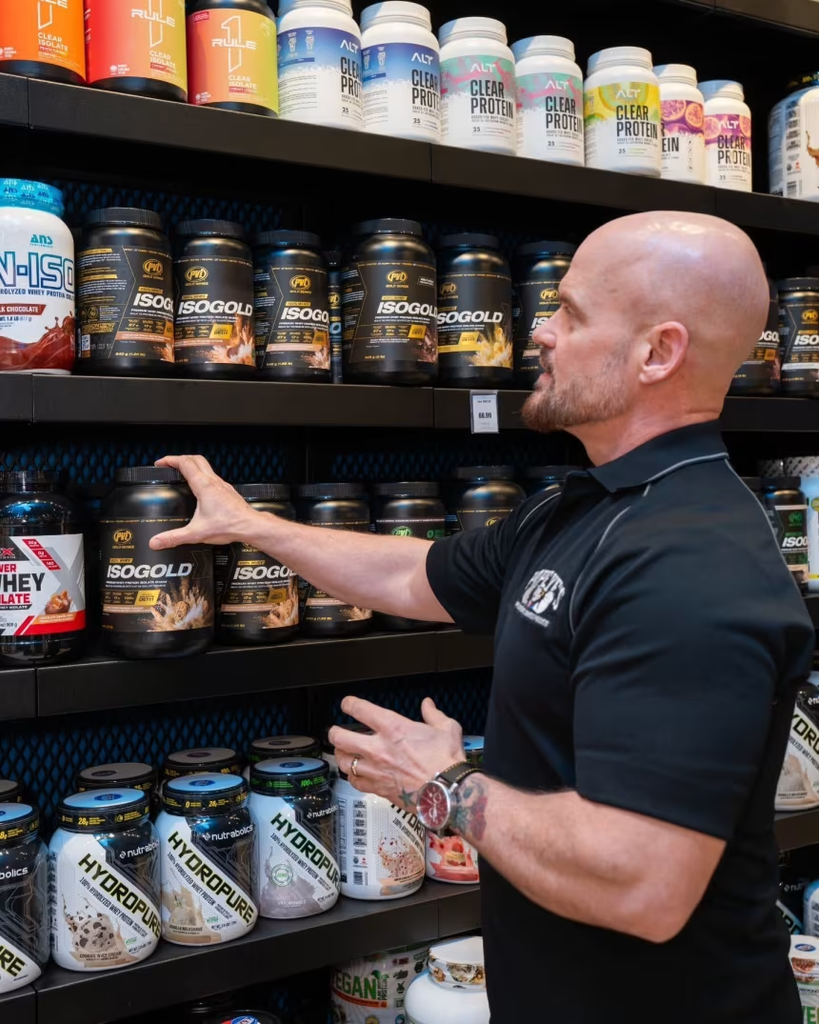
If you drink a protein shake every morning or grab a protein bar after hitting the gym, your daily routine is about to get much more expensive. A fresh trade war between the United States and Canada has taken an unexpected turn, and dairy products are sitting right at the center of the battlefield.
Whey protein powder is one of the most popular gym supplements on earth, but it comes directly from cow milk. Because of that simple biological fact, whey is now trapped in a series of heavy tariffs and import bans between two of the largest trading partners in the world.
Canadian supplement sellers are warning that raw material prices are skyrocketing. At the same time, gym-goers in the United States are starting to notice early signs of stock shortages and price hikes on store shelves.
Here is the full breakdown of why your workout fuel is caught in a global trade dispute, how cross-border supply chains are falling apart, and what you can do to protect your fitness goals without blowing your monthly grocery budget.
What Just Happened? The U.S.-Canada Trade Dispute Explained Simply
International trade politics can sound confusing, but the core issue behind this sudden protein price spike is easy to follow.
The $0 Secret To Launching Your Entire Online Empire
Why pay hundreds every month for separate software? Build funnels, send emails, and make sales with Systeme.io completely free.
Get Started For $0Free Forever • No Credit Card Needed • Beginner-Friendly
President Donald Trump placed a 50 percent tariff on twenty billion dollars worth of Canadian goods entering the United States. His target was Canada’s strictly controlled dairy market. Trump argued that Canadian policies create unfair hurdles for American farmers who want to export milk and cheese across the border.
Canadian officials did not stay quiet. They quickly fired back with dollar-for-dollar retaliatory tariffs, placing their own 50 percent tax on American dairy products entering Canada.
Things got even worse when the U.S. administration announced a complete ban on Canadian-made whey products coming into the United States.
According to reporting from CBC News, this rapid back-and-forth trade dispute has created massive uncertainty across the entire North American fitness and food manufacturing sector.
What Is Whey and Why Is It Trapped in Dairy Taxes?
To understand why a gym supplement is getting pounded by government policies, you have to look at how whey protein powder is made.
Whey is not a chemical created inside a laboratory. It is a natural liquid byproduct created when farmers turn liquid milk into cheese.
When milk gets processed during cheesemaking, it separates into two distinct parts: solid curds and a watery liquid. The solid curds become cheddar, mozzarella, or swiss cheese. The watery liquid left behind is whey.
Decades ago, cheese companies considered liquid whey to be useless waste. Most of it was discarded or given to farm animals as feed.
Everything changed as food technology improved. Engineers developed advanced filtration techniques that could filter out the water, fat, and lactose, leaving behind pure protein. When you dry that liquid into a fine powder, you get whey protein concentrate and whey protein isolate.
Because whey comes straight from cow milk, trade laws classify it strictly as a dairy product. When world leaders start slapping heavy taxes or import bans on cheese and butter, whey powder gets dragged into the exact same bucket.
Cross-Border Supply Chains Are Breaking Down
Most people assume the tub of protein on their kitchen counter was completely made, packaged, and shipped from a single local factory. The reality is that the supplement industry relies on an interconnected cross-border network between American farms and Canadian factories.
Canada produces plenty of milk, but the country has a limited number of specialized high-tech facilities capable of processing raw liquid whey into concentrated protein powder.
Because of this shortage, Canadian nutrition brands rely heavily on bulk whey processed in the United States. Companies import giant totes of unflavored raw whey concentrate across the border into Canada. Once the raw powder arrives at Canadian plants, workers blend it with flavors, test it for quality, put it into tubs, and distribute it to stores across North America.
With Canada imposing 50 percent tariffs on American dairy imports, buying raw U.S. whey has suddenly become painfully expensive for Canadian brands.
As highlighted by news coverage on Livemint, major sports nutrition companies like Fit Foods LP and BioSteel are facing a devastating dilemma. They depend on imported raw materials to run their business, but those inputs now cost dramatically more overnight.
Send, Spend & Hold Money Worldwide Without Hidden Fees
Transfer money internationally at the real exchange rate and hold 40+ currencies in one account.
Open a Wise AccountMid-market rate • Fast transfers • 40+ currencies
At the same time, American buyers who count on specialized Canadian whey blends or finished sports drinks face total import bans. That means goods that used to move freely back and forth across the border are now stuck behind political walls.
Why Grocery Shoppers and Gym-Goers Will Pay More
Global demand for high-protein foods was already exploding long before this trade argument began.
Everywhere you look in the grocery store, brands are adding extra protein to everyday products. You can buy high-protein oatmeal, protein waffles, protein chips, and high-protein ice cream. Whey is the primary workhorse ingredient powering almost all of these products.
When demand is high and the supply of a core raw ingredient gets squeezed by taxes, prices inevitably shoot up.
Small supplement store owners have already reported that raw whey concentrate costs had doubled over the past year due to worldwide demand alone. The new dairy tariffs add a heavy layer of extra expense on top of an already tight market.
Supplement companies cannot afford to absorb a 50 percent cost surge on their main ingredient. They are forced to raise wholesale prices, which means retail stores must mark up the price on the shelf.
If you are used to paying forty dollars for a standard five-pound tub of whey isolate, you may soon see that exact same tub priced at sixty dollars or more. Premium protein formulas could quickly push toward eighty dollars per tub.
Reports from CTV News show that some fitness enthusiasts are already clearing out store shelves to stockpile their favorite powders before price hikes take full effect.
Alternative Options to Protect Your Fitness Goals and Wallet
You do not have to give up on your daily protein goals just because politicians are fighting over dairy rules. If whey prices become too expensive for your monthly budget, several reliable protein alternatives can keep your body nourished.
Plant-Based Protein Blends
Plant protein powders are completely immune to dairy tariffs. They do not come from milk, which means cross-border trade duties on dairy products do not affect them at all.
The $0 Secret To Launching Your Entire Online Empire
Why pay hundreds every month for separate software? Build funnels, send emails, and make sales with Systeme.io completely free.
Get Started For $0Free Forever • No Credit Card Needed • Beginner-Friendly
Pea protein and brown rice protein are the two most popular plant options on the market today. When combined into a single powder, pea and rice protein form a complete amino acid profile that matches whey protein in muscle-building quality.
Soy protein isolate is another affordable plant option that dissolves smoothly in water or milk. Modern plant proteins have come a long way in taste and texture, eliminating the gritty finish that used to turn people away.
Egg White and Collagen Protein
Egg white protein powder is a high-quality dairy-free option that provides pure protein with zero fat and zero lactose. It digests easily and works great in smoothies or baked goods.
Collagen peptides are another popular powder derived from animal proteins. While collagen does not contain every essential amino acid required for maximum muscle building, it is fantastic for joint recovery, skin health, and meeting general protein intake targets. Combining collagen with whole food meals gives you a balanced approach.
Whole Food Protein Sources
Sometimes the most practical move is to rely less on processed powders and put more emphasis on whole foods. Real food protein sources are often cheaper per gram of protein than premium supplement powders.
Canned tuna, salmon, chicken breast, ground turkey, eggs, Greek yogurt, cottage cheese, lentils, and black beans are excellent budget-friendly options. Adding an extra egg to breakfast or eating a serving of cottage cheese before bed can easily make up for a missed scoop of powder.
The Bigger Picture for the Fitness Industry
This tariff situation highlights how global trade decisions hit everyday life in immediate ways. Most people never think about international trade agreements when they mix a protein shake after a workout, but global supply chains connect farm fields directly to your shaker bottle.
Supplement company leaders are actively lobbying government representatives in both nations, asking for dairy tariff exemptions on processed whey ingredients. They argue that taxing whey hurts everyday fitness enthusiasts, local retail store owners, and food manufacturers far more than it protects domestic dairy farmers.
Until trade negotiators reach an agreement or grant specific product exemptions, high whey prices are likely here to stay.
Staying informed about market trends helps you make smart choices for your wallet and health. To learn more about our commitment to breaking down complex global stories into simple, practical news, check out our about page. If you have questions or want to reach our team, you can connect with us directly through our contact page.
Frequently Asked Questions
Why is whey protein getting targeted by trade tariffs?
Whey is a natural liquid byproduct of cheesemaking. Because it originates directly from cow milk, international customs laws classify whey strictly as a dairy product. When governments place tariffs or bans on foreign dairy goods, whey powder is automatically included under those broad dairy rules.
Will plant-based protein powders also go up in price?
Plant proteins like pea, soy, rice, and hemp are not subject to dairy tariffs. Their core production costs remain steady. However, if millions of shoppers switch from whey to plant protein, higher overall market demand could lead to slight price adjustments over time.
How long will these tariffs on U.S. and Canadian whey last?
Trade tariffs stay active until government leaders negotiate a resolution or sign a trade agreement. Because current talks between U.S. and Canadian officials remain stalled, industry experts expect high tariffs and product bans to persist for the foreseeable future.
Can I buy protein powder in another country and bring it across the border myself?
Personal border allowances depend on customs regulations between the United States and Canada. While travelers can usually bring small quantities of personal items across the border, strict limitations on agricultural and dairy products still apply. Trying to bring commercial quantities across the border to avoid tariffs can lead to heavy fines or confiscation.
What is the most budget-friendly replacement for whey isolate?
A blended pea and rice protein powder offers the closest nutritional profile to whey isolate at a significantly lower price point. For whole food options, canned tuna, eggs, cottage cheese, and lentils remain some of the cheapest ways to meet daily protein goals.
The trade battle between the United States and Canada proves that political disputes can land right on your kitchen counter. While whey protein prices may remain high while these policies are in place, shifting toward plant-based blends and budget-friendly whole foods will keep your physical gains moving forward without breaking your wallet.
To stay ahead of breaking news, viral trends, and practical consumer advice, join our growing community online. Follow us on Instagram, check out our updates on Facebook, and join the conversation on X (Twitter).
