
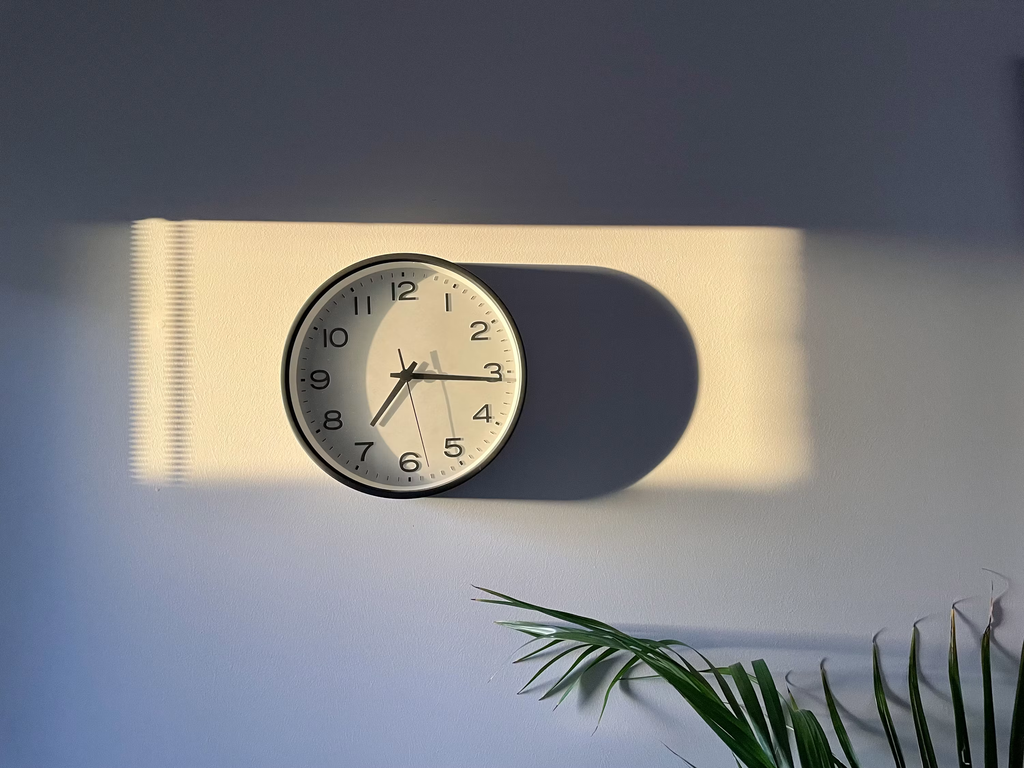
Twice every year, clocks across dozens of countries jump forward or drop back by sixty minutes. It sounds harmless on paper. You either give up an hour of rest on a Sunday morning or you pick up an extra sixty minutes of sleep on an autumn evening.
Yet, within forty-eight hours of that shift, millions of people wake up feeling completely drained, irritable, and physically off-balance. Coffee barely dents the morning fog. Simple tasks feel heavy, patience wears thin, and getting to sleep at night suddenly becomes a frustrating battle against the ceiling.
This sluggishness is not in your head, and it is not a sign of laziness. Moving the clock forward or backward forces an instant disruption onto your biology. Your body does not run on wall clocks or digital alarms; it runs on an ancient internal rhythm linked to the sun. When modern schedules force that rhythm out of sync, your brain, heart, and immune system pay an immediate price.
Understanding why this shift hits your body so hard gives you the tools to fight back. Here is a clear look at what daylight saving time really does to your system, why the medical community wants it stopped, and the practical steps you can take to protect your health during the switch.
What Actually Happens to Your Body During the Time Change?
The human body does not adapt to a new time zone with the flip of a switch. Every organ inside you relies on a delicate biological schedule that coordinates everything from body temperature to digestion. When society suddenly changes the time by an entire hour overnight, that internal coordination unravels.
The $0 Secret To Launching Your Entire Online Empire
Why pay hundreds every month for separate software? Build funnels, send emails, and make sales with Systeme.io completely free.
Get Started For $0Free Forever • No Credit Card Needed • Beginner-Friendly
The Master Clock and Your Circadian Rhythm
Deep inside your brain sits a tiny cluster of cells called the suprachiasmatic nucleus. Think of this group of cells as the master control tower for your body. It manages your circadian rhythm, which is your natural 24-hour cycle of sleeping, waking, hunger, and cellular repair.
This master control tower relies heavily on natural light. When morning sunlight hits your eyes, special receptors send a signal to your brain that it is time to wake up, burn energy, and stay alert. When darkness sets in, the brain takes that as a cue to slow down and prepare for sleep.
When clocks spring forward in the spring, you are suddenly asked to wake up, drive to work, and concentrate while your internal control tower still thinks it is the middle of the night. You are fighting against your own biology. Even a tiny change of sixty minutes can throw your internal clock off balance for several days or even weeks.
The Hormone Rollercoaster: Melatonin and Cortisol
Your sleep-wake cycle depends on two key hormones: melatonin and cortisol. Melatonin helps you relax, makes you drowsy, and allows you to fall into deep sleep. Cortisol does the opposite; it raises your blood pressure slightly, sharpens your senses, and gets you out of bed in the morning.
Under normal conditions, your brain starts releasing melatonin a couple of hours before your usual bedtime as the sky gets dark. When daylight saving time begins in the spring, evening daylight lasts an hour longer. Because your eyes are still taking in sunlight late into the evening, your brain delays the release of melatonin. You end up staring at the clock at 11:00 PM, wondering why your body feels wide awake.
The next morning brings the second half of the problem. Your alarm rings while it is still pitch dark outside. Your cortisol levels have not had the chance to rise naturally with the sun. The result is intense sleep inertia—that heavy, drugged feeling where your brain struggles to process simple thoughts for hours after waking up.
The Hidden Health Risks Most People Ignore
Feeling tired on a Monday morning is annoying, but daylight saving time carries consequences that go far beyond yawns and sluggish emails. Decades of medical research reveal that the sudden loss of an hour places serious stress on your cardiovascular system, reaction speeds, and emotional well-being.
A Dangerous Spike in Heart Attacks and Strokes
One of the most alarming discoveries about daylight saving time is its connection to severe cardiovascular events. Research highlighted by the American Heart Association shows a measurable increase in heart attacks immediately following the spring time change.
In fact, several landmark studies show that hospital admissions for heart attacks jump by as much as 24 percent on the Monday right after we move the clocks forward. The risk remains elevated throughout the first week before gradually returning to baseline.
Why does this happen? The sudden loss of sleep, combined with the stress of waking up before the body is ready, triggers an immediate spike in blood pressure and inflammation. For people who already have underlying cardiovascular risk factors, that sudden biological strain can be enough to trigger an emergency.
Similar patterns show up in stroke data. Researchers have observed an eight percent increase in ischemic strokes during the first two days following the spring change, with older adults and cancer patients facing an even higher risk.
Rising Car Crashes and Workplace Accidents
Losing sleep dulls your reflexes just like alcohol does. When millions of drivers take to the roads on Monday morning running on an hour less sleep, the consequences on the highway are immediate.
Data gathered by safety agencies like the National Highway Traffic Safety Administration indicates that fatal car accidents rise by approximately six percent in the week following the spring clock change. Drivers have slower reaction times, drift between lanes more frequently, and suffer from brief moments of micro-sleep behind the wheel. Morning commutes are also darker, making it harder to spot pedestrians and cyclists.
The same problem happens on the job. Workers suffer more workplace injuries in the days following the time shift, particularly in physically demanding jobs like construction, warehousing, and transportation. When your brain is sleep-deprived, spatial awareness drops and decision-making suffers.
Mood Dips, Anxiety, and Seasonal Depression
Your brain requires deep sleep to process emotions and regulate mood. When your sleep cycles get cut short, emotional stability takes a direct hit. People frequently report feeling short-tempered, anxious, and overwhelmed during the transition week.
Send, Spend & Hold Money Worldwide Without Hidden Fees
Transfer money internationally at the real exchange rate and hold 40+ currencies in one account.
Open a Wise AccountMid-market rate • Fast transfers • 40+ currencies
The autumn time change presents its own mental health challenges. While you gain an extra hour of sleep when you “fall back,” standard time suddenly pushes sunset an hour earlier. Leaving work in complete darkness cuts off your exposure to afternoon sun.
For people sensitive to changes in daylight, this sudden drop in light exposure can trigger or worsen Seasonal Affective Disorder (SAD). A sudden lack of sunlight lowers serotonin production in the brain, leading to persistent fatigue, sadness, and low motivation throughout the winter months.
Spring Forward vs. Fall Back: Which Shift Is Worse for You?
People often debate which clock change causes more damage. While both disrupt your internal rhythm, they attack your body in completely different ways.
Why “Spring Forward” Delivers the Hardest Shock
Springing forward is universally recognized by sleep specialists as the harsher transition. You are forcibly losing an hour of time overnight.
Most people already carry a chronic sleep debt, sleeping thirty to sixty minutes less than their bodies actually need on a regular basis. Stealing another hour right out of the weekend pushes the nervous system into acute sleep deprivation.
Because you are forced to wake up earlier in darker conditions, your circadian rhythm struggles to reset itself. It takes most healthy adults three to seven full days to adjust their sleep cycles to the spring shift, and some people feel the drag for nearly two weeks.
The Myth of “Gaining an Hour” in the Fall
Falling back in the autumn is often celebrated because it promises an extra hour in bed. Unfortunately, that extra hour is largely an illusion.
Most people do not actually sleep an hour longer on that Sunday morning. Your internal body clock still wakes you up at your customary biological time, meaning you often wake up an hour earlier than your alarm.
Furthermore, shifting the clock back throws off evening routines. You might feel exhausted much earlier in the evening, only to wake up at 4:30 AM wide awake in total darkness. The disruption to your sleep architecture still leaves you feeling off-kilter, even if you did not lose net sleep time on paper.
7 Practical Ways to Protect Your Sleep and Beat the Clock Change
You do not have to spend a week feeling exhausted every time the government resets the clock. Making a few deliberate adjustments to your light exposure, sleep routine, and daily habits can help your body slide smoothly through the transition without the usual crash.
The $0 Secret To Launching Your Entire Online Empire
Why pay hundreds every month for separate software? Build funnels, send emails, and make sales with Systeme.io completely free.
Get Started For $0Free Forever • No Credit Card Needed • Beginner-Friendly
1. Shift Your Schedule in 15-Minute Increments
The worst mistake you can make is trying to adapt to a 60-minute time jump all at once on Sunday night. Your internal master clock resists large, sudden shifts. Instead, make the change gradual.
Starting four days before the time change, adjust your bedtime and wake-up time by 15 minutes each day. If you usually go to sleep at 11:00 PM:
- Go to sleep at 10:45 PM on Wednesday.
- Move it to 10:30 PM on Thursday.
- Aim for 10:15 PM on Friday.
- Settle into 10:00 PM on Saturday.
By shifting your wake-up time forward by 15 minutes each morning alongside your bedtime, your circadian rhythm adjusts incrementally. When Sunday morning arrives, your internal clock is already running on the new schedule, eliminating the shock to your system.
2. Use Morning Sunlight as Your Reset Button
Natural sunlight is the single most powerful tool you have to reset your circadian clock. When bright photons hit the retinas in your eyes, they immediately tell your brain to shut down melatonin production and start releasing daytime energy hormones.
Within thirty minutes of waking up during the transition week, get outside into direct sunlight for at least fifteen to twenty minutes. Do not wear sunglasses during this morning light session, as you want the light to reach your eyes naturally (never stare directly at the sun).
If you live in a region where morning skies are gloomy or sunrise happens after you start work, consider using a 10,000-lux light therapy box at your breakfast table or desk. Exposure to bright light early in the day anchors your biological rhythm and makes falling asleep at night dramatically easier.
3. Track Your Recovery and Protect Your Nighttime Rest
When your body goes through an environmental shift, monitoring how your heart rate and sleep stages respond can give you clear warning signs before exhaustion sets in. Wearable tech makes this process simple. Learning how your device measures nightly recovery helps you identify whether you are getting enough deep sleep or spending too much time tossing and turning.
Understanding 5 health metrics Samsung Galaxy Watch can track like sleep, stress, and AFib gives you a clear window into how your cardiovascular system handles physical stress.
If your device supports advanced software, you can also take advantage of built-in sleep programs. Learning how your Samsung watch sleep coaching update fixes your broken nights can guide you through tailored breathing exercises and sleep consistency targets during the roughest days of the shift. Just remember to manage your device routines properly—following good habits like knowing why you should stop charging your Samsung Galaxy Watch at night ensures your tracker is charged and ready to monitor your rest when you need it most.
4. Create an Aggressive Evening Screen Cutoff
Bright blue light emitted by smartphones, tablets, computers, and televisions mimics daytime sunlight. When you scroll through social media or watch television late into the evening, you trick your brain into thinking the sun is still high in the sky.
Turn off bright overhead room lights two hours before bedtime and switch to soft, warm lamps. Put digital devices away at least sixty minutes before you plan to sleep. If you absolutely must use your phone or computer in the evening, use built-in night modes that filter out blue light wavelengths. Modern display systems, including advanced mobile displays like Xiaomi sunlight display technology, are engineered to adapt to different lighting environments, but your eyes still need actual darkness to cue sleep hormones.
Replacing late-night screen time with reading a physical book, stretching, or taking a warm shower signals to your nervous system that it is safe to power down.
5. Set a Strict Caffeine and Meal Curfew
Reaching for an extra mug of coffee when you feel groggy on Monday morning seems like common sense. Unfortunately, loading up on caffeine makes the problem significantly worse.
Caffeine works by blocking adenosine receptors in your brain. Adenosine is the natural chemical that builds up in your body throughout the day to create “sleep pressure”—that pleasant feeling of tiredness that helps you drift off at night. Caffeine does not eliminate adenosine; it simply hides it. When the caffeine wears off, all that accumulated adenosine rushes in at once, causing a severe afternoon crash.
Caffeine has a half-life of roughly five to seven hours, meaning half of the stimulant is still active in your system long after you finish your drink. Cut off all coffee, energy drinks, and caffeinated sodas by 1:00 PM or 2:00 PM during the transition week.
Similarly, avoid eating heavy dinners within three hours of bedtime. Digesting large meals forces your core body temperature to remain elevated. Your body needs its core temperature to drop by one to two degrees to enter deep, restorative sleep cycles.
6. Keep Your Weekend Schedule Consistent
When you feel exhausted on Saturday or Sunday morning, the temptation to stay in bed until noon is almost overwhelming. Giving in to that urge, however, makes Monday morning far more painful.
Sleeping in late on the weekend causes what doctors call “social jetlag.” When you wake up at 7:00 AM Monday through Friday, but stay in bed until 10:30 AM on the weekend, your brain shifts its internal timing toward that later window. When the alarm rings on Monday morning, your body feels as though it was dragged across three time zones.
Keep your wake-up time within thirty to forty-five minutes of your normal schedule throughout the entire changeover weekend. If you are struggling with intense fatigue during the day, take a short twenty-minute power nap in the early afternoon instead of sleeping away the morning. Keep the nap brief so you do not enter deep sleep or sabotage your bedtime.
7. Move Your Body Daily (At the Right Time)
Physical exercise is a powerful anchor for your internal clock. Moving your muscles increases blood circulation, reduces stress hormones, and encourages deeper slow-wave sleep at night.
Aim for twenty to thirty minutes of moderate exercise each day during the transition week. A brisk walk, a jog, or a bodyweight workout will do wonders for clearing away brain fog.
Timing matters. Try to finish vigorous workouts in the morning or early afternoon. Intense physical exercise raises your core body temperature and releases endorphins and adrenaline. If you work out too close to bedtime, that physical stimulation can keep your nervous system on high alert when you should be winding down.
Why Doctors Want to End Daylight Saving Time for Good
The ongoing disruption caused by resetting clocks has triggered a massive pushback from medical professionals around the world. Organizations like the American Academy of Sleep Medicine have issued clear position statements calling for the total elimination of seasonal time changes.
Sleep scientists argue that human biology is fundamentally mismatched with daylight saving time. Their recommendation is not to make daylight saving time permanent, but rather to return permanently to Standard Time.
Standard time aligns our daily routines much more closely with the natural arc of the sun. It provides more morning light to wake our brains naturally and eliminates the excessive evening light that delays bedtime.
Lawmakers in numerous countries have debated bills like the Sunshine Protection Act to end the clock changes once and for all. While political debates over timekeeping often stall in legislative committees, the pressure to abandon clock shifts continues to grow.
In fact, modern science is increasingly recognizing that rigid or artificial time manipulation creates major problems for human health and technological systems alike. We have seen similar shifts across global standards recently, as discussed in why the world just killed the leap second. As public understanding of sleep science improves, the push to leave our clocks alone may finally win out.
Frequently Asked Questions
How long does daylight saving time fatigue typically last?
For most healthy individuals, daylight saving time fatigue lasts between three and seven days. People who are natural “night owls,” those with preexisting sleep conditions like insomnia, or individuals carrying a large sleep deficit may take up to two full weeks to completely adapt to the new schedule.
Why do I feel so tired in the autumn when we gain an hour?
Even though the autumn time change adds an extra hour on the clock, it disrupts your sleep pattern. Your body still wakes up at its previous biological time, causing early morning awakenings. In addition, the sudden early sunset removes late-afternoon sunlight, causing an early release of melatonin that makes you feel exhausted long before your regular bedtime.
Can daylight saving time trigger severe headaches or migraines?
Yes. The hypothalamus, which is the part of the brain that manages circadian rhythms, is also intimately tied to headache disorders. Sudden changes in sleep patterns, fluctuating cortisol levels, and altered light exposure are well-documented triggers for both cluster headaches and migraines during the week following a time change.
What should I do if I cannot fall asleep on Sunday night after the shift?
Do not stay in bed tossing and turning while watching the clock. If you have been awake in bed for more than twenty minutes, get up. Move to a quiet, dimly lit room and do a relaxing activity like reading a printed book or listening to gentle music. Return to bed only when your eyelids feel heavy. This prevents your brain from associating your mattress with frustration and insomnia.
Is it healthier to stay on permanent daylight saving time or permanent standard time?
Leading medical and sleep research organizations strongly advocate for permanent standard time. Standard time places midday (solar noon) closest to 12:00 PM on the clock, maximizing natural morning sunlight when human bodies need it to wake up, and avoiding prolonged artificial light exposure late into the night.
Taking Control of Your Sleep and Health
The biannual clock change is one of the strangest holdovers of modern society. Forcing millions of people to abruptly abandon their biological rhythms creates real physical strain, from annoying daytime fatigue to serious cardiovascular and traffic risks.
You do not have to let an arbitrary change on the clock dictate how you feel. By gradually shifting your bedtime, getting plenty of natural sunlight first thing in the morning, putting away screens before bed, and giving your body the grace to rest, you can easily protect your physical and mental health.
Listen to what your body tells you over the coming days. Slow down your mornings, be extra cautious on your commute, and focus on consistent rest rather than pushing through exhaustion.
