
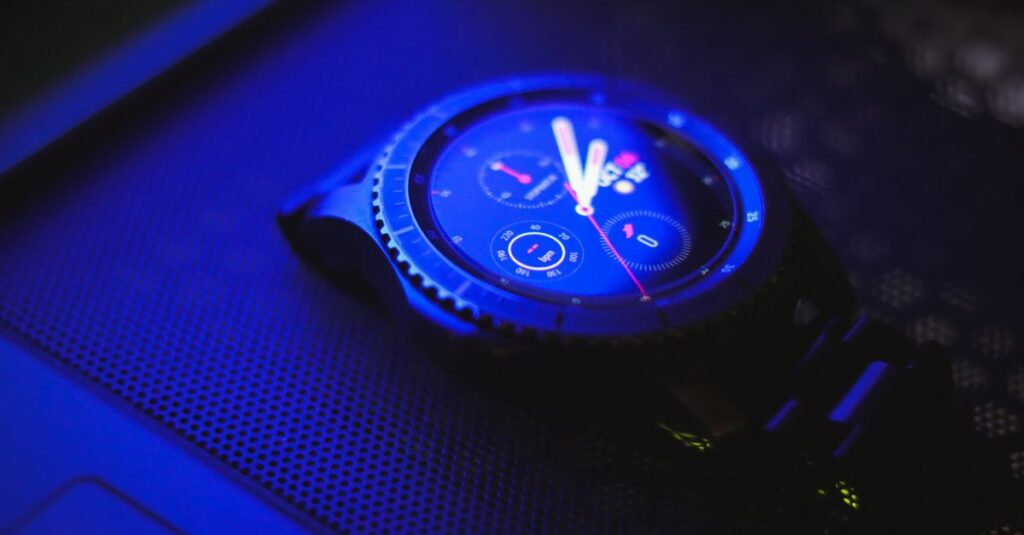
Wearing a smartwatch used to be about counting steps and checking notifications. That has changed completely. The Samsung Galaxy Watch now packs serious medical-grade sensors that track health metrics you used to need a doctor’s visit to measure.
From detecting irregular heart rhythms to analyzing how well you actually slept, these features can give you real insights into your body. Here are five key health metrics the Galaxy Watch tracks and why each one matters for your daily life.
1. Sleep Quality: More Than Just Hours
The Galaxy Watch does not just count how long you slept. It breaks your sleep into stages: awake, light, deep, and REM. Deep sleep is when your body repairs itself. REM sleep is when your brain processes memories and emotions. Without enough of either stage, you can wake up feeling exhausted even after eight hours in bed.
The watch uses a combination of heart rate monitoring, movement data, and blood oxygen levels to figure out which stage you are in. You get a Sleep Score every morning from 0 to 100. A score below 70 usually means something interrupted your rest.
What you can do with this data: Check your Sleep Score for a week. If it stays low, look for patterns. Did you eat late? Drink alcohol? Scroll on your phone before bed? The watch also detects snoring using its microphone and tracks how much your oxygen level drops during the night, which can be an early sign of sleep apnea.
Build Funnels, Email Lists & Sell Online With One Free Tool
Create funnels, send emails, and sell online using Systeme.io without paying for multiple tools.
Create Free AccountFree forever • No credit card • Beginner-friendly
A practical tip many people miss is the bedtime reminder feature. Set it for 30 minutes before your target bedtime. The watch will dim the screen and suggest winding down. Small changes like this can raise your Sleep Score by 10 to 15 points in two weeks.
2. Stress Levels: Knowing Before You Crash
Stress is not just a feeling. It is a physical response that raises your heart rate, tightens your muscles, and increases cortisol in your blood. The Galaxy Watch measures stress by analyzing your heart rate variability or HRV. This is the tiny time difference between each heartbeat. When you are calm, your heart rhythm is more variable. When stressed, it becomes very steady and robotic.
The watch gives you a stress score from low to high. You can run an on-demand measurement anytime. But the real value is seeing how your stress changes throughout the day. Many people discover that their highest stress comes during activities they never suspected, like checking work emails before bed or driving in heavy traffic.
What you can do with this data: The watch includes guided breathing exercises that activate your parasympathetic nervous system, the part of your body that calms you down. Do a two-minute breathing session when your stress score spikes. Over time, you will learn which situations trigger you and how quickly you can recover.
A useful trick: wear the watch during a normal workday and a weekend day. Compare the stress graphs. If your weekend is significantly lower, your job may be wearing you down more than you realize.
3. Atrial Fibrillation or AFib Detection
This is the most important health feature on the Galaxy Watch, and it could save your life. Atrial fibrillation is an irregular heart rhythm that often has no symptoms. But it increases your risk of stroke by five times. The watch uses a built-in electrocardiogram or ECG sensor to check your heart’s electrical activity.
To take a measurement, you rest your fingertip on the top button for 30 seconds. The watch analyzes your heart rhythm and tells you if it detects signs of AFib. This is not a diagnosis, but it is a powerful screening tool that has already helped thousands of people catch heart problems early.
What you need to know: The feature requires a Samsung phone and is approved by the FDA and other health regulators worldwide. It works best when you are sitting still. Do not take measurements while walking or exercising. If the watch says “Inconclusive,” just try again in a few minutes.
The watch can also alert you to high or low heart rates even when you are not actively checking. You can set custom thresholds. For most adults, a resting heart rate below 60 or above 100 is worth discussing with a doctor.
4. Blood Oxygen Level or SpO2
Your blood oxygen level tells you how well your body transfers oxygen from your lungs to your cells. Normal levels are between 95 and 100 percent. Anything consistently below 92 percent is a concern. The Galaxy Watch measures SpO2 using red and infrared light that passes through your skin to see how much oxygen your blood is carrying.
You can take an on-demand measurement anytime. But the watch also tracks your blood oxygen continuously while you sleep. This is where the data becomes useful. Many people with undiagnosed sleep apnea see their oxygen levels drop multiple times per night without knowing it.
What you can do with this data: Check your overnight SpO2 graph in the Samsung Health app. If you see repeated drops below 90 percent, take that information to your doctor. It does not mean you have sleep apnea, but it is a strong reason to get tested. Also, if you have a respiratory illness like COVID-19 or pneumonia, low blood oxygen can be a sign that you need medical attention before you feel seriously sick.
A common misunderstanding is that a single low reading matters. It usually does not. Fingers can be cold, the watch might shift on your wrist, or you could be holding your breath. Look for patterns over multiple nights instead of reacting to one number.
5. Body Composition
Most smartwatches can tell you your weight if you type it in. The Galaxy Watch actually measures your body fat percentage, skeletal muscle mass, and water retention using bioelectrical impedance. You place two fingers on the home button and the watch sends a very small electrical current through your body. Different tissues resist the current differently.
This sounds complicated, but the measurement takes 15 seconds. You get readings for body fat, muscle mass, BMI, and basal metabolic rate (how many calories you burn at rest).
What you can do with this data: Track muscle mass once per week, not every day. Body water fluctuates too much for daily comparisons to make sense. If you are trying to lose fat or gain muscle, the body composition numbers tell you whether your diet and exercise plan actually work. The scale might stay the same while your body fat drops and muscle increases. This is called body recomposition, and the watch catches it when a normal scale misses it completely.
A practical tip: take measurements at the same time of day, ideally right after waking up and using the bathroom. Do not measure after eating, drinking, or exercising. Your hydration status changes constantly, and that affects accuracy.
Frequently Asked Questions
How accurate are these measurements compared to medical devices?
The sleep and stress tracking is reasonably accurate for consumer use but not as precise as a sleep lab or clinical stress test. The ECG for AFib detection is highly accurate, with studies showing about 93 to 98 percent sensitivity. The blood oxygen sensor is within 2 to 3 percent of medical-grade pulse oximeters. Body composition tends to be less consistent, best used for tracking trends rather than absolute numbers.
Do I need a separate app to see all this data?
No. All metrics appear in the Samsung Health app that comes with the watch. The app organizes everything into daily, weekly, and monthly views.
Which Galaxy Watch models include all five features?
The Galaxy Watch 4, Watch 5, and Watch 6 series all include these features. The original Galaxy Watch and Watch 3 have fewer sensors and cannot measure blood oxygen, body composition, or AFib.
Can I share this data with my doctor?
Yes. Samsung Health allows you to export reports as PDF files. For ECG readings, you can share the actual waveform graph. Most doctors welcome this data as additional information, but they will not make a diagnosis based solely on watch readings.
Putting It All Together
The Galaxy Watch gives you five powerful health metrics that were once only available in clinics and hospitals. Sleep staging helps you understand your rest quality.
Stress tracking shows you what triggers your body. AFib detection can catch a silent stroke risk. Blood oxygen monitoring reveals breathing problems during sleep. And body composition takes the guesswork out of fitness progress.
None of this replaces professional medical advice. The watch is a tool, not a doctor. But used consistently, it can help you notice problems earlier, track how lifestyle changes affect your body, and have more productive conversations with your healthcare provider.
Here is the real question: If your watch showed you a pattern that concerned you, would you actually make an appointment with your doctor or just ignore it and hope for the best? Think about your answer before you start wearing one.
