
Think about the last text message you sent to a friend or family member. It probably had at least one colorful symbol attached to the end of it. Over the last few years, these little digital icons have changed from fun additions into a real language that everyone uses daily. We use them to show when we are joking, when we are sad, or when we want to make a plain text feel much warmer.
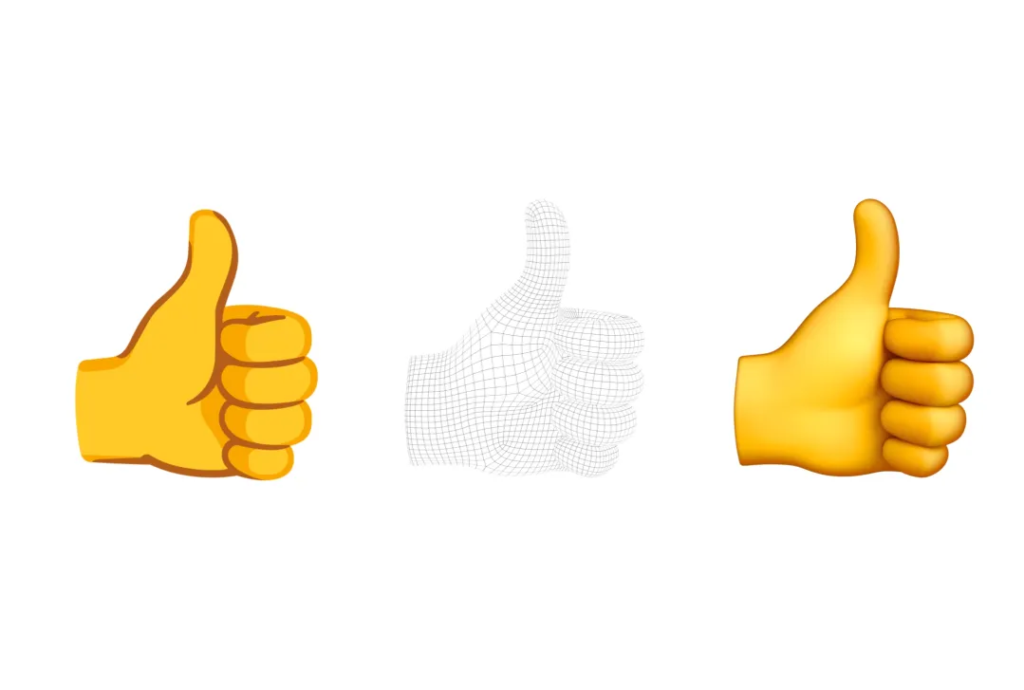
Now, Google is taking things to a whole new level. To mark World Emoji Day, the tech giant made a massive announcement. They have completely redesigned their entire library of emojis into full three-dimensional models. Even better, they are making all 3,977 of these new 3D icons completely open-source for the entire world to use.
This means the digital files are free for anyone to download, change, and use in their own creative work. If you build digital worlds, make videos, or just love messing around with graphic design, this news is huge. It opens up a brand new playground for digital creators around the globe.
Let’s look closely at exactly what Google did, the design secrets behind these new assets, and how this move impacts the future of how we communicate online.
The Big Shift: What is Google’s Noto 3D Project?
For a very long time, the emojis on our mobile phone screens have been flat. They look nice, but they do not have any real depth, weight, or shadow to them. Google wanted to change that without losing the classic feel that billions of users love. This major creative effort is known as the Noto 3D project.
Build Funnels, Email Lists & Sell Online With One Free Tool
Create funnels, send emails, and sell online using Systeme.io without paying for multiple tools.
Create Free AccountFree forever • No credit card • Beginner-friendly
Instead of just adding a quick shadow to make the existing flat pictures look slightly thick, Google went back to the beginning. They took every single one of the 3,977 characters in the standard emoji list and rebuilt them from the ground up.
Every single character started its journey as a basic flat drawing. From there, digital designers worked hard to turn those simple lines into full 3D models. The end result is a collection of files that look like they belong in a modern animated movie.
The biggest news here is not just that the emojis look different. The real headline is that Google is sharing them as standard 3D files, specifically using the widely compatible .OBJ file format. Anyone can grab these files from the web and open them in 3D software. You do not need to pay Google a single cent, and you do not need special permission to use them in your own projects.
Expression Over Realism: The Design Philosophy
When you think about 3D models, you might think of hyper-detailed characters from modern video games or architectural blueprints. Google deliberately avoided that path for this project. They wanted these icons to have a clear pulse and a distinct soul, rather than the cold and rigid precision of a factory model.
The main goal of an emoji is to talk to someone else instantly. Your brain needs to see the image and understand the feeling in a fraction of a second. If an image gets too realistic, it actually becomes harder to read quickly on a tiny mobile screen.
Because of this, the design team relied heavily on the power of playful illustration. They focused on capturing the fun vibe of an object or animal rather than looking for biological perfection. They wanted the icons to remain highly expressive and accessible to everyone, including high-contrast options that look great on dark screens.
The Kangaroo Dilemma
Let’s take animals as a great example of this design philosophy. Google noticed during their massive user research studies that people prefer seeing full-body animals instead of just floating heads. But making those bodies look exactly like real-life animals creates a big problem.
Think about a real kangaroo in the wild. Real kangaroos can actually look quite terrifying and highly muscular. Nobody wants a scary, hyper-realistic animal popping up when they are trying to send a cute text to a friend.
By using playful illustration, the designers made the kangaroo look friendly and cute while keeping the full body intact. This keeps the design warm and fun instead of anatomically perfect but frightening.
Designing the Backside of a Smile
Moving from two dimensions to three dimensions forced the design team to answer some very strange questions. When a drawing is flat, you only see the front. You never have to think about what is happening behind the image.
Once you make it a 3D asset, the object has a back. The team had to ask themselves: What does the back of a standard yellow smiley face actually look like?
- Is it a hollow mask that is empty on the inside?
- Is it a solid, bouncy rubber ball?
- Is it just a flat piece of paper when you turn it around?
Reaching answers to these questions was vital. It ensured that the emojis still look correct even if you rotate them completely around in a virtual environment.
Another major discovery from their user testing was that tiny tweaks matter immensely. For instance, just changing the direction a character is winking can transform mild confusion into accidental outrage between friends. Every single angle and curve had to be carefully balanced so the core meaning never got lost in translation.
The Role of AI and Improving Dark Mode Inclusivity
Creating inclusive tools is a big part of modern software development. During this project, Google ran into a significant hurdle regarding dark mode. Dark mode is incredibly popular because it saves battery life and is much easier on the eyes when you are in a dark room.
However, the design team realized that emojis featuring the darkest skin tones were becoming almost invisible against a black or dark grey background. When the contrast is too low, the details disappear, and the user experience breaks down completely.
To solve this problem without making the human designers do months of manual adjustments, Google built a special AI-powered contrast tool. This software works at the pixel level to look at every single variation of the icons.
The tool automatically flags any instance where the contrast ratio drops below a safe level. Then, it suggests high-contrast design solutions. Human designers can take those smart suggestions and implement them easily. The final result is a beautiful set of icons where every skin tone looks bright, clear, and easy to see, no matter what color your phone screen happens to be.
If you want to read more about how artificial intelligence is changing the tools we use every single day, feel free to check out the technology and AI category at https://whatsbuzzn.com/category/technology-ai/ for more deep insights.
Why Open-Sourcing This Library is a Game-Changer for Creators
When a massive tech company gives away thousands of hours of professional design work for free, the digital landscape changes overnight. Usually, high-quality 3D models cost a lot of money to buy, or they require hundreds of hours of manual labor to create from scratch.
By opening up the Noto 3D library, Google is leveling the playing field for indie creators, small businesses, and solo developers. You no longer need a massive budget to get access to clean, modern, and instantly recognizable 3D assets.
Graphic designers can take these models and tweak them to create unique branding materials. App developers can integrate these assets directly into their user interfaces to make their applications feel more playful and modern.
Even educators can use these files to build interactive learning tools for students. Because the files use the standard open-source format, they work perfectly inside popular design software like Blender, Unity, Maya, and Unreal Engine.
Boosting Content and YouTube Automation
One specific group of people that stands to benefit immensely from this release is video creators. If you run an online media channel or work within the space of automated video creation, you know how hard it is to keep viewers engaged.
Visual hooks are everything. Flat text can get boring quickly, which is why creators use animations, pop-ups, and icons to keep the viewer’s eyes glued to the screen.
With these new 3D models, video editors can easily drop dynamic, rotating emojis into their timelines. You can make a three-dimensional heart float across the screen, or have a spinning globe add visual flair to a travel video.
Because the assets are open-source under the SIL Open Font License, you do not have to worry about copyright strikes or legal issues down the road. This makes them a perfect addition to your production toolkit.
For those who are interested in building an audience and scaling up a digital video business without spending all day editing manually, you should explore the guide on YouTube automation at whatsbuzzn.com to see how these visual upgrades fit into a larger content strategy.
Build Funnels, Email Lists & Sell Online With One Free Tool
Create funnels, send emails, and sell online using Systeme.io without paying for multiple tools.
Create Free AccountFree forever • No credit card • Beginner-friendly
How Emojis are Evolving Beyond Simple Text
It is wild to look back at how we used to use these icons. A decade ago, if you used the nail polish icon, you were probably telling a friend that you were at the salon getting a manicure. It was literal and straightforward.
Today, the way we use digital icons is far more dramatic and poetic. Emojis have become tools for theatrical expression. We use them to add emotional subtext, heavy sarcasm, and hyperbole to short messages that might otherwise sound blunt or cold.
Data gathered from digital keyboards shows some fascinating shifts in human behavior. For example, the classic tears of joy icon has actually dropped in popularity over the last few years. Instead, people are heavily using the loudly crying face to show that they find something funny. It highlights how we look for more extreme expressions to convey our thoughts online.
Even the way we express sadness has changed. The standard broken heart icon is slowly losing ground to the wilted flower. The wilted flower offers a layer of poetic understatement that feels a bit more mature and subtle. By offering these symbols in 3D, Google is giving us an even richer toolkit to match the complex ways we talk to each other in a highly connected world.
How to Access and Use the 3D Emojis
If you want to get your hands on these files, the process is simple. Google is hosting the collection within their open-source repositories on platforms like GitHub and through the Google Fonts ecosystem.
You can head over to the official Google Noto Emoji project repositories to browse through the entire library. The assets are split up so you can download exactly what you need.
For regular phone users, these new looks will start showing up automatically on Pixel phones later this year. Following the initial rollout, Google plans to bring the updated look to all of their core products, including Android systems, Chromebooks, and Gmail.
If you are a creator who wants to download the raw models, you will want to look for the .OBJ files. Once you download the folder, you can import them into any standard 3D rendering program. From there, you can change the colors, add new textures, adjust the lighting, or animate them to match the exact style of your project.
Frequently Asked Questions
What does open-source mean for Google’s 3D emojis?
Open-source means that Google has made the design files completely free for public use. Anyone can download the 3D models, edit them, remix them, and use them in personal or commercial projects without paying royalties or worrying about copyright infringement.
What format are the 3D emoji files available in?
The 3D models are released as standard .OBJ files. This is a highly compatible format that can be opened and edited in almost every major 3D software tool, including Blender, Unity, and Unreal Engine.
When will I see these new emojis on my smartphone?
The new Noto 3D emojis are scheduled to roll out to Google Pixel phones later this year. After the initial release on Pixel devices, Google will expand the update to all of its other platforms and products.
Can I use these 3D models to make commercial products or videos?
Yes. Because they are open-source under free software and font licenses, you can use them in commercial videos, apps, video games, and marketing materials without needing to pay any fees.
Why did Google use AI to design these emojis?
Google used an AI-powered contrast tool to fix visibility issues in dark mode. The AI checked the pixels of the dark skin tone emojis against dark backgrounds to ensure they remained perfectly visible and clear for all users.
Wrapping Up the 3D Emoji Revolution
Google’s decision to open-source the Noto 3D emoji project is a major win for the digital community. It bridges the gap between massive tech corporate design teams and everyday creators who just want access to great tools. By turning these familiar icons into flexible 3D assets, they are giving all of us a brand new way to build, create, and share our stories online.
If you want to build a virtual reality game, upgrade your social media videos, or just experiment with 3D animation, these files offer an incredible foundation to start with. It will be exciting to see how the creative community takes these models and remixes them into entirely new pieces of art over the coming months.
To learn more about our mission to keep you informed on the latest trends, head over to our about page at whatsbuzzn.com. If you have any questions or want to share your thoughts on this update, please feel free to drop us a line via our contact page at whatsbuzzn.com.
Do not forget to stay connected with us on social media for daily updates on everything trending. You can follow our community updates on Facebook at facebook.com, catch our latest updates on X at x.com, and see our visual stories on Instagram at instagram.com
