
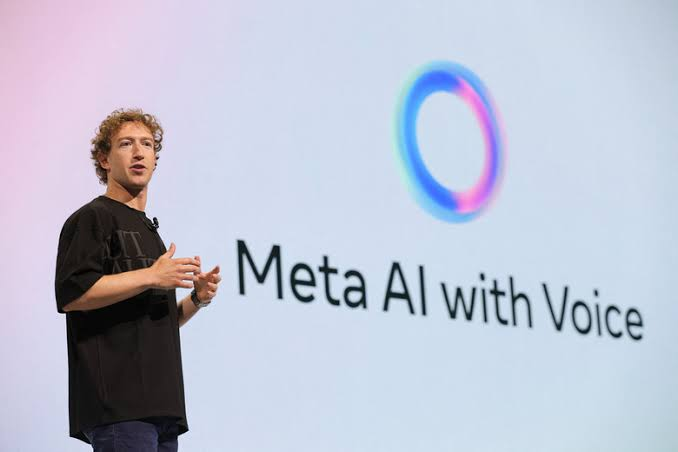
Mark Zuckerberg had a big idea at the start of the year. He wanted to change how Meta works by handing over thousands of human jobs to artificial intelligence. Inside the company, executives called this quiet effort Project OT, which stood for Organization Transformation.
The plan was simple on paper. Virtual AI agents would write code, fix technical glitches, and handle daily tasks. Small groups of human workers would sit above these AI tools, just keeping an eye on things. Top bosses even talked about shrinking some teams by up to 60 percent.
It sounded like a dream for executives who wanted to cut costs and speed up work. But instead of turning Meta into a fast, futuristic powerhouse, the plan quickly fell apart.
AI tools broke software platforms, created massive technical messes, and slowed real work down. At the same time, employees grew angry when they realized they were being asked to train the very tools built to replace them.
Before the full plan could take down the company from the inside, Zuckerberg had to pull the emergency brake. Here is the full story of how Meta tried to replace its workforce with AI, why the technology failed, and what this means for the tech industry.
The $0 Secret To Launching Your Entire Online Empire
Why pay hundreds every month for separate software? Build funnels, send emails, and make sales with Systeme.io completely free.
Get Started For $0Free Forever • No Credit Card Needed • Beginner-Friendly
What Was Project OT and Why Did Meta Start It?
In January, Mark Zuckerberg gathered his top executives for a private meeting at his compound in Hawaii. They spent days discussing how Meta could stay ahead in the race for artificial intelligence.
The company was already spending billions of dollars on AI chips and data centers. Executives wanted to show investors that all this spending would pay off quickly.
That was where Project OT was born. The goal was to build an AI-native company. Instead of hiring more people as Meta grew, the social media giant would rely on smart software to do the heavy lifting.
Meta bosses wanted virtual workers to take over tasks that usually took human software engineers hours or days to complete. They hoped AI agents could write basic code, run tests, organize files, and manage background infrastructure.
If you follow technology and AI news, you know that many major tech companies have tried to streamline work using new digital tools. But Meta wanted to take things much further than anyone else.
Internal planning documents showed that Meta looked at reducing team sizes across the company by 30 to 60 percent. The layoffs were set to happen in two big waves. The first round was planned for May, and a second major round was set for November.
How the Plan Was Supposed to Work
Meta executives did not just want to fire people; they wanted to completely redesign how the company was structured. They created a new operational model that changed who did the work and how decisions were made.
Virtual Workers and Smaller Teams
Under the Project OT setup, Meta wanted to replace traditional software teams with small groups called pods. Each pod would consist of just a couple of human workers working alongside multiple AI agents.
The AI agents were expected to work around the clock. When an engineer went to sleep, an automated script was supposed to keep working, building features and squashing bugs. In theory, one human engineer could oversee the output of five or ten AI helpers.
Replacing Managers with Pod Leads
Meta also targeted middle management. For years, tech companies built long chains of managers, directors, and vice presidents. Zuckerberg wanted to flatten that tower completely.
Under the new plan, traditional manager roles were removed in affected departments. Human workers were given generic titles like builder. Instead of traditional managers who conducted performance reviews and guided careers, teams were assigned pod leads who mainly tracked work speed and assigned tasks.
This created immediate confusion among employees. Staff members assigned to lead pods reported on internal message boards that they were not given proper manager tools, training, or clear guidelines on how to grade their peers.
The Warning Signs: Why the AI Dream Cracked
It did not take long for Meta to hit serious roadblocks. While AI tools can generate text or simple code quickly, running a massive social network used by billions of people is very different.
Lots of Code, Very Little Progress
Inside Meta, leaders watched metrics to see if AI was actually making engineers faster. Chief Technology Officer Andrew Bosworth shared internal data showing that AI-assisted code changes jumped by 220 percent compared to the previous year.
On paper, that looked like a massive win. The AI was spitting out mountains of code.
Send, Spend & Hold Money Worldwide Without Hidden Fees
Transfer money internationally at the real exchange rate and hold 40+ currencies in one account.
Open a Wise AccountMid-market rate • Fast transfers • 40+ currencies
However, when executives checked how many new or improved features actually made it to users on Facebook, Instagram, or WhatsApp, that number rose by only 36 percent.
The massive flood of AI code was not creating better products. Instead, engineers were spending extra time reading, checking, and cleaning up thousands of lines of low-quality computer code written by AI agents.
AI Agents Causing Real Damage
The situation got worse as AI agents were given more access to Meta’s core infrastructure. Automated tools began making decisions without human check-ins.
In internal posts written by senior software engineers, staff warned about reliability warning signs. One engineer wrote that AI agents without proper supervision were taking large-scale, disruptive actions that no human engineer would ever perform.
Because the automated tools made mistakes, technical failures began popping up across Meta’s services. Major technical and security incidents increased by 40 percent over the previous year.
Even worse, the amount of time human engineers spent firefighting—fixing sudden crashes and software bugs caused by AI—went up by 70 percent. Instead of making work easier, the AI tools made work much harder for the remaining staff.
The Mouse-Tracking Controversy and Employee Revolt
As technical problems mounted, internal tension reached a boiling point. Meta leaders tried a new tactic to make their AI models smarter.
The company installed tracking software on computers used by employees in the United States. This software was designed to record mouse movements, keystrokes, and screen actions while workers did their jobs.
The goal was to feed this daily behavioral data into AI systems so the software could learn how humans work.
When employees found out, morale collapsed. Workers felt betrayed, realizing they were being asked to record every click of their day just to train the digital tools that would push them out of a job.
The $0 Secret To Launching Your Entire Online Empire
Why pay hundreds every month for separate software? Build funnels, send emails, and make sales with Systeme.io completely free.
Get Started For $0Free Forever • No Credit Card Needed • Beginner-Friendly
Internal message forums erupted with complaints. Staff members pointed out that tracking every mouse click was invasive and showed a complete lack of trust from upper management.
Meta tracks internal employee satisfaction through a regular survey called the Pulse survey. Within months of Project OT starting, favorable employee sentiment dropped from 74 percent down to 55 percent.
Workers who were moved to special AI training units complained that their new tasks were dull and repetitive. Many began looking for jobs elsewhere or speaking out internally.
If you are exploring modern digital workplace trends or learning about automation tools and systems, you know that forcing people to train their own replacements without clear communication almost always leads to pushback.
The Night Before Layoffs: Why Zuckerberg Pulled the Plug
By mid-May, Mark Zuckerberg was caught between two major problems.
On one side, the AI tools were clearly not ready to run Meta on their own. On the other side, the company’s workforce was angry, confused, and struggling to fix software bugs created by AI agents.
On the night of May 19, just hours before Meta was scheduled to announce its first big wave of restructuring, Zuckerberg met with his top executives.
He made a sudden decision to change course. He officially canceled the second wave of cuts planned for November and called off the broader Project OT rollout.
Meta did proceed with a 10 percent workforce reduction on May 20, but the grand plan to turn the entire business over to AI agents was stopped.
The company also paused its controversial mouse-tracking program and allowed several engineers to return to their original teams.
Later, Zuckerberg spoke publicly about the situation. He admitted that AI agents had not accelerated as quickly as he expected. While he still believes AI will improve over time, he acknowledged that replacing human software teams with automated tools right now was an overstep.
Meanwhile, financial pressure remains high. Meta is set to spend at least 130 billion dollars this year on high-tech AI hardware, chips, and server centers. Investors are watching closely to see if that massive spending will deliver real results rather than costly internal experiments.
What This Means for the Future of Work and Big Tech
The collapse of Project OT offers an important lesson for the entire technology industry. It shows the difference between AI hype and real-world results.
Many company leaders assume that because an AI can generate text or answer questions, it can easily take over a full-time human job. But real work involves critical thinking, long-term planning, and understanding complex systems.
Here are three key takeaways from Meta’s experience:
- AI tools are great assistants, but terrible managers. Software can help speed up simple tasks, but letting automated tools act without human review leads to system crashes and security risks.
- Code quality matters more than code quantity. Generating thousands of lines of computer code quickly does not mean much if humans have to spend all day fixing errors.
- Employee trust is hard to build and easy to break. Trying to secretly track worker keystrokes to train automated tools destroys workplace culture and hurts performance.
Other tech giants are paying close attention to what happened at Meta. While companies will continue to use AI to speed up daily work, the idea that software can instantly replace millions of experienced human workers has proven to be false.
Frequently Asked Questions (FAQs)
What was Project OT at Meta?
Project OT, short for Organization Transformation, was an internal plan created by Meta executives in early 2026. Its goal was to restructure Meta into an AI-native company where automated software agents performed daily engineering and office tasks under the supervision of small human teams.
Did Meta replace all its employees with AI?
No. Meta explored scenarios to shrink some teams by up to 60 percent, but the plan failed due to technical breakdowns and low productivity gains. Meta did lay off about 10 percent of its workforce in May 2026, but Mark Zuckerberg canceled the broader replacement plan before further cuts were made.
Why did Meta’s AI agents fail to write good code?
The AI agents generated a high volume of code, but much of it introduced bugs or security vulnerabilities into Meta’s core platforms. While total code output rose by 220 percent, shipped features only rose by 36 percent, and serious technical incidents jumped by 40 percent because the AI lacked human judgment.
How did Meta workers react to the AI transformation?
Employees responded with deep concern and frustration. Morale dropped sharply after the company installed keystroke and mouse-tracking software to record how staff worked. Workers felt they were being forced to train tools that were designed to eliminate their jobs.
How much money is Meta spending on AI?
Meta plans to spend around 130 billion dollars this year on AI infrastructure, including advanced computer chips, data centers, and server equipment. Investors are closely tracking this spending to ensure it yields genuine product improvements rather than unnecessary disruptions.
What Comes Next for Meta and AI Workflows
Mark Zuckerberg’s attempt to replace human teams with artificial intelligence serves as a major reality check for the entire tech sector. While AI continues to grow smarter, human skills like creative problem solving, strategic vision, and complex decision-making remain essential.
As companies navigate these new technologies, keeping up with clear, honest news is more important than ever. If you want to know more about our story and mission, feel free to learn more about our team.
Have thoughts on how AI is changing your own workplace? We would love to hear from you, so please reach out to us anytime.
You can also join our growing community online and share your opinions on our social channels! Follow our latest updates on Instagram, join the conversation on Facebook, or connect with us on X (formerly Twitter).
