
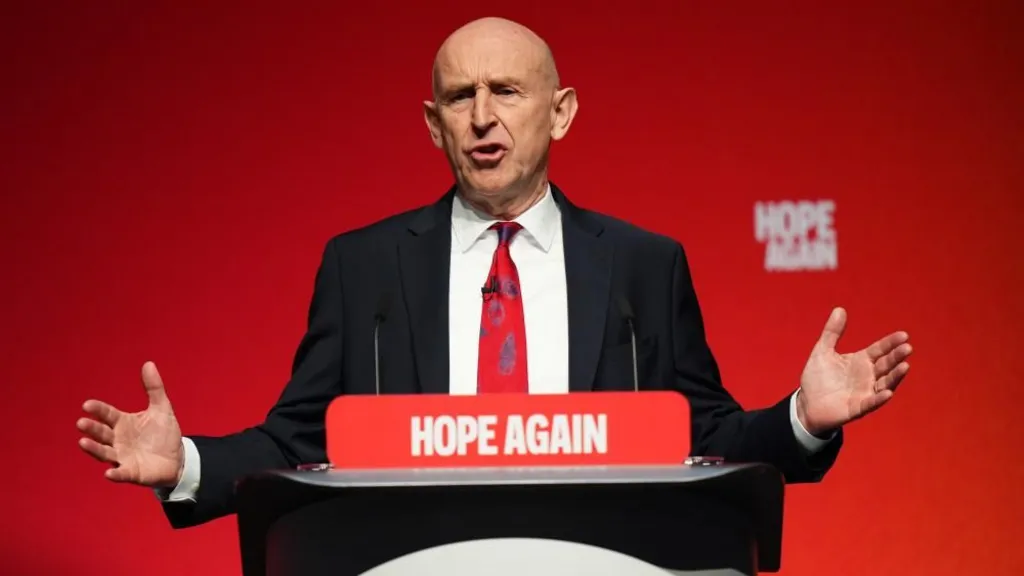
The government has delivered a direct message to young people across the nation: reliance on state benefits cannot be the foundation of a bright future. The Chancellor has made it clear that the ultimate goal for school leavers and young adults must be employment, hands-on training, and long-term career growth, rather than sitting on welfare benefits.
This announcement has sparked an intense national debate. On one side, ministers argue that receiving a monthly benefit check without a clear pathway into employment hurts young workers in the long run. On the other side, young job seekers point out that finding a stable, well-paying entry-level job is harder than ever.
Understanding what this policy shift means for young people, families, and the wider economy requires breaking down the government’s stance, examining the current job market, and exploring what needs to happen to ensure young workers truly succeed.
What Did the Chancellor Actually Say?
The core message from the Chancellor was straightforward: government welfare should act as a safety net during temporary hardship, not a long-term lifestyle or a substitute for early career development.
The Chancellor stated that handing young people a monthly check without pushing them toward active employment damages their confidence, limits their skill development, and keeps them trapped in dependency. According to official economic policy updates on the UK Government Official Portal, the focus is shifting toward an aggressive push for youth employment, apprenticeship programs, and mandatory job coaching.
The $0 Secret To Launching Your Entire Online Empire
Why pay hundreds every month for separate software? Build funnels, send emails, and make sales with Systeme.io completely free.
Get Started For $0Free Forever • No Credit Card Needed • Beginner-Friendly
The government believes that early work experience sets up a person for life. When young adults enter the workforce early, they build workplace discipline, learn practical skills, expand their personal networks, and gain financial independence. Relying on benefit payments during the formative years of late teens and early twenties can make it much harder to build a successful career later on.
Why the Focus Is Shifting From Welfare to Work
To understand why the government is pushing this narrative so strongly, it helps to look at the economic factors driving the decision.
The Growing Cost of Welfare
The overall national welfare bill has grown significantly over recent years. Government funds spent on unemployment benefits and support allowances represent money that cannot be invested in infrastructure, healthcare, public transport, or education. Reducing the number of young people on long-term benefits frees up tax money while simultaneously growing the national workforce.
The Danger of Early Worklessness
Research consistently shows that prolonged unemployment at a young age leaves lasting economic marks. When a twenty-year-old stays out of education, training, or work for extended periods, their future earning potential drops significantly. Employers often look hesitate to hire candidates with long, unexplained gaps in their work history. Getting young people into employment quickly prevents them from falling into long-term worklessness.
Building Skills for the Future
A welfare check pays for immediate basics like food or transport, but it does not teach a young person how to communicate professionally, work in a team, manage projects, or operate industry technology. Real jobs and structured apprenticeships provide practical skills that increase a person’s value in the marketplace year after year.
Is Getting a Job Really That Simple for Young People Today?
While the Chancellor’s statement sounds logical on paper, many young people argue that the reality on the ground is far more complicated. Telling someone to get a job is easy, but actually securing a decent position involves overcoming significant barriers.
The Experience Trap
One of the biggest complaints from young job seekers is the classic catch-22: you need experience to get a job, but you need a job to get experience. Many entry-level positions now demand two or three years of prior experience, leaving recent school leavers and graduates locked out of the job market entirely.
High Living Costs and Low Entry Pay
Even when young people find entry-level employment, starting wages often struggle to match high housing costs, rising transport fares, and basic living expenses. If an entry-level wage barely covers the cost of commuting and working, young people can feel demotivated, especially if local job options are scarce.
Health and Mental Health Challenges
A growing number of young people claiming out-of-work benefits cite mental health challenges, anxiety, or long-term health conditions. Simply telling individuals facing health obstacles to go out and get a job without providing adequate healthcare, mental health resources, and workplace adjustments rarely works.
What Jobs Over Benefits Means for the Economy
When a country successfully moves thousands of young people from welfare benefits into active employment, the economic ripple effect is immediate and positive.
- Increased Tax Revenue: Every young person who works pays income tax and national insurance contributions, directly strengthening public finances.
- Higher Consumer Spending: Workers earning steady wages spend money on housing, food, leisure, clothing, and travel, which boosts local businesses and creates even more jobs.
- Lower Social Costs: High youth employment rates correlate with reduced crime rates, improved community stability, and lower pressure on public health services.
- A Stronger Talent Pipeline: Industries struggling with labor shortages, such as construction, technology, healthcare, and hospitality, gain access to fresh, energetic workers ready to learn.
What Young People Need to Truly Succeed in the Workplace
If the government wants to turn its “jobs, not benefits” slogan into reality, key structural changes must take place across the country.
Expansion of High-Quality Apprenticeships
Apprenticeships must offer genuine career paths rather than low-cost labor for companies. High-quality programs allow young people to earn a living wage while studying toward recognized qualifications in fields like engineering, IT, finance, and skilled trades.
Direct Employer Incentives
Businesses need clear incentives to hire young workers who lack formal experience. Tax credits or wage subsidies for companies that hire and train young people can encourage employers to give early-career applicants a fair chance.
Modern Career Advice in Schools
Many career advice programs in schools remain outdated. Students need practical guidance on modern job search strategies, resume writing, digital literacy, interview preparation, and understanding emerging industries like renewable energy and software development.
Practical Support for Remote and Local Opportunities
For young people living outside major city centers, finding local employment can be tough. Expanding affordable public transport and providing training for flexible or remote roles allows young people from all geographic backgrounds to participate in the labor market.
Send, Spend & Hold Money Worldwide Without Hidden Fees
Transfer money internationally at the real exchange rate and hold 40+ currencies in one account.
Open a Wise AccountMid-market rate • Fast transfers • 40+ currencies
How You Can Navigate the Changing Job Market
If you are a young person looking to enter the workforce, or a parent supporting someone who is, taking proactive steps can make a massive difference in securing a good job.
- Focus on Transferable Skills: Highlight soft skills on your resume, such as problem-solving, communication, teamwork, reliability, and willingness to learn. Employers value a great attitude just as much as past experience.
- Explore Alternative Pathways: Do not limit your search to traditional full-time office jobs. Look into vocational training, apprenticeships, internships, and entry-level roles in growing industries like logistics, healthcare, and digital media.
- Build a Clean Digital Footprint: Modern employers check online profiles. Ensure your professional presence reflects your work ethic and interests.
- Network Locally and Online: Reaching out to local business owners, attending career fairs, and connecting with industry professionals online can open doors that traditional job boards miss.
- Seek Guidance and Resources: Stay informed on economic trends, workforce news, and lifestyle guidance by browsing through our insights on WhatsBuzzn About Us.
Frequently Asked Questions (FAQs)
What is the Chancellor’s main argument regarding youth benefits?
The Chancellor argues that relying on state benefits at a young age harms a person’s long-term career prospects. The emphasis should be placed on getting young people into jobs, apprenticeships, and training programs so they can build real skills and earn independent incomes.
Are benefits being completely stopped for young people?
No, government welfare systems are designed to remain as a basic safety net for those in genuine need or facing health conditions. However, regulations, job search requirements, and support programs are being tightened to encourage young, able-bodied individuals to enter employment rapidly.
How can a young person get a job with no experience?
Focus on entry-level positions that offer on-the-job training, such as apprenticeships or trainee roles. You can also build experience through volunteering, short online certifications, freelance tasks, or school projects that demonstrate practical skills to potential employers.
Why is youth unemployment such a major concern for governments?
Youth unemployment leads to long-term economic issues. When young people stay out of work for extended periods, they lose out on skill development, pay fewer taxes, and face higher risks of long-term financial hardship, which ultimately harms national economic growth.
Where can young job seekers find help or career support?
Young job seekers can utilize local job centers, career advisory services, government apprenticeship boards, and educational counselors. Staying updated with relevant news and employment advice on news platforms can also keep you ahead of market trends.
The debate over youth employment versus state welfare highlights a critical crossroads for the national economy. While providing financial safety nets remains important, creating genuine pathways into the workforce gives young people the tools, dignity, and independence they need for long-term success.
Building a thriving economy requires cooperation between government policymakers, employers, and young job seekers alike. If you have questions, feedback, or personal stories to share about navigating the modern job market, feel free to reach out directly through our WhatsBuzzn Contact Page.
To stay updated with the latest trending stories, economic updates, and viral news content, connect with us across our social channels on Instagram, Facebook, and X (formerly Twitter).
