
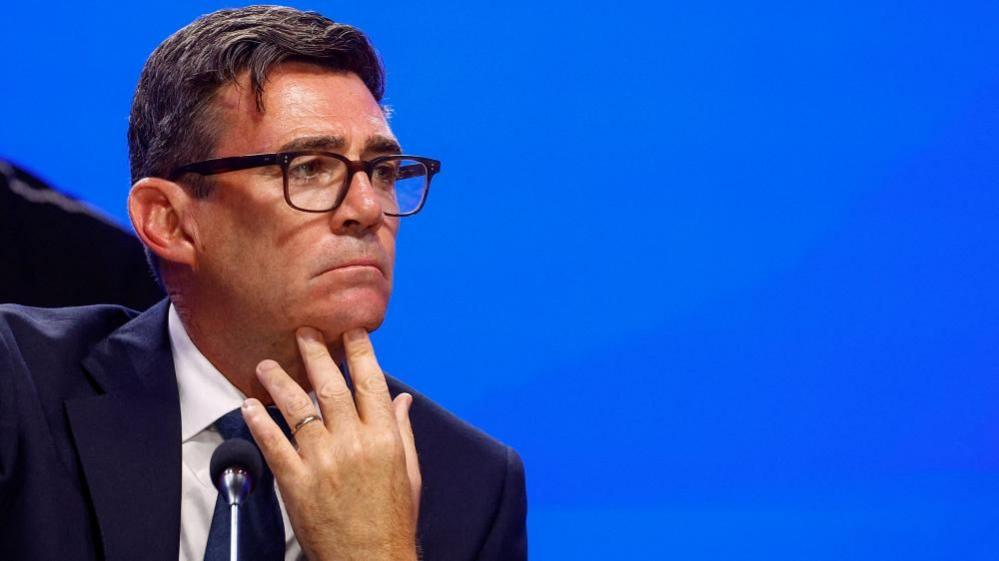
Andy Burnham has officially stepped back from proposed green taxes and policy costs on domestic energy bills, marking a significant pivot in how the UK government balances climate targets with everyday living costs. The move comes alongside a headline decision to cut Value Added Tax on electricity bills from 5% to zero, providing immediate financial breathing room for millions of households.
By shifting away from consumer-focused green levies and redirecting money from overseas climate grants into domestic relief, the government is sending a clear signal. Climate policy is being rewritten to focus on affordability first. While supporters applaud the quick relief for strained family budgets, environmental groups are raising sharp questions about the long-term message this sends to green investors.
The Breakdown of the New Energy Announcement
The centerpiece of this policy shift is the immediate removal of VAT on household electricity bills. For the average home, this small percentage change translates to direct savings every single month. The goal is simple: reduce the immediate burden of keeping the lights on during tough economic times.
In addition to cutting electricity VAT, plans to introduce extra green surcharges on consumer bills have been put on ice. Previously proposed taxes aimed at funding renewable infrastructure will no longer land directly on retail energy statements.
Instead of adding new charges to monthly utility bills, the government plans to fund these energy cuts through internal budget adjustments. A key part of this funding comes from altering international climate aid. By switching certain overseas climate contributions from direct cash grants into repayable loans, ministers have freed up hundreds of millions of pounds for domestic energy relief.
The $0 Secret To Launching Your Entire Online Empire
Why pay hundreds every month for separate software? Build funnels, send emails, and make sales with Systeme.io completely free.
Get Started For $0Free Forever • No Credit Card Needed • Beginner-Friendly
Why Green Taxes Are Being Scrapped
For years, green taxes were viewed by policymakers as the standard way to pay for clean energy projects. By adding small fees to electric and gas bills, governments raised capital to build wind farms, solar grids, and energy efficiency programs. However, when baseline energy prices soared across Europe, those small extra fees quickly added up to a heavy burden for normal households.
The current political calculus has changed. Mounting public frustration over monthly utility costs made it clear that adding green taxes to consumer bills was losing public support. Political leaders realized that if climate action is seen as a driver of poverty, voters will reject the policy entirely.
By scrapping these specific consumer taxes, the administration wants to prevent net zero from becoming a bitter political battleground. The strategy is to protect the overall goal of cutting carbon emissions, but to change the tools used to get there. Pushing the cost of green upgrades onto monthly bills is officially out; finding alternative funding methods is in.
Understanding the Electricity VAT Cut
Cutting VAT on domestic electricity from 5% down to zero delivers a direct discount to every home in the country. While 5% might not sound like a huge number on paper, energy bills have risen so significantly over recent years that removing the tax yields noticeable savings.
Here is how the VAT drop works in real terms for different types of households:
- Low-income households: Families living in smaller apartments or terraced homes will see immediate relief on their monthly prepaid meters or direct debits.
- Medium-sized family homes: Standard three-bedroom properties stand to save tens of pounds each quarter, helping buffer against overall cost inflation.
- Small local businesses: Certain small firms operating on standard tariff structures will also benefit from lower power charges.
Beyond immediate cost relief, the tax change is designed to make clean energy more attractive than fossil fuels. Since gas bills are not receiving the exact same overhaul, making electricity tax-free encourages people to run electric appliances and heat pumps over gas alternatives.
Where the Money Is Coming From
Removing tax revenue and dropping green levies leaves a financial gap that must be filled. The government is covering this shortfall by making changes to international aid spending and shuffling internal department budgets.
A major portion of the funding comes from restructuring overseas climate finance. Historically, the UK pledged direct grants to developing nations to help them build green infrastructure and deal with severe weather impacts. Under the new arrangement, hundreds of millions of pounds in direct grants are being converted into low-interest loans. This frees up immediate cash for domestic priorities while keeping total support commitments active on paper.
Another portion of the funding comes from unspent money within government energy departments. Capital that was allocated to slow-moving green grant programs is being repurposed to cover the immediate VAT cut.
The Political Shift: Protecting Net Zero by Changing Tactics
This policy shift represents a major change in tone for Andy Burnham. In previous roles, including his time as Mayor of Greater Manchester, Burnham was an outspoken advocate for aggressive climate action. He frequently pointed out that building a green economy creates thousands of local jobs in insulation, clean transport, and technology.
So why the change in direction? The move is a calculated effort to build a broader consensus around net zero. Burnham has warned in recent years that forcing high costs onto working-class communities could cause a massive public backlash. If people feel that saving the planet is making them poorer, support for environmental policy collapses.
By dropping green taxes while keeping core emissions targets intact, the government is trying to remove the central argument used by climate sceptics. The core idea is that net zero must deliver cheaper bills and better living standards, not extra costs and mandates.
How Climate Advocates and Industry Leaders Are Reacting
The decision to scrap green tax plans and modify climate spending has split opinions across industry sectors, environmental groups, and political analysts.
Support from Consumer Groups and Labor Unions
Consumer advocacy groups have warmly welcomed the VAT drop and the decision to avoid new levies. With food, housing, and general living costs staying high, any direct cut to essential utility bills provides real help. Trade unions representing manufacturing and industrial workers have also supported the move, arguing that cheap power is vital for keeping factories open and saving skilled jobs.
Pushback from International Climate Groups
Environmental charities and global development organizations have expressed deep concern over the funding mechanisms. Converting overseas grants into loans reduces direct financial aid for vulnerable nations suffering from extreme weather. Climate activists argue that cutting aid abroad damages global trust and dilutes international leadership.
Send, Spend & Hold Money Worldwide Without Hidden Fees
Transfer money internationally at the real exchange rate and hold 40+ currencies in one account.
Open a Wise AccountMid-market rate • Fast transfers • 40+ currencies
Concern Over Investment Signals
Green technology executives and clean energy developers are watching the policy changes with caution. Constant shifts in tax policy and funding structures can create uncertainty for long-term private investments. Building large-scale solar arrays, offshore wind farms, and battery storage plants requires years of planning and capital commitment. When governments alter green policy frameworks, investors sometimes pause their projects until rules become clearer.
The Role of Technology and Clean Energy Innovation
Achieving net zero without using consumer taxes relies heavily on modern technological progress. Rather than forcing change through heavy taxation, the plan depends on clean energy tech becoming so cheap and efficient that consumers naturally choose it.
Rapid developments in modern software, smart grid systems, and data analytics are already reshaping how power is generated and consumed. By using advanced software algorithms, power utilities can manage local electricity grids far more efficiently, reducing overall energy waste and dropping production costs.
If you are interested in how modern software innovations and smart tech are transforming various industries, check out our latest articles on technology and AI to see how digital solutions are driving real-world changes.
Smart home automation, efficient battery storage, and automated digital media workflows are prime examples of how technology drives cost savings without requiring government taxes. People who want to explore building digital channels or exploring online automation trends can read our dedicated guides on YouTube automation for useful strategies on building modern digital platforms.
How Economic Realities Shape Modern Climate Policy
The decision to abandon green taxes highlights a growing reality in global politics: climate policy cannot be separated from economic policy. When inflation rises and family budgets tighten, environmental programs come under immediate scrutiny.
Governments across the world are learning that long-term environmental targets require continuous public approval. If environmental measures increase monthly grocery bills or heating costs, public support fades fast.
To build a lasting clean economy, leaders must show that green energy leads directly to cheaper bills, cleaner local environments, and secure jobs. Burnham’s policy drop is a practical test of this idea. The goal is to prove that removing taxes and focusing on cheap power delivers a sustainable path forward that voters will support.
What Happens Next for Energy Bills and Net Zero Targets?
In the short term, consumers will see lower tax rates applied directly to their electricity statements starting in October. The complete removal of VAT gives immediate relief as winter approaches.
In the medium to long term, the government still faces big questions about how to fund major grid upgrades, nuclear projects, and green energy installations. Dropping consumer levies means alternative funding models—such as private infrastructure capital, government green bonds, or capital growth taxes—must be developed.
The $0 Secret To Launching Your Entire Online Empire
Why pay hundreds every month for separate software? Build funnels, send emails, and make sales with Systeme.io completely free.
Get Started For $0Free Forever • No Credit Card Needed • Beginner-Friendly
The success of this pivot will depend on whether clean energy generation can grow quickly enough to bring down baseline wholesale electricity prices. If wholesale energy remains expensive, tax cuts alone will not prevent high energy bills in the future.
If you want to read more about our editorial vision, our story, and what drives our coverage, feel free to visit our about page to learn more about what we do. If you have questions or want to reach out to our team directly, you can visit our contact page anytime.
Frequently Asked Questions (FAQs)
What green tax changes did Andy Burnham announce?
The policy shift includes scrapping planned consumer green taxes and dropping the Value Added Tax (VAT) on household electricity bills from 5% to zero.
How much money will the electricity VAT cut save the average home?
Cutting electricity VAT from 5% to zero saves the average household around £45 per year directly on power costs, providing immediate assistance with monthly energy bills.
Why are green levies being removed from power bills?
Ministers are removing green levies to ease cost-of-living pressures on households. The goal is to keep climate policies popular by making sure net zero targets do not make everyday life more expensive.
Where is the government getting the money to pay for these tax cuts?
The tax cuts are being funded by changing international climate contributions from grants into low-interest loans, alongside using unspent capital within internal energy department budgets.
Does dropping green taxes mean the UK is giving up on Net Zero?
No, official targets to achieve net zero remain in place. The government is changing its financial strategy by removing direct consumer taxes while continuing to pursue decarbonization through public-private investments and technology.
How can I stay updated on social media?
You can join the conversation and check out our newest updates across our social profiles. Follow our official accounts on Instagram, check out our latest posts on Facebook, or jump into real-time discussions on X.
Navigating the changing landscape of global policy, green energy choices, and economic reform requires keeping a close watch on how decision-makers balance short-term needs with long-term goals. As energy markets continue to evolve, finding practical solutions that protect both family finances and environmental commitments remains essential for building a stable future.
